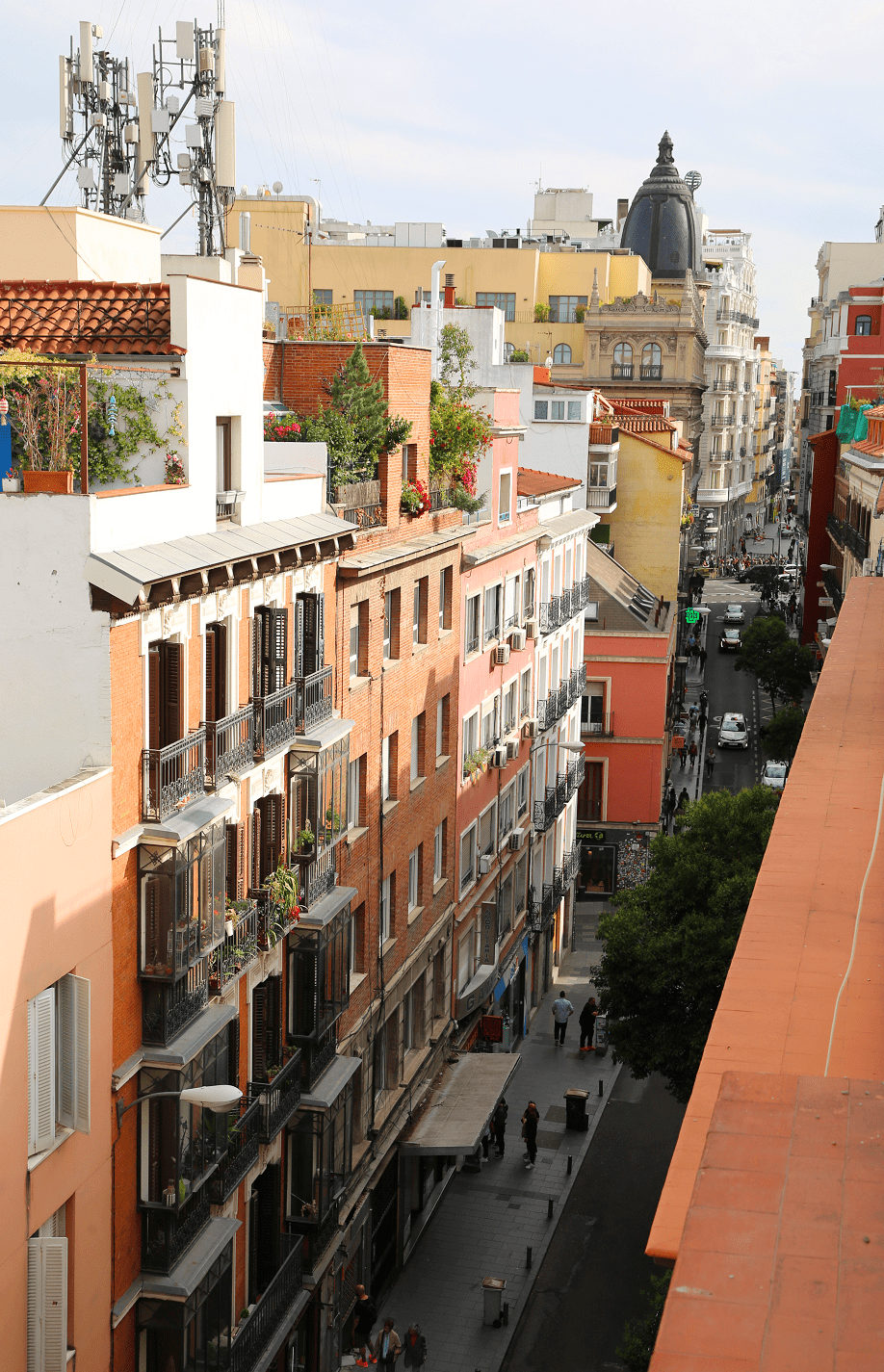

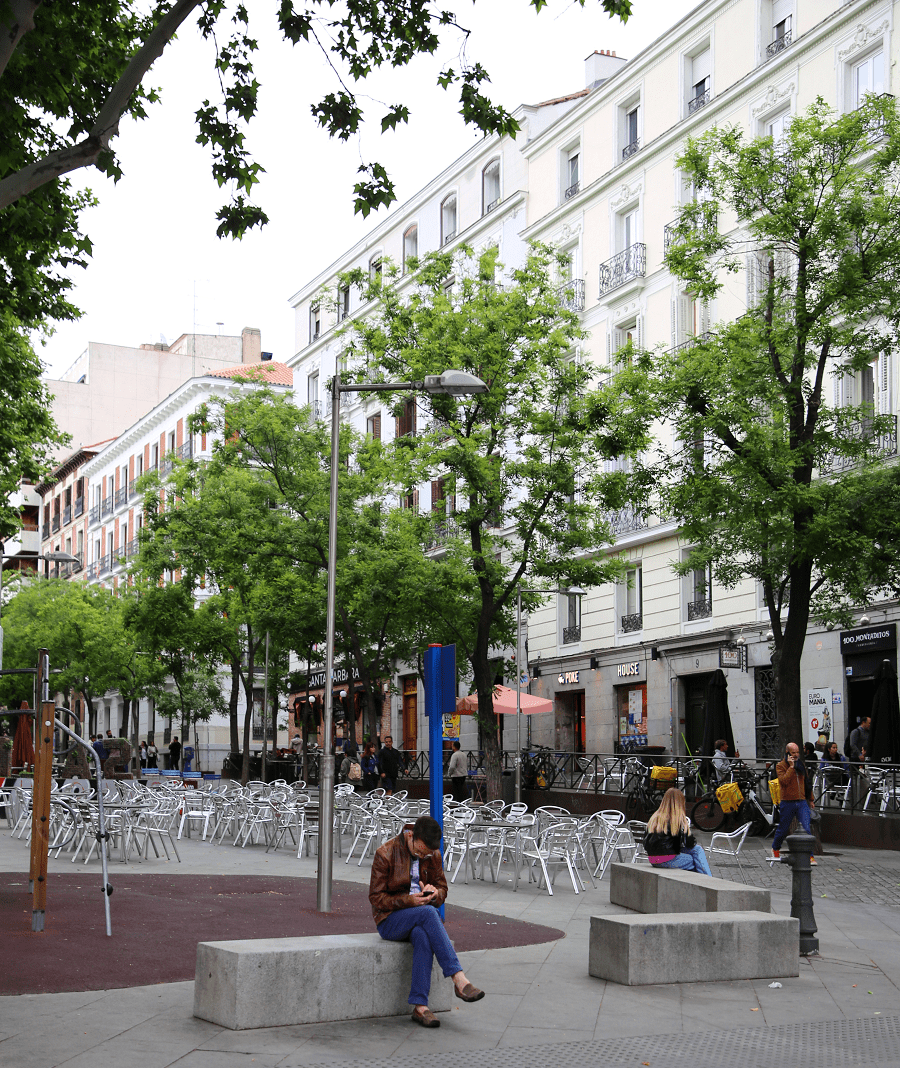
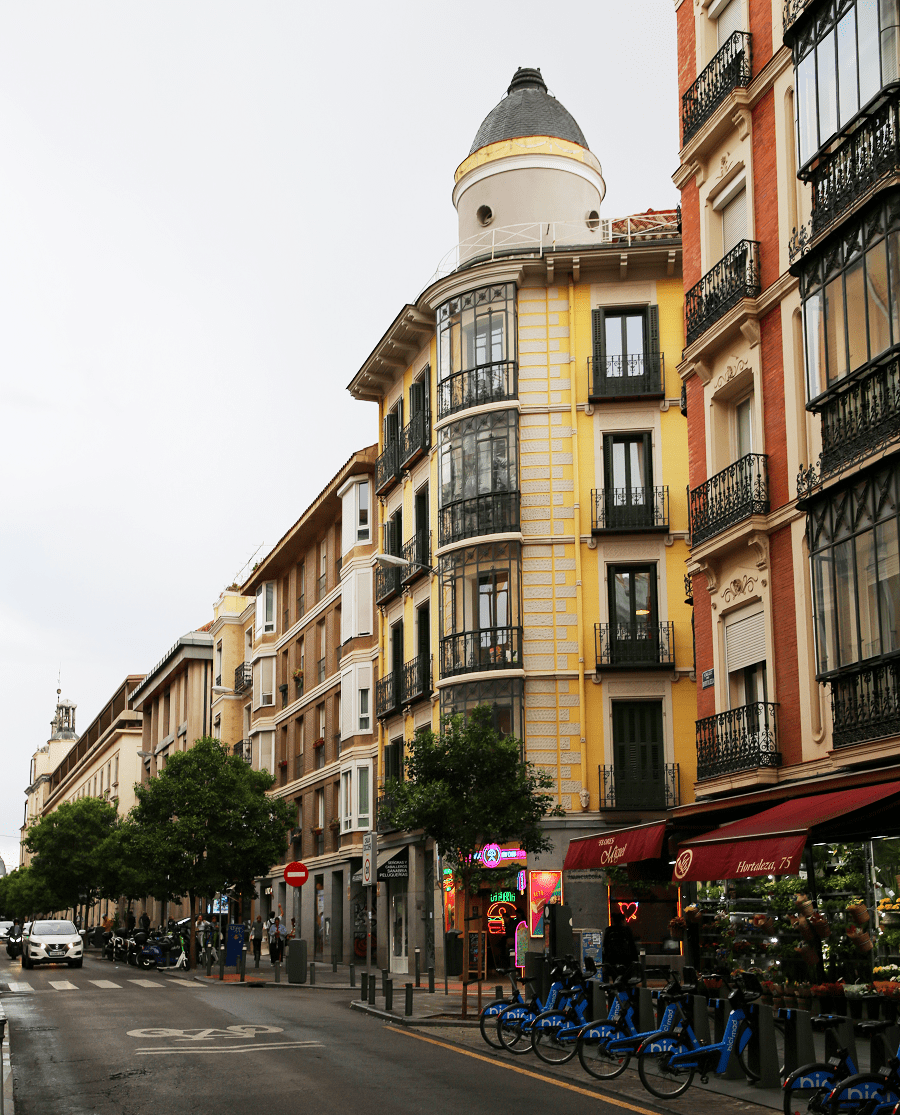
Hortaleza Street is a public road in Madrid, Community of Madrid, Spain, located in the Justicia neighborhood, Centro District, which runs south-north from the core of the San Luis network, on the Gran Vía to the Plaza de Santa Bárbara, going almost parallel to Fuencarral Street to the west and the Chueca neighborhood to the east. It takes its name from having originally been a local road towards the town of Hortaleza. At number 63 there is the large museum, educational and municipal services space created by the COAM with the complete rehabilitation of the Pious Schools of San Antón.
History
The road and street of Hortaleza already appear labelled like this in the Texeira map of 1656 and in that of Espinosa (1769).
In May 1623, by decision of Francisco de Contreras, president of the Council of Castile, the convent of the Recogidas of Santa María Magdalena, “royal house for repentant women, commonly known as Recogidas”, was moved to the new building at number 33 of this street, which had previously been on Arenal Street, in the Pilgrims’ Hospital complex. Mesonero Romanos says that the chaplain of the nuns and poet Francisco Gregorio de Salas died in that Recogidas mansion. Acquired at the end of the 20th century by the UGT, its entire interior was rebuilt, including the old church, to house the union’s confederal headquarters until 2016.
Another historic building was the old leper hospital and later the Piarist school, fully renovated at the beginning of the 21st century as the headquarters of the College of Architects of Madrid and a municipal area for neighborhood services. It preserves a fountain with two dolphins on the corner with Santa Brígida Street, made around 1900, which replaced the previous Galápagos fountain, a work by Ventura Rodríguez from 1772.
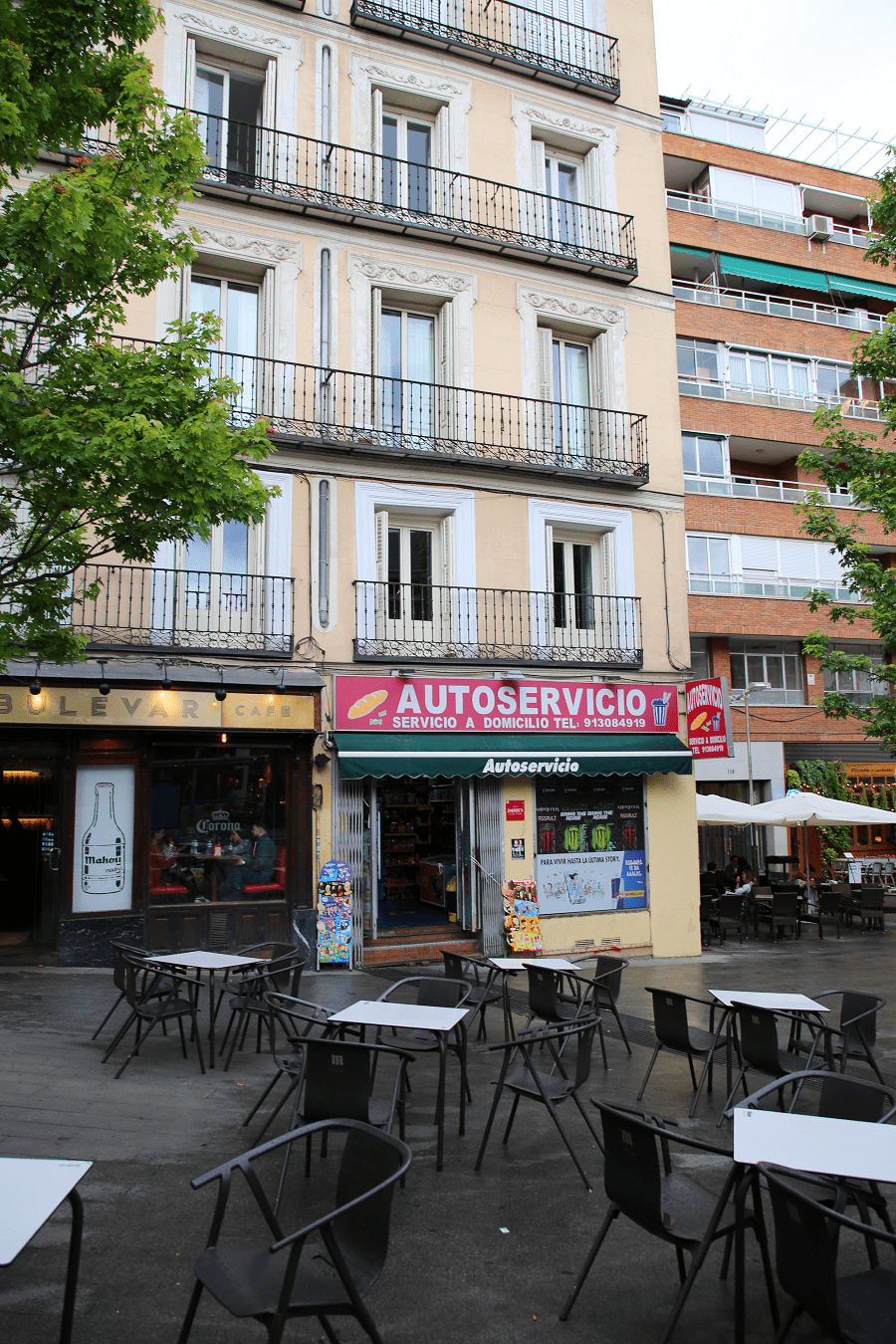
During the reign of Charles III of Spain there was a chemical laboratory on this street. Almost a century later, on October 17, 1815, the Count of Moctezuma de Tula and Tultengo granted a license to establish the Santa Bárbara brewery in its initial section, former number 2 of this street. At the height of numbers 81-83, the Casa de Misericordia de Santa Isabel, created in 1859 as an asylum and school for girls, is preserved.
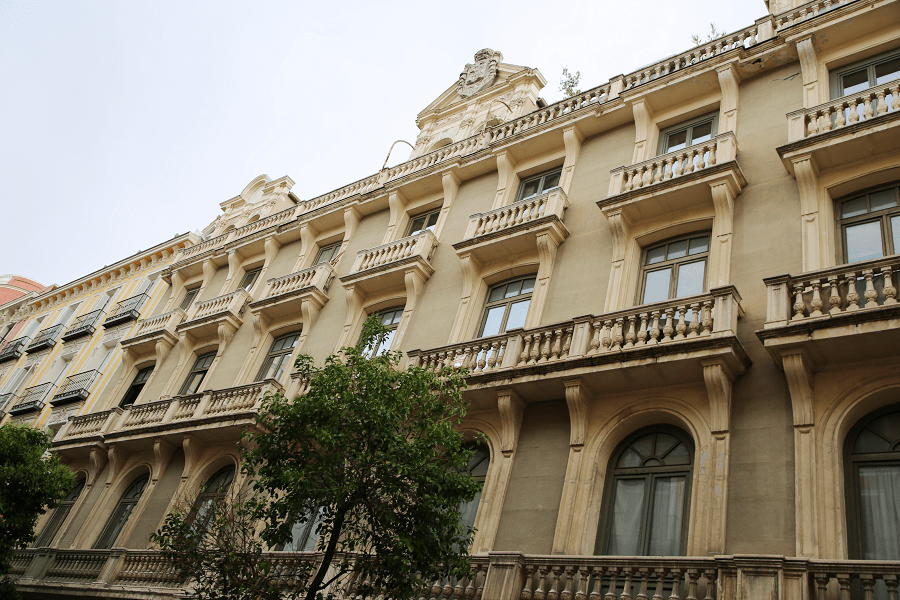
Despite its narrowness, it was one of the first streets to have a tram line and service in the 19th century.
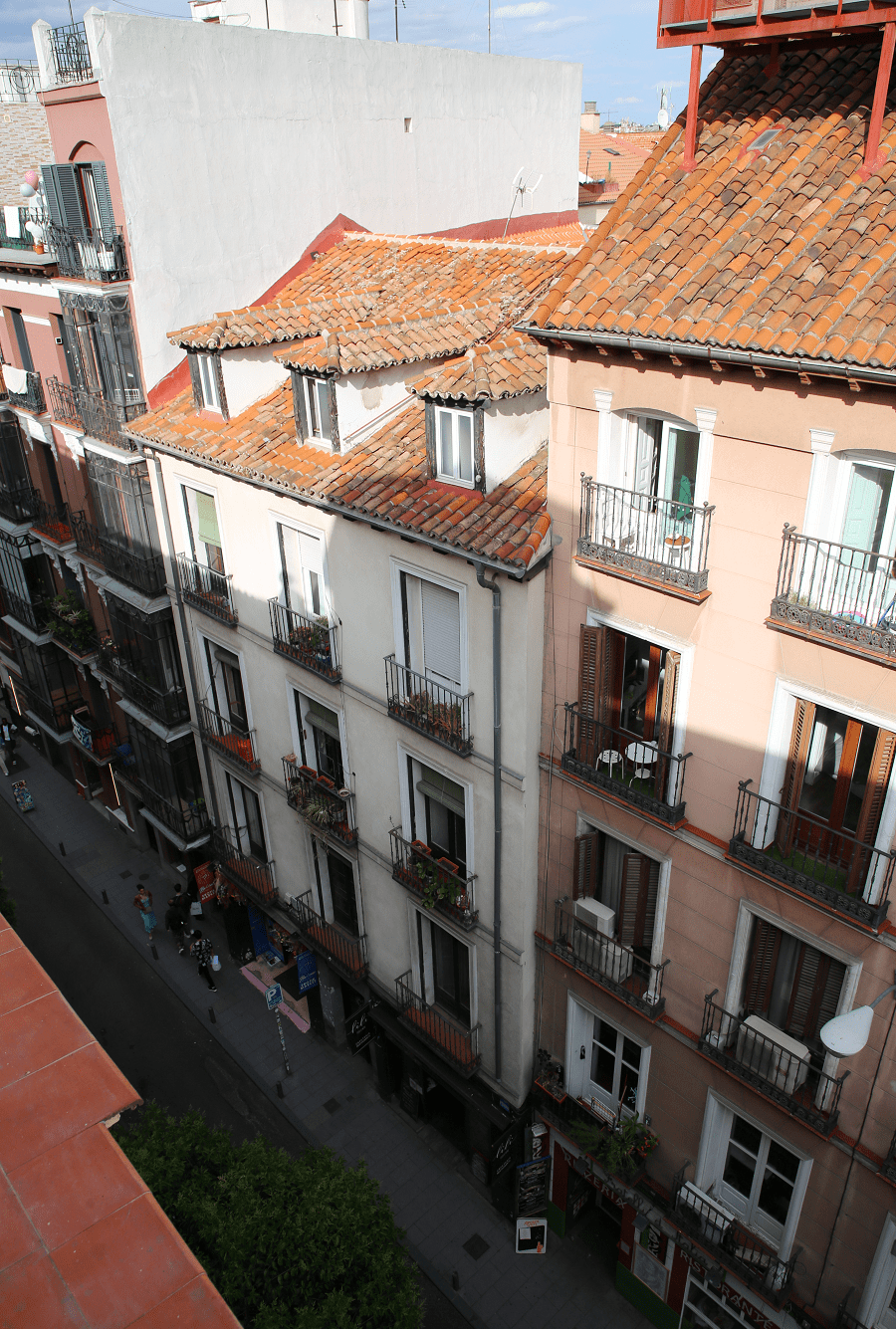
Among its illustrious residents, on can mention the Flemish painter Jan Baptist de Wael, who made a will on January 11, 1697 in his house on this street, and the expeditionary sailor Juan de Ayala, who with Bruno de Heceta sailed along the Pacific coast of the northern area of Alta California in 1775. The last king of Portugal also stayed in the house of the Portuguese embassy that had territory there in 1910, a few weeks before being dethroned.
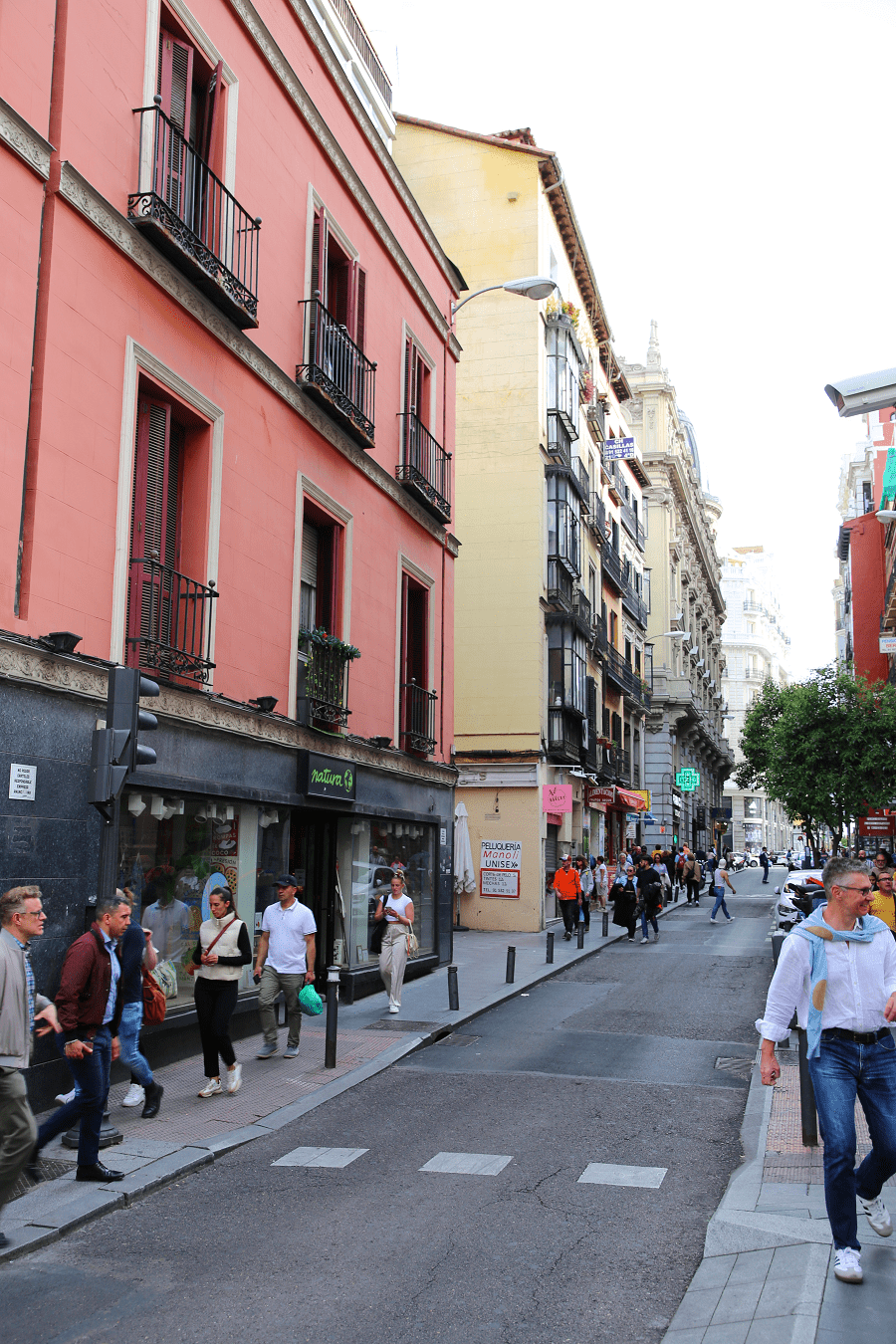
Madrid: full guide
- Administrative structure
- Architecture
- Churches and Cathedrals
- Entertainment
- Museums
- Parks and gardens
- Restaurants
- Shopping and markets
- Squares
- Streets
- Transport
See here Pyrenees travel guide
See here France travel guide
See here Spain travel guide