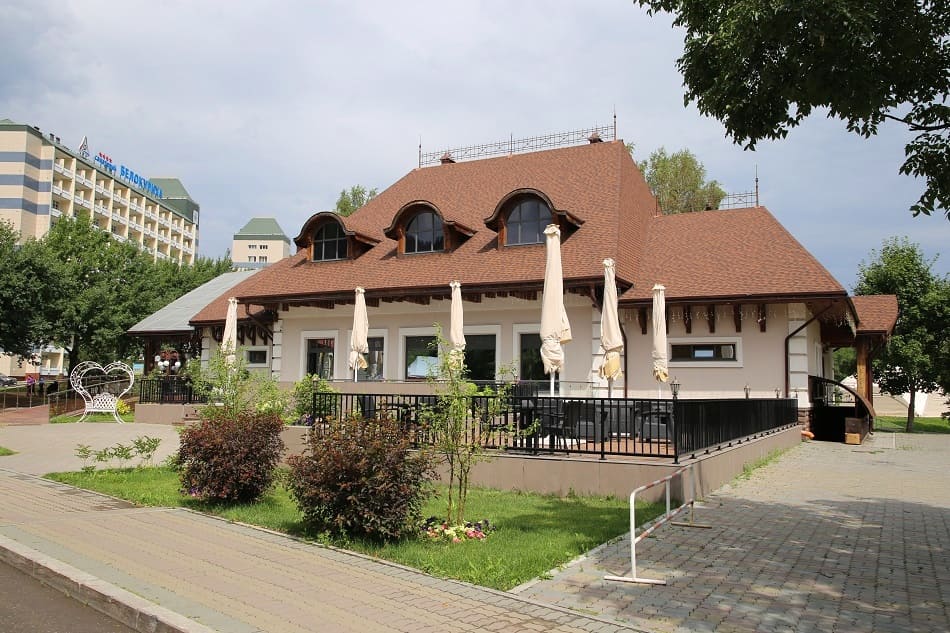
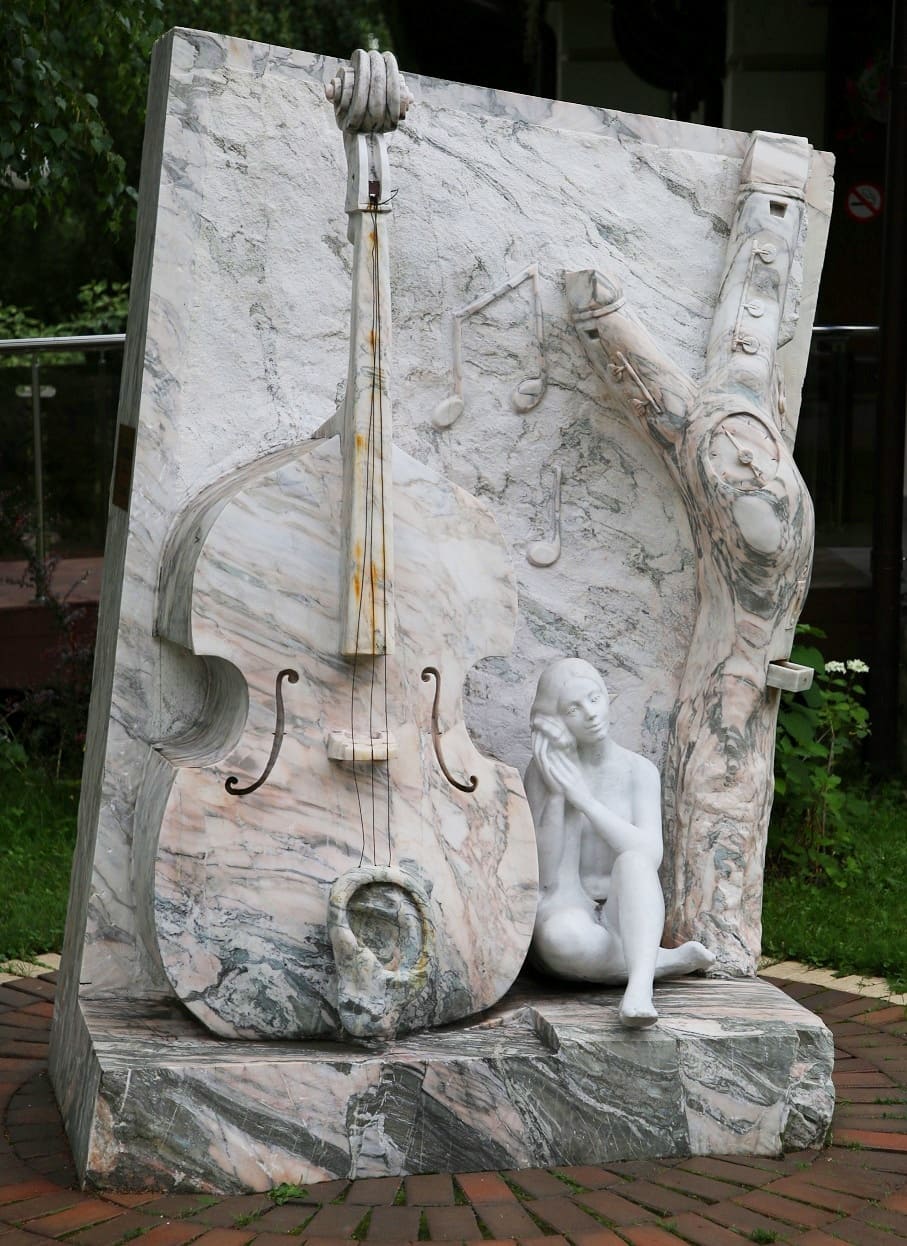
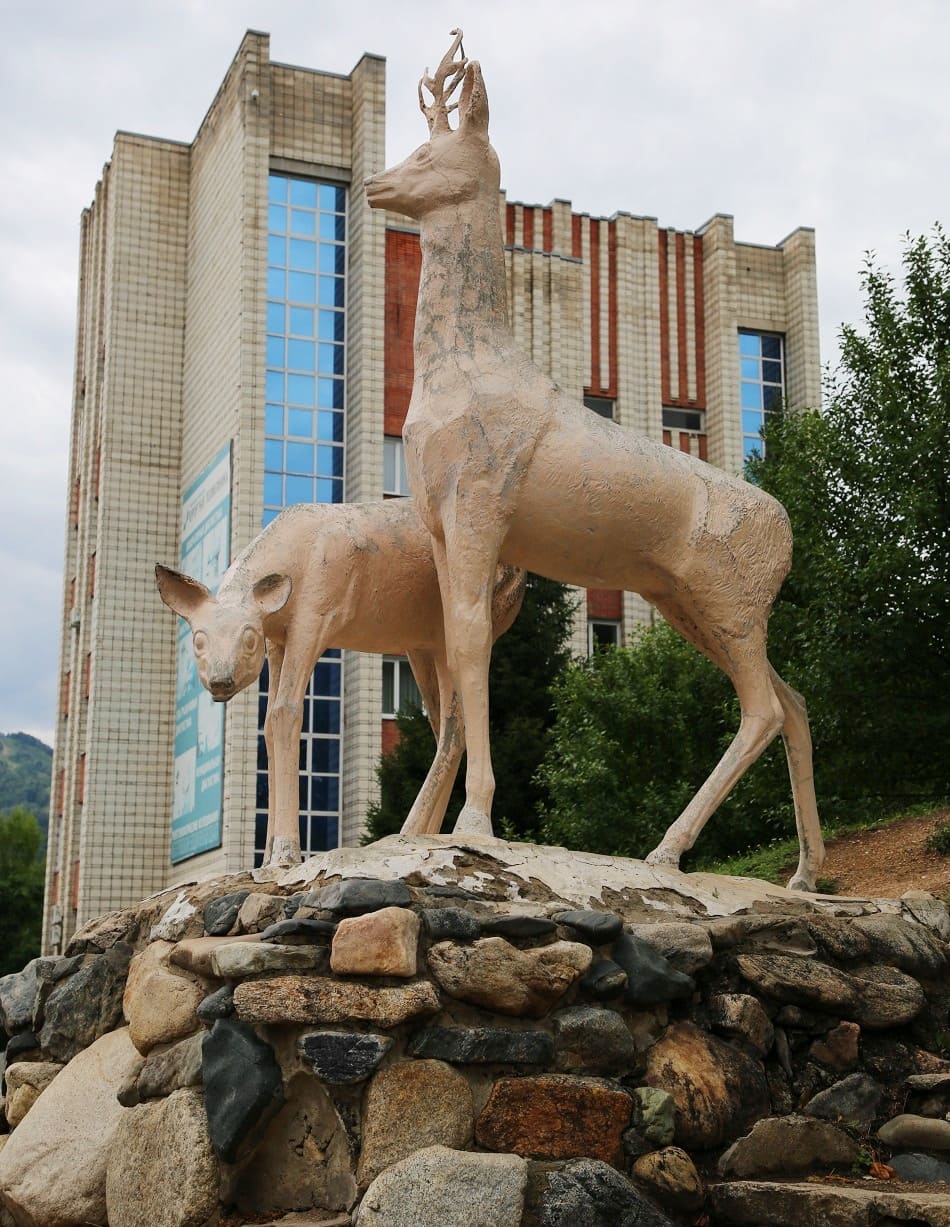
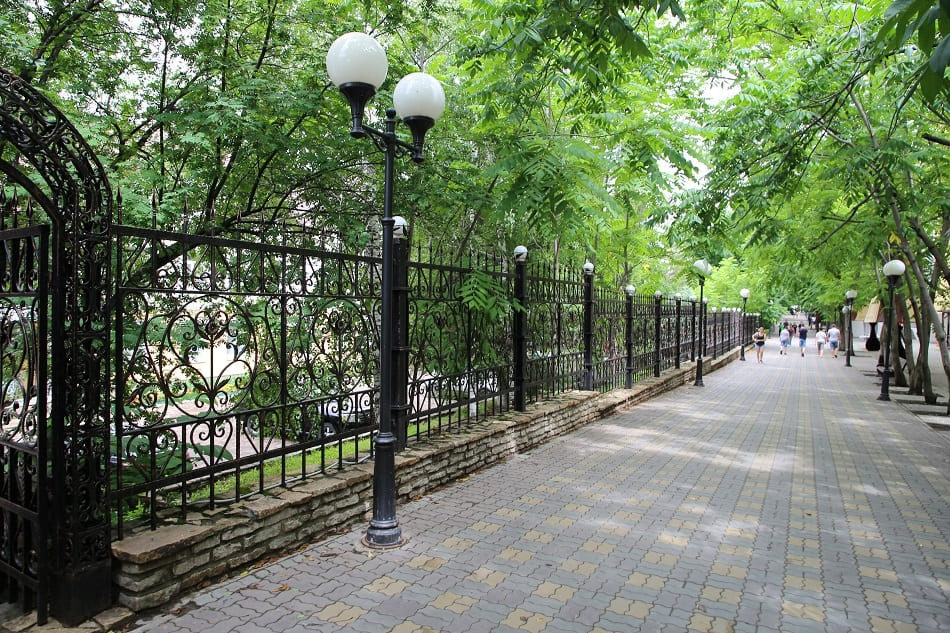
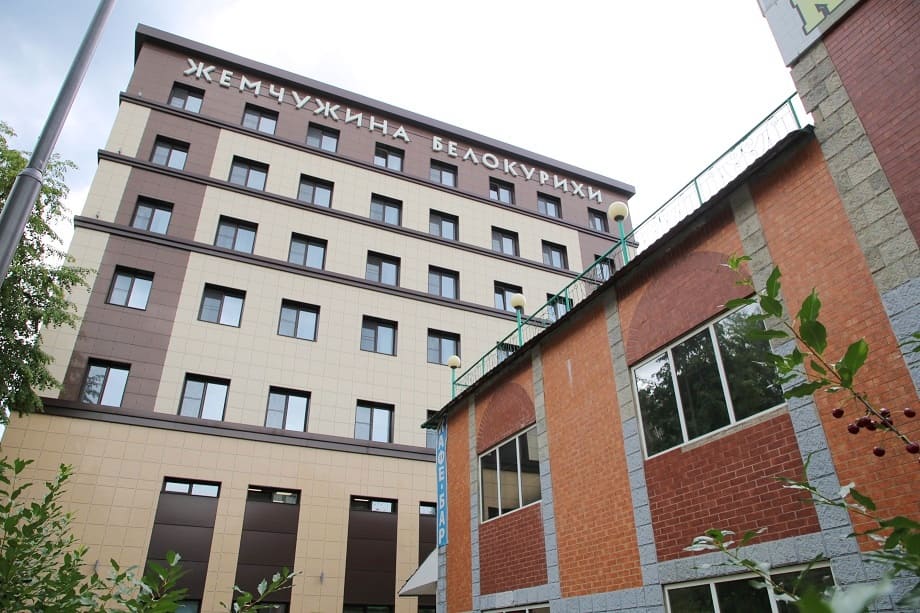
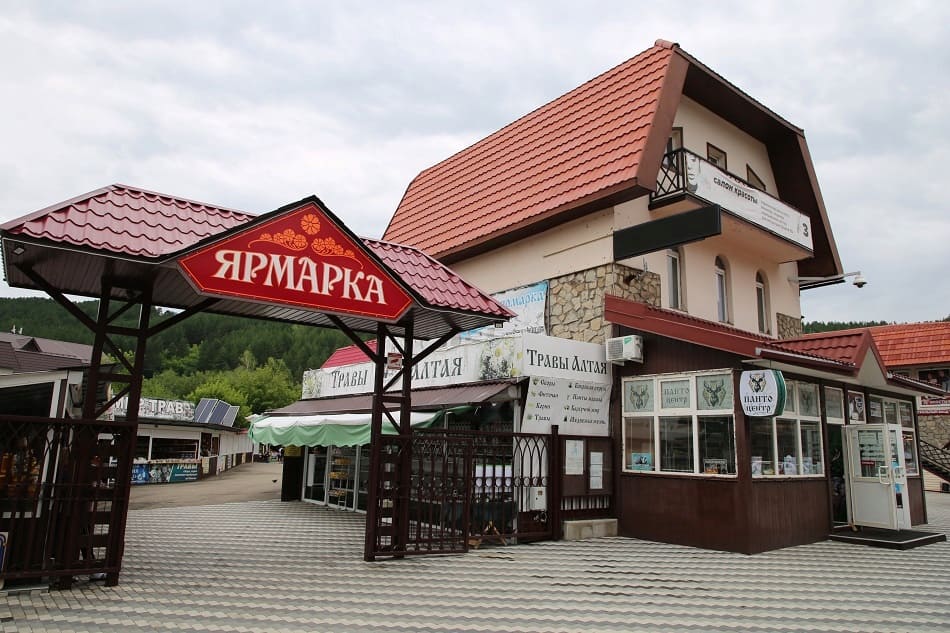
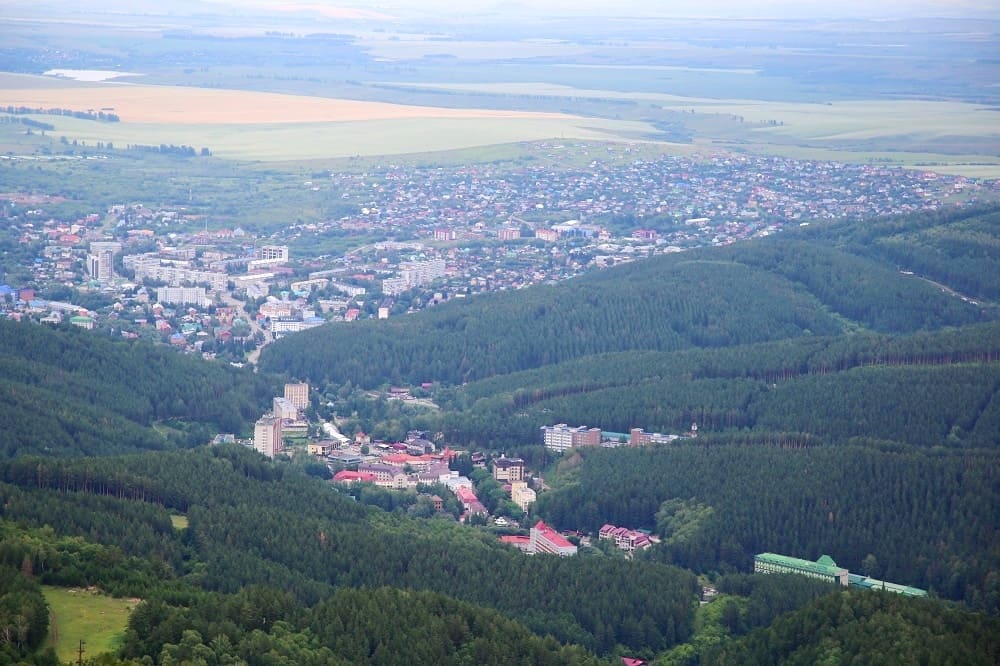
Belokurikha (Russian: Белокуриха) is a city in the Altai Krai (Russia). It forms the urban district of the city of Belokurikha. It is classified as a federal resort city.
History
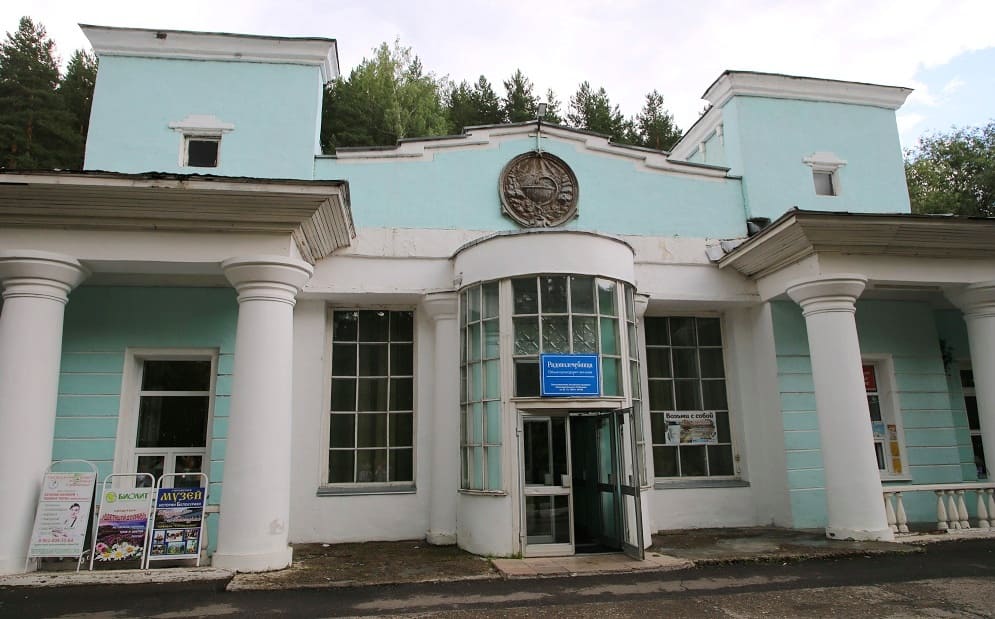
The village of Novaya Belokurikha was founded in 1846. The resort was opened in 1867 on the initiative of the state councilor Gulyaev. The first resort building, “Kupel”, was built at his expense. In 1903, the springs were transferred to the main administration of the Altai District. In 1942, the camp “Artek” (international children’s center) was evacuated here.
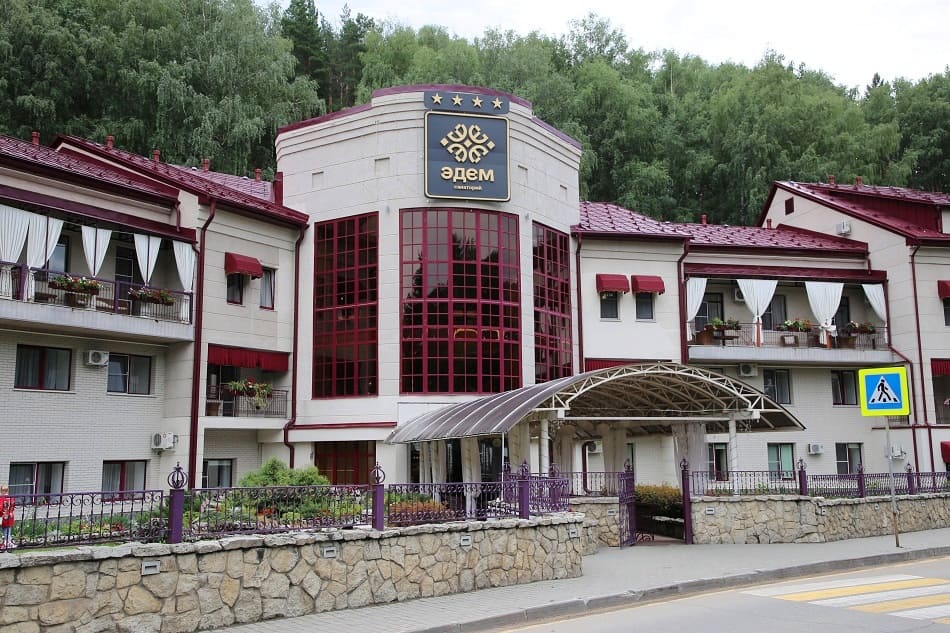
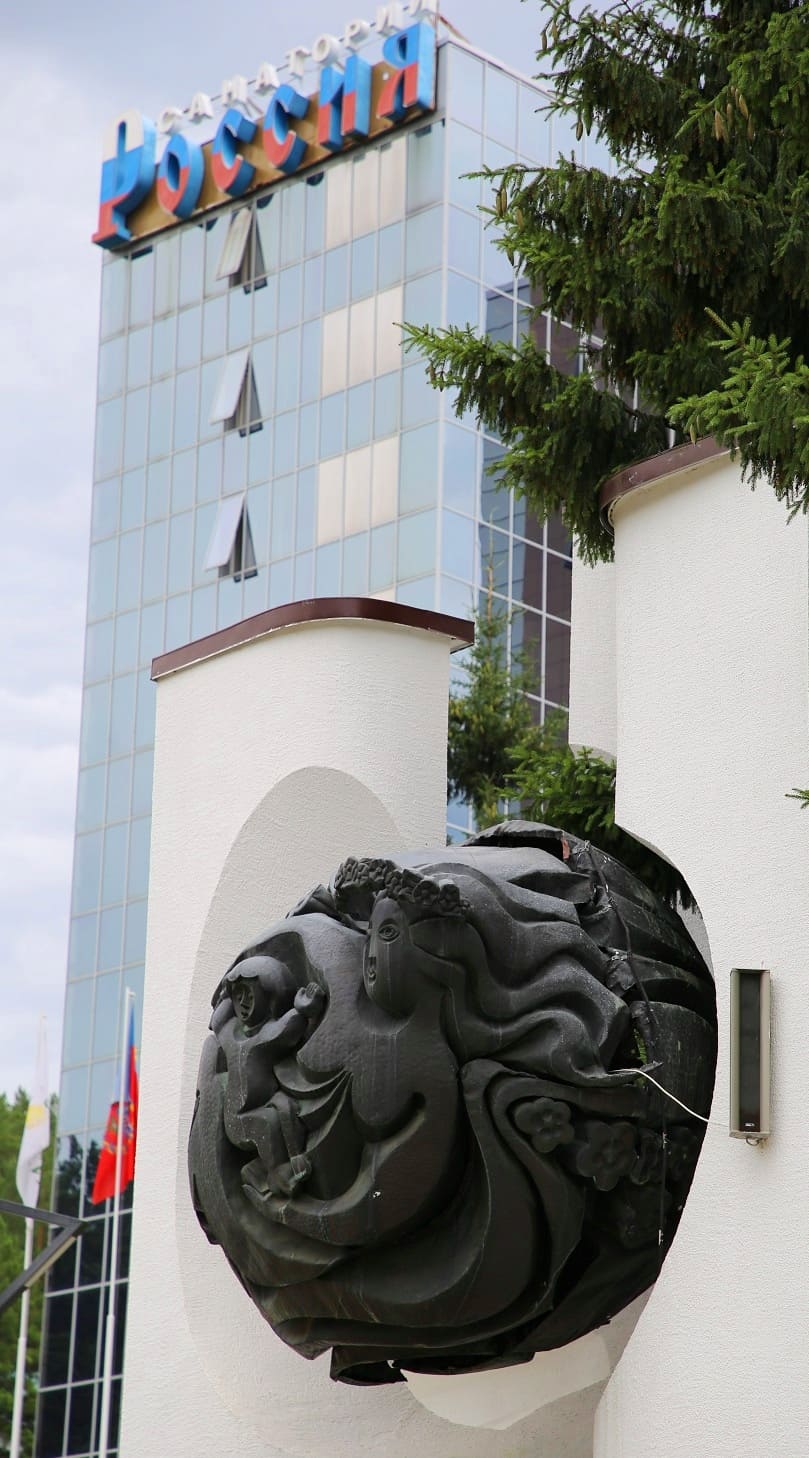
In 1957, the village was transformed into the workers’ settlement of Belokurikha of a resort type. Since the 1960s, sanatoriums (establishment for the medical treatment of people who are convalescing or have a chronic illness) have been built, the first of which was “Metallurg” (now “Eden”). In 1970, Belokurikha received the status of a resort of all-Union significance. In 1982, it became a city of district, and since 1989, of regional subordination. In 1999, it was awarded the status of a resort of federal significance.
In 2003 and 2016, Belokurikha was visited by Russian President Vladimir Putin.
Resort
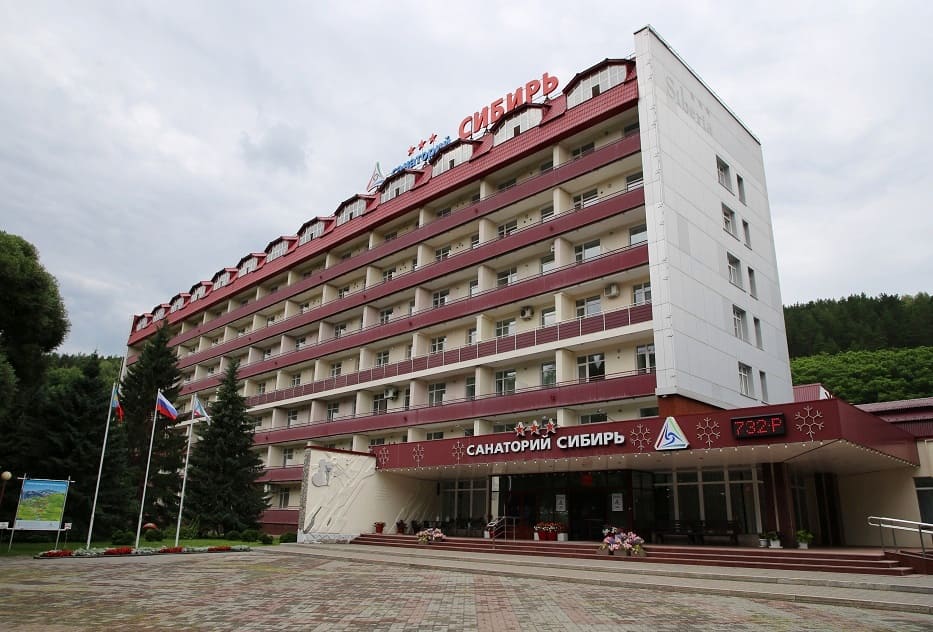
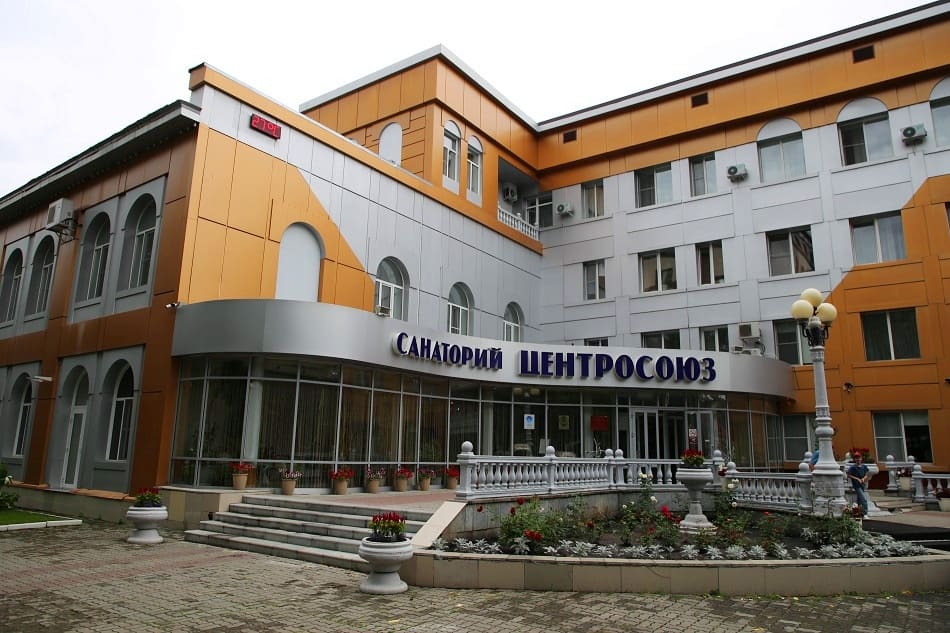
There are 19 health resorts and health resorts with 5,000 beds in the city; balneotherapy includes 27 types of procedures with mineral and fresh water. The number of sanatoriums, health resorts, hotels, and small boarding houses in the specially protected natural area is steadily growing. In 2006, several public buildings with a total area of 22,952.4 m² were completed on a turnkey basis at a total cost of 239.6 million rubles. The construction is being carried out by private investors.
Healing factors
Climatotherapy
Characterized by a relatively high average annual air temperature for Siberia (+3°C). Mild winters, cool summers, warm spring and autumn weather, mostly windless, short-term frosts in winter, followed by frequent thaws, and constant barometric pressure.
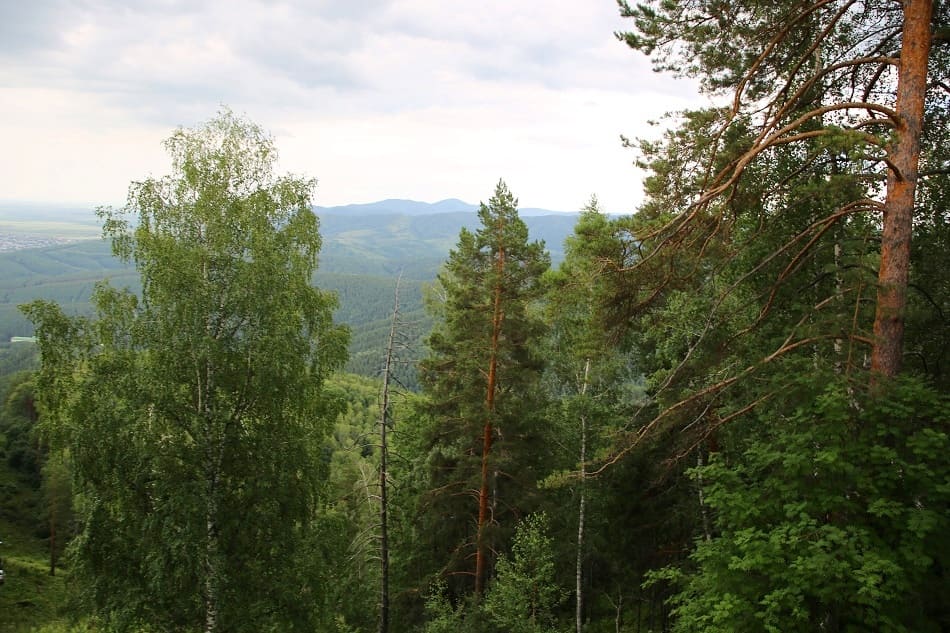
Mountain air (Altai Mountains)
Light aeroions are the main healing component of mountain air. In Belokurikha, the content of light aeroions is from 1014 to 2400, which is twice as much as their content in the world-famous Swiss resort of Davos (1006). Increased air ionization is especially noted in the adjacent hills.
Thermal waters
Belokurikha springs are thermal nitrogen-siliceous radon-containing waters, or nitrogen thermal springs. They come to the surface with a temperature of 30°C and 42°C. They contain a small amount of radon, a lot of nitrogen, fluorine and silicic acid, as well as various microelements. The water is alkaline and mineral. Therapeutic mud from the salt lakes of the Altai Territory is also used.
Alpine skiing
At the beginning of 2010, three main ski slopes were equipped on the territory of the resort: “Katun” – the central slope of the resort, 800 meters long, “Severny” 650 meters long and “Tserkovka” 2050 meters long.
The tourist and recreational cluster “Belokurikha-2” under construction is located 10 kilometers from the city, a beautiful serpentine road built in 2015 leads to the facility. The Belokurikha-2 complex will include a developed medical base, tourist infrastructure, interesting layout, as well as seven ski slopes. The new cluster will accommodate a growing number of tourists.
Transport
The city is connected by bus service with Barnaul, Biysk, Gorno-Altaysk, Kemerovo, Novokuznetsk, Mezhdurechensk, Novosibirsk and Tomsk. The nearest large airport is located in Gorno-Altaysk, and the railway station is in Biysk.
By car
From Barnaul: 3hr (230 km)
From Moscow: 2 days (3700 km)
Main information
Area: 92.3 km²
Coordinates: 51°59’33.4″N 84°58’43.0″E
Population: 14,873
Language: Russian
Currency: Russian Ruble (₽)
Visa: Russia
Time: UTC+7:00 (MSK +4.00)