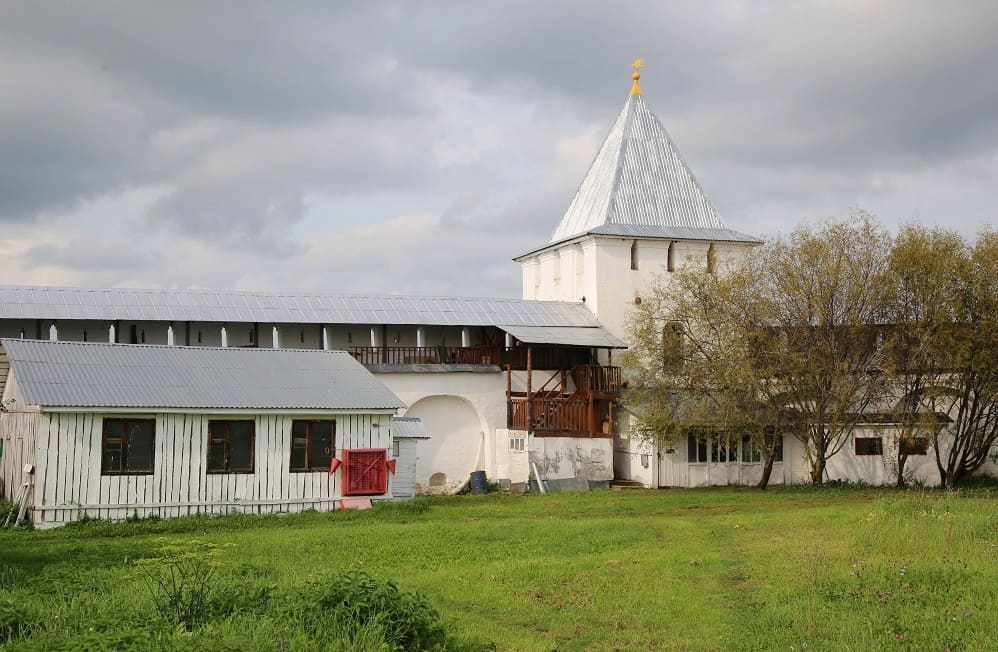
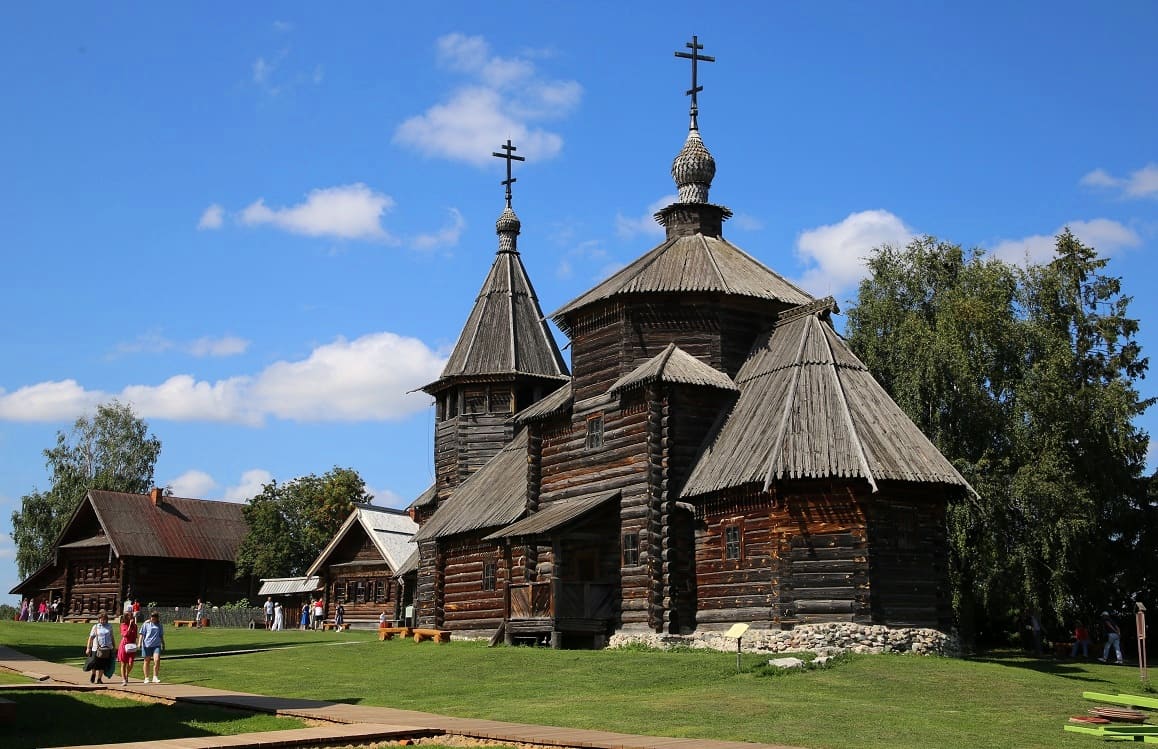
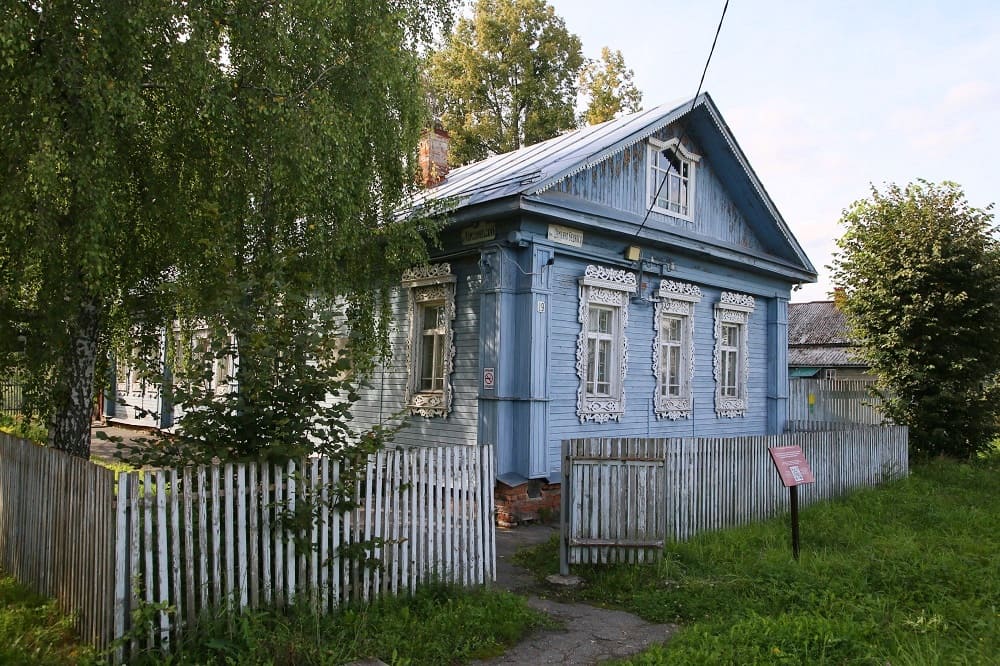
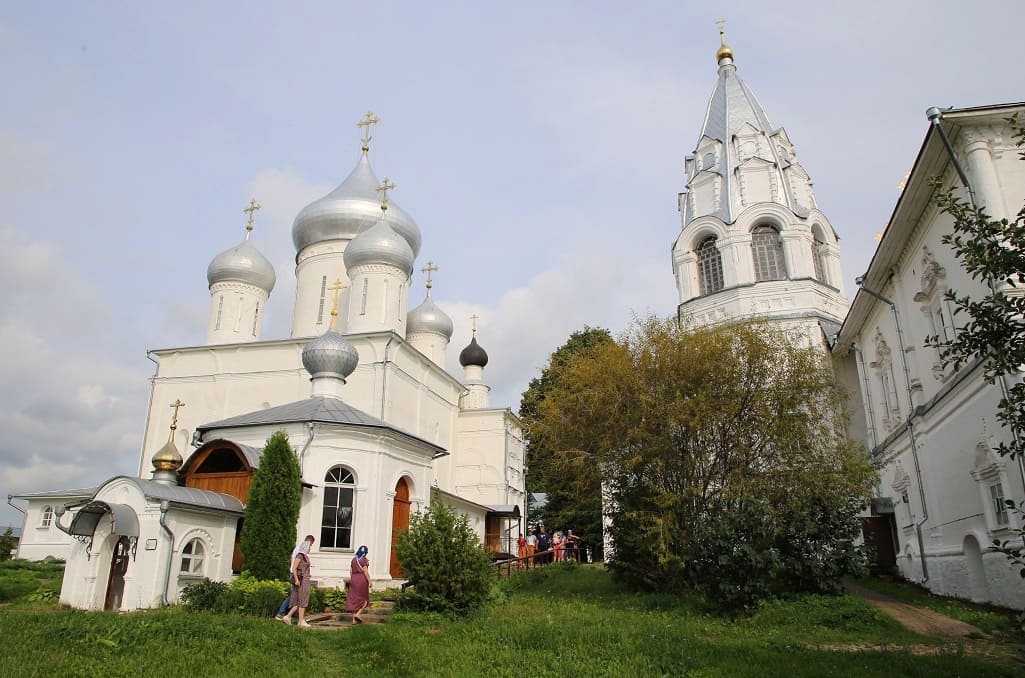
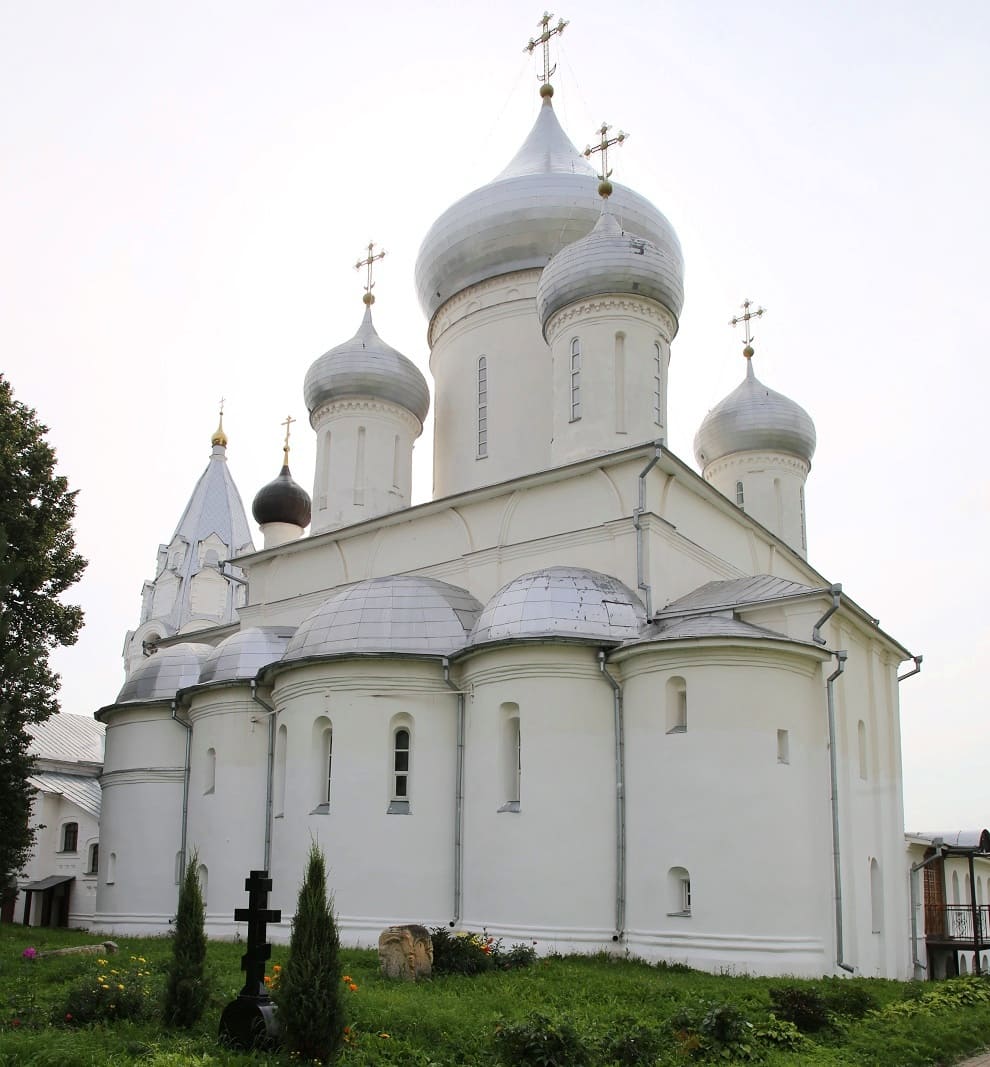
The Nikitsky Monastery (Russian: Никитский монастырь) is one of the oldest monasteries in Russia, belonging to the Pereslavl Diocese of the Russian Orthodox Church. It is located on the shores of Lake Pleshcheyevo, on the northern outskirts of Pereslavl-Zalessky. The monastery is dedicated to the Holy Great Martyr Nikita of Goth. It houses the relics and chains of the holy Venerable Nikita the Stylite.
According to a legend in the Book of Degrees, Prince Vladimir Svyatoslavich bequeathed the Rostov-Suzdal region to his son Boris. The monks consider the year 1010 to be the year the monastery was founded. At that time, Boris and Bishop Hilarion built the first churches on the shores of Lake Pleshcheyevo, establishing Christianity in pagan lands. It is possible that one of these churches marked the beginning of the future monastery.
History
The Nikitsky Monastery is not mentioned in pre-Mongol literary sources. Nikita the Stylite’s time of life also remains controversial. For example, Yevgeny Golubinsky believed that his activities date back to the period of the Tatar-Mongol yoke.
In the 15th century, one of the monks of the Nikitsky Monastery wrote a Life of St. Nikita. It was later supplemented with a description of the miracles performed by the saint after his death. The Life indicates that Nikita of Pereslavl lived there at the end of the 12th century. The Life mentions people who were healed by the saint: Mikhail Vsevolodovich, the son of the Prince of Chernigov, and Ivan, the son of Ivan Vasilyevich the Terrible. In memory of Mikhail’s healing, the Chernigov Chapel was erected at the monastery (the current building was constructed in 1702).
At the turn of the 15th and 16th centuries, the future founder of the Pereslavl Trinity-Danilov Monastery, St. Daniel, lived at the monastery for a time.
The monastery flourished during the reign of Abbot Vassian, when it attracted the attention of Ivan the Terrible. The Tsar prepared the monastery as a backup oprichnina fortress in case the Alexandrovskaya Sloboda became untenable. Ivan the Terrible and his family frequently made pilgrimages to the monastery. Between 1560 and 1564, he ordered the construction of a new cathedral—a five-domed church.
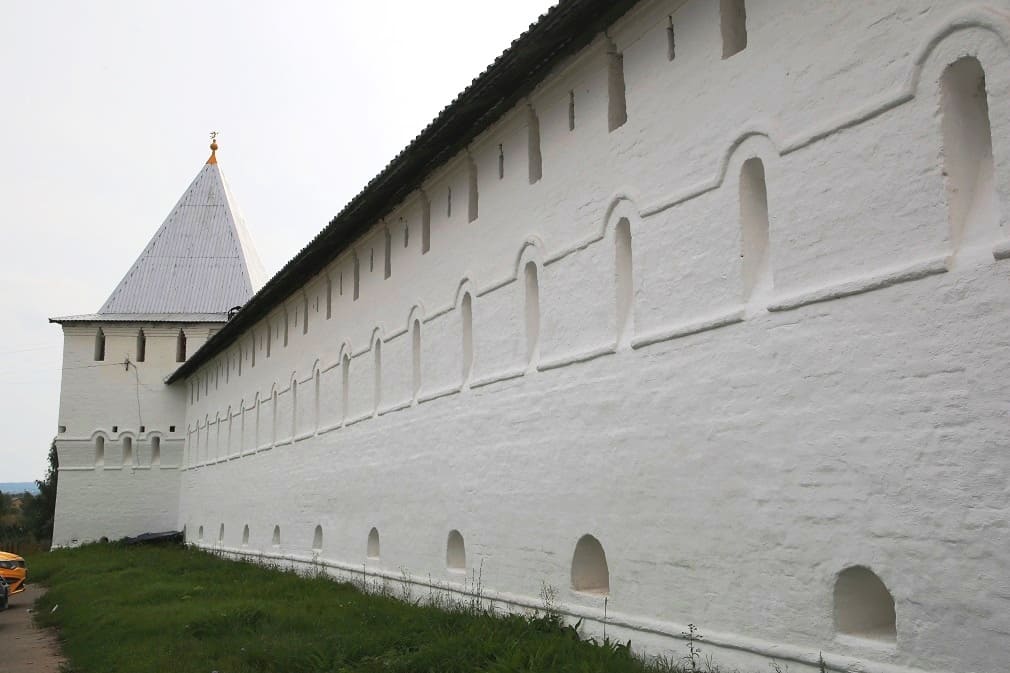
The monastery walls withstood a Polish siege in 1609, but were captured and severely damaged in 1611. Lithuanian cannons remained on the monastery grounds (two survive and are now on display in the Pereslavl Museum). The monastery was restored with the participation of the Romanov royal family.
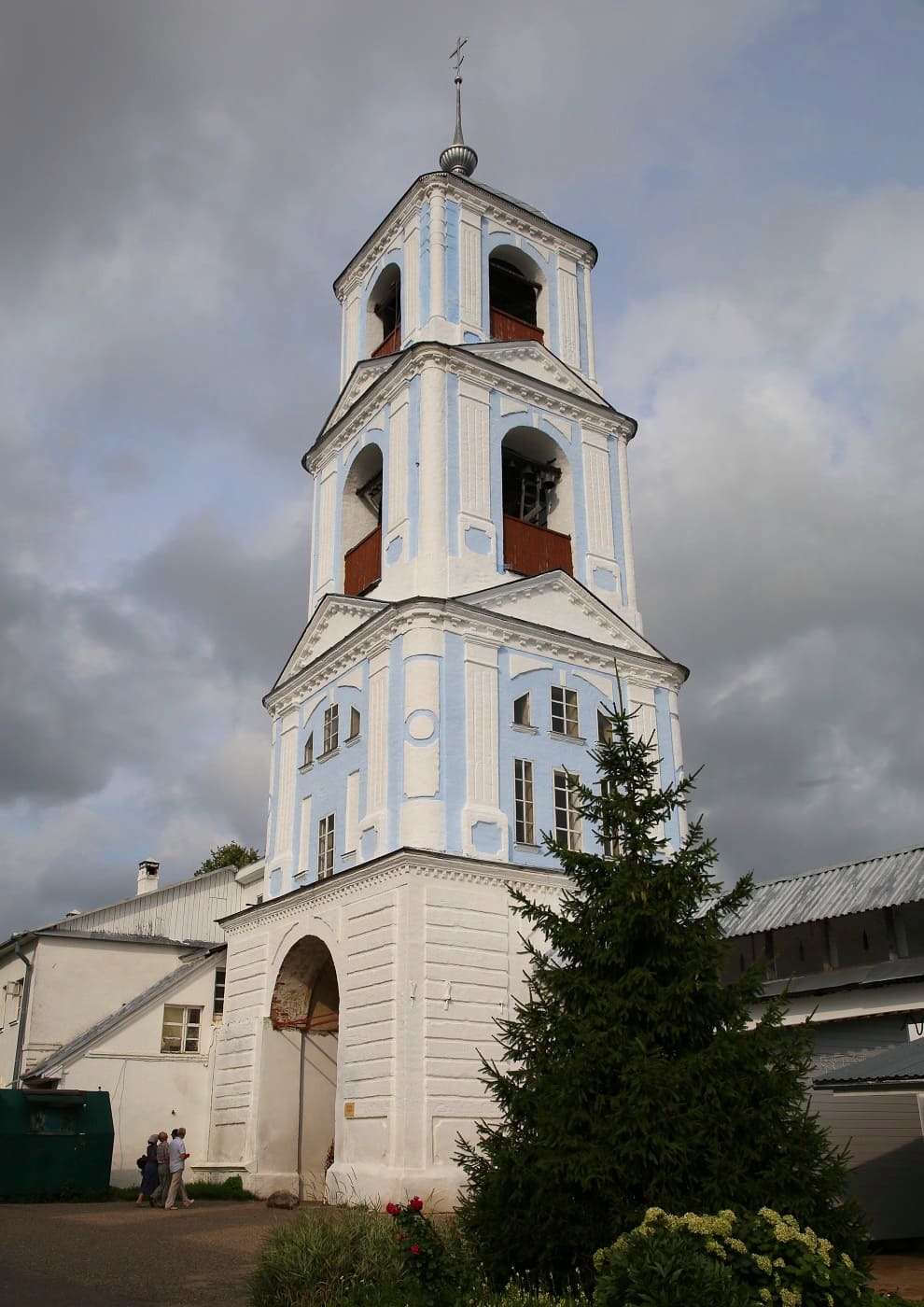
In 1918, the monastery’s property was nationalized. The monastery was formally liquidated in 1923, and its valuables were transferred to the museum. At various times, the monastery grounds and buildings housed a rest home for scientists, a school, residential apartments, a municipal housing office, and a women’s colony. In 1933, the iconostasis of the Nikitsky Cathedral was burned.
In the 1960s and 1970s, the Nikitsky Cathedral, the monastery’s oldest structure, was restored.
The full restoration was completed in 2013.
How to get to?
From Pereslavl: 7 min (4 km) via 78К-0043
From Yaroslavl: 2 hr (120 km) via М-8
From Moscow: 2 hr 15 min (140 km) via М-8