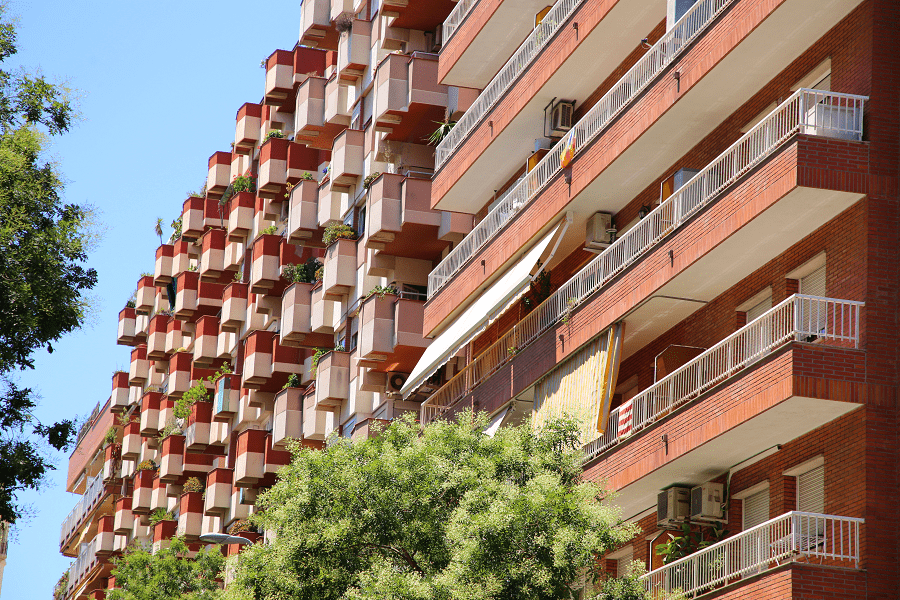
Avinguda del Paral·lel is a street in the city of Barcelona (Catalonia, Spain), which runs from the Drassanes Reials de Barcelona to Plaça d’Espanya. From the 19th century with its theaters, concert halls and entertainment infrastructure the street was the main place in Barcelona for holidays and leisure. Barcelona’s Parallel was equivalent in importance to Montmartre in Paris. Today, it would be similar to London’s West End or New York’s Broadway.
In 2012, an exhibition was held at the CCCB that brought together the history and the entire social and cultural environment of the avenue, from its relationship with the most marginal sectors of society, residents of the neighborhoods to which the avenue was a border.
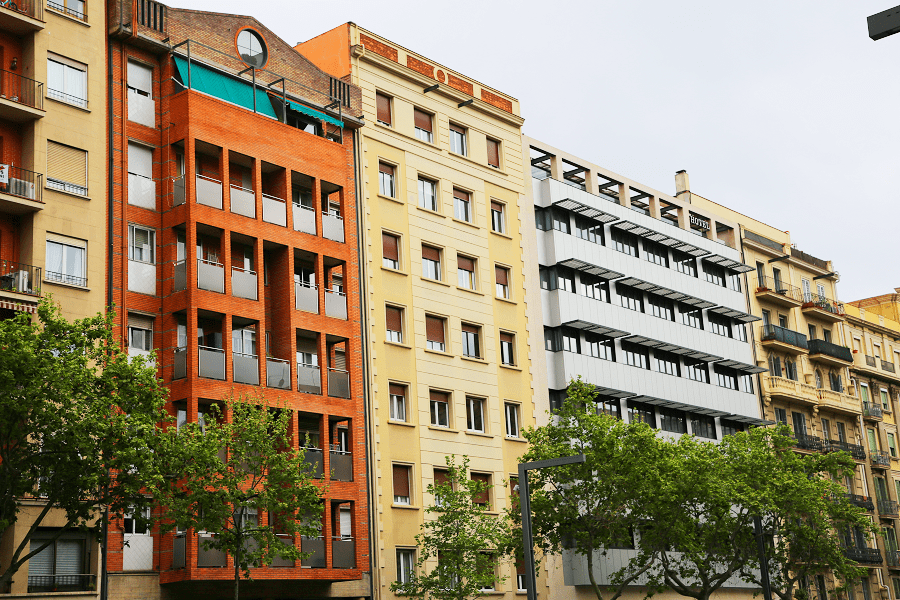
Todays the streets continues to be one of the main streets of the city of Barcelona, dividing Ciutat Vella, Eixample and Sants-Montjuïc districts. It receives this name because it is (unlike any other street in Barcelona) parallel to the Equator (at 41°22′30″ North). It runs from Plaça d’Espanya, where the city’s exhibition halls are located, to the seafront, Plaça de la Carbonera and Barcelona port, dividing the neighbourhood of El Poble-sec, on the side of Montjuïc, from the neighbourhoods of Sant Antoni and El Raval. It was officially inaugurated on October 11, 1894.
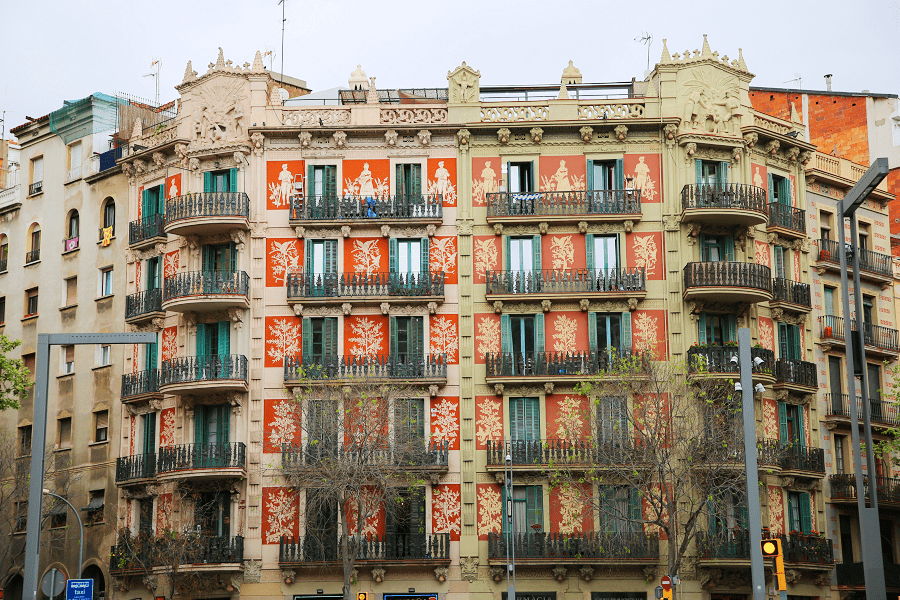
El Paral·lel, as the avenue and sometimes the surrounding quarter are called, is most known for theatres (as of 2009, there are three in the avenue, Apolo, Condal and Victoria, but there were many more), as well as cabarets and erotic shows, or the Sala Apolo. In the past it was the core of Barcelona’s nightlife, with music halls and other venues, but in the last two decades its importance has diminished greatly, in favour of the city centre and Eixample, and some urban decay is visible. El Molino, once one of the city’s most renowned cabarets, is being rebuilt.
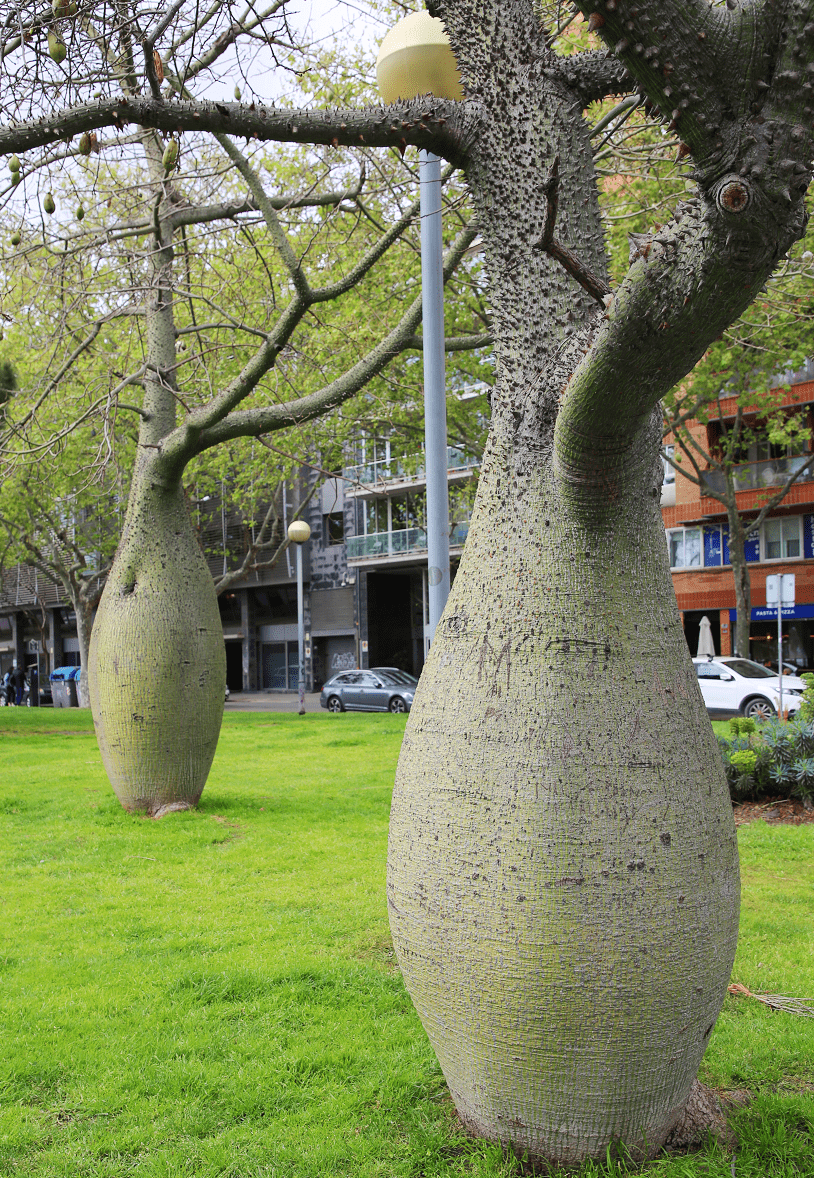
Transport
There are three stations of the Barcelona Metro network on the avenue: Paral·lel, on L2 (purple line) and L3 (green line); Poble Sec, on L3; and Espanya, underneath Plaça d’Espanya, served by lines L1, L3, L8 and a number of Baix Llobregat-bound Ferrocarrils de la Generalitat de Catalunya commuter lines (Metro del Baix Llobregat).
The Funicular de Montjuïc is accessed from Paral·lel station.
Barcelona full guide
- TOP architectural objects
- Barcelona monuments
- Barcelona museums
- Barcelona parks
- Barcelona beaches
- Barcelona restaurants
- Barcelona shopping
- Barcelona streets and squares
- Barcelona theatres and entertainment
- Barcelona FC and sport infrastructure
- Barcelona city card
- Barcelona transport
- Barcelona administrative division
- Barcelona climate
- Catalan travel guide