

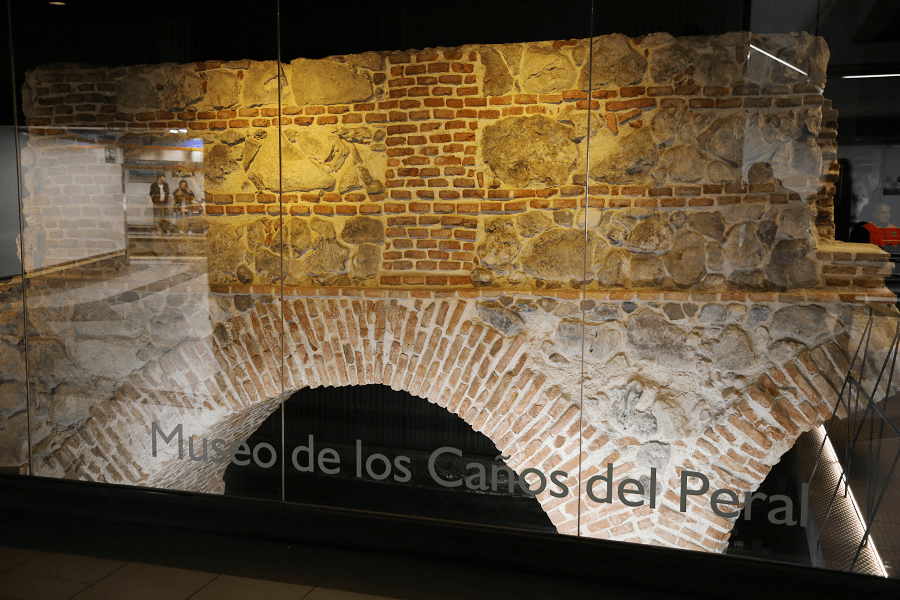
The Los Caños del Peral is an archaeological museum located in Madrid (Community of Madrid, Spain). All the pieces in the museum are original.
The Ópera Metro station (Madrid Metro), located ten meters beneath the Plaza de Isabel II, features a museum that recreates the historic Caños del Peral fountain. Visitors can explore the fountain, which collected spring water adjacent to the Arenal stream in the late 16th century, along with a barrel-vaulted supply gallery, local sewers, and an aqueduct that provided water to the Royal Palace from the 17th century until nearly the 20th century.
This museum serves as a glimpse into the historical importance of water supply systems in Madrid, showcasing the original 34-meter structure of the fountain and the intricate engineering that supported the city’s water needs over several centuries.
Collection
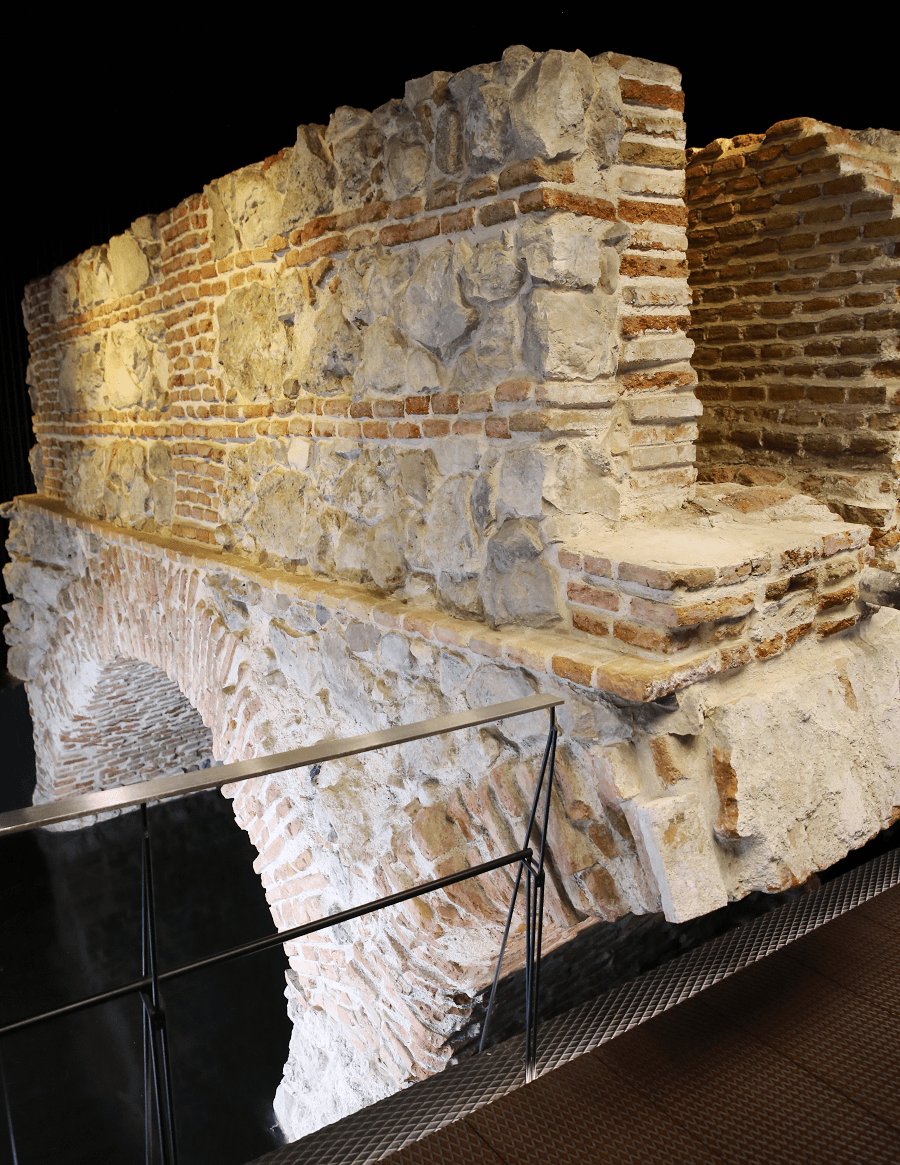
Amaniel Aqueduct
The plumbing work carried out by both the Palace and Villa plumbers was essential for supplying water to Madrid’s residents. This skilled trade, handed down through generations, ensured the ongoing maintenance and layout of the Amaniel waterway, initiated by Domingo García, the Palace plumber, and continued by his descendants.
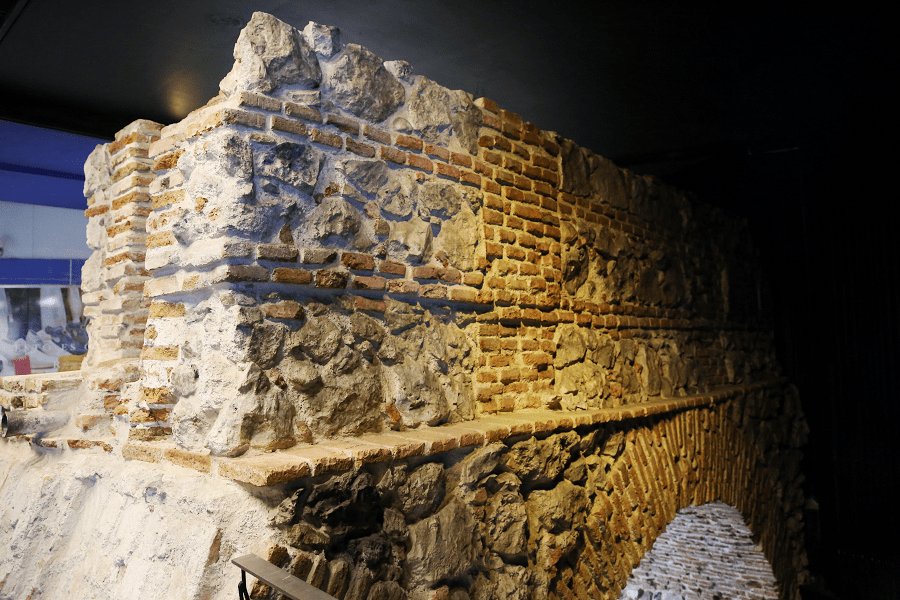
The Amaniel Aqueduct, constructed in the early 17th century, was designed to span the deep ravine located in Caños del Peral square. This engineering feat enabled the installation of pipes that transported water from the Dehesa de Amaniel area in Moncloa-Aravaca to the Royal Palace in Centro, covering a distance of just over 4 kilometers.
In the early 18th century, a special tax was introduced that impacted many beneficiaries of the waterway, with the revenue generated being allocated for the maintenance costs of the journey.
The Amaniel Voyage continued to be utilized until the 20th century, at which point it was deemed that the water supply from these old voyages was no longer necessary.
Arenal Sewer
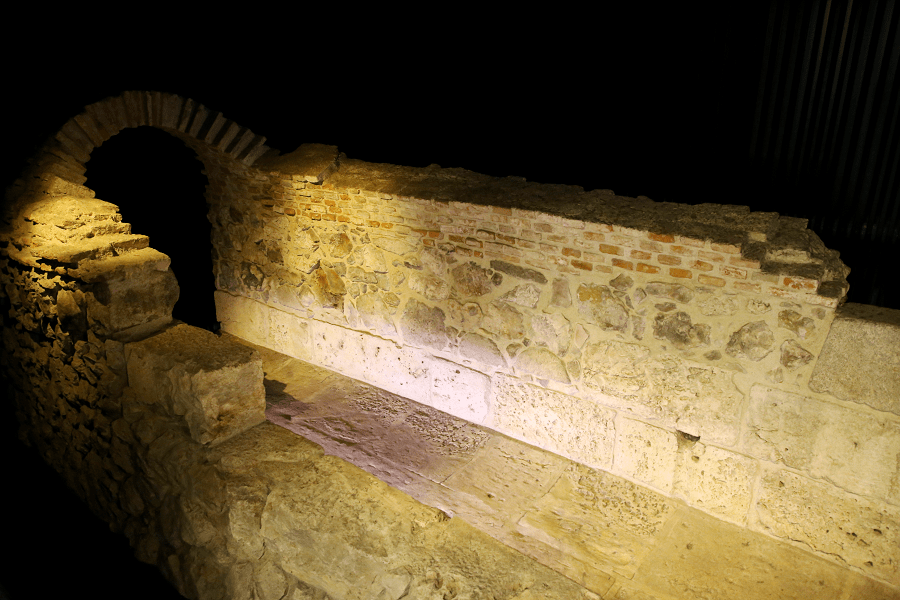
The Arenal sewer, originating from Puerta del Sol, traversed Caños del Peral square towards the present-day Arrieta street, creating a deep ravine that has influenced the development of this part of Madrid for centuries.
Unregulated construction near the stream during the Middle Ages, along with waste dumping, led to frequent flooding of the riverbed.
In the 16th century, the relocation of the court to the town prompted urbanization efforts in the areas east of the Alcázar. This development included channeling a stream, which led to the creation of the Arenal Sewer and the filling of the ravine it produced.

By the early 17th century, the mouth of the sewer near the Peral washhouses was moved forward to the parapet of the square. This diversion was implemented to prevent the constant flow of water from impacting the square’s enclosure.
During Carlos III’s reign, urban hygiene policies experienced significant advancements, largely through the implementation of sewer systems and the establishment of public mines for wastewater disposal. One notable project, the Alcantarilla del Arenal, was integrated into the broader sanitation framework, enhancing its path towards Calle de Alcalá.
Caños del Peral
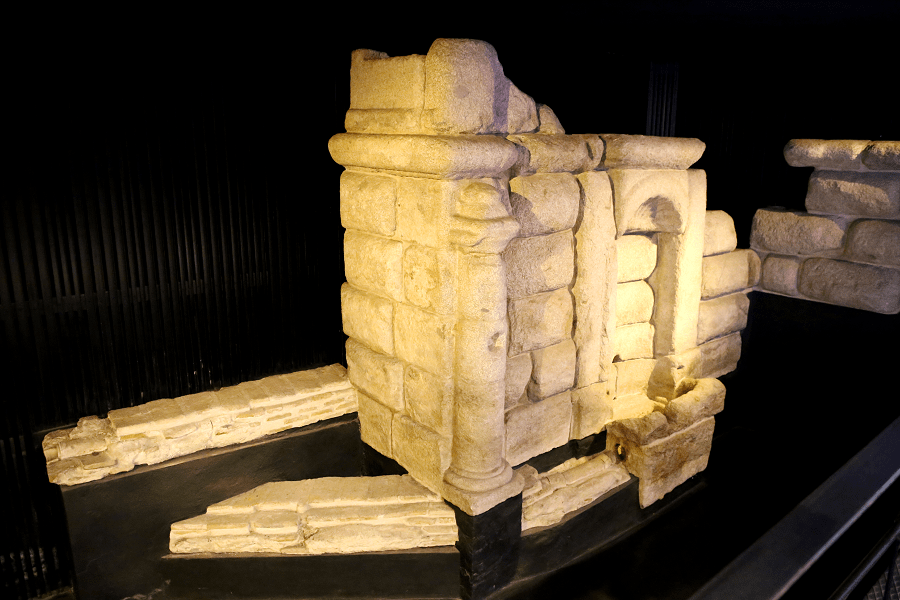
The Caños del Peral fountain, constructed in the latter half of the 16th century, was designed after diverting a spring near the Arenal stream. The project involved the Royal Architect Juan Bautista de Toledo, highlighting its significance in architectural history.
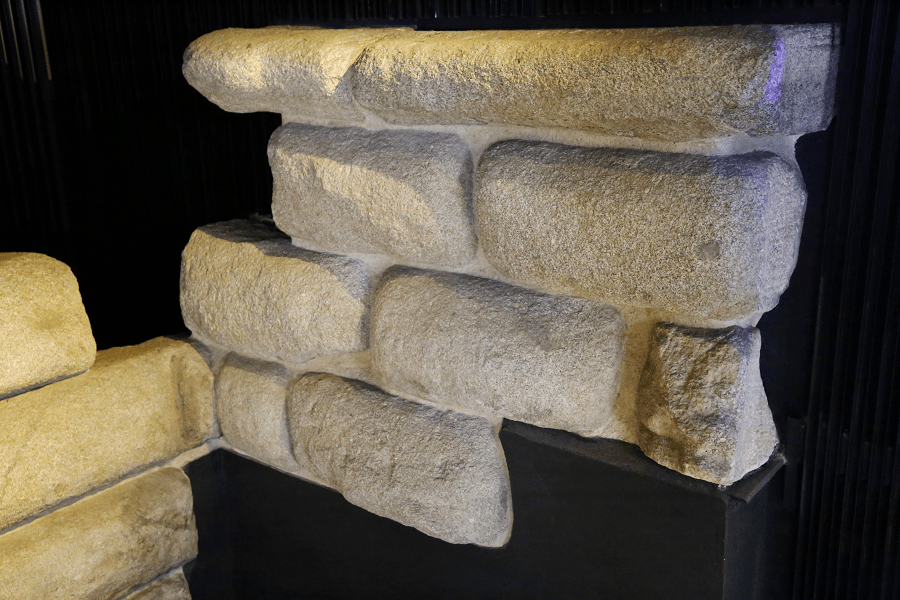
This fountain features an “L” shape extending 34 meters and includes six pipes (fountains) along with their respective basins. The grand façade, made of granite ashlars, reflects the Renaissance style that was popular during its time of construction.
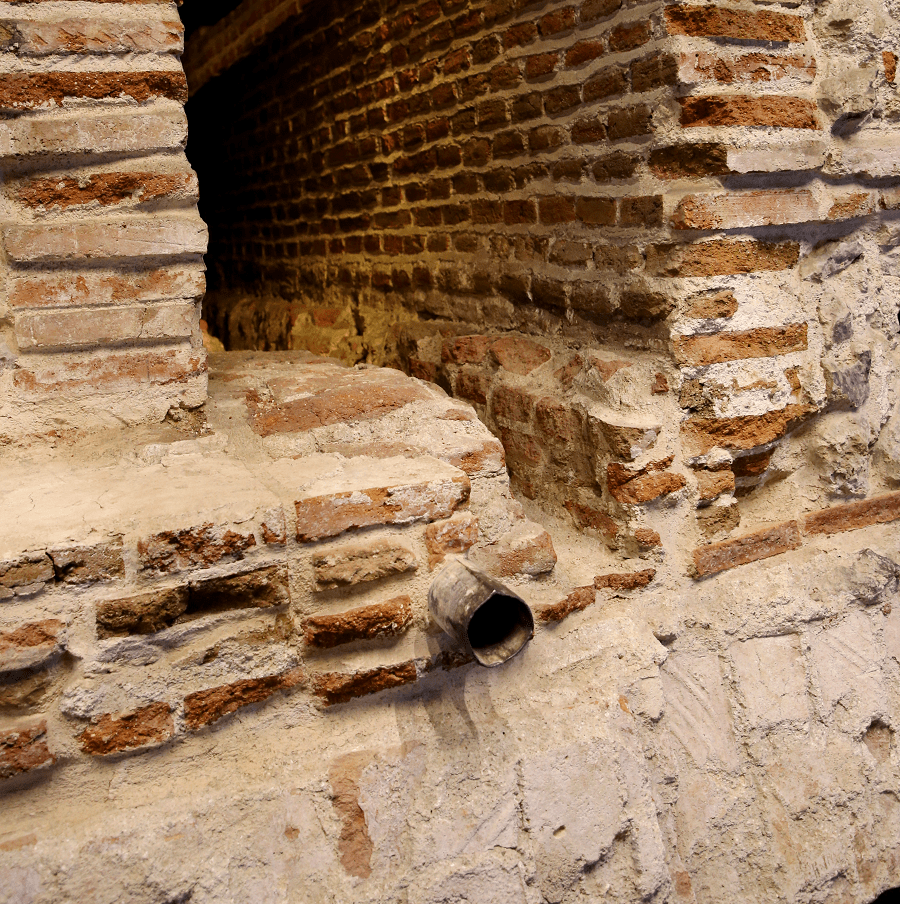
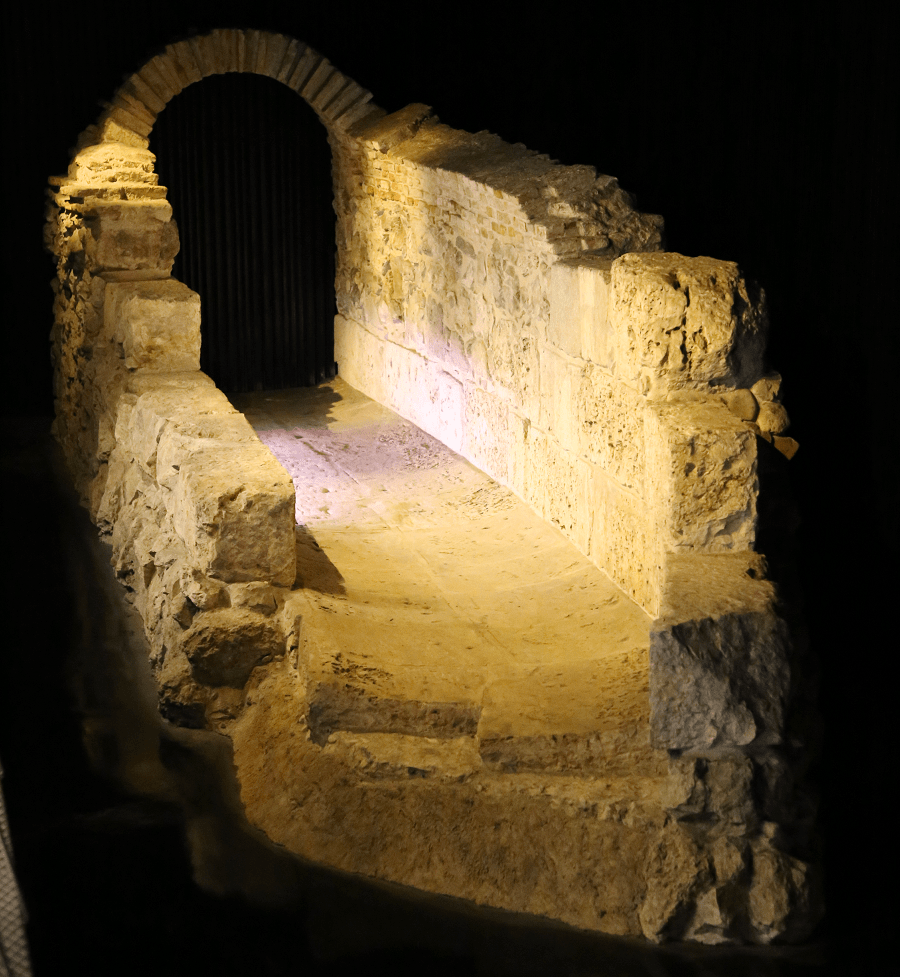
The supply gallery features a continuous barrel vault and includes five basins along its west wall, designed to collect, decant, and expel water through fountain jets. This water flows through a channel on the opposite wall, connecting to the basins via a ceramic pipe.

Once collected in the basins, the water is directed away from the square through underground pipes made of baked clay or open sewers, ultimately reaching the Arenal stream.
The fountain was situated in a quaint cobbled square surrounded by tall walls, serving as a gathering point for water carriers and townspeople waiting to fill their jugs.
Water carriers, primarily from the Galician and Asturian regions, played a vital role in supplying and selling water from the fountains to local households, utilizing donkeys for transportation. This trade remained essential to the community well into the 20th century.
Price and hours of working
Guided tours are available by appointment at no cost, requiring a transport ticket for participation. Each tour is led by a free specialized guide, accommodating up to 28 individuals per group and lasting around 30 to 40 minutes.
Additionally, the tours are adapted for individuals with reduced mobility, ensuring accessibility for all participants.
- Friday: 4:00 p.m. – 8:00 p.m.
- Saturday: 10:00 a.m. – 2:00 p.m. / 4:00 p.m. – 8:00 p.m.
- Sunday: 10:00 a.m. – 2:00 p.m.
How to get to ?
Los Caños del Peral is located on Tarifa 1 and Tarifa 2 zones. Prices start from 2.5 € and then 1.3€/km.
Los Caños del Peral is located on Plaza Isabel II, 1.
Coordinates: 40°25’05.2″N 3°42’32.7″W
Madrid: full guide
- Administrative structure
- Architecture
- Churches and Cathedrals
- Entertainment
- Monuments
- Museums
- Parks and gardens
- Restaurants
- Shopping and markets
- Squares
- Streets
- Transport
See here Pyrenees travel guide
See here France travel guide
See here Spain travel guide




