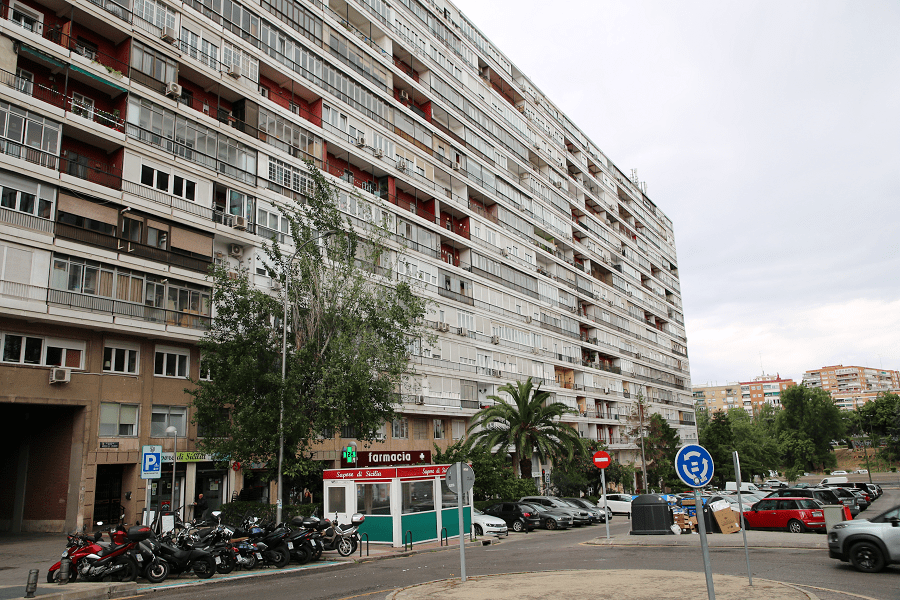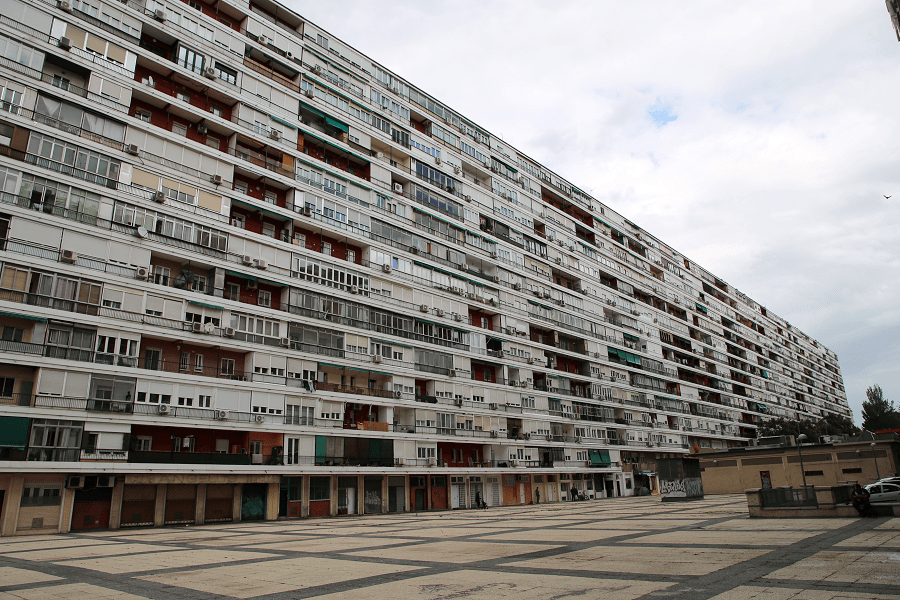
Ciudad Lineal is the 15th of the 21 districts that make up Madrid, Community of Madrid, Spain, administratively organized into the neighborhoods of Ventas (15.1), Pueblo Nuevo (15.2), Quintana (15.3), Concepción (15.4), San Pascual (15.5), San Juan Bautista (15.6), Colina (15.7), Atalaya (15.8) and Costillares (15.9).
History
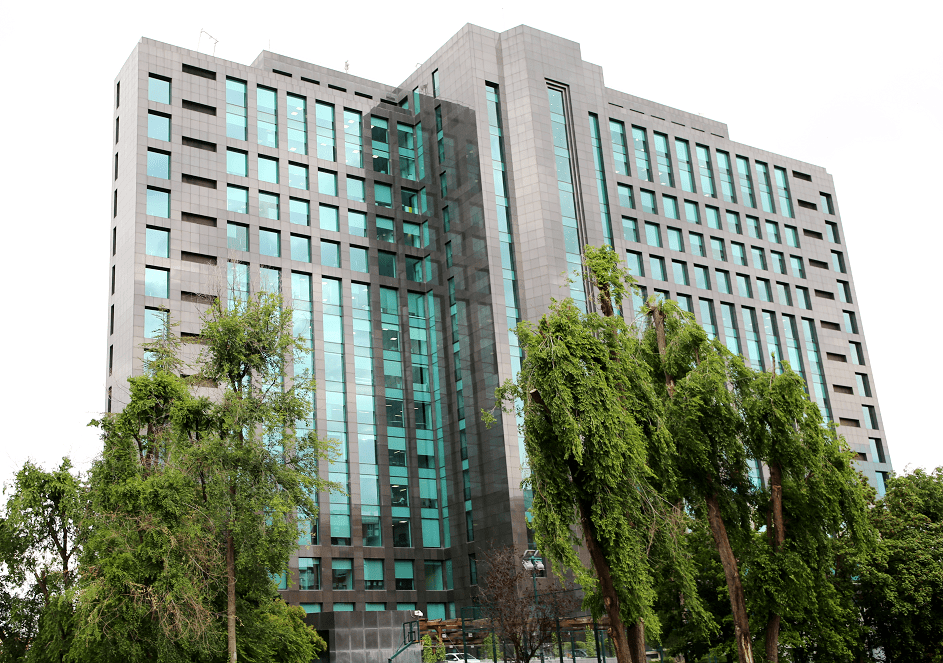
Its name, Linear City, comes from the model of organization of the same name devised by the Spanish architect Arturo Soria y Mata. The ‘Ciudad Lineal’ takes a form of a city 400 meters wide, centered on a tramway (line 70 – closed in 1972) and a thoroughfare running in parallel. The main street in the district, calle de Arturo Soria, bears his name. The city is the current headquarters for the flag carrier airline of Spain, Iberia. Mariano Belmás Estrada was one of the main architects in the early days.
Transport
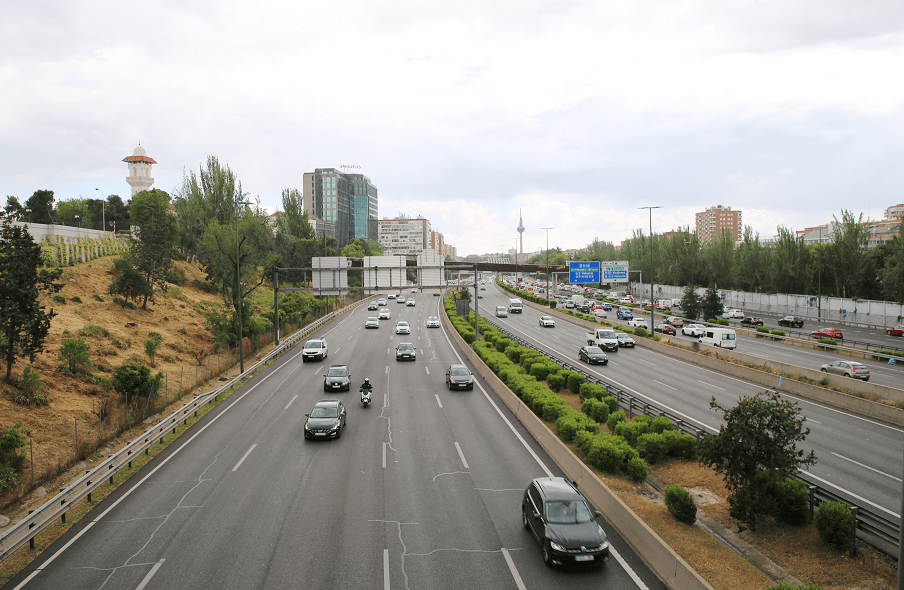
Due to the elongated shape of the district, it is a transit point for most of Madrid’s public transport communications.
The district does not have a commuter train station
The district is crossed by a large number of lines, although with few stations and no direct connection between them. The lines are:
- Line 1: Serves the northern end of the district with the Pinar de Chamartín station.
- Line 2: Runs through the southern part of the district under the Daroca and Nicolás Salmerón avenues. It serves the district with the La Elipa, La Almudena and Alsacia stations.
- Line 4: This line intersects with the district twice. First on its route under José Silva street (with the Avenida de la Paz and Arturo Soria stations) and then at the Pinar de Chamartín terminal.
- Line 5: The line runs along Calle Alcalá with four stations in the district: El Carmen, Quintana, Pueblo Nuevo and Ciudad Lineal.
- Line 7: This line serves the central area of the district with the stations Barrio de la Concepción, Pueblo Nuevo, Ascao and García Noblejas.
- Line ML1: This line serves the northern end of the district with the station Pinar de Chamartín.
- Likewise, line 8 runs under the district without stopping.

As with the metro, the district is served by a large number of EMT lines. The most important is line 70 as it is the line that connects most of the district (which lacks internal connections to the Metro).
Madrid: full guide
- Administrative structure
- Architecture
- Churches and Cathedrals
- Entertainment
- Monuments
- Museums
- Parks and gardens
- Restaurants
- Shopping and markets
- Squares
- Streets
- Transport
See here Pyrenees travel guide
See here France travel guide
See here Spain travel guide