

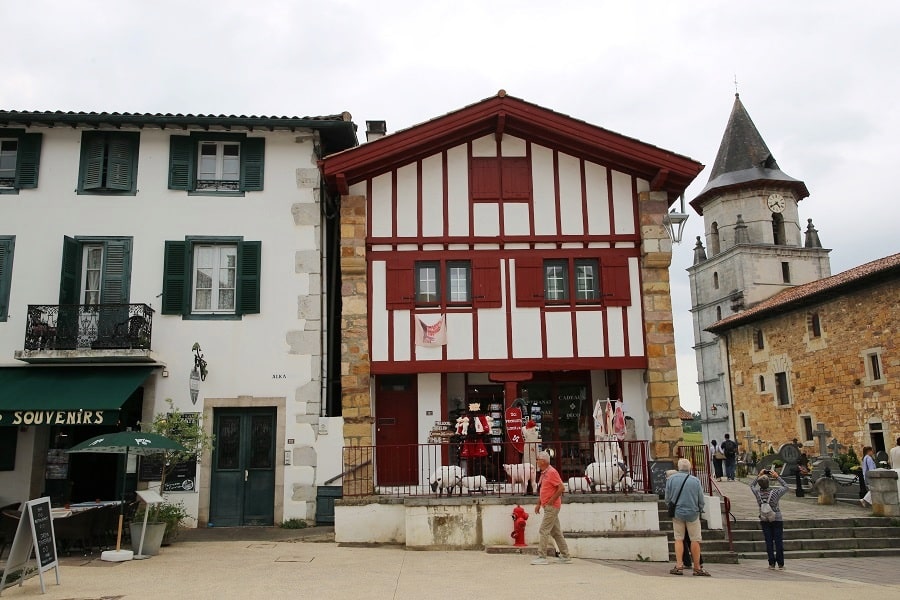
Ainhoa is a French commune located in the Pyrénées-Atlantiques department in the Nouvelle-Aquitaine region. It borders Spain (Navarre). It is also part of the Bayonne catchment area.
The nearest communes are: Souraïde (4.4 km), Espelette (5.6 km), Sare (6.6 km), Saint-Pée-sur-Nivelle (7.0 km), Itxassou (7.9 km), Larressore (8.6 km), Cambo-les-Bains (9.7 km), and Halsou (9.7 km).
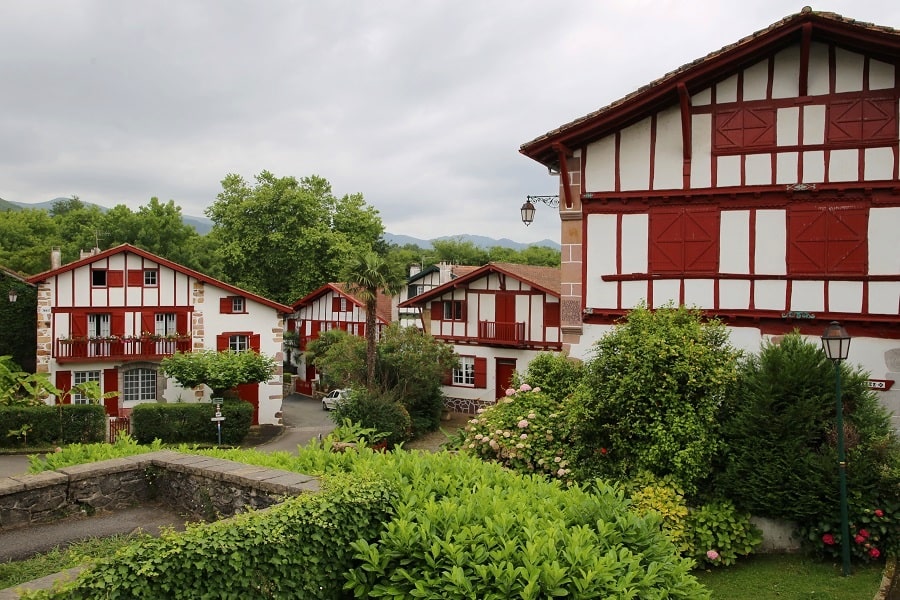
Historically and culturally, Ainhoa is part of the province of Labourd, one of the seven territories that make up the Basque Country (not to be confused with the Basque Community).
Located in the Adour watershed, the commune’s lands are watered by the Nivelle River and two of its tributaries, the Opalazioko Erreka and the Lapitxuri.
Tourism
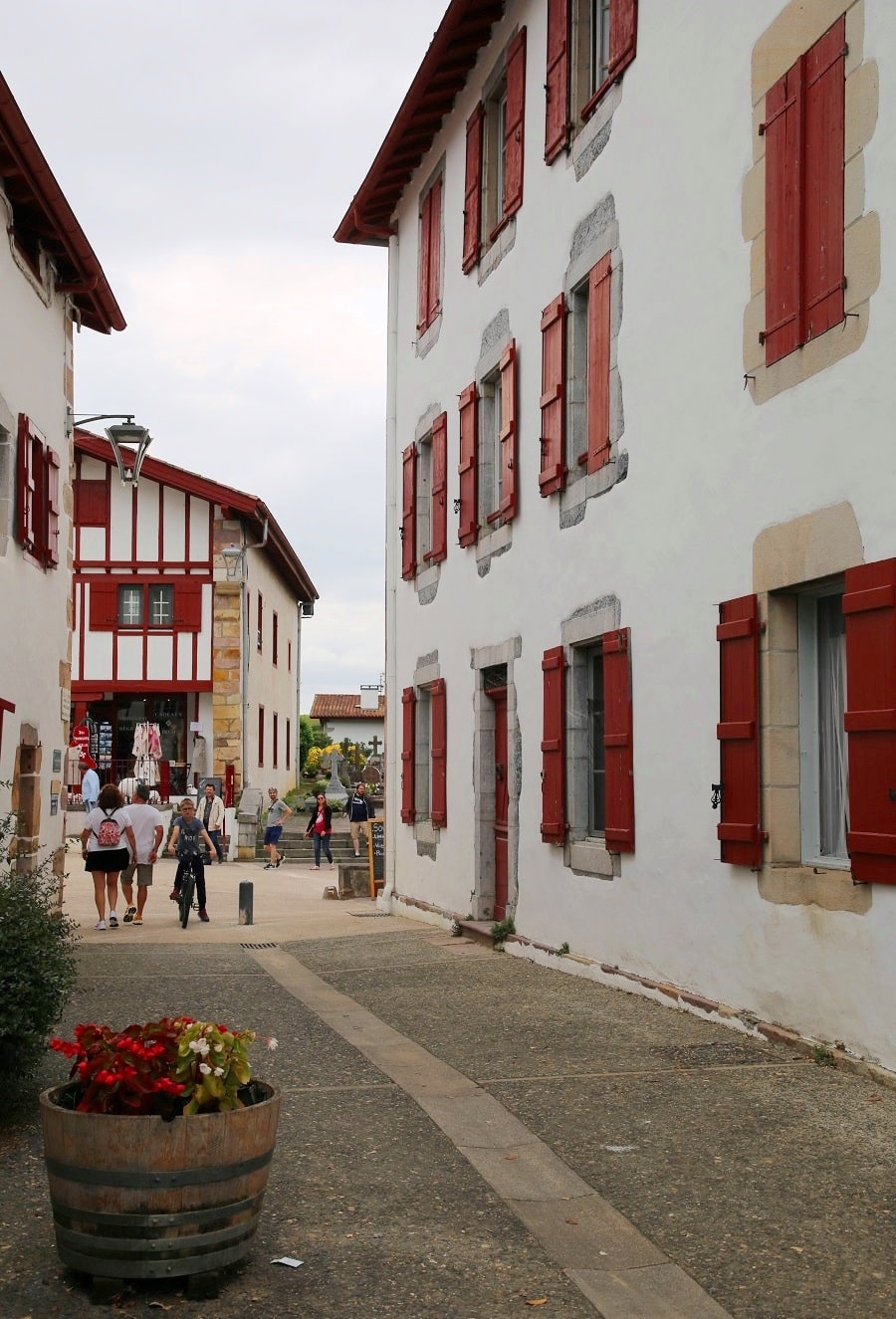
The commune has been awarded the label of the Most Beautiful Villages of France, awarded by an independent association that promotes the tourist attractions of small French towns rich in quality heritage.
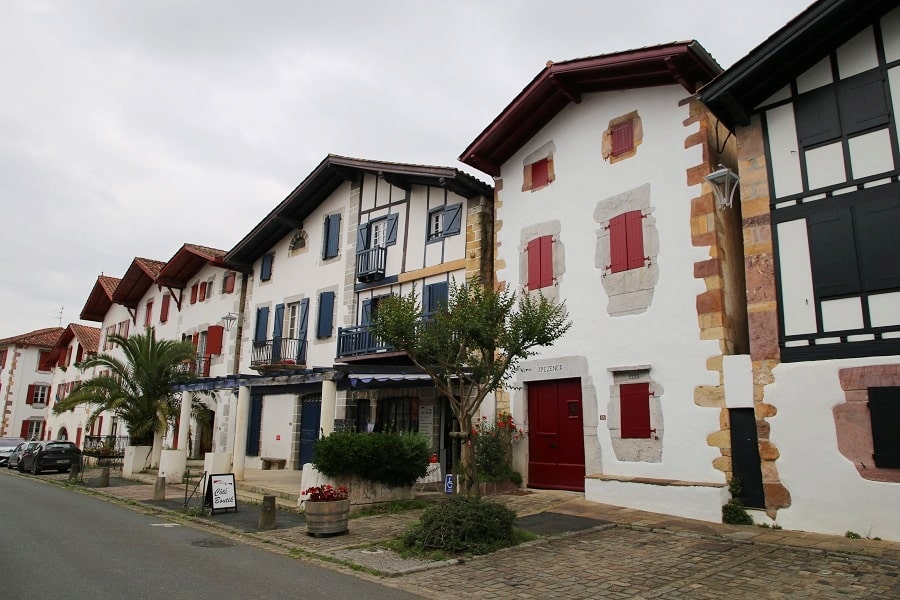
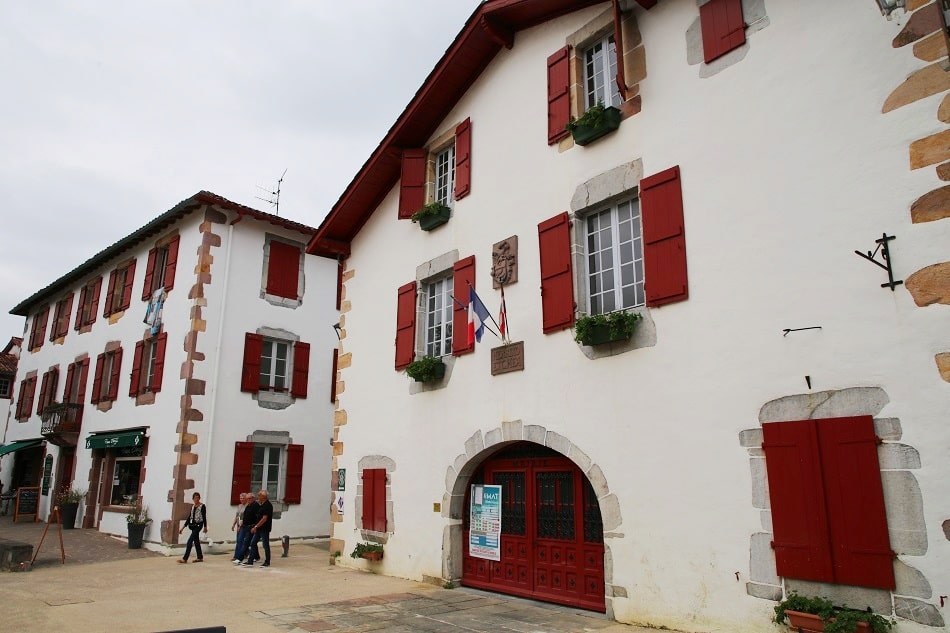
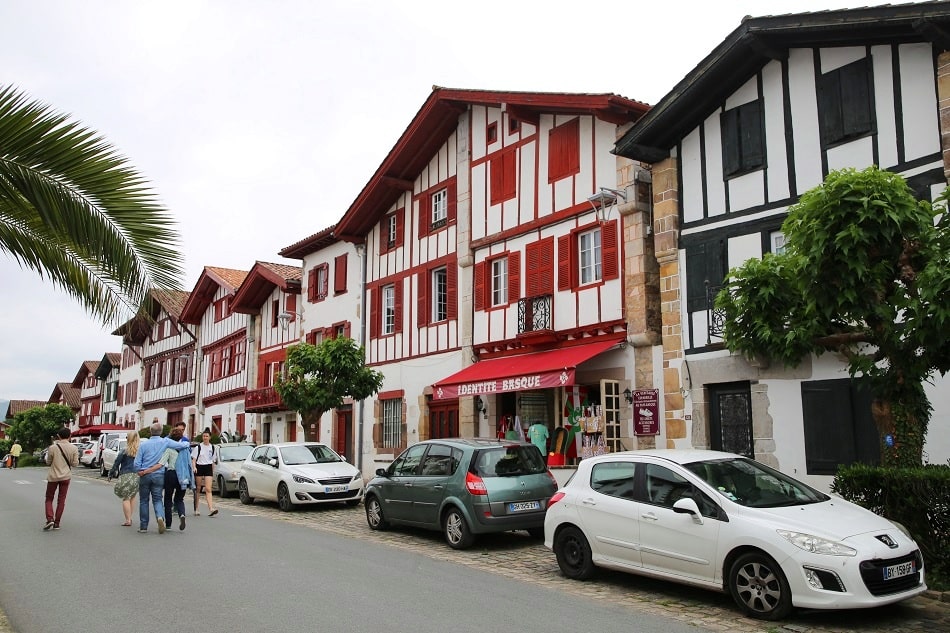
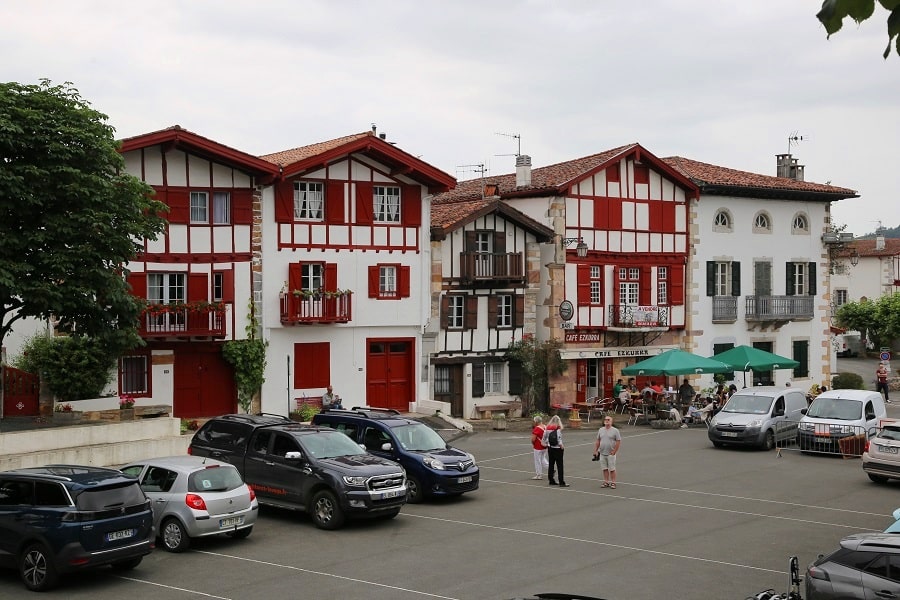
The village is organized into a bastide, containing 17th-century Labourdine houses and a pedimented open square that rests on the cemetery surrounding the church.
A washhouse (Alhaxurruta fountain), still standing between the village and the Dancharia district, was noticed by Napoleon III and Eugenie during an excursion on September 23, 1858.
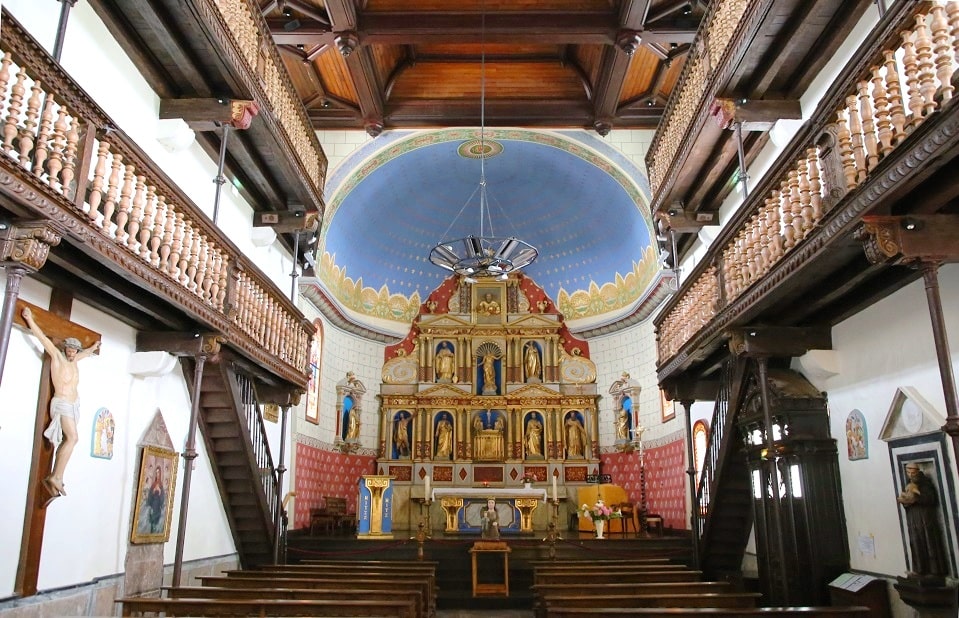
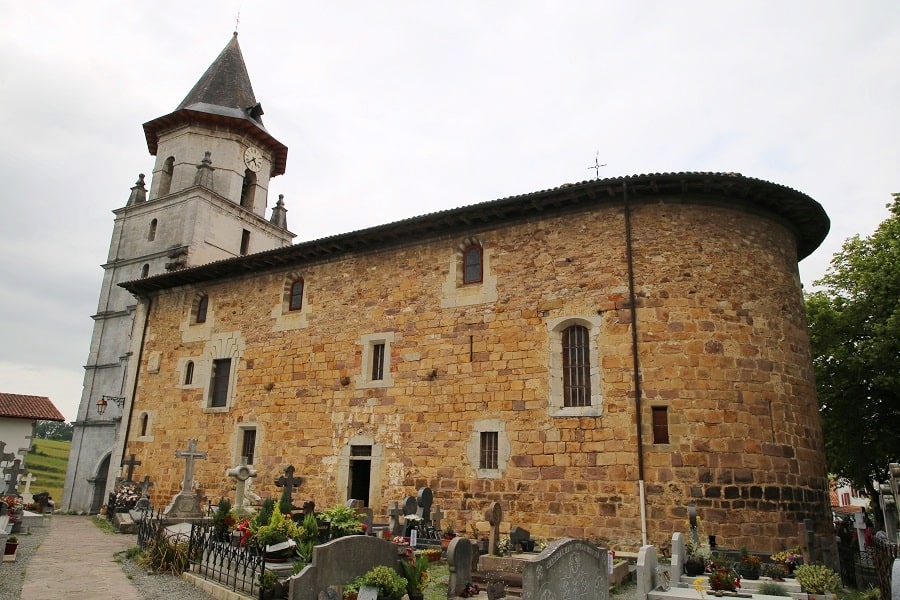
The Our Lady of the Assumption church dominates the village. Built in the 13th century, it has been listed as a historical monument since 1996 for its interior decoration. The church is dedicated to the Assumption of Mary.
The Notre-Dame-d’Aubépine chapel has had a Stations of the Cross (Via crucis) since 1886, a grotto since 1897, and a Calvary since 1898. In the 18th century, the parish of Ainhoa subsidized the chapel’s hermit to teach reading and writing to shepherds and children from the surrounding farms, who had no easy access to the village.
The Ainhoa forest, covering more than 400 hectares, is home to many different animals. You can find wild animals like deer, wild pigs, rabbits, and birds that migrate. There are also animals that live with people, like small horses, goats, and sheep. The forest is mostly made up of oak trees, which are big, strong trees. There are also some newer types of trees, like American oak and evergreens.
Transport
The city lacks a train station and a bus stop. Consequently, there are no public transport options.
By car (the only option)
From Pau: 1 hr 37 min (138 km) via A64
From Bordeaux: 2 hr 26 min (213 km) via A63
From Andorra: 5 hr 5 min (432 km) via A64
From Barcelona: 5 hr 40 min (562 km) via AP-2
From Paris: 7 hr 15 min (798 km) via A10
Main information
Area: 16.19 km²
Coordinates: 43°18’25.1″N 1°29’57.3″W
Population: 665
Language: French
Currency: Euro (€)
Visa: Schengen
Time: Central-European UTC +1
See here Pyrenees travel guide
See here France travel guide
See here Spain travel guide
See here Andorra travel guide




