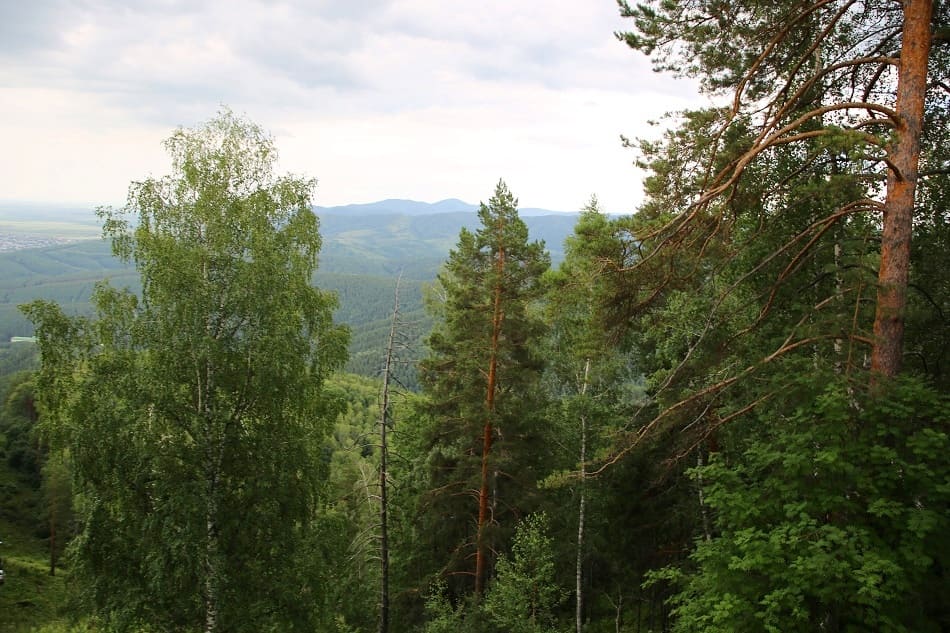
Barnaul, a city in Russia, is the administrative center of the Altai Krai (since 1937) and the urban district of the same name. The city’s population is 623,057 (2023), the fifth most populous city in Siberia, and the twentieth most populous in Russia. Located in the south of Western Siberia at the confluence of the Barnaulka River and the Ob, it arose in the 1730s and developed as a village at the silver smelter of Akinfiy Demidov.
A large transport hub, industrial, cultural, medical and educational center of Siberia, it has the status of City of Labor Valor.

History
The official year of Barnaul’s foundation is considered to be 1730, when Akinfiy Demidov resettled peasants to build factories. In 1739, construction of a copper smelter began, which led to the development of the city. In 1748, the chancellery of the Kolyvano-Voskresensky district was moved to Barnaul. In 1766, Ivan Polzunov built the first steam engine, in 1771 the city received the status of a mining city. By 1835, the population reached 9 thousand people, a library, theater and printing house opened. In 1893, the silver smelter closed, the city became a merchant center.
In 1917, a fire occurred, restoration was complicated by the Civil War. Soviet power was established in 1917, overthrown by the White Guards, and the city was finally taken by partisans in 1919. In the 1920-40s, industry developed, Barnaul became the center of the Altai Territory. During the war, factories were evacuated here, and about half of the cartridges for the Red Army were produced. Trams appeared in 1949, and trolleybuses in 1973. In 1980, the city celebrated its 250th anniversary and was awarded the Order of the October Revolution.
After the collapse of the USSR, the service sector developed and the development changed. In 2003, Zaton and Novosilikatny were included in the city limits, but in 2005 they were restored as separate settlements.

Attractions: what to see?
See also monuments of Barnaul
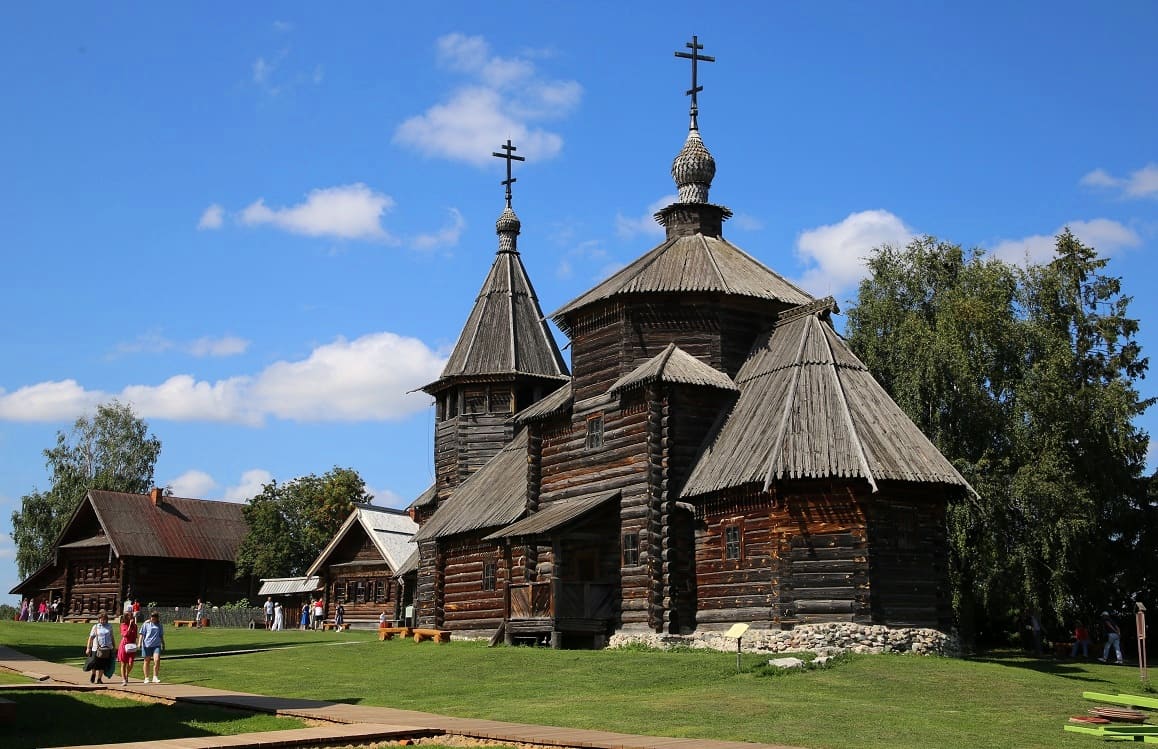
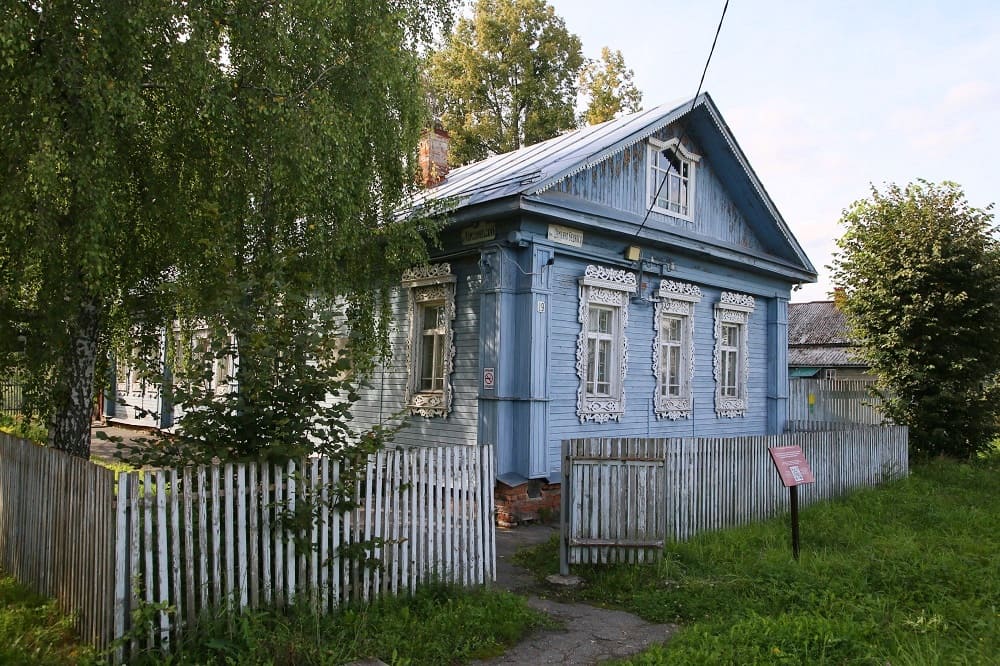
See also wooden architecture of Barnaul
The Znamensky Monastery is a women’s monastery of the Barnaul Diocese of the Russian Orthodox Church in Barnaul.
Nagorny Park is a historical park of the city. Initially, they planned to build a fortress on this hill, but fate decreed otherwise, and in the 1770s, people who died from the plague began to be buried here. The hill was used as a cemetery until the 1930s, and a new page in its history began in the mid-fifties. It was then that the development of the park began here along with the VDNKh pavilions, which existed until the collapse of the USSR. In its current form, the park appeared after reconstruction in 2013, since then becoming one of the best places for walks in Barnaul. At the top of the hill is the restored Church of St. John the Baptist, almost completely repeating the cemetery church destroyed in the 1930s.
Malo-Tobolskaya Street in Barnaul is one of the oldest commercial arteries of the city. Since the mid-18th century, it has become the main commercial street. One of the striking architectural monuments of the street is the house of the merchant Sukhov, built in 1880. Today, it is the oldest store in Barnaul. Nearby stands the Laletin House, the last building erected before the revolution.

Demidovskaya Square is one of the oldest squares in Barnaul, where a magnificent architectural ensemble of the first half of the 19th century has been preserved, including the Mining School and the Mining Hospital. In addition to architectural monuments, there is also an ordinary monument on the square – the Demidov Column. It was erected in honor of the centenary of mining in Altai.

The Town Hall, built in 1916, has now become the City Museum. It hosts exhibitions about the history of Barnaul, its industrial past, the life of townspeople, merchants and entrepreneurs.

“The House under the Spire” is a beautiful building with a turret on Lenin Avenue. It was built a little less than 70 years ago. At first, people lived here, and there were shops on the ground floors. Now it is one of the last examples of Stalinist architecture in Barnaul. The clock tower with a spire makes it especially noticeable among other buildings.

The Altai Museum of Archeology and Ethnography holds a rich collection of artifacts that reveal the culture, crafts, life and beliefs of local peoples. Some exhibits date back more than two thousand years, which makes them especially valuable for connoisseurs of ancient history.
The Altai State Puppet Theater “Skazka” is a theater in Barnaul and the Altai Territory. It was organized in 1938 as a touring team of puppeteers.

The House of Soviets is an administrative building in Barnaul, where the Administration of the Altai Territory is located. It is located at 59 Lenin Avenue, and is an important element of the main square of the city. According to the original design, a 16-story tower with a high spire was to rise in the center of the building. But this plan was not implemented. In 1961, a 4-story building of the regional executive committee was erected according to the design of Leningrad architects.

The State Art Museum of the Altai (until 1993 — the Altai Regional Museum of Fine and Applied Arts) is a museum in Barnaul. It is located in the Oktyabrya Square area in a building at 88 Lenin Avenue. However, due to reconstruction since 2012, the main building has been closed, and the exhibits are temporarily located at 16 Maksima Gorky Street.

The beautiful blue building with a balcony and heart-shaped columns at 11 Lenin Avenue is known as the Wedding Palace. However, its history began differently. The house was built at the end of the 19th century for the Malkov merchants. The family lived here until the beginning of the 20th century. The building was then leased to the Andronovsky entrepreneurs. They opened a tavern, which became the best in the city. The establishment occupied both floors. It had common rooms, separate offices, and even two billiards. Over time, the tavern turned into the Metropol restaurant.

Transport
Barnaul is a major transport hub, located on the approach from the federal highway P256 “Chuisky tract”. Here begins the federal highway A322 Barnaul – Rubtsovsk – the border with the Republic of Kazakhstan, which is part of the Asian route AH64. The railway station located in the city is the main one in the Altai region of the West Siberian Railway.
The Barnaul Airport is located 17 km west of the city. There is a cargo river port on the Ob. The passenger turnover of the Barnaul bus station is on average 4,500 people per day. The city is connected by bus services with all 60 districts of the Altai Territory, as well as with neighboring regions: the Altai Republic, Novosibirsk, Kemerovo, Tomsk regions. Regular bus services are carried out to several cities in Kazakhstan. City transport is represented by buses and minibuses, trams (8 routes) and trolleybuses (3 routes). The first tram was launched in 1948, the first trolleybus – in 1973.

Main information
Area: 322.01 km²
Coordinates: 53°19’52.4″N 83°47’26.0″E
Population: 621,598
Language: Russian
Currency: Russian Ruble (₽)
Visa: Russia
Time: UTC+7:00