


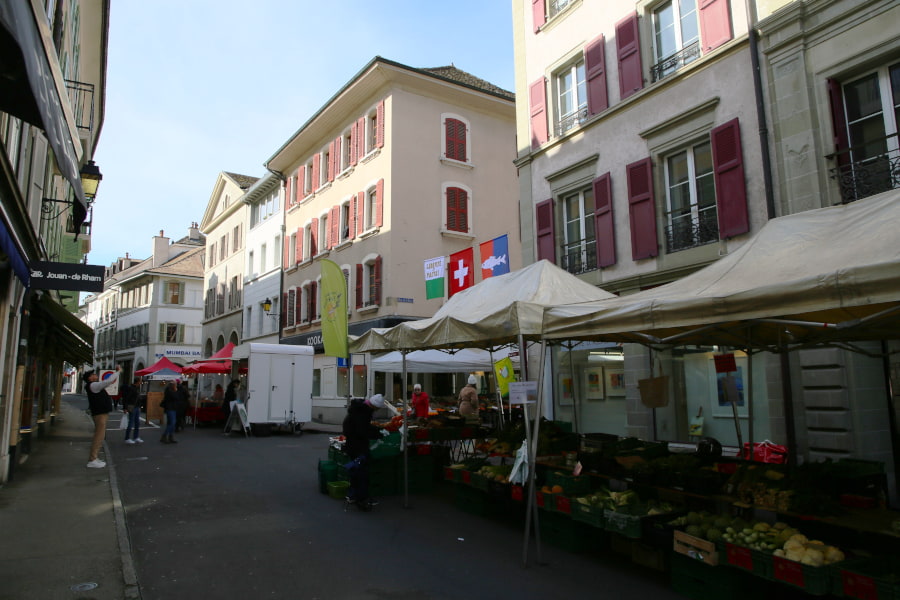
Nyon (German: Neuis or Neuss; Italian: Nione) is a municipality in the district of Nyon, in the canton of Vaud, Switzerland. It is located approximately 25 kilometers northeast of downtown Geneva and has been part of the Geneva metropolitan area since the 1970s.
It lies on the shores of Lake Geneva. The town has (as of December 2024) 23,351 inhabitants and is famous in the sports world for being home to the headquarters of the Union of European Football Associations (UEFA) and the European Club Association (ECA). It is connected to the rest of Switzerland by the H1 main road, the A1 motorway, and the Lake Geneva Arc railways.

History
Nyon is first mentioned around 367–407 under the name “civitas Equestrium id est Noiodunus” (in the Notitia Galliarum). In 1236, it is referred to as “Neveduni”, and in 1292 as “Nyons”.
It was founded by the Romans between 50 and 44 BC under the name “Colonia Iulia Equestris” or “Colonia Equestris Noiodunum”, whose urban center was called “Noviodunum”. It became one of the most important Roman colonies in present-day Switzerland, featuring a forum, a basilica, and an amphitheater that was only recently discovered in 1996 during excavations conducted for the construction of a new building.
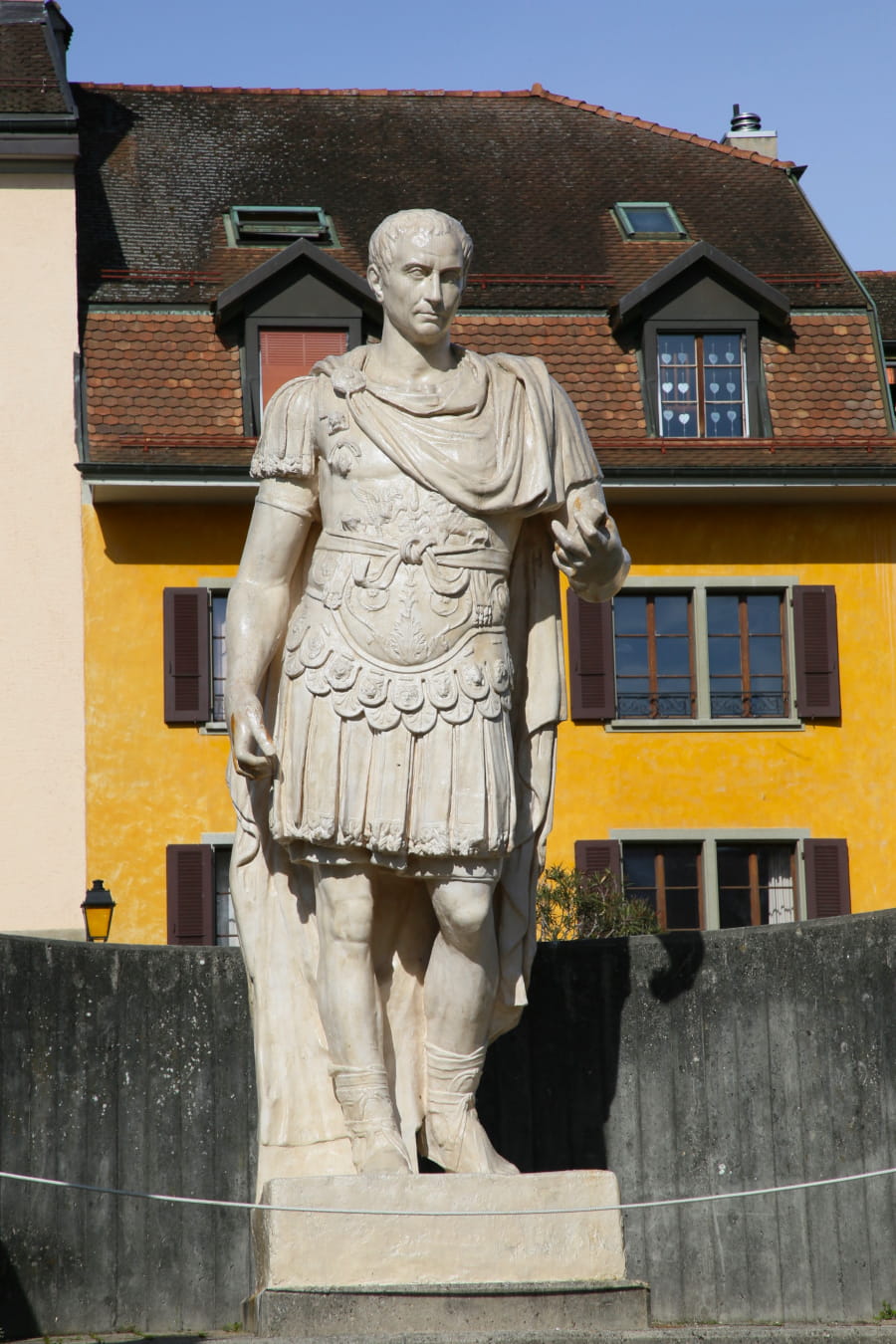
Noviodunum was part of an informal network of settlements radiating out from Lugdunum (now Lyon) and helping to control the Rhône Valley. Along with other Roman colonies in the region, it served to keep the Helvetii in check, who had settled there against their will following their defeat at the Battle of Bibracte in 58 BC.
After a long period of peace and prosperity, signs of crisis and general insecurity began to multiply at the start of the 3rd century. Following the Alemannic invasions of 259 or 260 AD, the city’s forum and public buildings were razed to the ground. The stone blocks were scattered throughout the Lake Geneva region. The stones were reused as building materials, particularly in Geneva, where about 300 of them were used to construct the city walls. But the settlement was not abandoned.
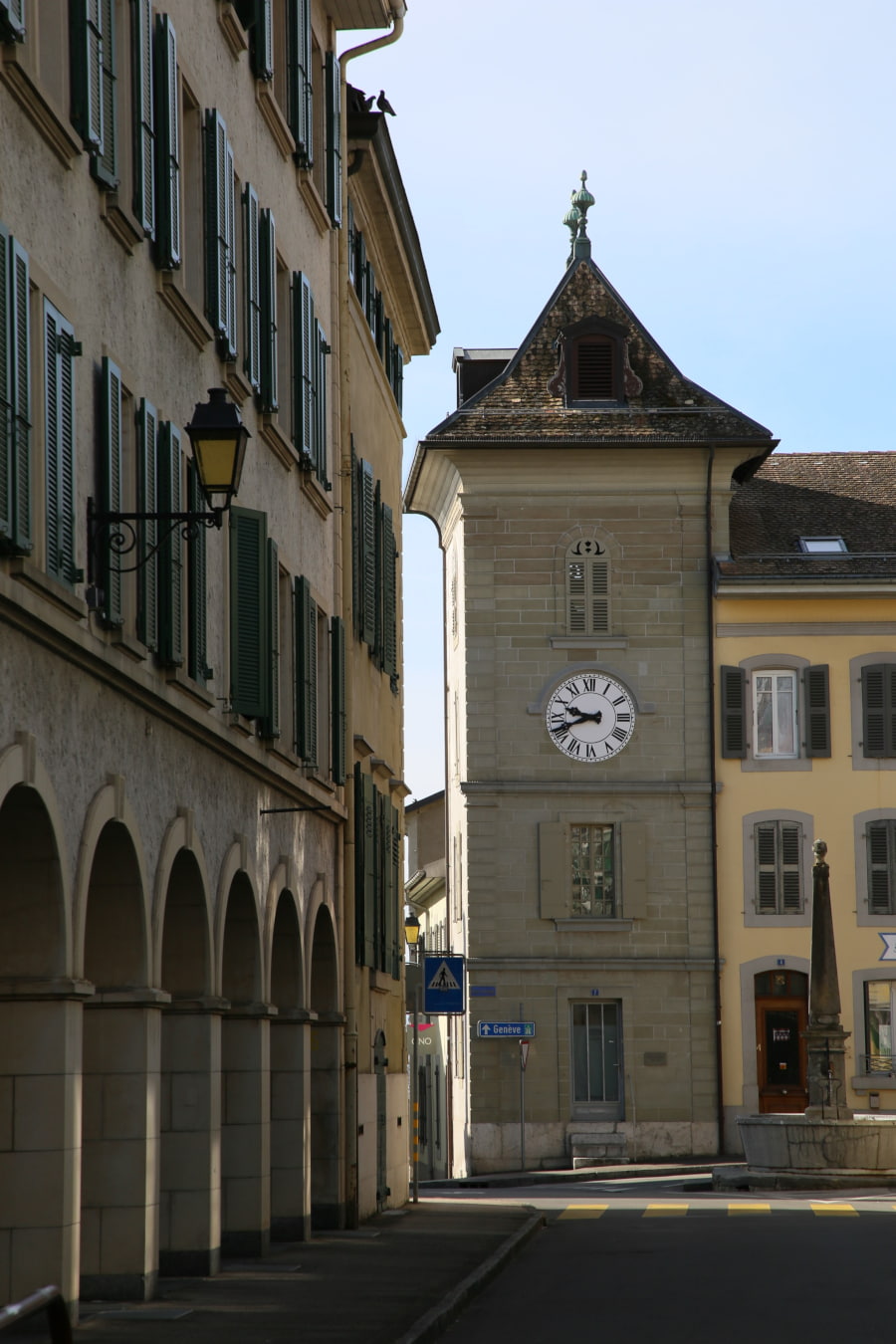
During the Carolingian period, Nyon belonged to the County of Geneva. In a charter dating from 926, Rudolf II of Burgundy mentions that this region was under the authority of a “comes de pago Equestrico.” Under the Second Kingdom of Burgundy, Nyon became independent from Geneva. In 1032, Rudolf III ceded Nyon to the Archbishop of Besançon. A market was built in 1211. In 1272, the Archbishop of Besançon confirmed Philip of Savoy’s right to exercise high justice in Nyon. In 1279, Aymon de Prangins rebelled unsuccessfully against the Counts of Savoy, but was forced to recognize Savoy’s authority over himself and over Nyon.
From 1323 onward, the municipal government consisted of eight magistrates and a mayor. Shortly thereafter, this government was replaced by a municipal assembly led by two mayors (syndics). The town hall is first mentioned in 1508.
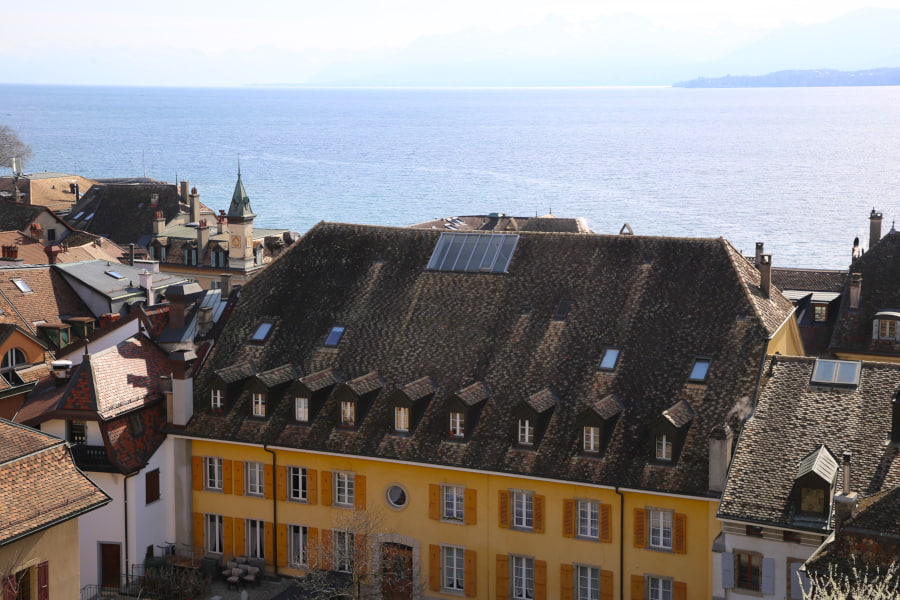
Nyon was elevated to the status of administrative center of a Bernese bailiwick in 1536. It remained the seat of the bailiff until the Vaudese Revolution of 1798. In 1568, an annual market was held for the first time. Between 1574 and 1580, the castle was converted into the bailiff’s residence.
The town was one of the most active centers of the revolutionary movement in the Vaud region. The councils of Nyon formed a supervisory committee and refused to swear an oath of allegiance to Bern on January 10, 1798. A few days later, they secured the support of French General Philippe Romain Ménard for the independence of the Canton of Vaud. When this declaration of support was transmitted from Nyon to Lausanne on January 24, 1798, it ultimately led to the Vaud Revolution.
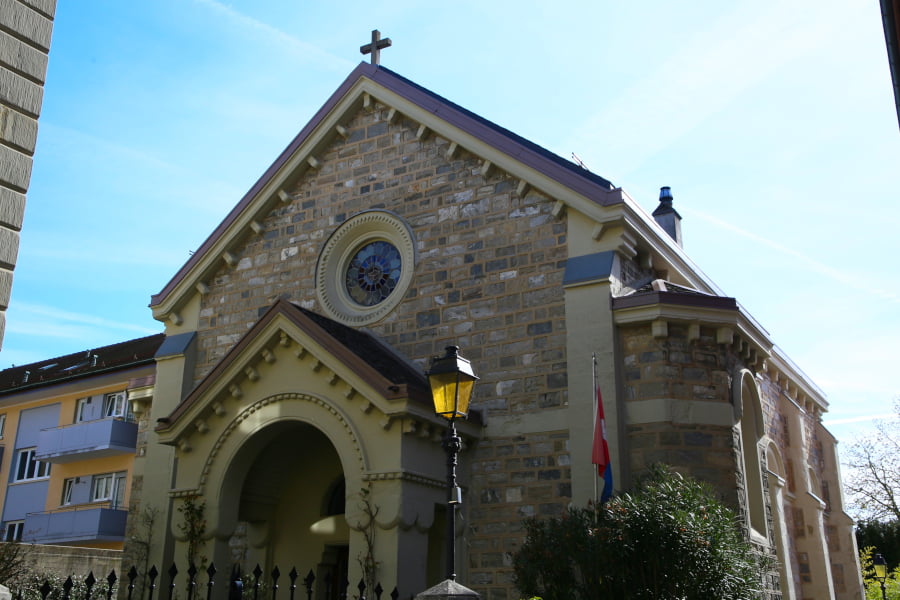
During the first half of the 19th century, the city continued to demolish its fortifications, but remnants of the ramparts remain along the Promenade des Marronniers and near the Notre-Dame tower. During the 19th century, the Reformed parish church was rebuilt several times. The Catholic church was consecrated in 1839, and a chapel for the Free Church was completed in 1872.
In 1937, it hosted the Nyon Conference, the diplomatic conference concerning international piracy in the Mediterranean Sea.
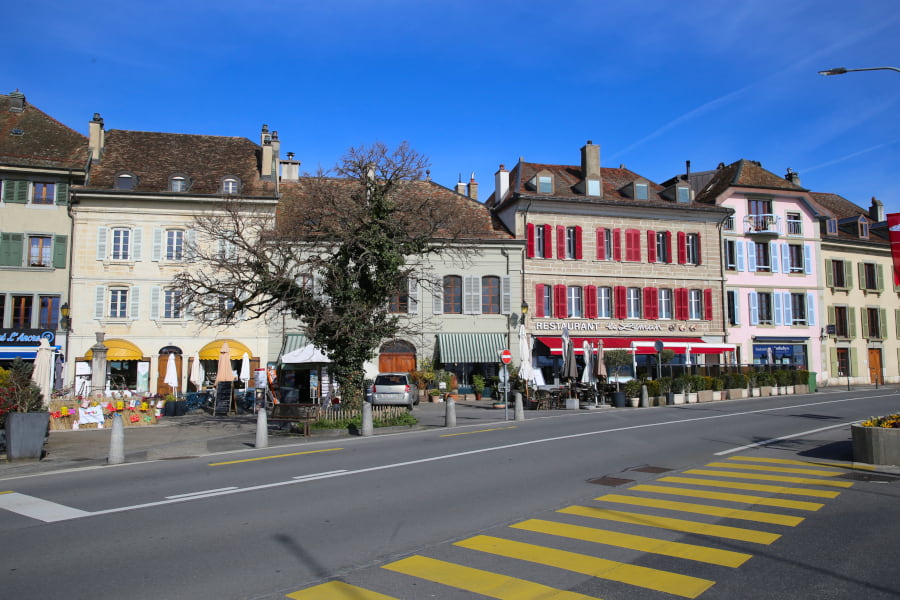
Nyon has a high school (the Gymnase de Nyon, known as CESSOuest until 1998), a modern hospital, a movie theater, as well as numerous hotels, restaurants, and cafés. The city is well known internationally as the home of UEFA, the governing body of European soccer. It is also the international headquarters of the global trade union federation UNI Global Union. Nyon is also a major center for the international currency brokerage sector.
Tourism
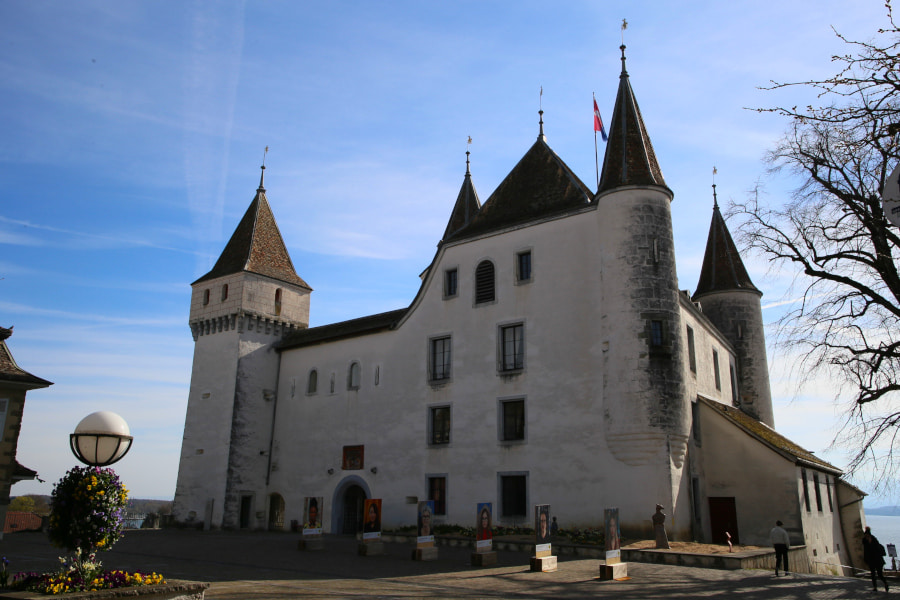
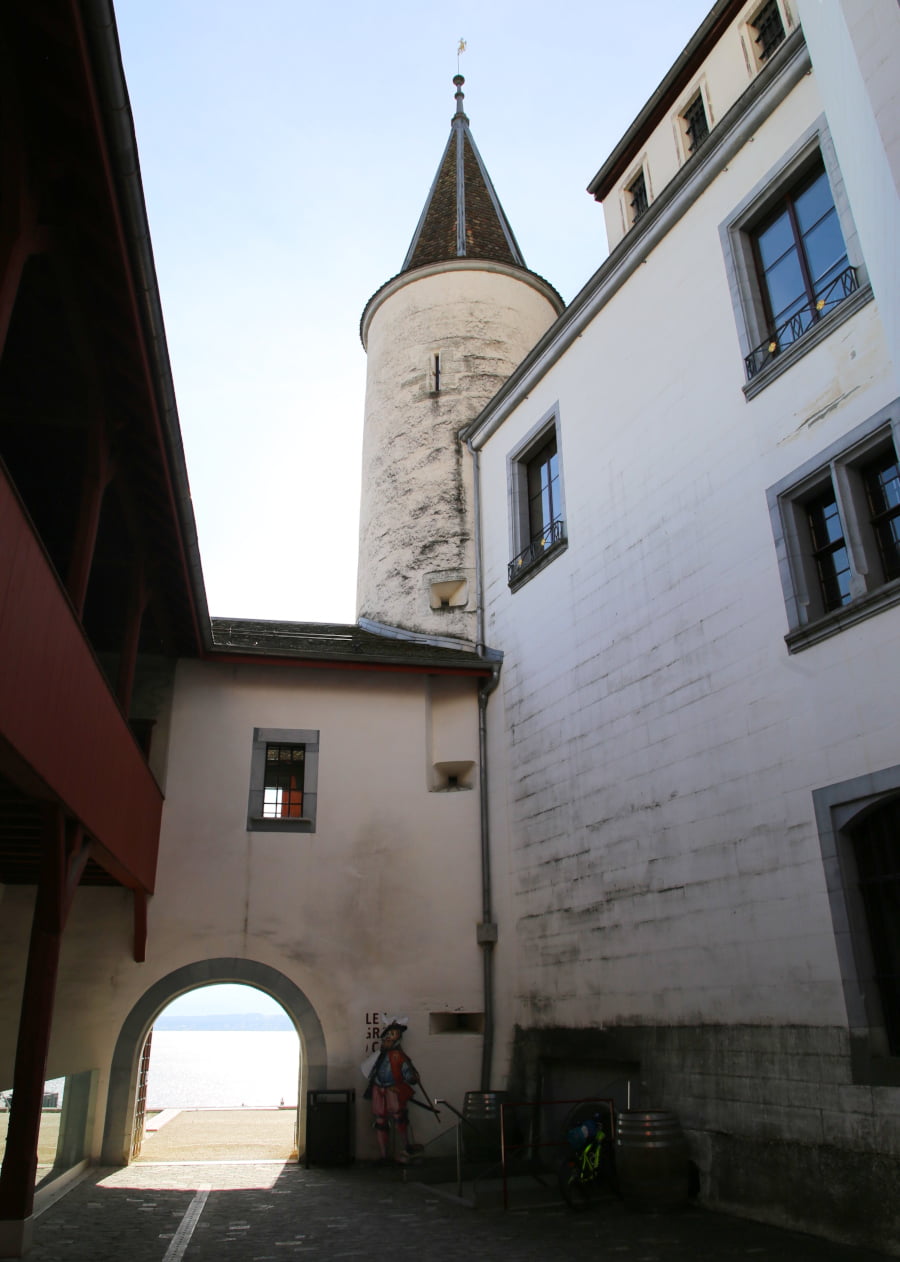
Nyon Castle, along with the Historical and Porcelain Museum, is listed as a Swiss cultural property of national importance. It was completely restored between 1999 and 2006 by a consortium of local architects at a total cost of 17.5 million francs. Since then, the museum has occupied the entire building and also makes use of the renovated terrace.
The Nyon Church, also known as the Reformed Church of Notre-Dame de Nyon, is a Protestant church belonging to the Evangelical Reformed Church of the Canton of Vaud. The choir, the oldest part of the building, dates back to the 12th century. The church and several of its features (bells, organ case) are listed as historic monuments.
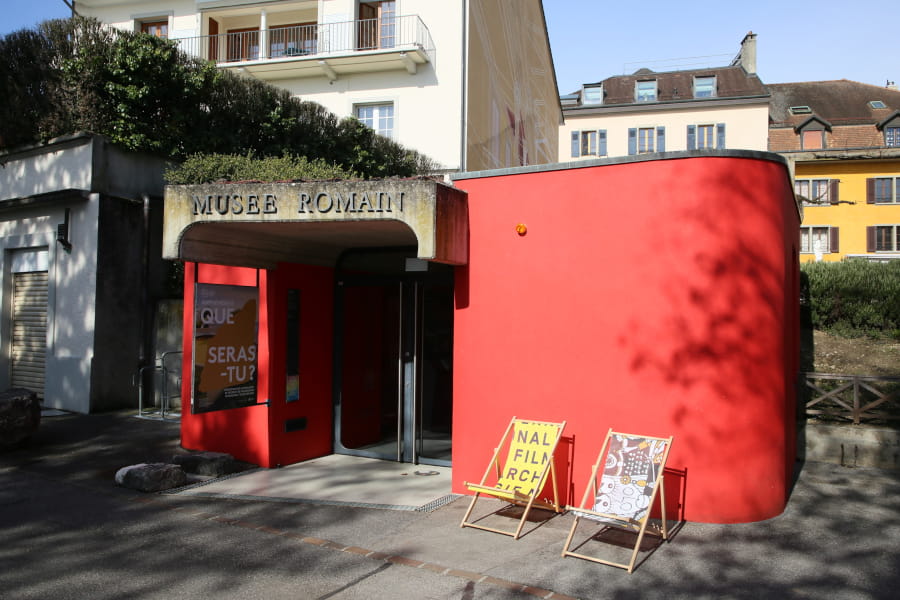
The Roman Museum of Nyon is a municipal archaeological museum. To broaden its audience, it has organized the International Archaeology Film Festival every two years since 1999. It features a rich collection of everyday objects, such as amphorae, various oil lamps, ceramic tableware, coins, jewelry, and decorated stone blocks.
The Léman Museum’s mission is to preserve and showcase the lake’s natural, cultural, and human heritage. Founded in 1954 by Edgar Pelichet, it houses collections such as those of Jacques and Auguste Piccard (submarines and stratospheric balloons), François-Alphonse Forel (founder of limnology), Aldo Balmas (model making), Abraham Hermanjat (painting), CGN (steamboats), and Henri Copponex (naval architecture).
The Nyon Manor is a building located at 2–4 Rue Maupertuis. Built in the 15th century, it is the last surviving urban building from that era in Nyon. According to local history, Voltaire considered purchasing it but was thwarted by the Bernese authorities. The building has been listed as a Swiss cultural property of national importance since 1991.
Transport
The A1 highway runs through the town. Exit 11 (Nyon) leads directly to the town.
Nyon is served by Swiss Federal Railways (SBB) on the Lausanne–Geneva line. The town is also the starting point of the Nyon–Saint-Cergue–La Cure line operated by the Nyon-Saint-Cergue-Morez Railway.
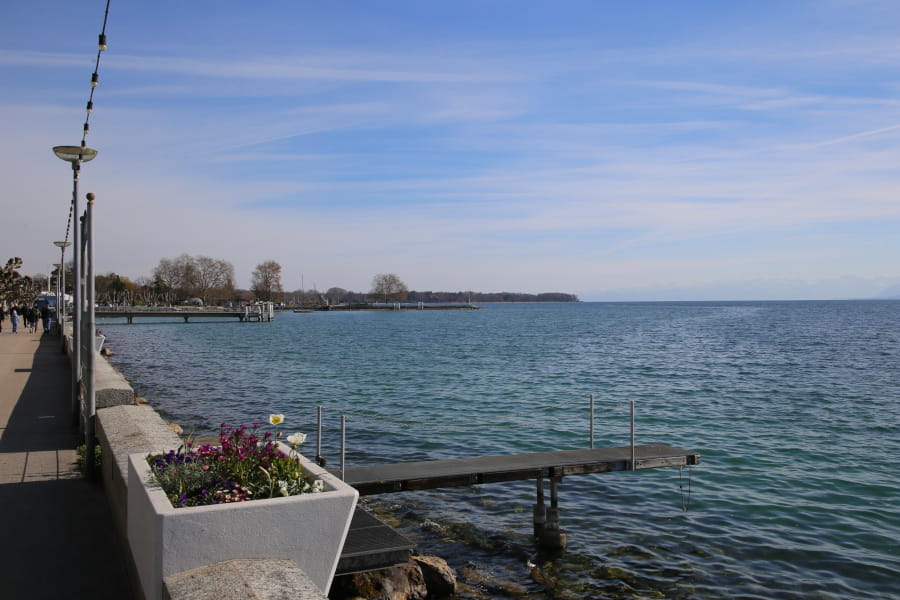
Nyon has a landing stage on Lake Geneva for boats operated by the Compagnie générale de navigation (CGN). From there, boats depart daily for Chens-sur-Léman and Yvoire.
Nyon has an urban bus network, the Transports publics de la région nyonnaise (TPN), extending into neighboring France (Divonne-les-Bains).
Main information
Canton: Vaud
Area: 6.79 km²
Coordinates: 46° 22′ 55″ N, 6° 14′ 24″ E
Languages: French, English
Population: 23,351
Currency: Swiss Franc (CHF)
Visa: Schengen
Time: Central Europe UTC +2
See here Catalonia travel guide
See here Pyrenees travel guide
See here France travel guide
See here Spain travel guide




