

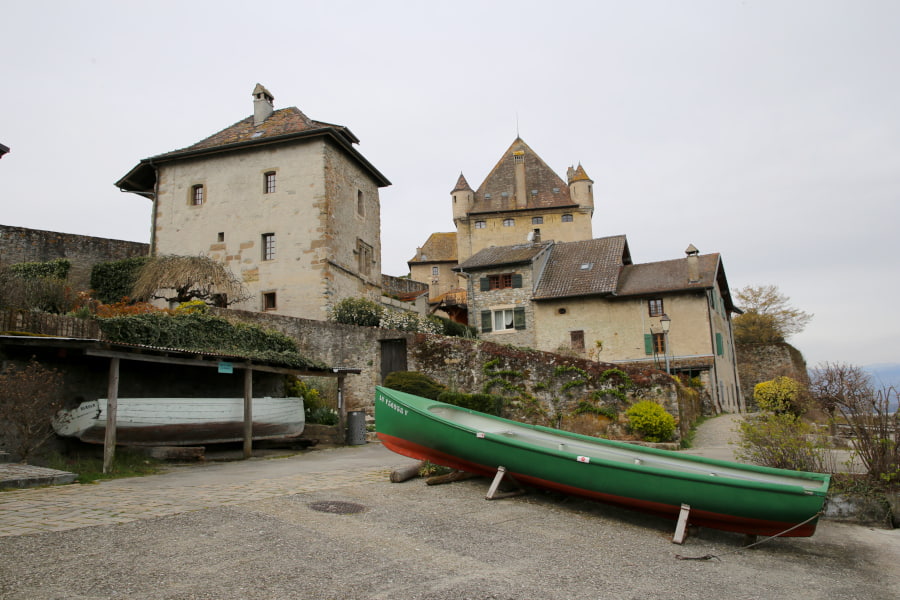
Yvoire (Ivouère in Arpitan) is a French commune located in the Haute-Savoie department, in the canton of Sciez, in the Auvergne-Rhône-Alpes region. Its inhabitants are known as Yvoiriens.
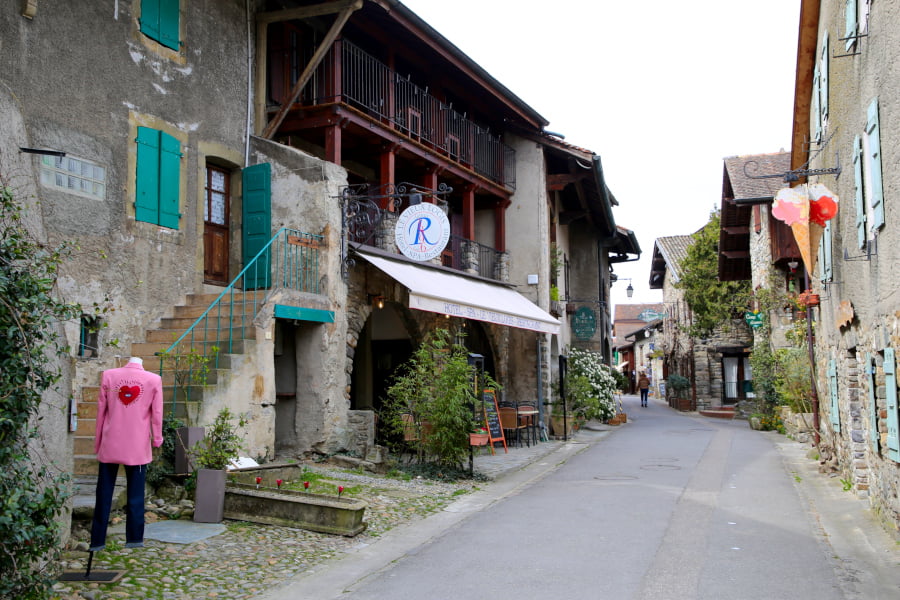
The commune is part of the Thonon-les-Bains urban community. It has received several awards: one of the “Most Beautiful Villages in France,” the “Ville Fleurie” designation with “4 flowers”, the “Grand Prix National du Fleurissement,” and a silver medal in the European Flower Competition.
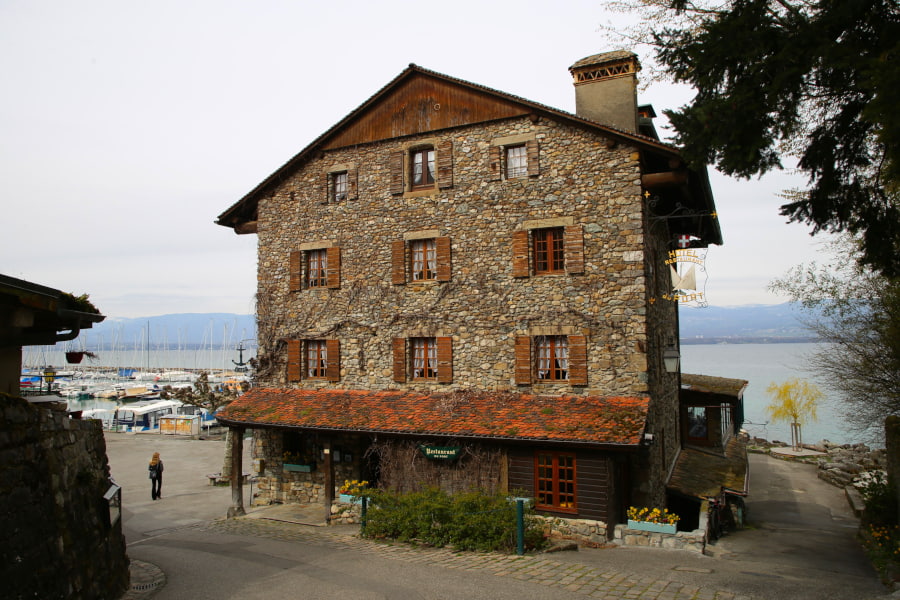
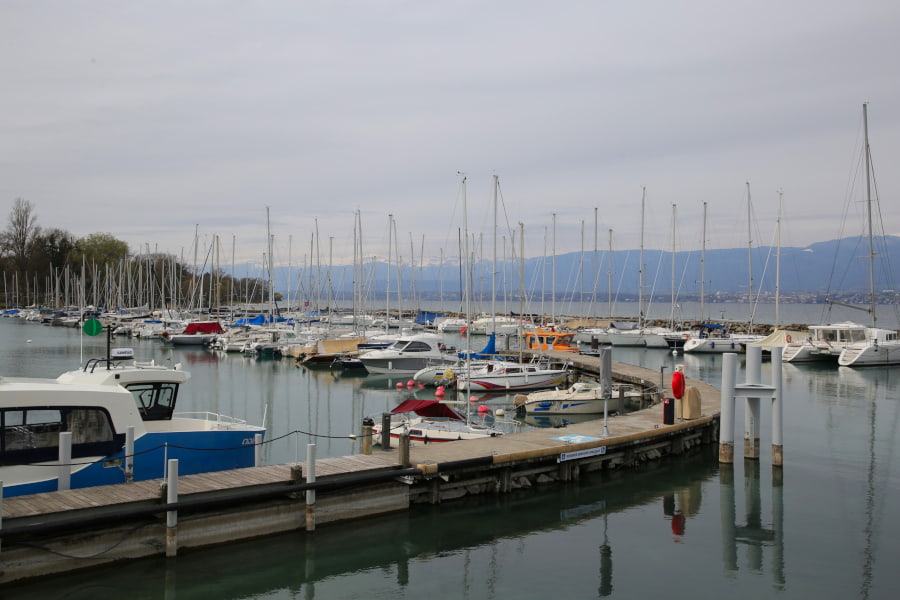
Yvoire is located on the shores of Lake Geneva, 30 minutes from Annemasse and the highway exit.
History
The Romans began to settle in the region in the 2nd century B.C. Traces (tegulae) of a Roman presence have been found in Yvoire and its surroundings, though these do not indicate a significant settlement, unlike at nearby ancient sites (Nernier or Messery).
The Chronica Gallica (452) describes the settlement of the Burgundians in the province of Sapaudia. The Burgundian presence is confirmed within the municipality’s territory by the discovery of graves at the site known as the Combes Necropolis.
The strategic location of the promontory jutting out into the water, between the small and large lakes, made it an ideal site for the construction of a castle as early as the 12th century, serving as the center of a seigneury. The nobles of Yvoire were succeeded by the powerful seigneurial family of Compey, vassals of the Counts of Geneva.
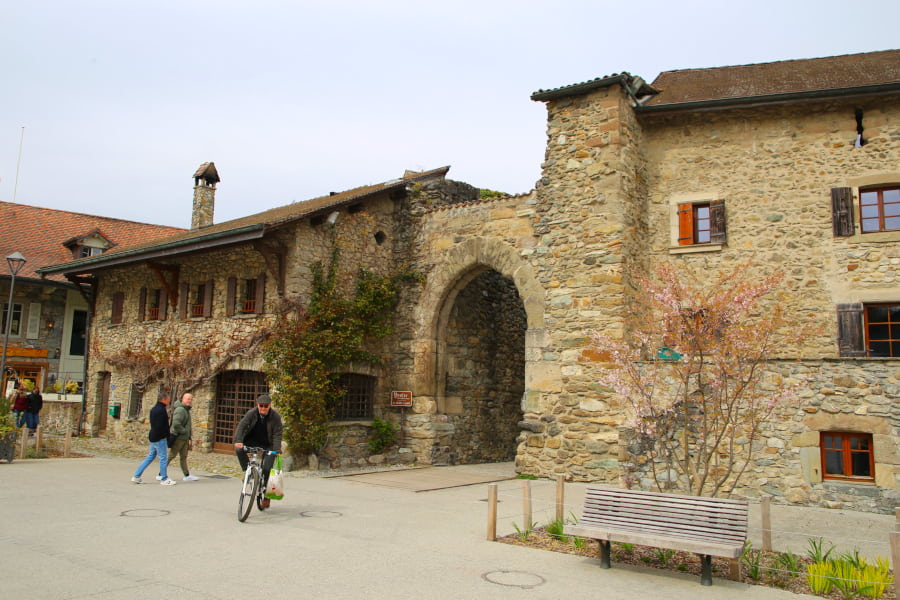
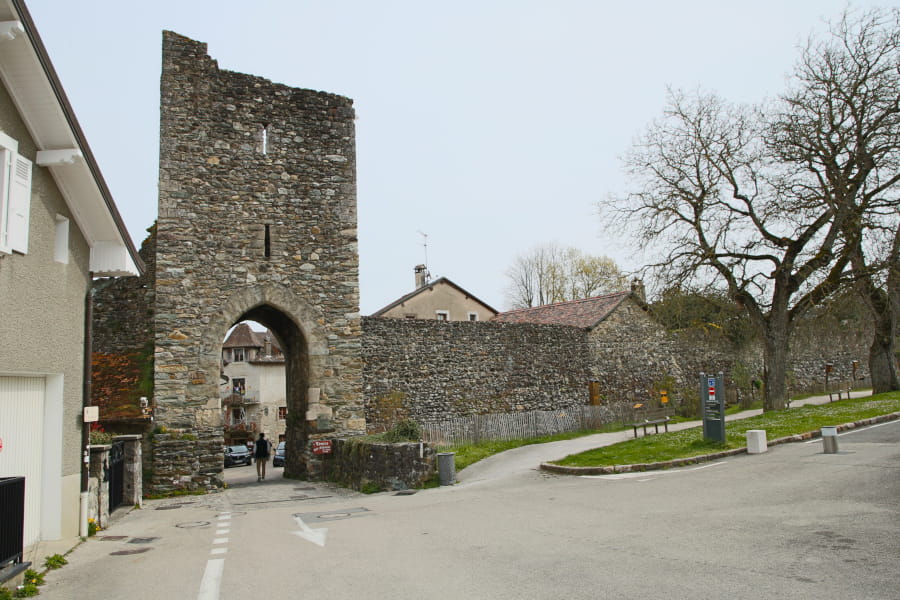
The fortified town is accessible through two gates built in 1318. These are “quadrangular towers measuring 5 m by 6 m,” known as the “Tower of Nernier” facing west and the “Tower of Rovorée” to the east. The town’s port is also defended by fortifications.
In 1536, the northern part of the Duchy of Savoy was annexed by Protestant Bernese troops. Yvoire was incorporated into the new bailiwick of Thonon. Protestantism spread throughout the town following the conversion of the lord, François de Saint-Jeoire-d’Antioche. The old castle was burned down.
In 1615, the seigneury passed to the Bouvier family, originally from Bugey, who still own the castle today. In 1772, the seigneury was elevated to a barony.
After World War II, agriculture and fishing gradually gave way to tourism.
The village of Yvoire celebrated its 700th anniversary in 2006.
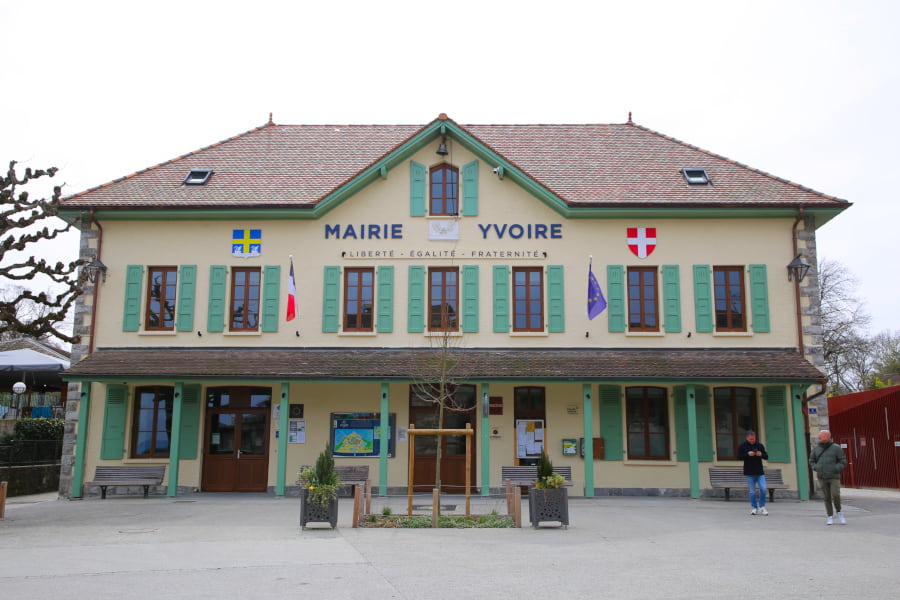
Tourism
Yvoire is one of 48 municipalities in the department designated as a “tourist municipality.” It has been a member of the “Les Plus Beaux Villages de France” association since 1982.
In 2014, the municipality’s accommodation capacity, as estimated by the Savoie Mont Blanc organization, was 990 tourist beds spread across 92 establishments. Accommodations are distributed as follows: 3 furnished apartments; 5 hotels; and 2 outdoor lodging facilities.
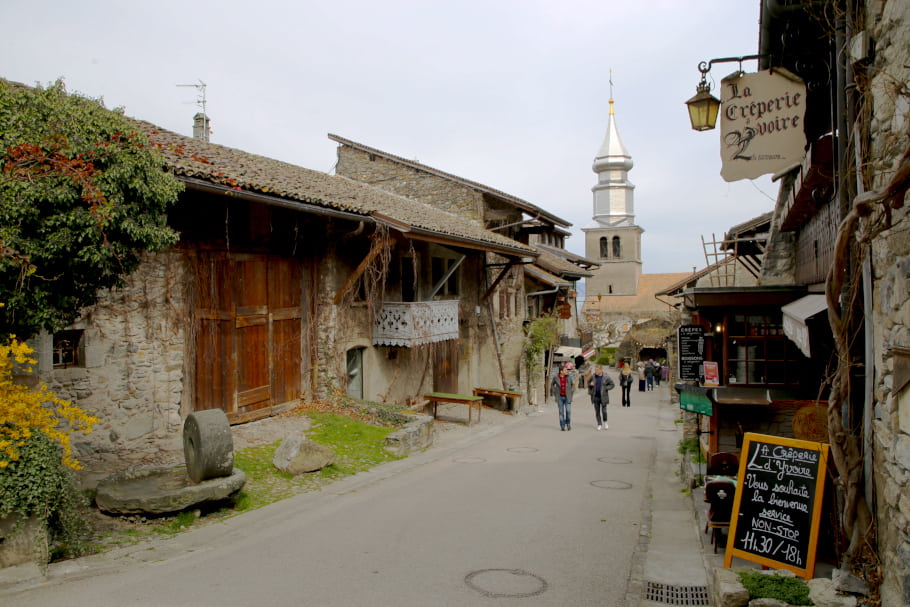
Attractions
The municipality has two monuments listed in the inventory of historic monuments and one site listed in the general inventory of cultural heritage. However, it has no objects listed in either the inventory of historic monuments or the general inventory of cultural heritage.
The Geneva Gate, also known as the “Nernier Gate,” dates from the 14th and 16th centuries. It has been “listed” since August 24, 1943.
The Thonon Gate, also known as the “Rovorée Gate,” dates from the 14th century. It has been “listed” since June 19, 1981.
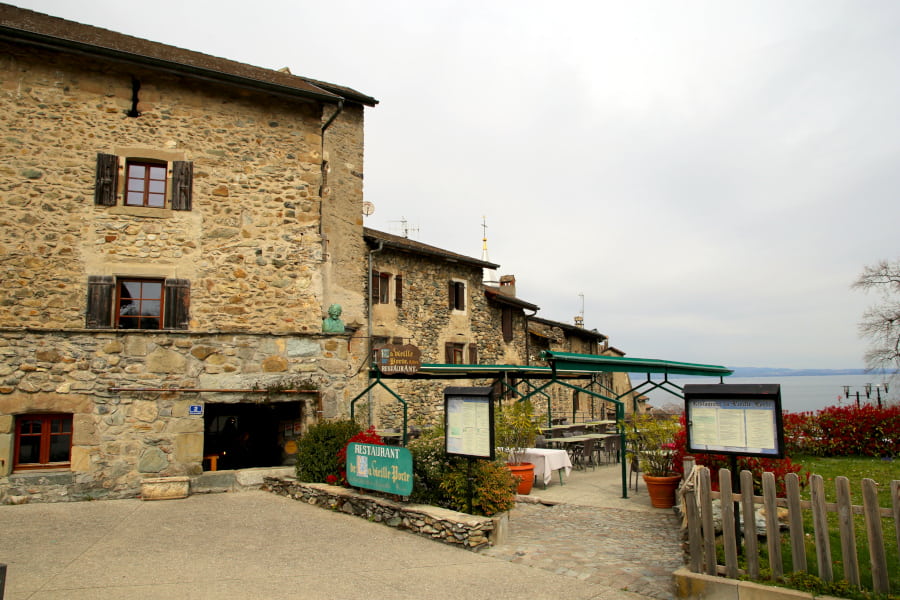
The Jardin des Cinq Sens labyrinth is located in the heart of the village. Created in 1988 on the site of the castle’s former vegetable garden, it has been restored in the style of the enclosed gardens found in medieval castles. The garden is classified as a “Jardin Remarquable de France” (Remarkable Garden of France). It covers 2,500 square meters and is organized around a green cloister featuring medicinal and aromatic plants, fountains, aviaries, heirloom roses, and espalier fruit trees.
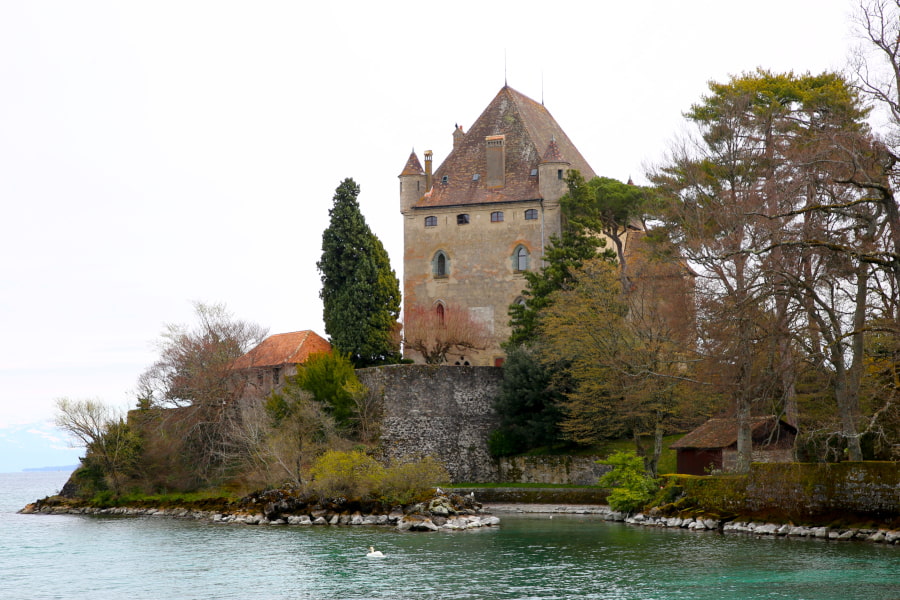
In the early 14th century, the fortified castle of Yvoire was built on a promontory overlooking Lake Geneva by Count Amadeus V of Savoy. Its strategic position allowed for the monitoring of navigation between the Small Lake and the Great Lake of Geneva. In the 16th century, the castle was burned down and its ramparts devastated during the conflict between the Bernese, the Genevans, and the French against the Duke of Savoy. In the early 20th century, Yvoire Castle was restored by the Savoyard Bouvier d’Yvoire family, who had occupied it since the mid-17th century.
La Châtaignière-Rovorée, a departmental arts and culture center, is a mansion built in the early 20th century by silk merchants from Lyon. It is located in the heart of the Rovorée estate, a sensitive natural area jointly managed by the Conservatoire du littoral and the Haute-Savoie Departmental Council.
Rovorée Castle is a Savoyard castle.
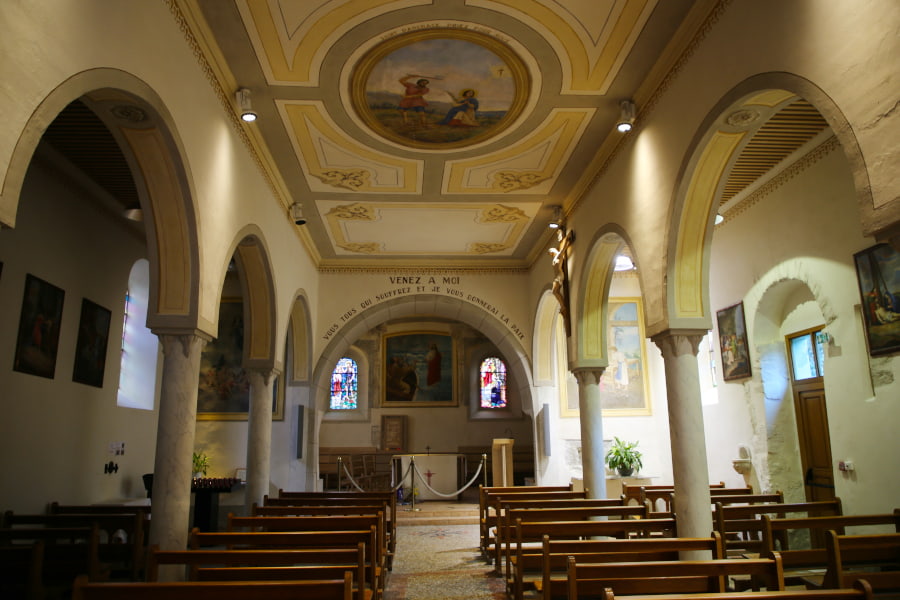
The parish church is dedicated to Saint Pancras. The current bell tower is a bulb-shaped tower, typical of Savoyard and Piedmontese religious architecture. It was built in 1856. Originally, it was covered with tin-plated iron scales. Over time, the bell tower rusted; it is now covered in stainless steel; the spire and the rooster at its peak are gilded.
How to get to?
By car
From Geneva: 40 min (30 km) via Rte de Thonon
From Annecy: 1 hr (70 km) via A410
From Lyon: 2 hrs 20 min (188 km) via A42 and A40
From Paris: 6 hrs 20 min (580 km) via A6 and A40
Main information
Area: 3.12 km²
Coordinates: 46° 22′ 18″ N, 6° 19′ 37″ E
Languages: French
Population: 7,011
Currency: Euro (€)
Visa: Schengen
Time zone: Central Europe (UTC +2)
See here Catalonia travel guide
See here Pyrenees travel guide
See here France travel guide
See here Spain travel guide




