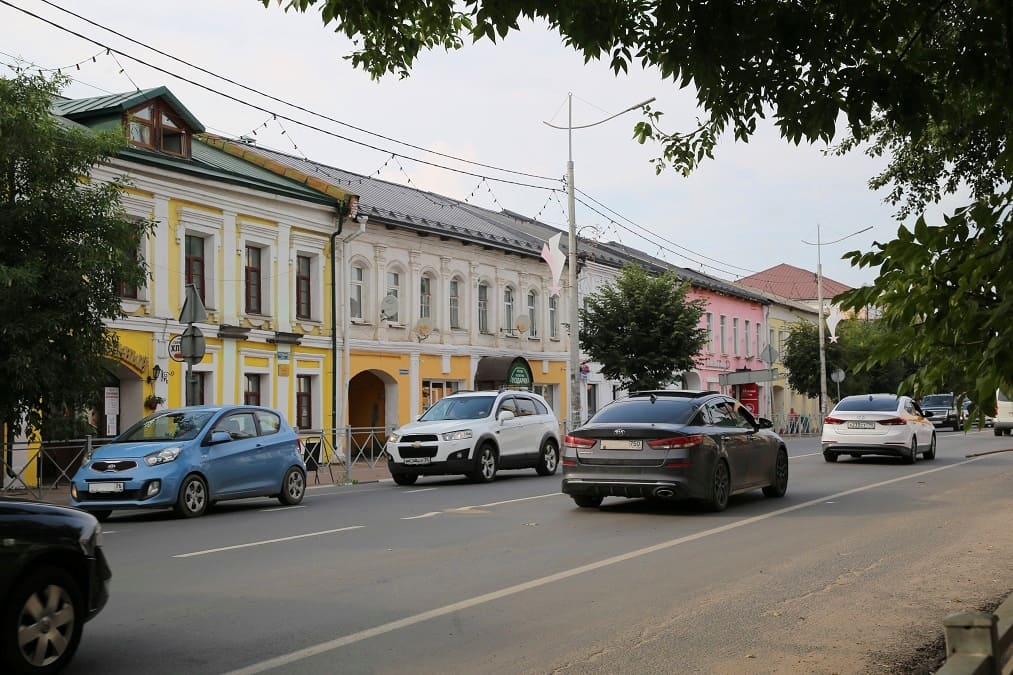
Pereslavl-Zalessky (Russian: Переславль-Залесский) is a city in Yaroslavl Oblast (Russia), founded in 1152. Its population is 37,738 (as of 2021), and its area is 23.01 km².
The city is the administrative center of Pereslavl District, but is not part of it. Since 2018, Pereslavl-Zalessky has formed an urban district.
Located 140 km from Moscow on the M8 Kholmogory Highway, the city sits on the shores of Lake Pleshcheyevo at the confluence of the Trubezh River. Pereslavl-Zalessky has direct transport links to Vologda, as well as access roads to Vladimir, Kostroma, and other cities.
Pereslavl is part of the Golden Ring of Russia.
History
Pereslavl was founded in 1152 by Prince Yuri Dolgoruky as the future capital of Northeastern Rus’. At the time, it was the largest city in the region. Its size can only be compared to Vladimir, where the perimeter of the fortifications of Monomakh’s City is also approximately 2.5 kilometers.
Yuryev-Polsky and Suzdal were smaller—2 and 1.4 kilometers, respectively. In Dmitrov, Yaroslavl, Przemysl Moskovsky, Zvenigorod, and Moscow, the fortifications had a perimeter of approximately 1 kilometer.
By the standards of all of Rus’, Pereslavl-Zalessky was considered a large city. Only Kyev and Smolensk were larger, with fortifications having a perimeter of approximately 3.5 kilometers. Novgorod and Old Ryazan were smaller than Pereslavl-Zalessky, with their fortifications having a perimeter of approximately 1.4 kilometers.
Academician S.V. Zagraevsky noted that the construction of Pereslavl-Zalessky by Yuri Dolgoruky was as significant for the culture and politics of Rus’ as the founding of St. Petersburg by Peter the Great. Peter the Great built his first fleet on Lake Pleshcheyevo, which is located near Pereslavl.
Alexander Nevsky was born here around 1220.
In the early 14th century, Pereslavl-Zalessky passed to the Principality of Moscow under the will of Prince Ivan Dmitrievich, Alexander Nevsky’s grandson. The city was famous for its parchment manuscripts, which were used for the needs of the Moscow Printing House.
In 1608, the fortress was destroyed by Polish-Lithuanian invaders. The city suffered greatly during the Time of Troubles.
In 1719, the city became the center of Pereslavl Province. In 1929, Pereslavl-Zalessky became the center of the Ivanovo Industrial Region, and in 1936, it became part of the Yaroslavl Region.
Tourism
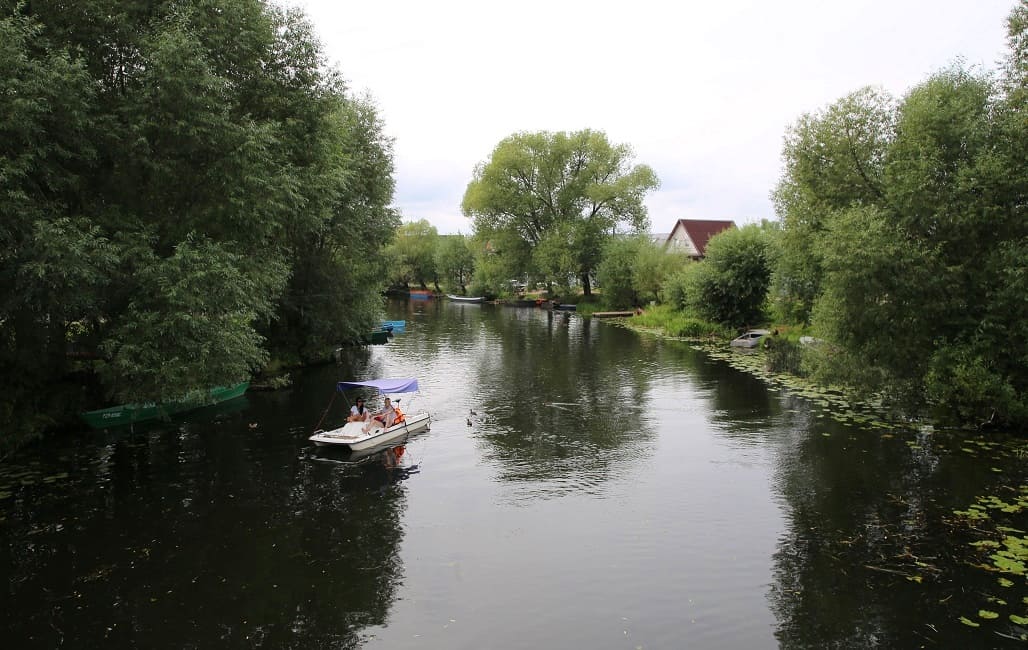
Pereslavl-Zalessky and the surrounding area of Lake Pleshcheyevo boast several picturesque beaches. The lake and its surroundings are part of Pleshcheyevo Lake National Park.
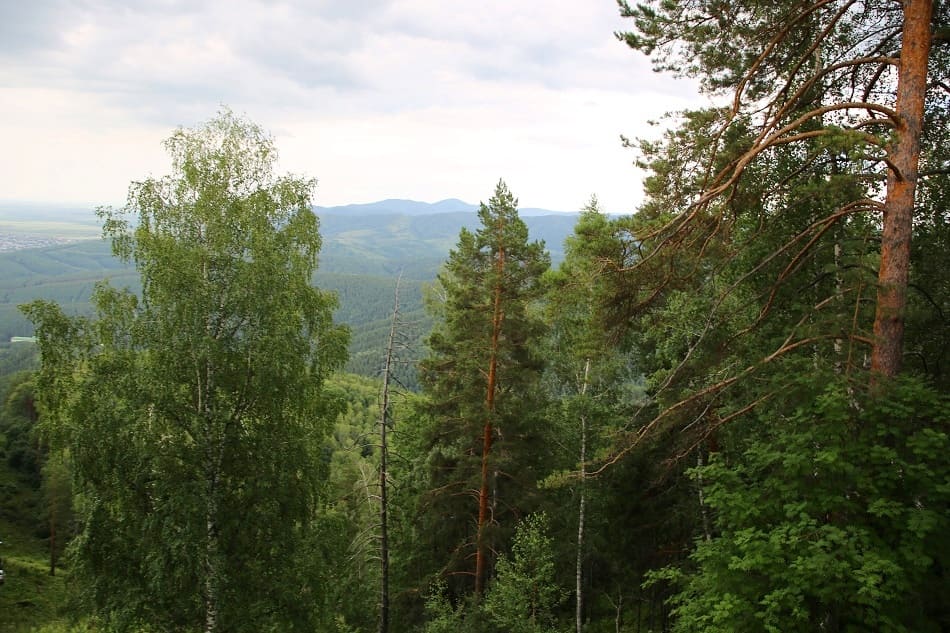
Pereslavl-Zalessky and the surrounding area offer excellent hiking trails within Pleshcheyevo Lake National Park.
The Blue Stone is located on the northeastern shore of Lake Pleshcheyevo. It attracts attention with its variable coloring. In dry weather, the stone appears as an ordinary dark-gray boulder. However, when wet by rain or exposed to sunlight, it takes on a beautiful blue hue.

Attractions
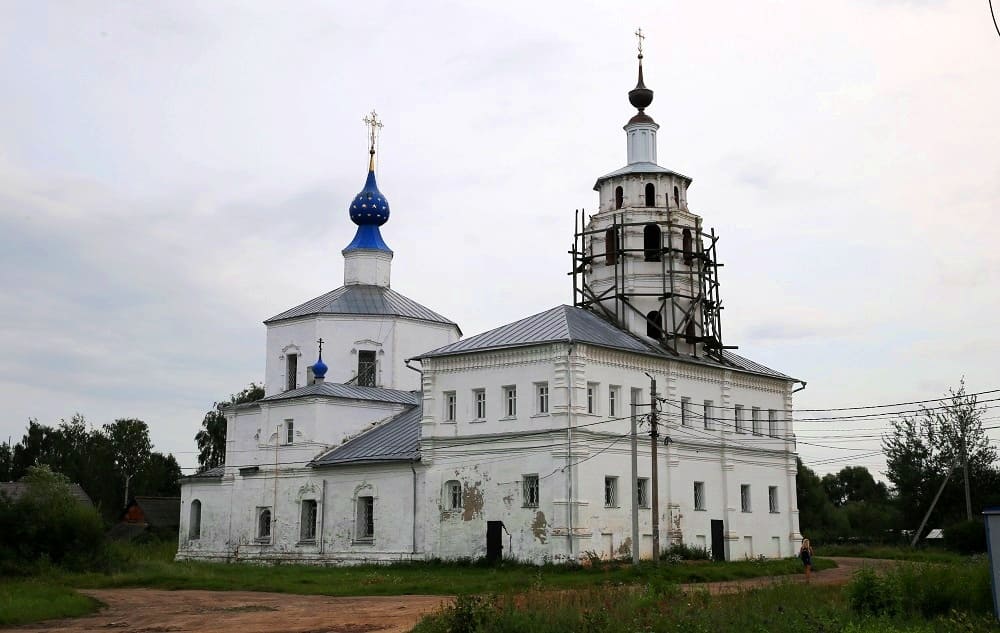
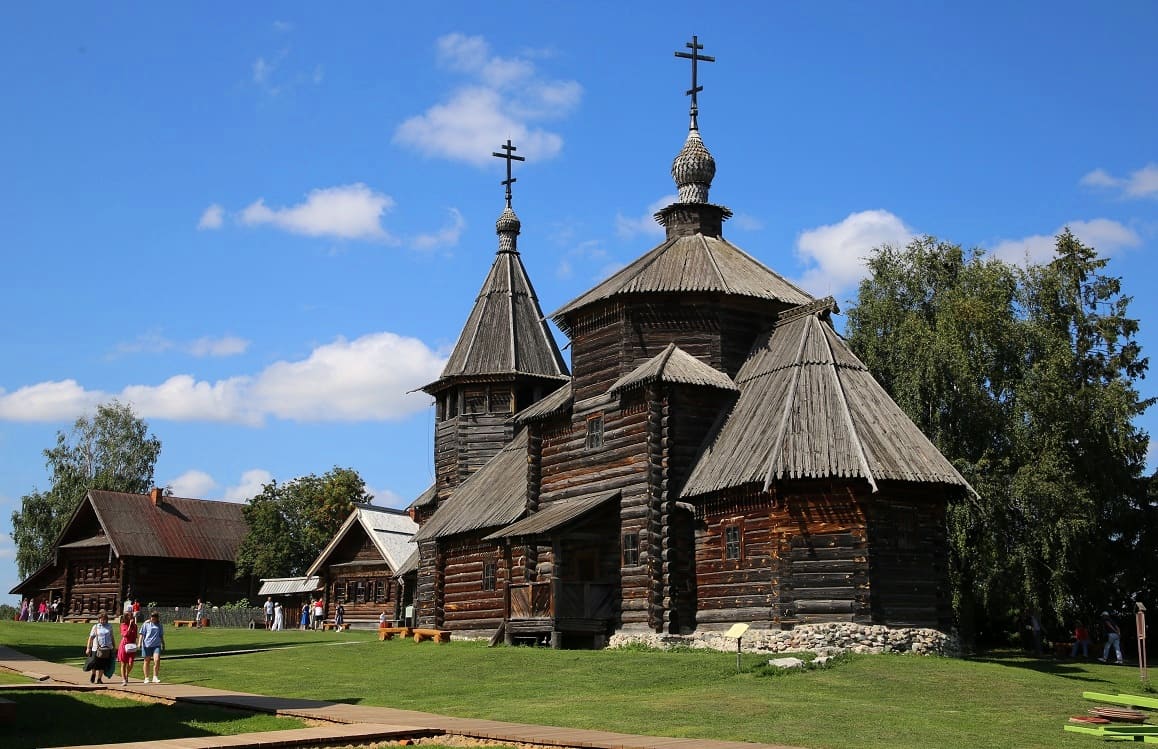
The city has five monasteries, six churches, and many unusual museums. Among them are a museum of old sewing machines, a museum of the history of money, a museum of gramophones and records, an clothes iron museum, a teapot museum, a radio museum, and others.
The exact date of the Nikitsky Monastery’s founding is unknown. Monks believe it arose in the early 11th century, when Prince Boris and Bishop Hilarion built the first churches near Lake Pleshcheyevo. One of the monastery’s main relics is the relic of Nikita the Stylite. However, the monastery was named in honor of St. Nicetas the Goth, a great martyr burned for his faith in Christ in the 4th century.
St. Nicholas Convent is an active monastery of the Pereslavl Diocese of the Russian Orthodox Church. In 1348, Saint Dimitry of Priluki founded the monastery on a site known as “on the Swamp.” He erected a church dedicated to St. Nicholas the Wonderworker.
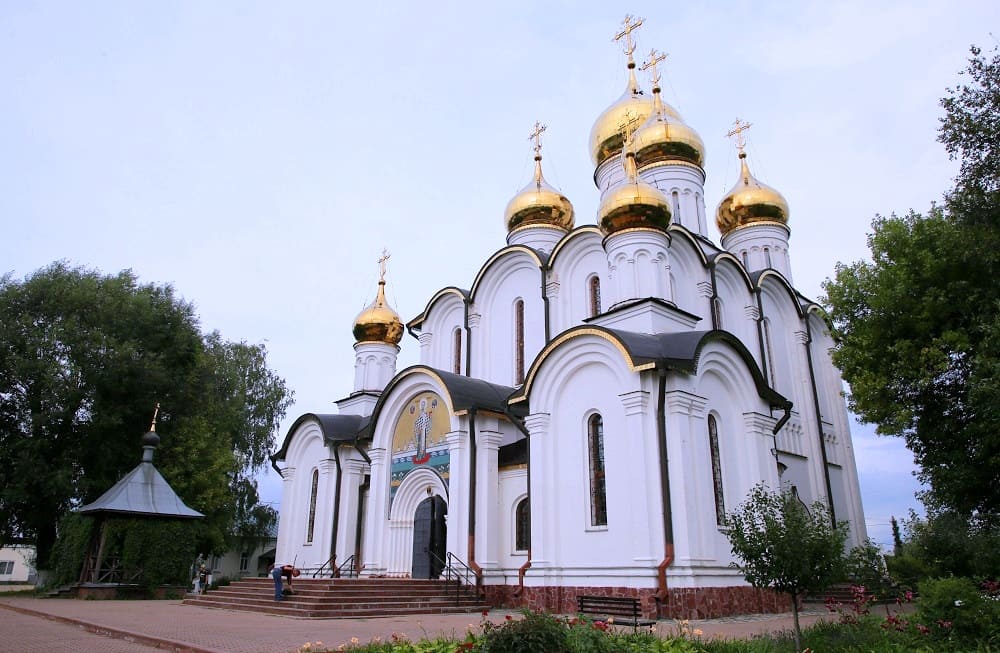
Feodorovsky Monastery
The Feodorovsky (or Fyodorovsky) Monastery is a convent of the Pereslavl Diocese of the Russian Orthodox Church. Until 1918, it held the official (state) status of a second-class communal women’s monastery (since 1667) of the Vladimir Diocese.
The Holy Trinity Danilov Monastery is a monastery of the Russian Orthodox Church. The monastery’s founder was Daniil, a monk of the Pereslavl Nikitsky Monastery and the confessor of Grand Duke Vasily III.
Transfiguration Cathedral
Pereslavl-Zalessky’s story begins with a fortress, or kremlin, standing here at its dawn. Only earthen ramparts and several churches remain today, among which the Transfiguration Cathedral stands out. It was founded by Prince Yuri Dolgoruky, known as the founder of Moscow.
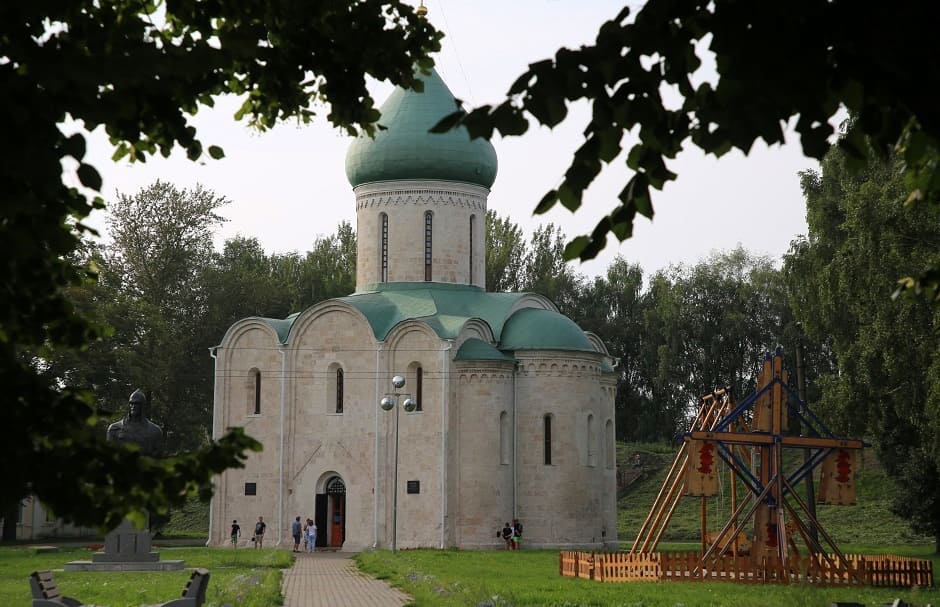
Church of Alexander Nevsky and Vladimir Cathedral
The ensemble of the Church of Alexander Nevsky and Vladimir Cathedral was built in the 1740s. Externally, the churches are similar, but upon closer inspection, architectural differences are visible. The Church of Alexander Nevsky is restrained, while Vladimir Cathedral is adorned with numerous decorative elements. Initially, the churches belonged to the Sretensky Novodevichy Convent, but after its closure, they became parish churches.
Goritsky Dormition Monastery
The Goritsky Dormition Monastery was an Orthodox monastery in Pereslavl-Zalessky, abolished in 1744. It is an architectural monument of the 17th and 18th centuries. Until 1788, the Pereslavl bishops lived here, creating an episcopal court. Since 1919, the Pereslavl-Zalessky Museum-Reserve has been located on the monastery grounds.
Church of the Forty Martyrs
The Church of the Forty Martyrs is an Orthodox church in Pereslavl-Zalessky. It belongs to the Pereslavl Deanery of the Pereslavl Diocese. The church stands on the shore of Lake Pleshcheyevo, at the mouth of the Trubezh River, in the historic Rybnaya Sloboda. The church has been known since the early 17th century.
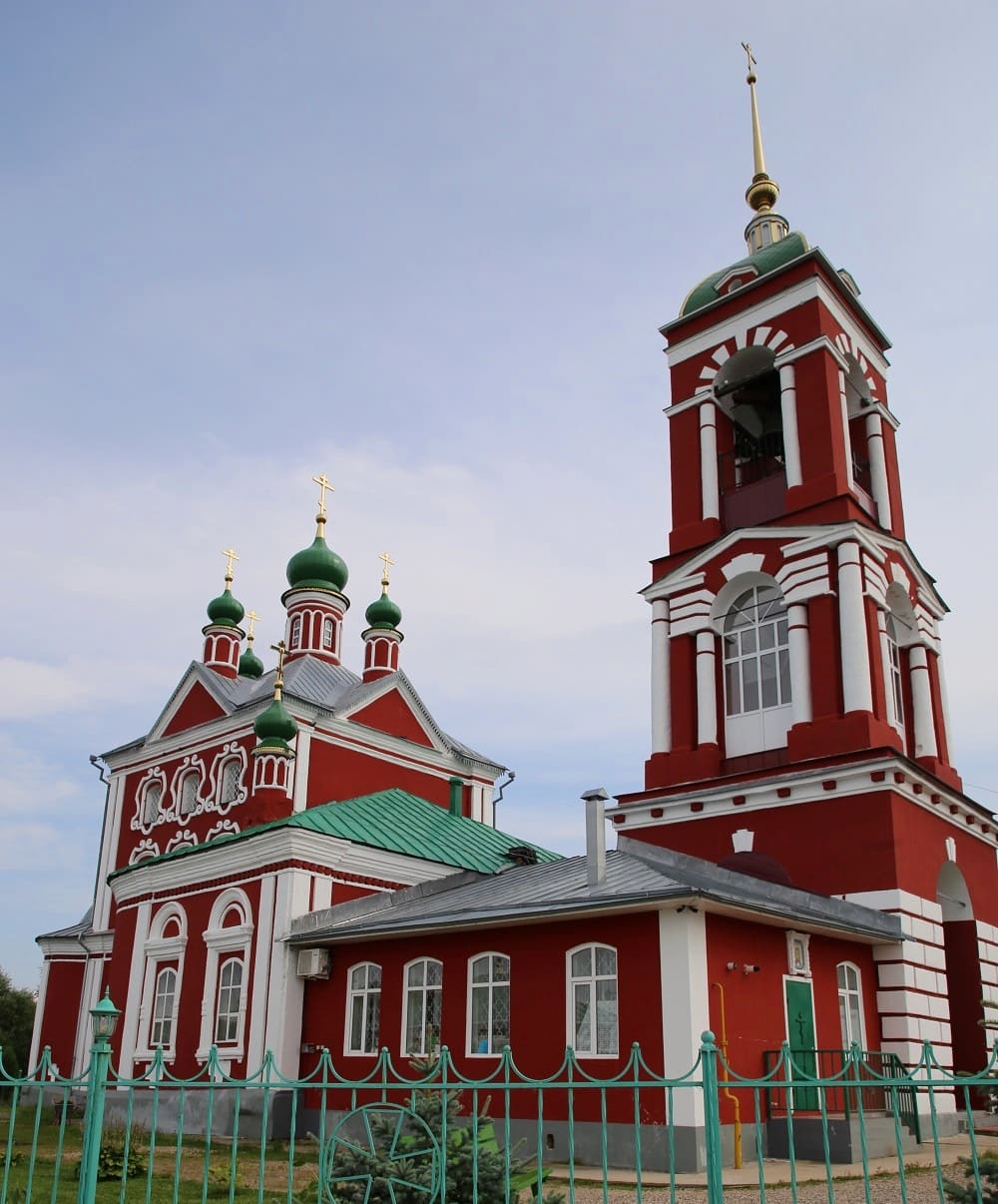
Alexander Nevsky Museum
It is a museum dedicated to the holy and faithful Prince Alexander Nevsky. It opened on December 6, 2012, the prince’s feast day. The museum collection is small but rich in variety. It features a model of the ancient 13th-century city, figures of Russian soldiers and Tatar-Mongols, icons depicting Alexander Nevsky, his orders and awards, and a 13th-century hanging seal discovered in Gorodets.
Simeon’s Church
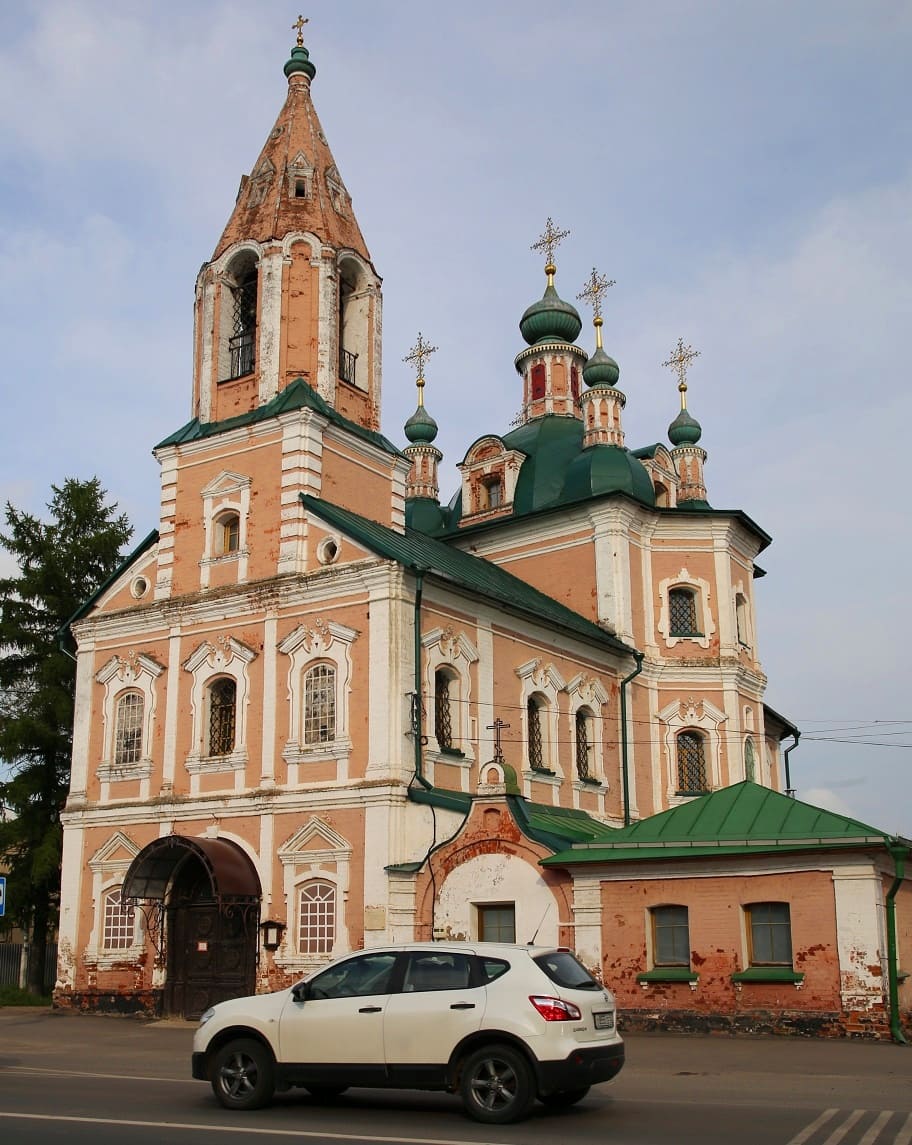
In 1724, Pereslavl-Zalessky suffered a devastating fire that destroyed many houses and churches. Simeon’s Church was among the victims. Four years later, it was rebuilt. But the story didn’t end there. In 1771, the church was dismantled, and a stone Simeon’s Church was erected in its place, which has survived virtually unchanged to this day.
Lake Pleshcheyevo National Park
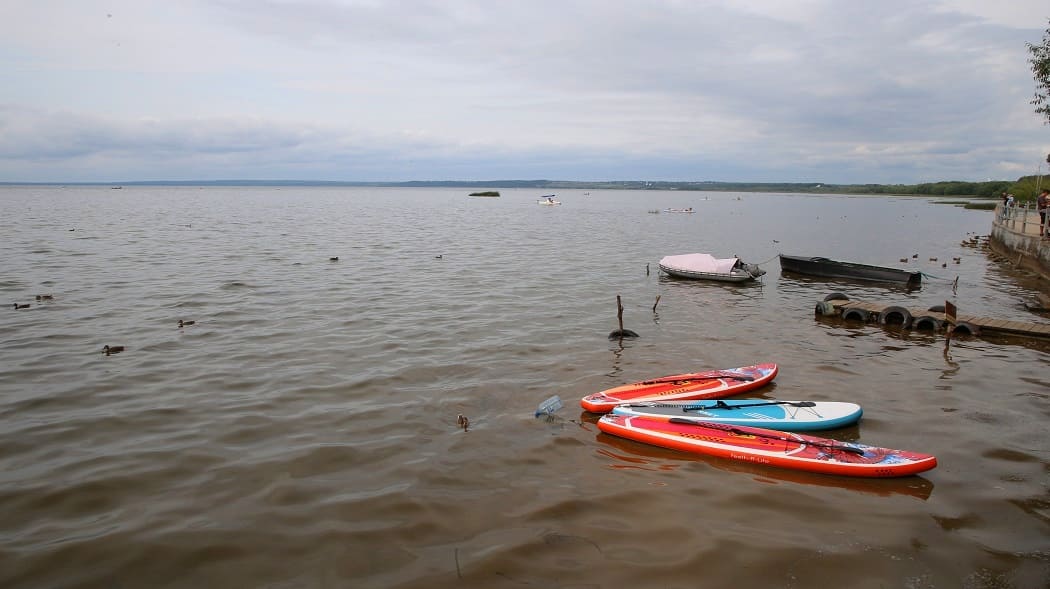
Lake Pleshcheyevo is a glacial lake in Yaroslavl Oblast, Russia. The lake, which is part of Pleshcheyevo Ozero National Park, covers an area of over 51 km², its length being 9.5 kilometres (5.9 mi) and its shoreline 28 kilometres (17 mi). Although it is 25 metres (82 ft) deep in the middle, the waters near the shore are quite shallow. The lake is well known for camping, swimming, fishing, and hot air ballooning.
How to get there?
The fastest and most convenient way to get to Pereslavl-Zalessky is by car. The city is located on the M-8 Kholmogory highway. Pereslavl-Zalessky is located exactly halfway between Moscow and Yaroslavl. Travel time from the capital is approximately two hours.
By bus
Pereslavl-Zalessky is easily accessible from Moscow from the Central Bus Station near the Shchyolkovskaya metro station. Buses to Yaroslavl, Rybinsk, and Kostroma also stop here.
Another option is to take a bus to Yaroslavl, which departs from the Severnye Vorota bus station (Khovrino metro station). It also makes a stop in Pereslavl along the way.
By train
The Pereslavl Express (train no. 927/928) is the only direct train route to the city. It runs on Saturdays and Sundays and departs from Yaroslavsky Station (Moscow) with stops in Sergiev Posad, Aleksandrov, and Berendeyevo.
The train’s exterior is decorated with Khokhloma painting and images of Pereslavl landmarks.
The station is a 30-minute walk from the city center. You can get there by bus or taxi in 10 minutes.
Information
Coordinates: 56°44’11.6″N 38°51’12.2″E
Foundation: 1152
Area: 23.01 km²
Height: 142 m
Population: 37,738 (2021)
Visa: Russia
Time: UTC+3:00 (МСК)