Vladimir Oblast (Russian: Владимирская область) is a federal subject of the Russian Federation, located in the Central Federal District.
It borders Moscow, Yaroslavl, Ivanovo, Ryazan, and Nizhny Novgorod Oblasts. The region covers an area of 29,084 square kilometers and has a population of approximately 1,297,936 (as of 2025). The regional capital is the city of Vladimir, located about 178 kilometers east of Moscow.
The region was established on August 14, 1944, by a decree of the Presidium of the Supreme Soviet of the USSR, on the territory of the former Vladimir Governorate of the RSFSR, which had existed until January 14, 1929. The region’s current borders are significantly smaller than those of the Vladimir Governorate during the Russian Empire.
History
The first traces of human presence on the territory of modern Vladimir Oblast date back to the Upper Paleolithic period. Sites from that time, such as those at Sundir (c. 34,000 BC), indicate that people have lived here since ancient times. The Karacharovo site near Murom and Rusanikha within the present-day city limits of Vladimir also date back to the Upper Paleolithic. During the Neolithic, tribes of the Volosovo culture (Panfilovo site) appeared here, and in the Bronze Age, pastoralists of the Fatyanovo culture arrived.
Archaeological finds in Murom and other locations indicate that these lands have Finno-Ugric origins. The Meshchera, Muroma, and Merya tribes inhabited the area.
Slavic colonization of the region began in the 10th century. The cities of Murom and Suzdal emerged, and the territory of modern Vladimir Oblast became part of Kievan Rus’. In the 11th century, it became part of the Rostov-Suzdal Principality, and in the 12th century, of the Vladimir-Suzdal Principality. The city of Vladimir emerged in the early 12th century, followed shortly by Yaropolk-Zalessky. Under Yuri Dolgorukiy and Andrei Bogolyubsky, the region experienced rapid development. New towns were founded, such as Yuryev-Polsky, Gorokhovets, Starodub-on-Klyazma, and Mstislavl, as well as the princely residences of Kideksha and Bogolyubovo. Historical monuments preserved to this day recall the Old Russian and medieval periods—the cultural heyday of the region.
In January 1929, after the abolition of the provinces, the territory of the former Vladimir Governorate became part of the Ivanovo Industrial Region. On August 14, 1944, the Vladimir Region was established, uniting districts of the Ivanovo, Moscow, and Gorky districts.
Attractions
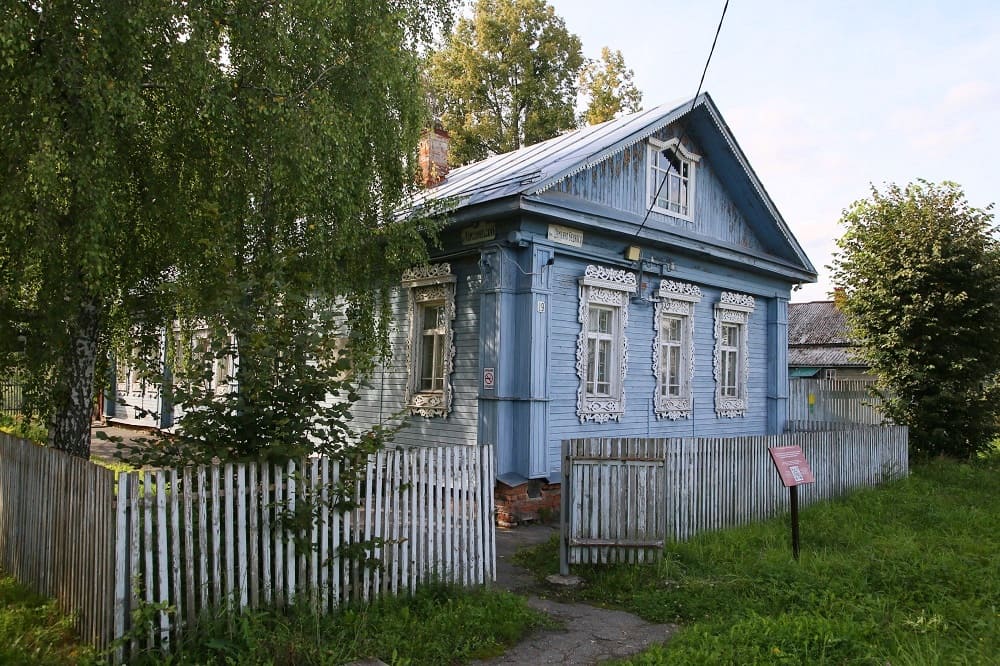
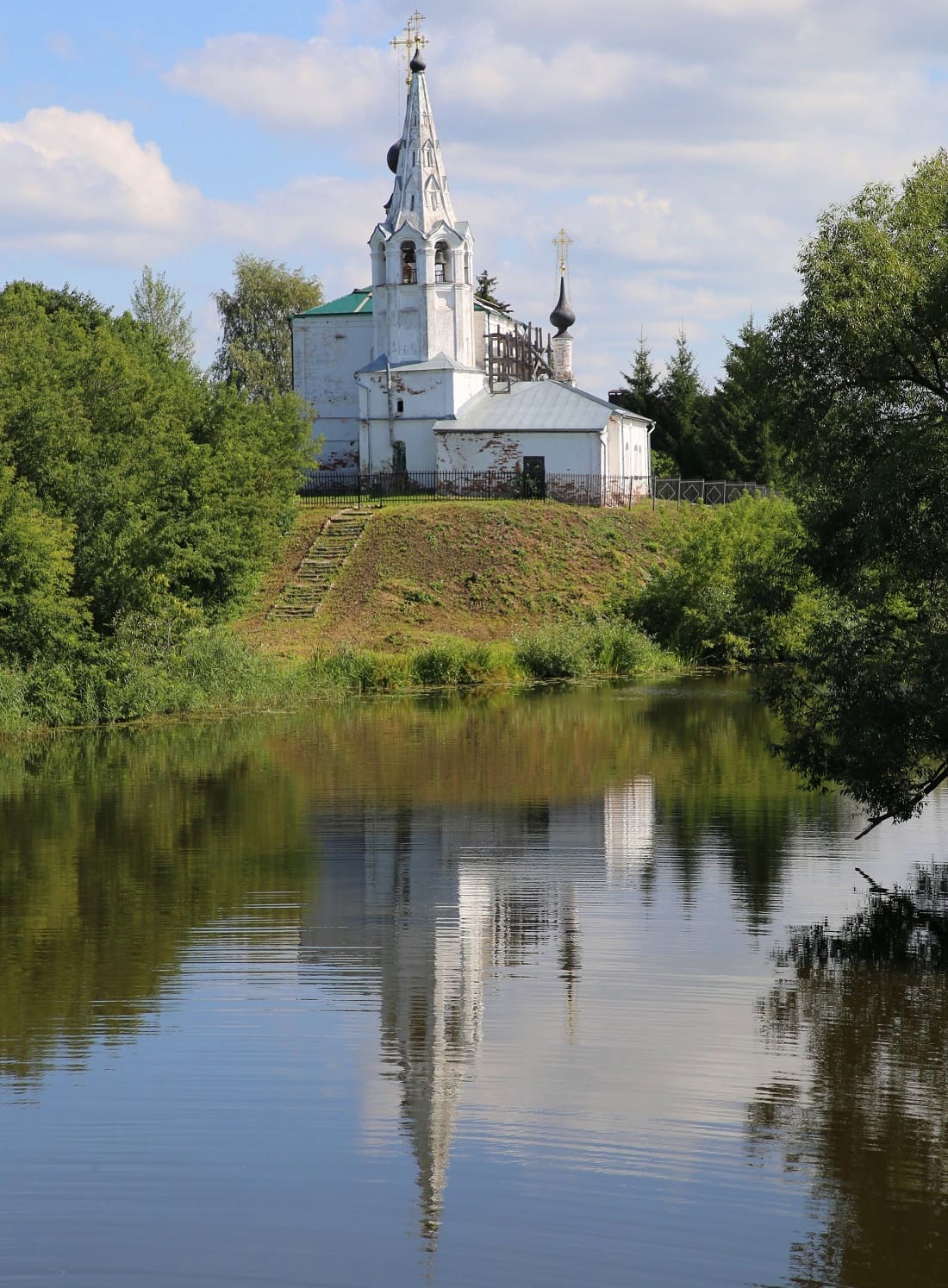
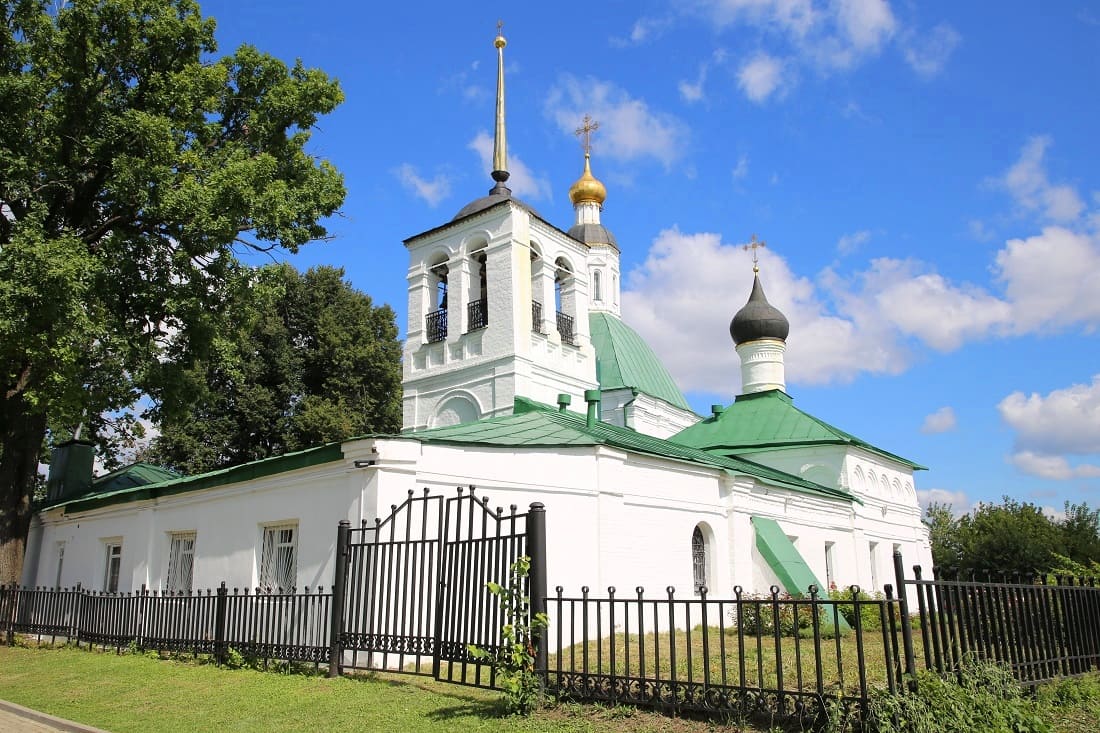
The Vladimir Region is famous for its white-stone cathedrals and ancient history. Cities in the region such as Vladimir, Murom, Suzdal, Gorokhovets, Bogolyubovo, and Yuryev-Polsky were once important centers of the Vladimir-Suzdal Principality. Today, these historic towns have retained their medieval charm.
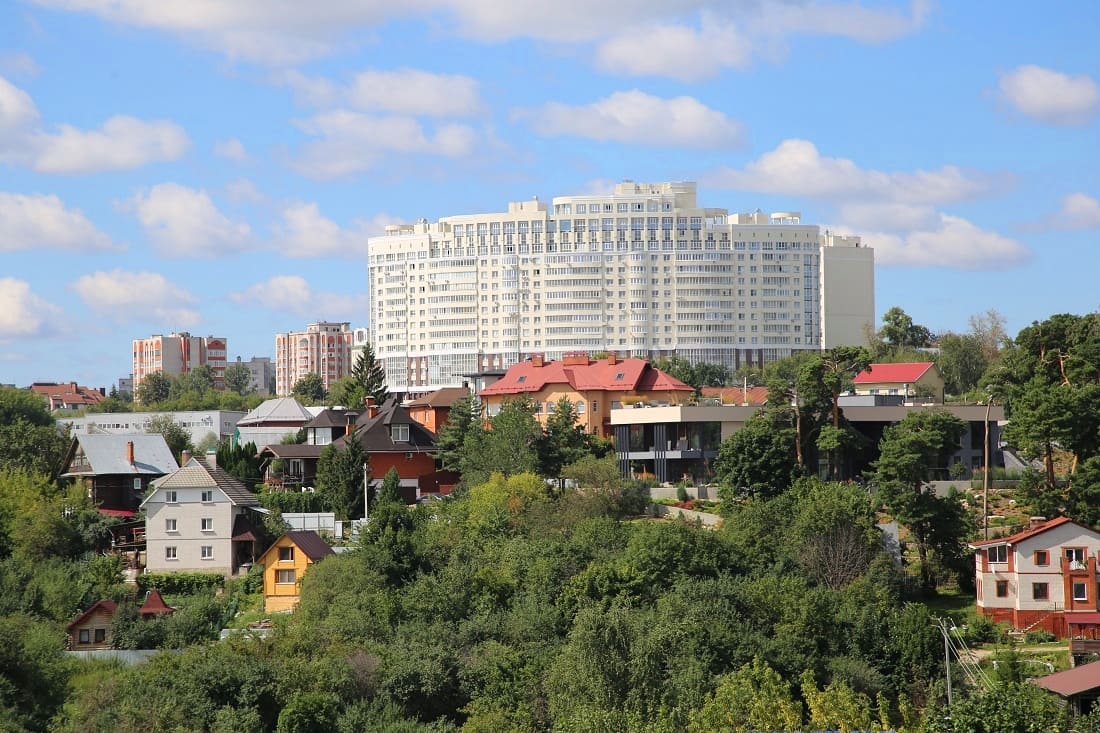
Vladimir is the administrative center of the Vladimir Region. It is famous for the Golden Gate, a symbol of ancient Russian military architecture, and the Assumption Cathedral, a masterpiece of white-stone architecture from pre-Mongol Rus’. The cathedral is renowned for its frescoes by Andrei Rublev.
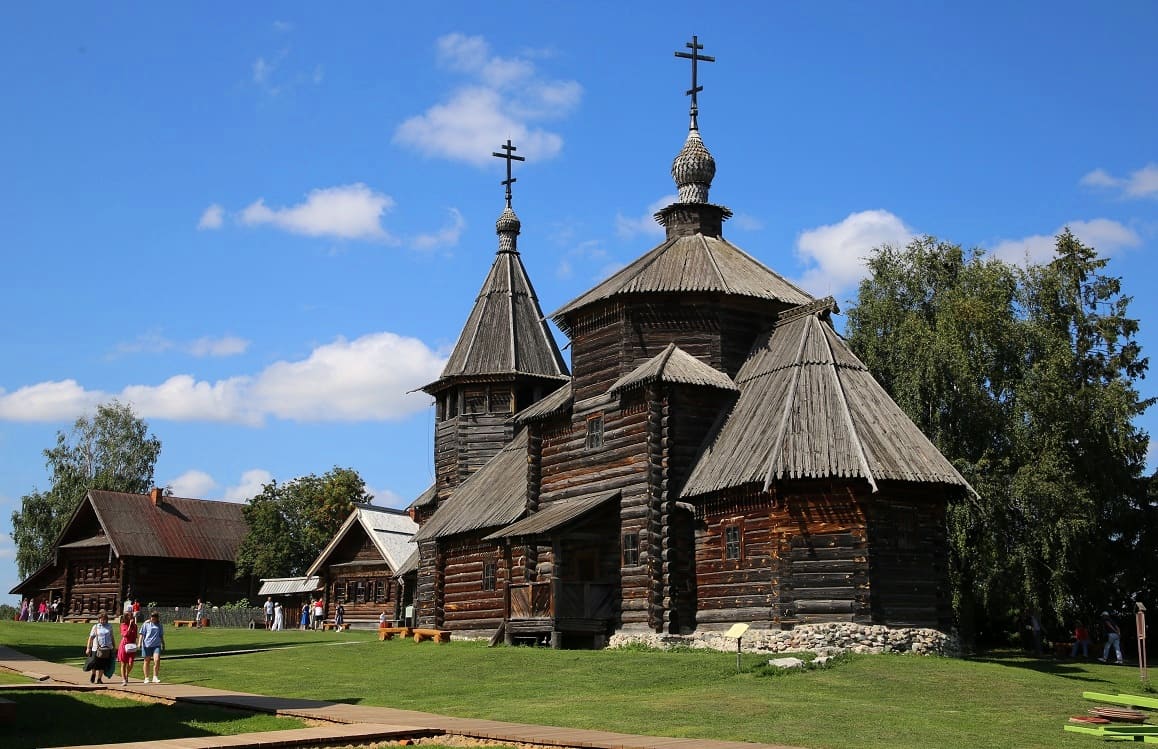
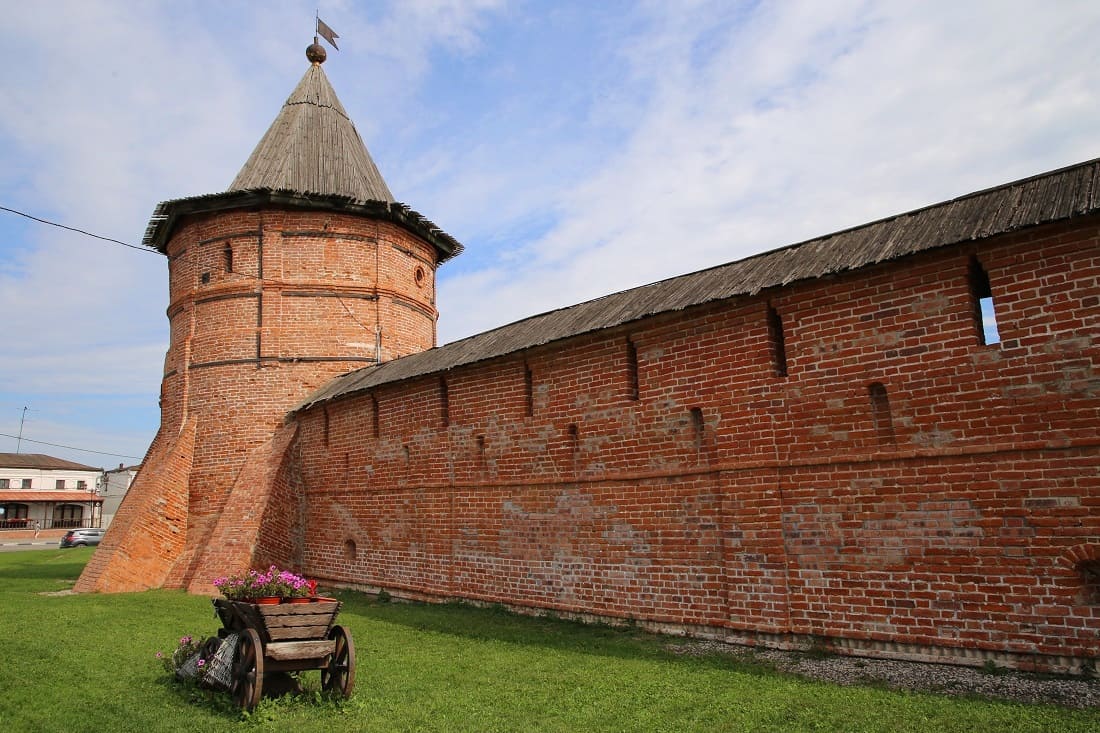
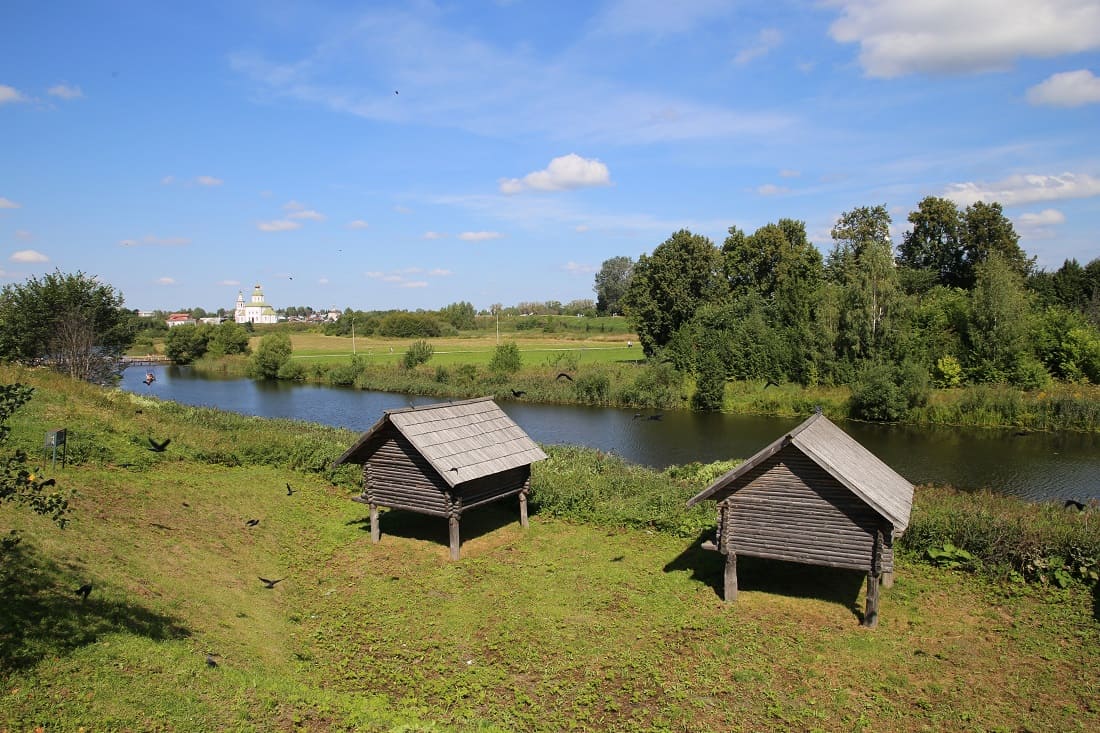
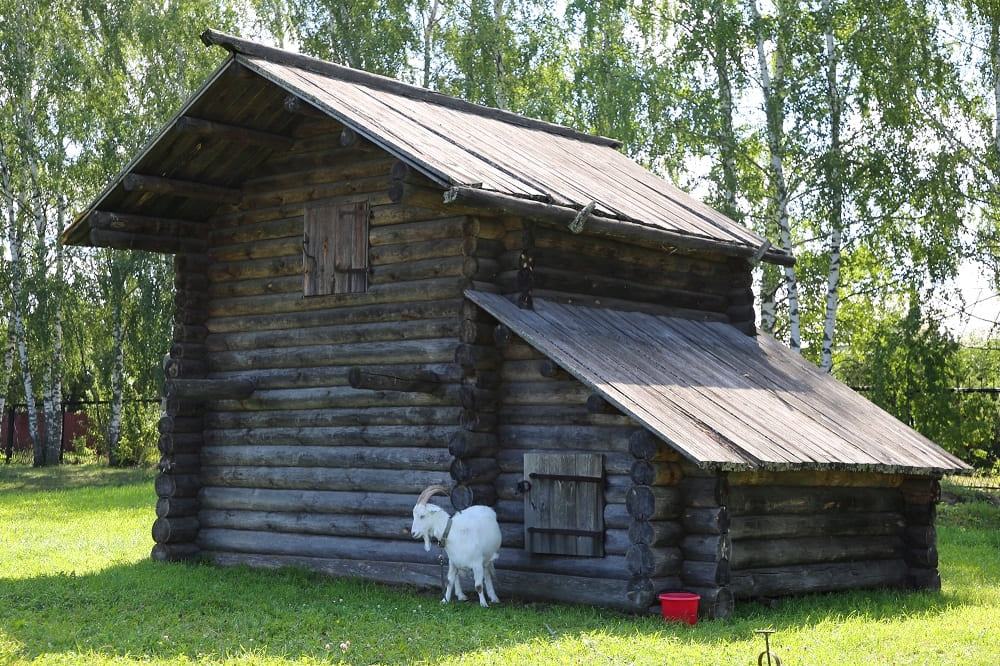
Suzdal is the administrative center of Suzdal District. It is located on the Kamenka River, a tributary of the Nerl, about 26 kilometers north of Vladimir. One of Suzdal’s main attractions is the Suzdal Kremlin. Another significant site is the Spaso-Evfimievsky Monastery. Suzdal is also home to the Museum of Wooden Architecture, which showcases traditional Russian wooden buildings.
Bogolyubovo is a village in the Suzdal District and the center of the Bogolyubovskoye rural settlement. It is home to the Cathedral of the Nativity of the Blessed Virgin Mary, a 12th-century monument of civil architecture and a UNESCO World Heritage Site. The Church of the Intercession on the Nerl, one of the most iconic structures of ancient Rus’, is located nearby. The protected area at the confluence of the Klyazma and Nerl rivers combines natural beauty and historical significance, creating a unique cultural landscape.
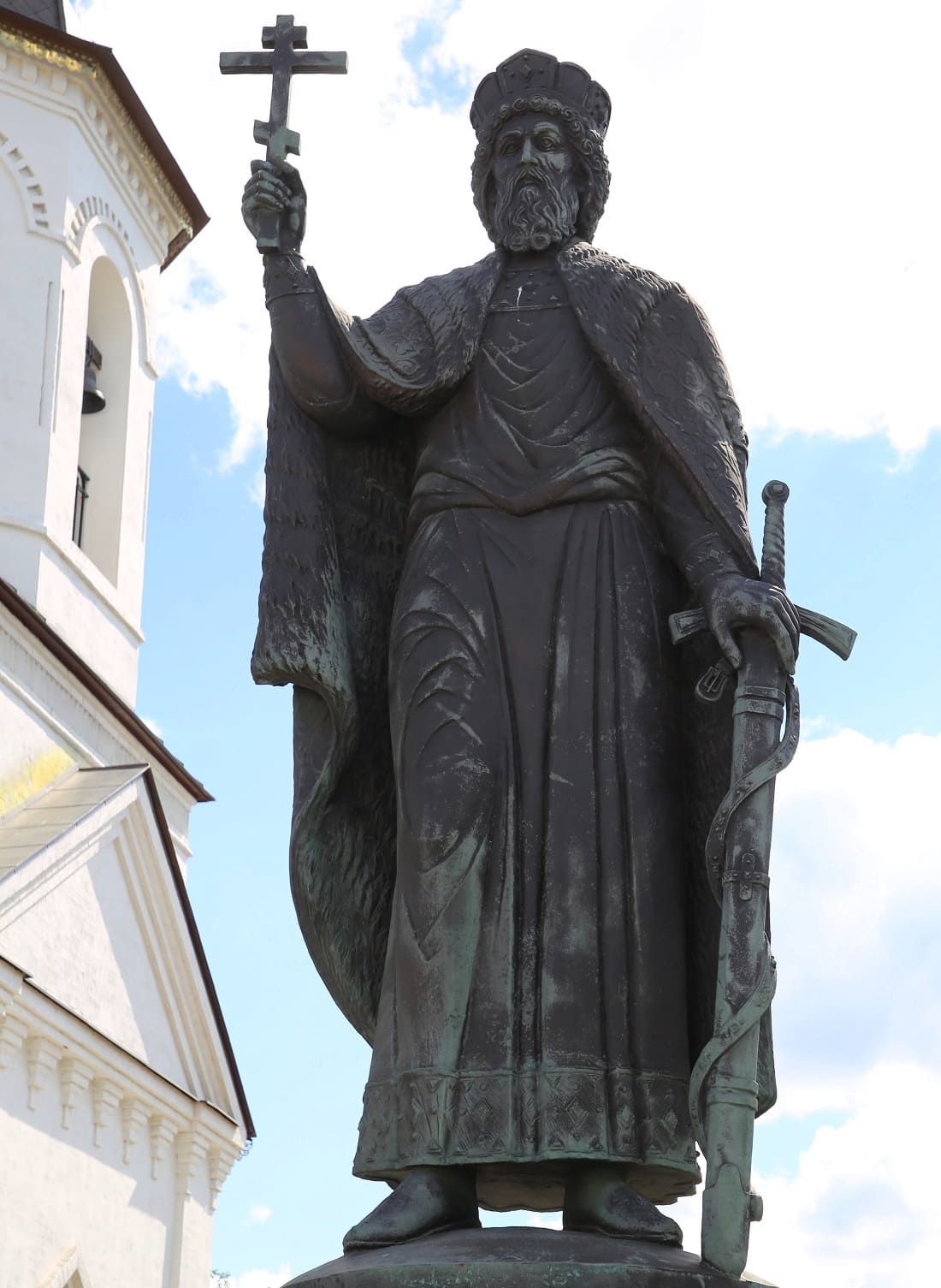
Yuryev-Polsky is an ancient town in the Vladimir Region, located on the banks of the Koloksha River, a tributary of the Klyazma. Here you can see the St. George Cathedral on the site of the former Kremlin, the St. Michael the Archangel Monastery (built in the 13th century), the monument to Yuri Dolgorukiy, and the historic shopping arcade.
Gorokhovets is the administrative center of the Gorokhovetsky District. It features several unique landmarks: the Holy Trinity Nikolsky Monastery on Puzhalova Hill, the famous Shorin House (also known as the House with Mermaids), the Znamensky Convent with the Church of the Sign of the Blessed Virgin Mary, the Annunciation Cathedral, and Bald Mountain, a natural hill rising 90 meters above the Klyazma River.
Murom is the administrative center of the Murom District, but is not part of it administratively. The city boasts several notable sites, including Oka Park, the Holy Trinity Convent, and the Transfiguration Monastery.
The “Gonshchik” Motorcycle Museum is a café and museum dedicated to the history of motorcycles. It is located on the Vladimir-Suzdal highway.
The Cosmas-Yakhrom Monastery is an Orthodox monastery of the Alexander Diocese of the Russian Orthodox Church, located in the village of Nebyloye (Yuryev-Polsky District).
Transport
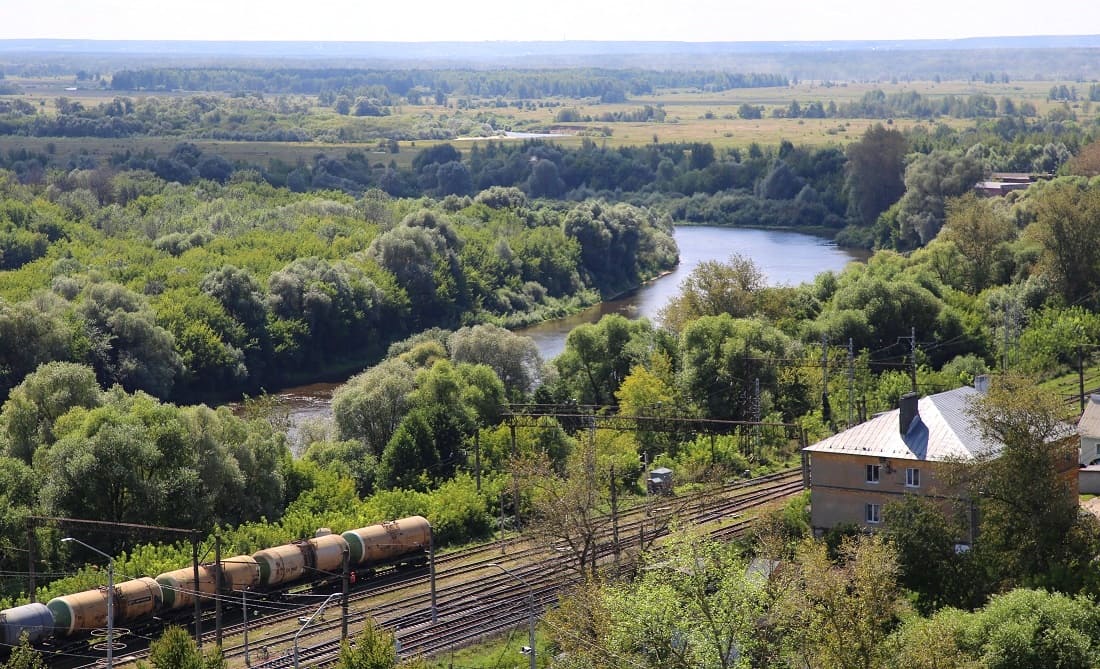
The Vladimir Region is conveniently located at the intersection of major transportation routes. Railways connecting Moscow with the eastern regions of Russia, as well as key federal highways, pass through the region.
The main highways include:
- M12 “Vostok”: Moscow – Tyumen;
- M7 “Volga”: Pokrov – Vladimir – Gorokhovets;
- M8 “Kholmogory”: passes through the Aleksandrovsky District;
- A108: crosses the Kirzhachsky District;
- M7: Vladimir – Suzdal – Ivanovo;
- R71: M7 – Kovrov – Shuya;
- R72: Vladimir – Murom;
- R73: P72 – Gus-Khrustalny – Tuma;
- R74: Vladimir – Yuryev-Polsky – Pereslavl-Zalessky;
- R75: M7 – Kolchugino – Aleksandrov – M8;
- R76: M7 – Murom;
- R125: Nizhny Novgorod – Murom – Melenki – Kasimov – Ryazhsk.
Passenger transportation in the region is managed by the Vladimir Bus State Unitary Enterprise. Bus terminals are located in Vladimir, Murom, and Vyazniki, and the network of intercity bus stations serves all district centers.
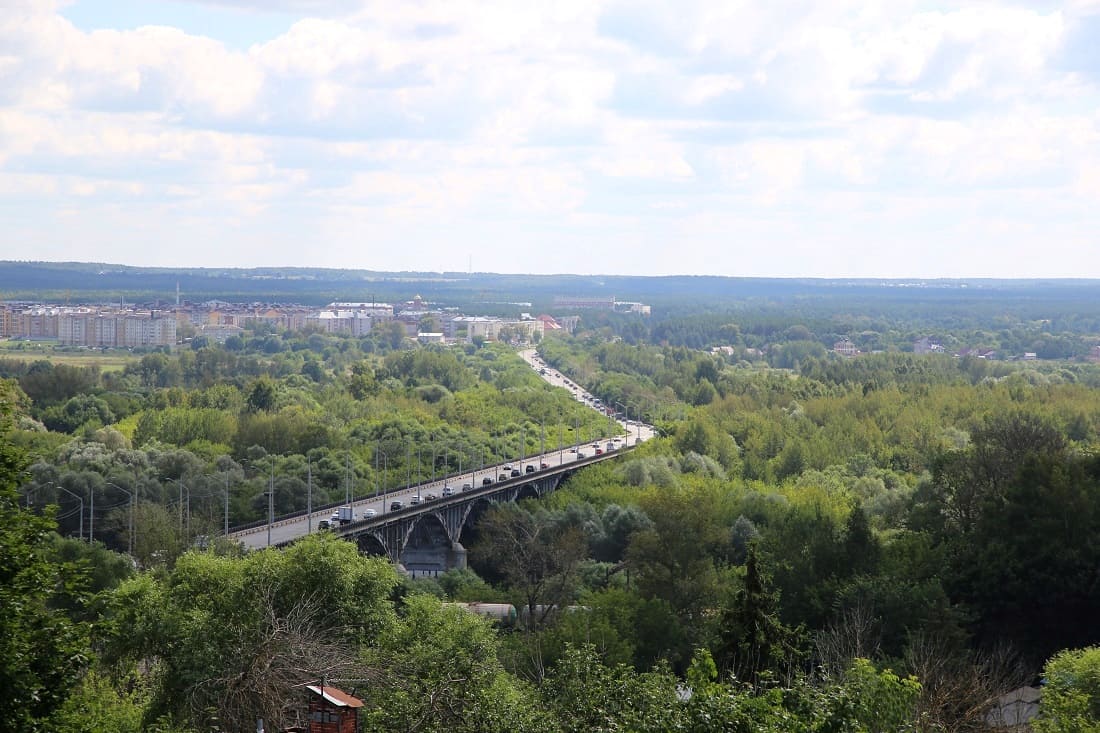
The Vladimir Region also has an extensive railway network. Major railway lines include:
- Moscow – Vladimir – Nizhny Novgorod;
- Moscow – Murom – Kazan;
- Moscow – Aleksandrov – Ivanovo;
- Orekhovo-Zuyevo – Aleksandrov (part of the Greater Moscow Ring Railway);
- Novki – Ivanovo;
- Kovrov – Murom;
- Vladimir – Tumskaya.
Freight and passenger navigation operates on the Klyazma and Oka rivers, with the main river ports located in Vyazniki and Murom.
Semyazino Airport, located 5 km from Vladimir, serves regional air traffic. The region also has airstrips in Vyazniki and Gorokhovets, along with several military airfields. The Vladimir Region lies along eastern air corridors connecting it with Moscow and other major Russian cities.
Main information
Area: 29,084 km²
Coordinates (Vladimir): 56°07’42.2″N 40°23’58.1″E
Population: 1,297,936
Language: Russian
Currency: Russian Ruble (₽)
Visa: Russia
Time: UTC+3:00 (MSK)