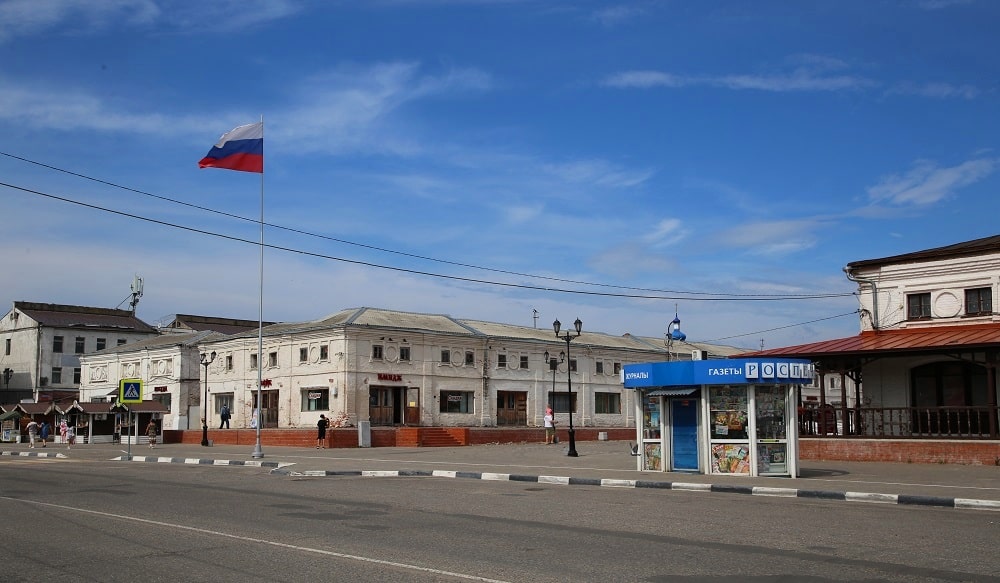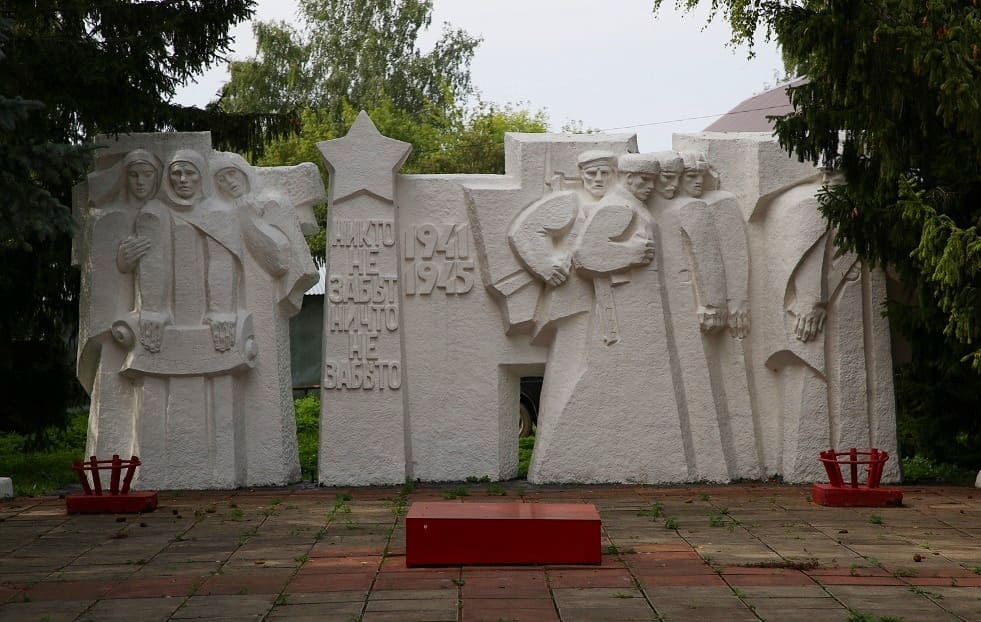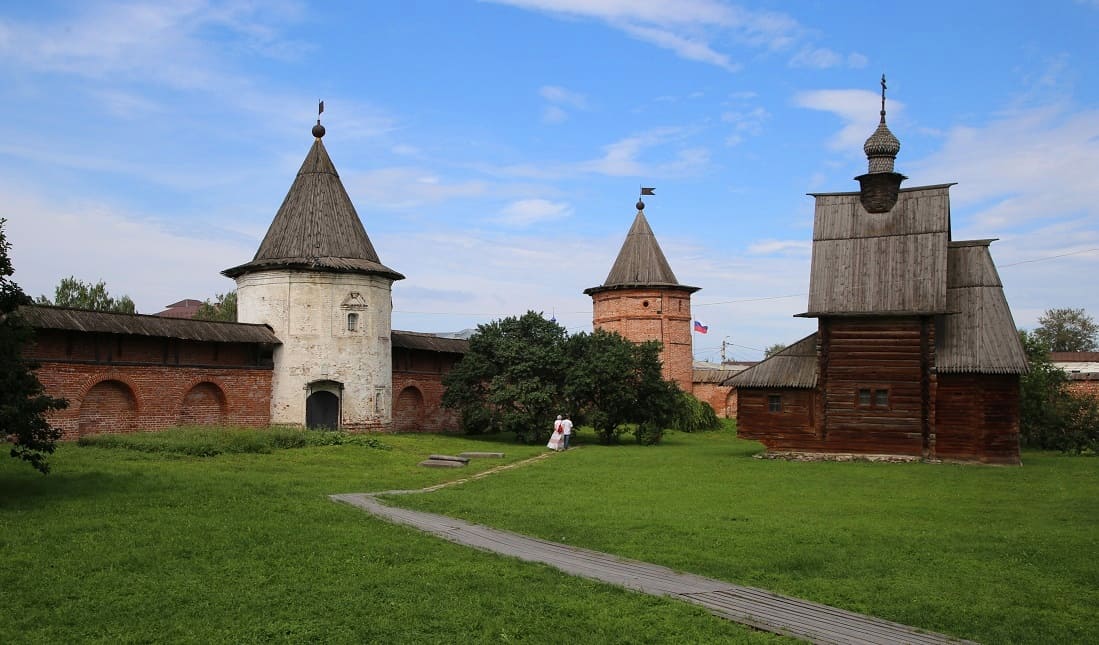
Yuryev-Polsky (Russian: Юрьев-Польский) is a city in Russia. It is the administrative center of Yuryev-Polsky District in Vladimir Oblast. The city forms a municipal entity with the status of an urban settlement, comprising only one inhabited locality.
History
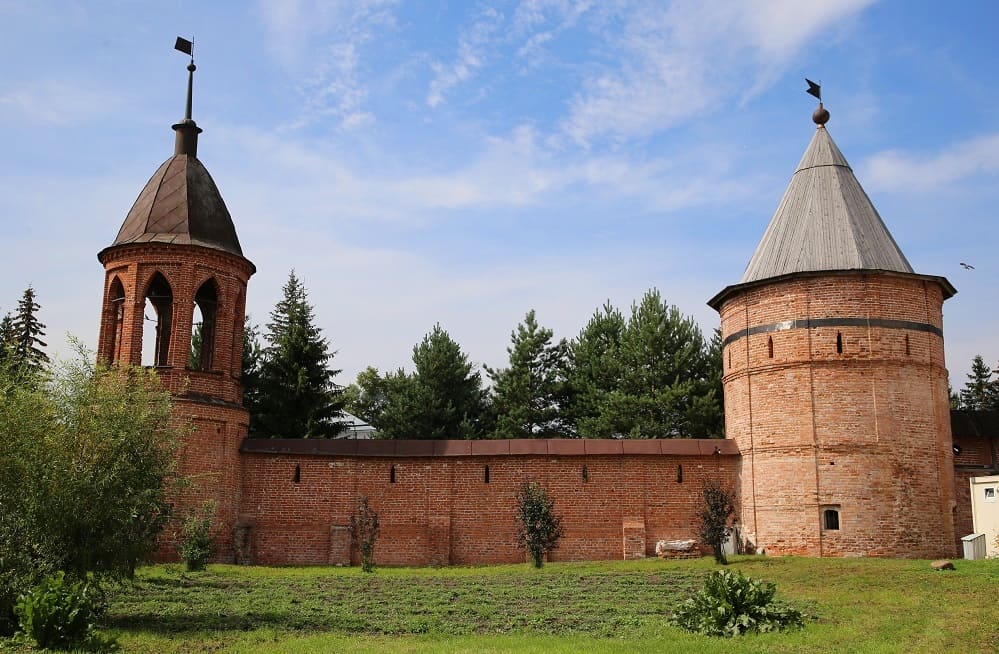
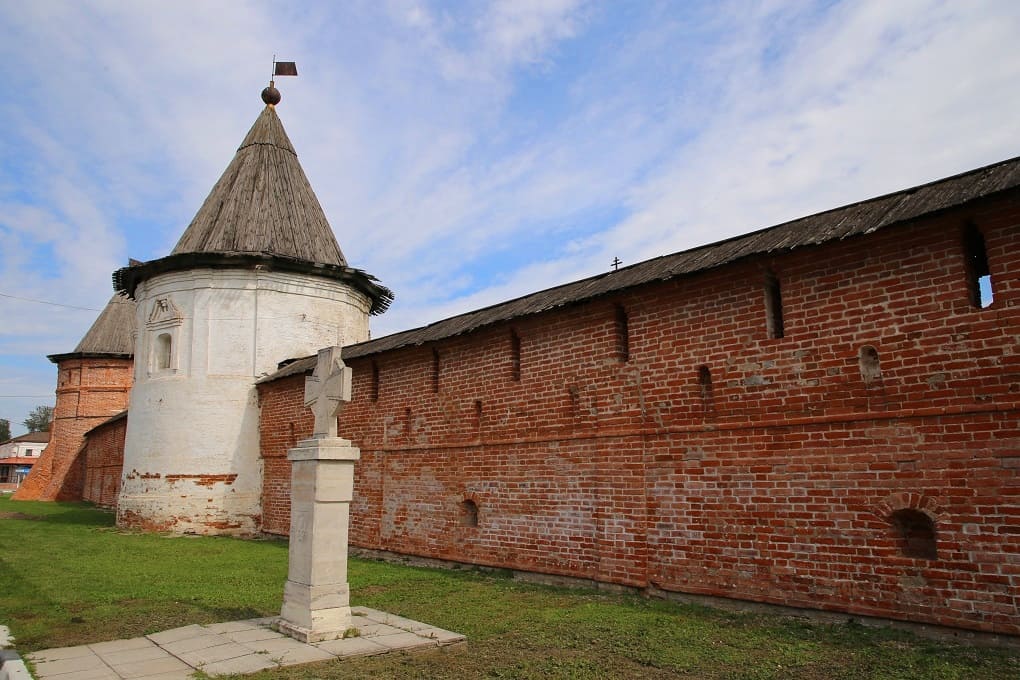
The city was founded in 1152 by Yuri Dolgorukiy. From 1212, Yuryev-Polsky became the center of an appanage principality under Prince Svyatoslav, son of Vsevolod the Big Nest. During his reign, the Mikhailo-Arkhangelsky Monastery was founded inside the fortress built in 1152.
In 1238, 1382, and 1408, the city suffered from Mongol-Tatar raids. In 1340, it became part of the Grand Duchy of Moscow.
During the Time of Troubles in the early 17th century, Yuryev-Polsky was burned by the Polish forces. From the mid-17th century, the city began to experience economic growth, aided by its location on the Great Stromynskaya Road, which connected the Suzdal lands with Moscow.
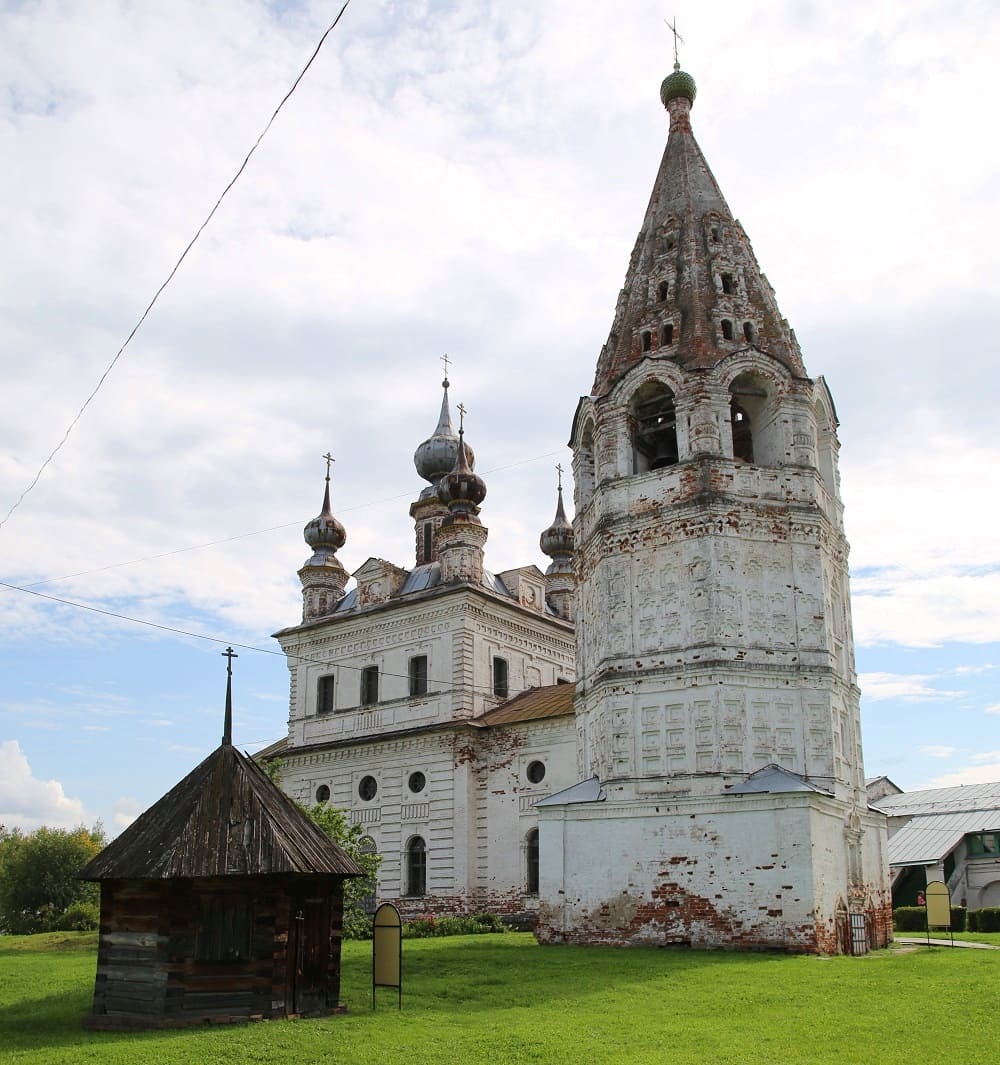
In the 17th–18th centuries, the ensemble of the Mikhailo-Arkhangelsky Monastery was completely rebuilt. Among its notable buildings is the Theological Church, built in 1670 above the western gates of the monastery wall. Also located here are a monumental 17th-century tent-roofed bell tower and the Znamenskaya refectory church. Since 1708, the city was part of the Moscow Governorate. In 1719, it became the center of the Yuryev-Polsky province, and from 1778, a district town. From 1796, Yuryev-Polsky was included in the Vladimir Governorate.
In 1920, the Yuryev-Polsky Historical, Architectural and Art Museum was founded, later reorganized as a historical, architectural, and art museum-reserve. From 1974 to 1989, the museum was a branch of the Vladimir-Suzdal Museum-Reserve, and since 1989, it has held the status of an independent museum.
Attractions
Yuryev-Polsky is part of the Golden Ring of Russia. Among its architectural landmarks are:
- Mikhailo-Arkhangelsky Monastery (17th century) with a cathedral (1792);
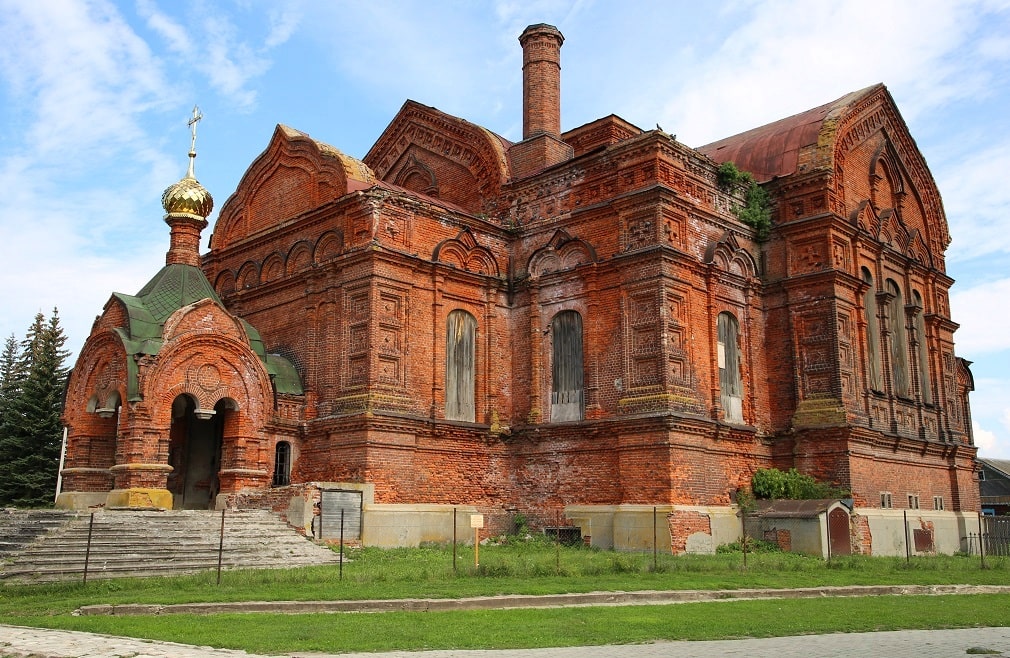
- Petropavlovsky Monastery (19th century);
- Znamenskaya Church (1625);
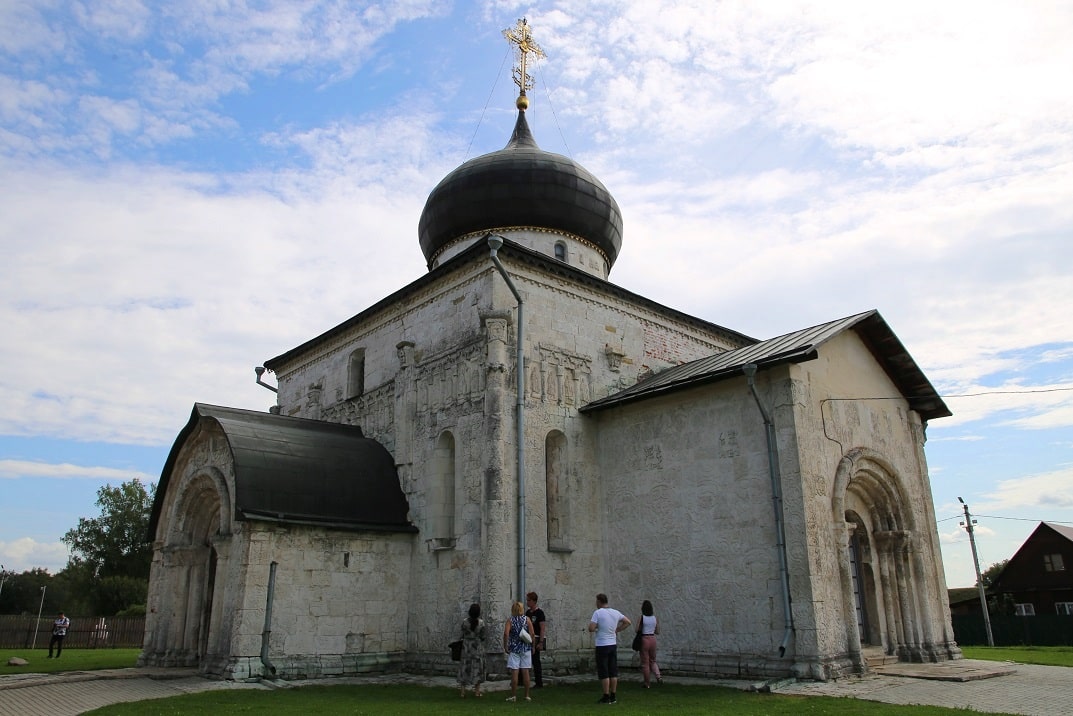
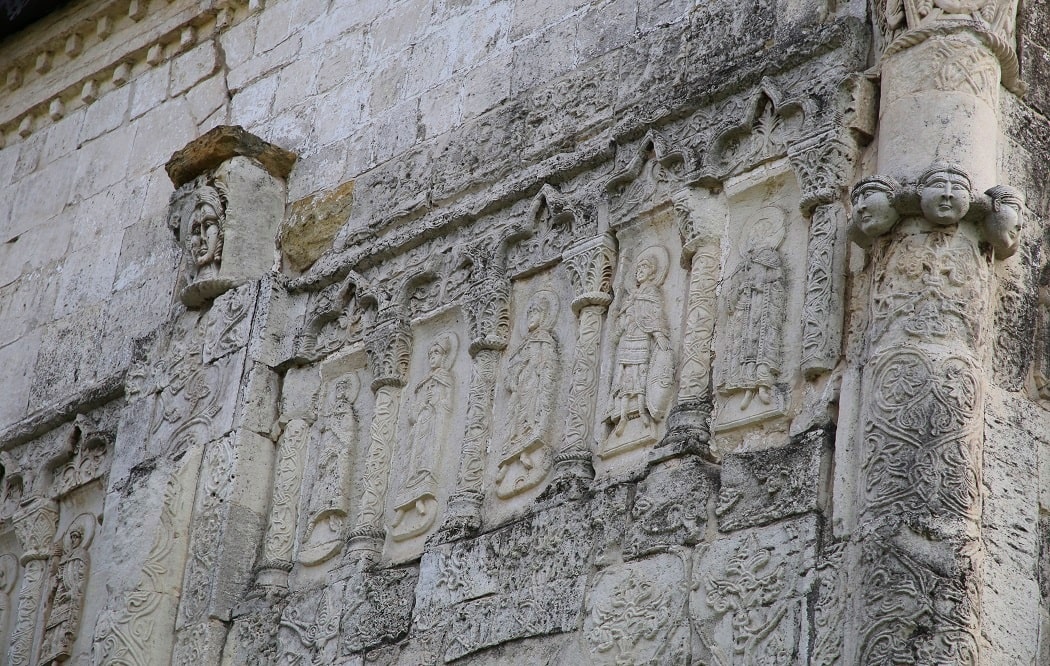
- St. George’s Cathedral (1230–1234; rebuilt in the 15th century). The cathedral museum houses the Svyatoslav Cross, a relic from the pre-Mongol era, revered by believers as a miraculous icon;
- Remains of the ramparts of the ancient 12th-century Kremlin;
- Church of the Nativity of Christ (18th century);
- Church of Nikita the Martyr (18th century);
- Trinity Cathedral.
The burial mound on Yuryeva Gora was excavated in 1852 by archaeologist Alexei Uvarov. There, the grave of a nomadic warrior and his horse, dating to the 12th century, was discovered. The mound was later destroyed during construction.
Nearby, in the village of Sima, lies the former Golitsyn family estate, where General Pyotr Bagration, hero of the Patriotic War of 1812, died in September 1812.
See also Cosmas Yakhrom Monastery, located 30 km from the village.
Transport
The Northern Railway, specifically the Ivanovo line, passes through the city. The Yuryev-Polsky Station is located here, with daily trains departing to Moscow, Alexandrov, Ivanovo, and Kineshma.
From Suzdal: 1 hr (60 km) via 17Н-67 and 17А-1
From Vladimir: 1 hr (66 km) via 17А-1
From Moscow: 2 hrs 45 min (200 km) via М-8, 17А-2 and 17К-10
Main information
Area: 10 km²
Coordinates: 56°29’56.5″N 39°40’50.6″E
Population: 17,276
Language: Russian
Currency: Russian Ruble (₽)
Visa: Russia
Time: UTC+3:00 (MSK)