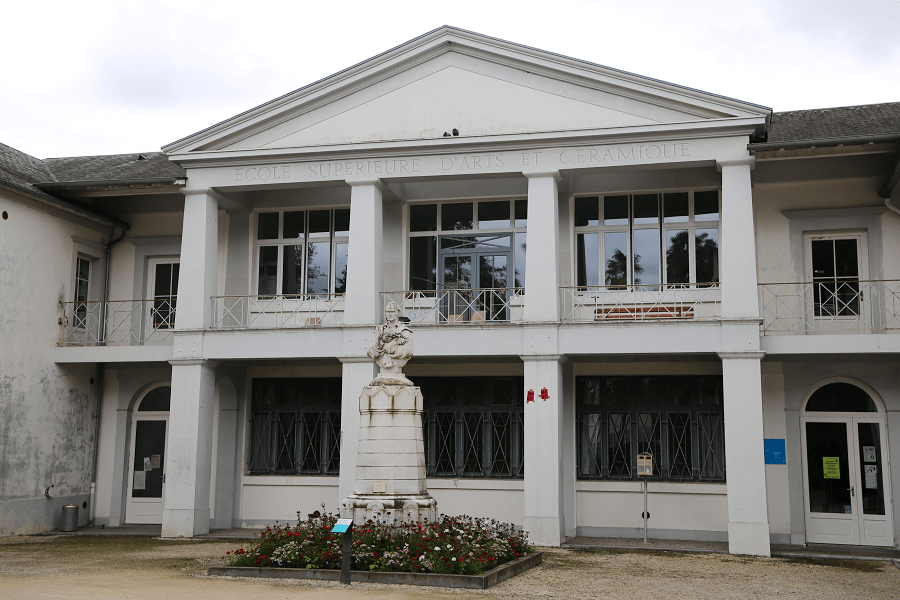
Tarbes is a commune in Gascony, in southwestern France. It is also the prefecture of the Hautes-Pyrénées department, in the Occitanie region. The city is located on the Pyrenean axis, which runs from the Atlantic to the Mediterranean, not far from the Franco-Spanish border.
Historically and culturally, the commune belongs to the former County of Bigorre, a historic county in the French Pyrenees and Gascony. Exposed to an altered oceanic climate, it is drained by the Adour, Échez, Gespe, and various other small rivers. The commune boasts a remarkable natural heritage: a Natura 2000 site (the “Adour Valley”), a protected area, and three natural areas of ecological, faunal, and floristic interest.
Tarbes is an urban commune with a population of 44,529 (2022). It is part of the Tarbes metropolitan area and the Tarbes catchment area. Its inhabitants are called Tarbais or Tarbaises.
The city has a relatively small area (15.33 km²) and is located at an average altitude of 304 meters, at the foot of the Pyrenees mountain range, whose peaks (starting with the Pic du Midi de Bigorre) stand out clearly in the urban landscape.
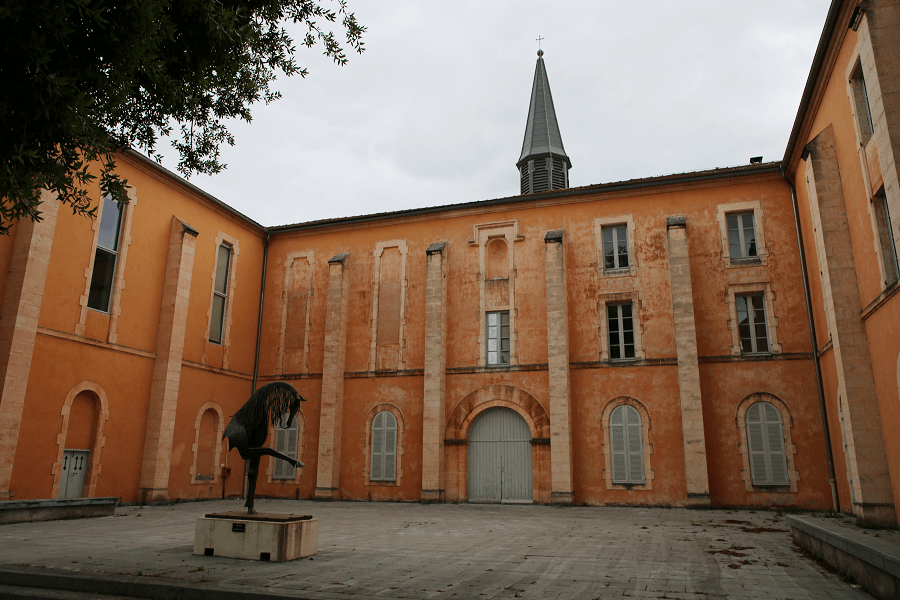
Oriented towards high-tech industries, particularly in the aeronautics sector, it has a university center integrated into the University of Pau and the Pays de l’Adour network, which includes four other cities in the Adour Basin: Pau, Bayonne, Anglet, and Mont-de-Marsan. The Tarbes university campus also hosts several programs affiliated with the Toulouse II Jean-Jaurès / Le Mirail and Toulouse-III-Paul Sabatier universities. The campus faces the Pyrenees.
Famous for local produce such as Tarbes beans, Tarbes is also a “market town” and a center specializing in the agri-food industry.
The city is the historic seat of a Catholic diocese established in the 4th century (Tarbes and Lourdes), corresponding to the Hautes-Pyrénées department.
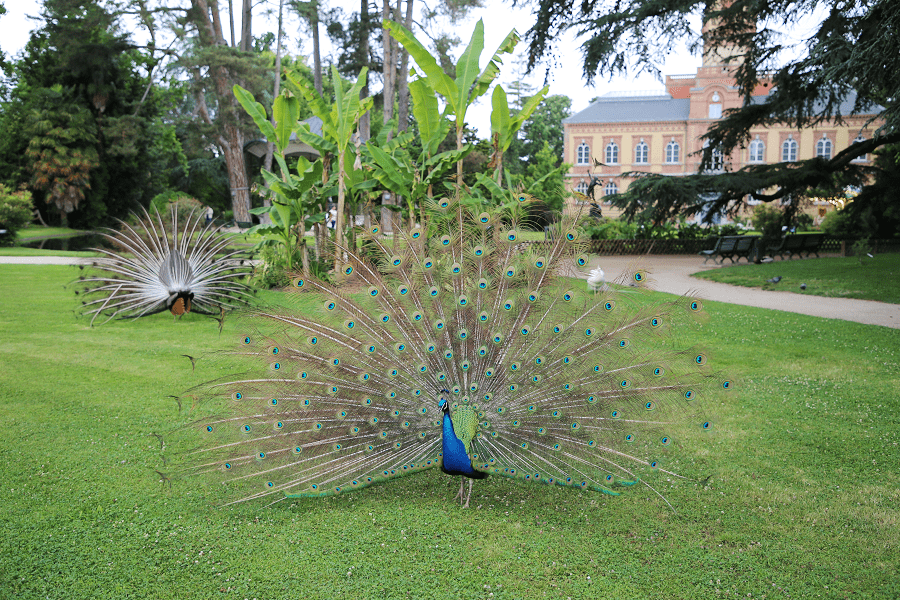
Tourism
The city has developed infrastructure to promote the reception and leisure of visitors in various areas, including: hotels, numerous restaurants, wooded parks including the Massey Garden, classified as a “Remarkable Garden”, etc. Tarbes-Lourdes-Pyrénées International Airport is a major regional airport which has a high level of activity during the tourist season.

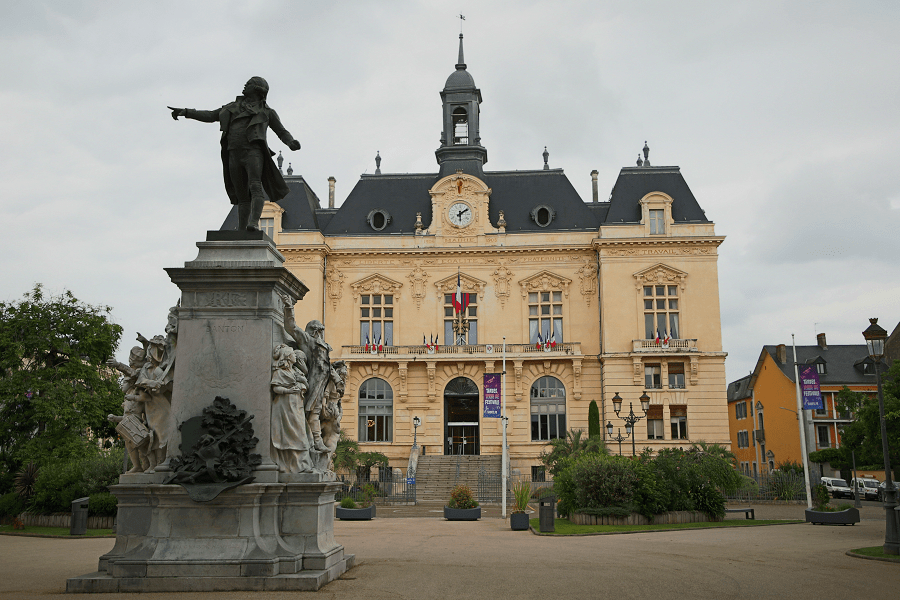
The town hall and the courthouse, classical 19th-century buildings, adjoin Rue Maréchal-Foch. Inaugurated in 1906, the town hall stands out for its striking monumentality. It is topped by a bell tower and faces Place Jean-Jaurès, where the statue of Danton stands. The Hôtel Brauhauban, an 18th-century mansion, is one of its annexes.
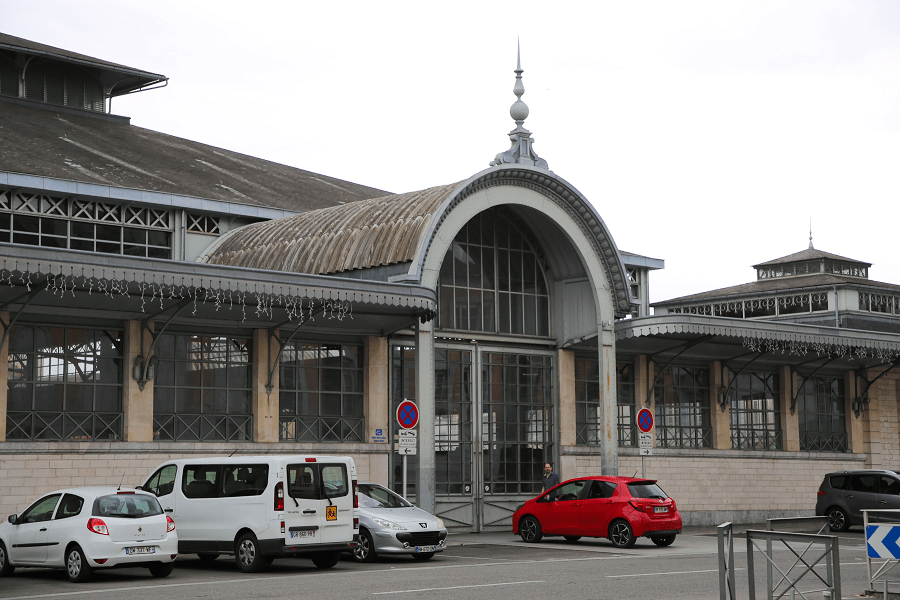
Three locations are dedicated to markets: the Marcadieu Hall, the Brauhauban Hall and Place du Foirail. Near the Brauhauban Hall, an Italian-style theater known as the Théâtre des Nouveautés was built in 1885.
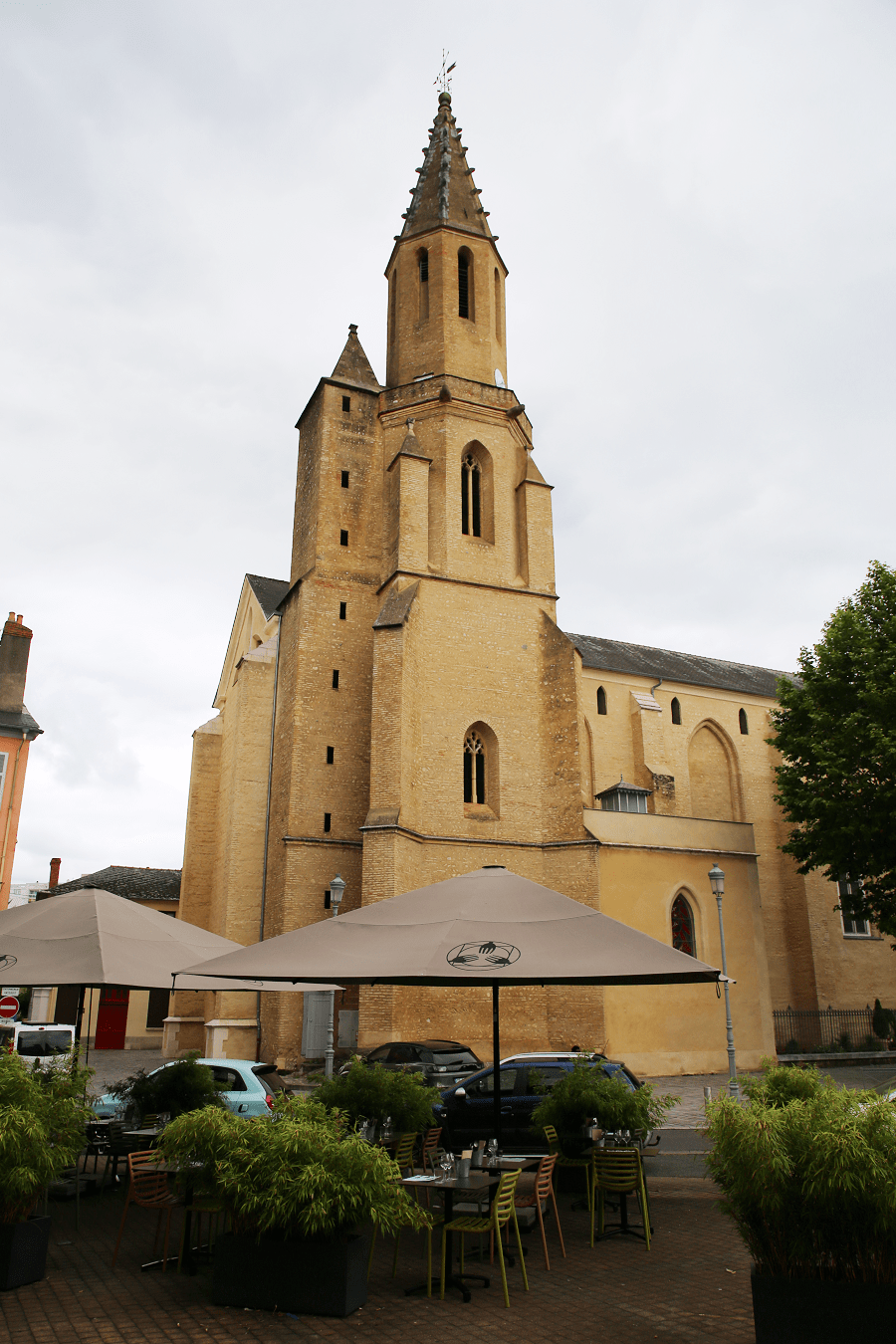
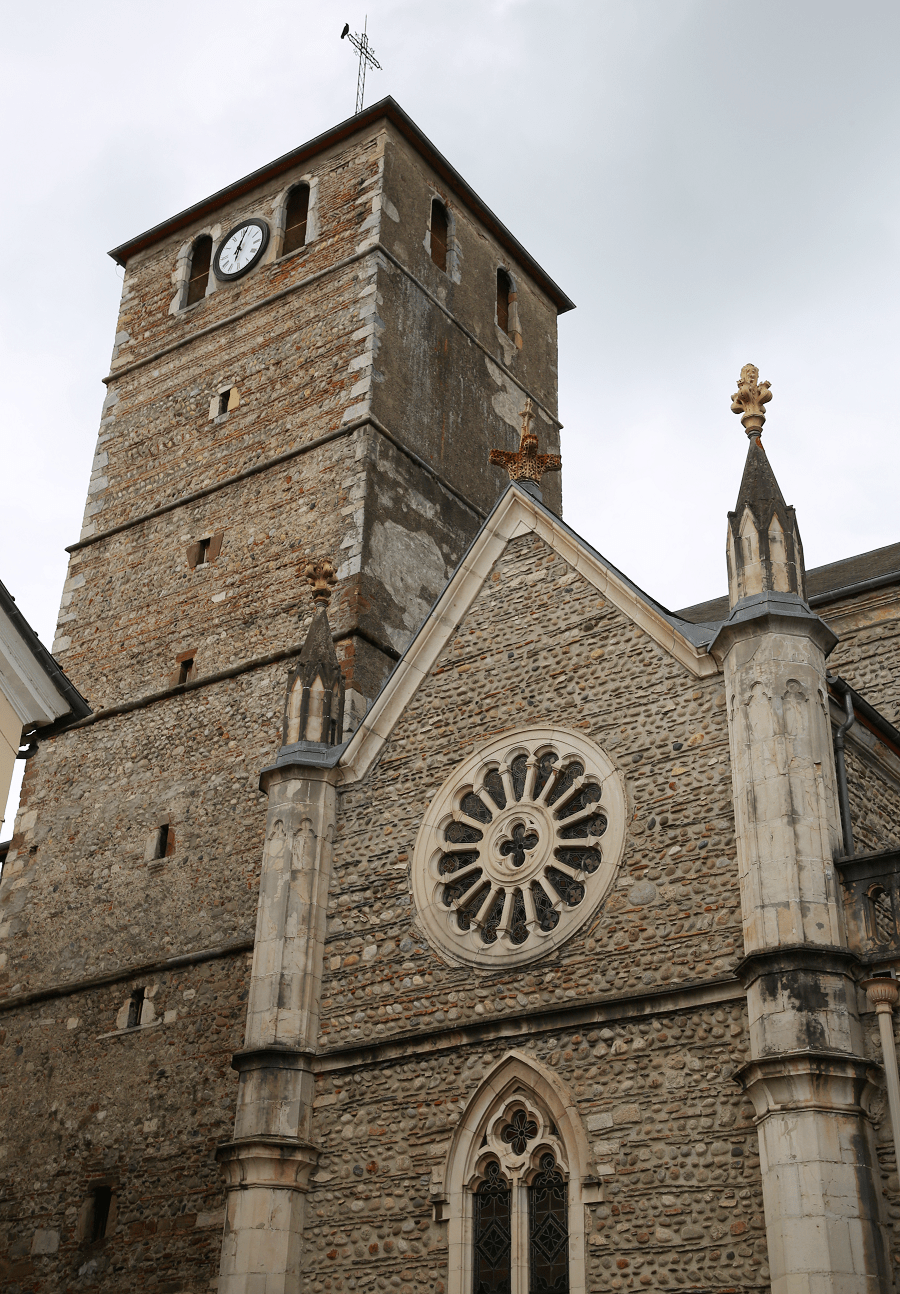
Backing onto the former episcopal palace, now the prefecture, Notre-Dame-de-la-Sède Cathedral, on Place De Gaulle, features a classical façade dating from the 17th century. In contrast, the apse topped with a lantern tower enlarged in the Gothic period and the transept dating from the 12th century remain above all marked by the Romanesque origins of the building.
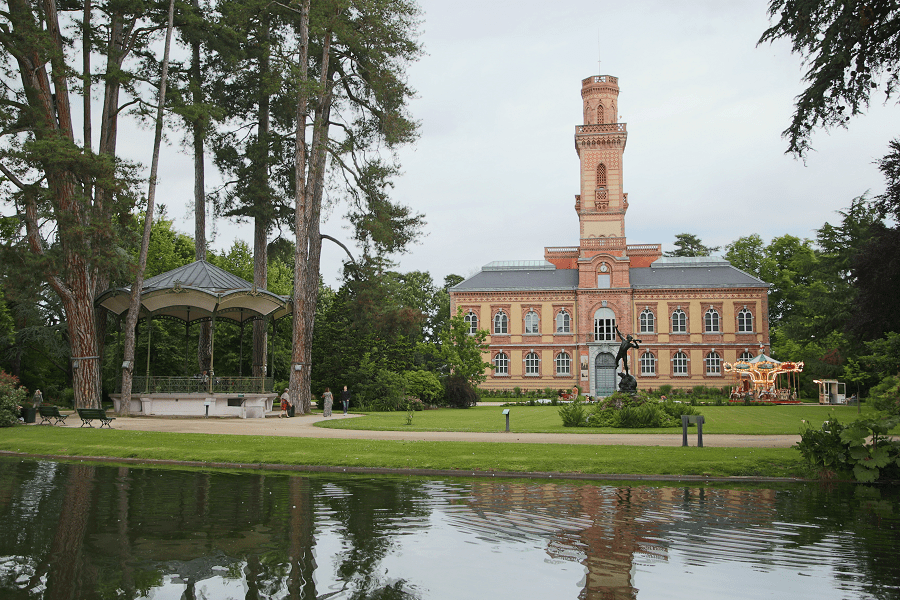
The Massey Museum houses the “Historical Hussar Collection,” which brings together over 15,000 objects spanning 400 years of history, from the 16th to the 20th century. The museum’s exhibition, utilizing new multimedia technologies, will showcase 200 mannequins and busts, 600 weapons, and around 100 paintings by artists such as Horace Vernet, Ernest Meissonnier, and Édouard Detaille. They are also the “Fine Arts” collection. It was created from a donation by Achille Jubinal, Member of Parliament for the Hautes-Pyrénées region. It brings together major works from the Italian school, others from the Spanish school as well as the Dutch and Flemish schools, while the French school includes works from the 17th and 18th centuries. It has been enriched by other donations, such as those from the Fould family and the Academic Society of the Hautes-Pyrénées.
Gastronomy
The famous Black Pig of Bigorre is the region’s signature product.
Brought from South America in the 16th century, the Tarbais bean was introduced to the Tarbes plain in the early 18th century, along with corn.
For dessert, there’s the “gâteau à la broche” (spit cake), cooked on a spit, as its name suggests, for long hours over a wood fire.
Transport
Air
Tarbes-Lourdes-Pyrénées International Airport (IATA code: LDE; ICAO code: LFBT) is located 10 km from the center of Tarbes, it comprises a large two-level main terminal and, adjacent to it, a 500 m² terminal dedicated to business and private aviation. The airport is served by several airlines with connections to cities such as Paris, Milan, London, Rome, Krakow, etc. The airport is owned by Pyrenia.
Train
The TGV connects Tarbes station to Paris-Montparnasse several times a day, taking six hours. It also provides a three-hour connection to Bordeaux. This service is complemented by the TER (Nouvelle-Aquitaine and Occitanie) and Intercités night trains, which provide extensive connections with Toulouse, Pau, Bayonne, and the Basque coast. These trains also provide connections between Paris-Austerlitz and Irun (Spain) without changing trains.
Car
- From Toulouse: 1 hr 50 min (155 km) via A64
- From Andorra: 3 hr 42 min (263 km) via A64
- From Barcelona: 5 hr 19 min (399 km) via A64
- From Madrid: 6 hr 46 min (653 km) via A-1
- From Paris: 8 hr 3 min (827 km) via A10
Main information
Area: 15.33 km²
Coordinates: 43°13’57.0″N 0°04’40.9″E
Population: 44,529
Language: French
Currency: Euro (€)
Visa: Schengen
Time: Central-European UTC +1
See here Pyrenees travel guide
See here France travel guide
See here Spain travel guide
See here Andorra travel guide