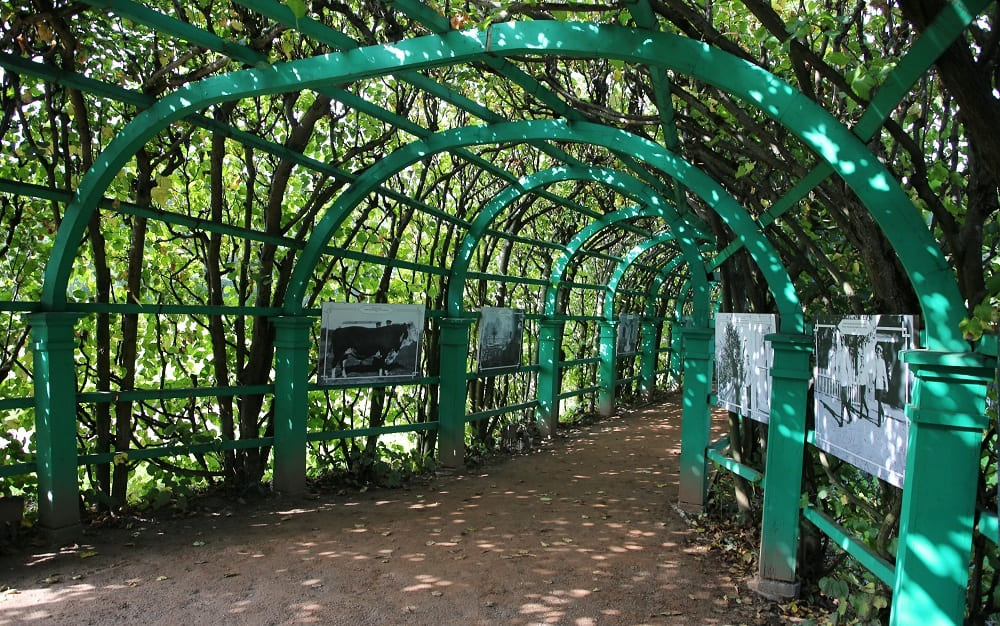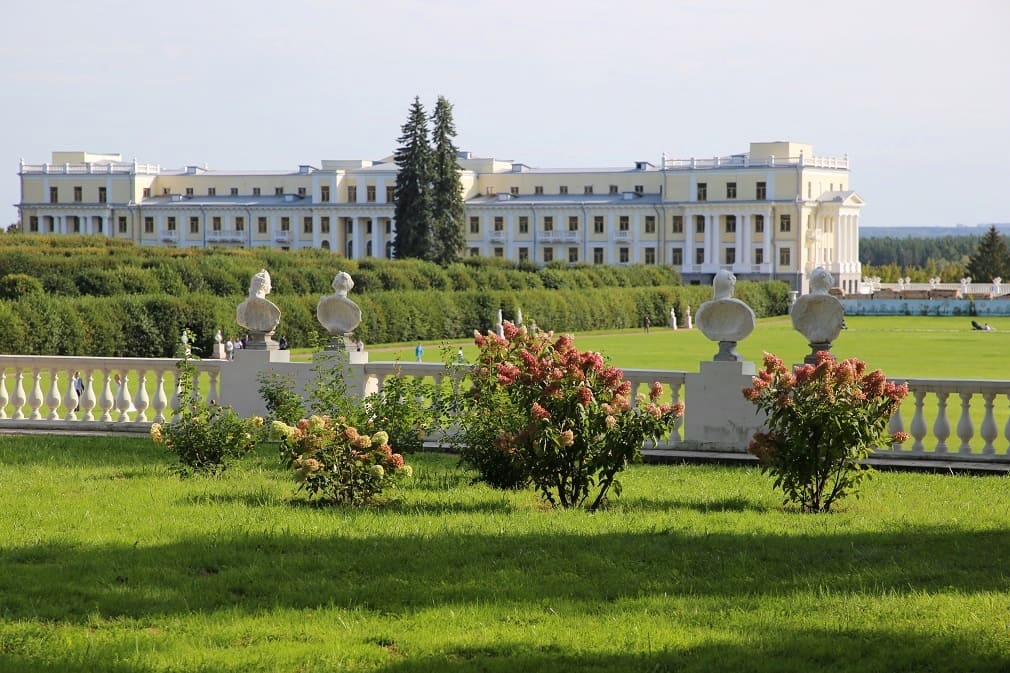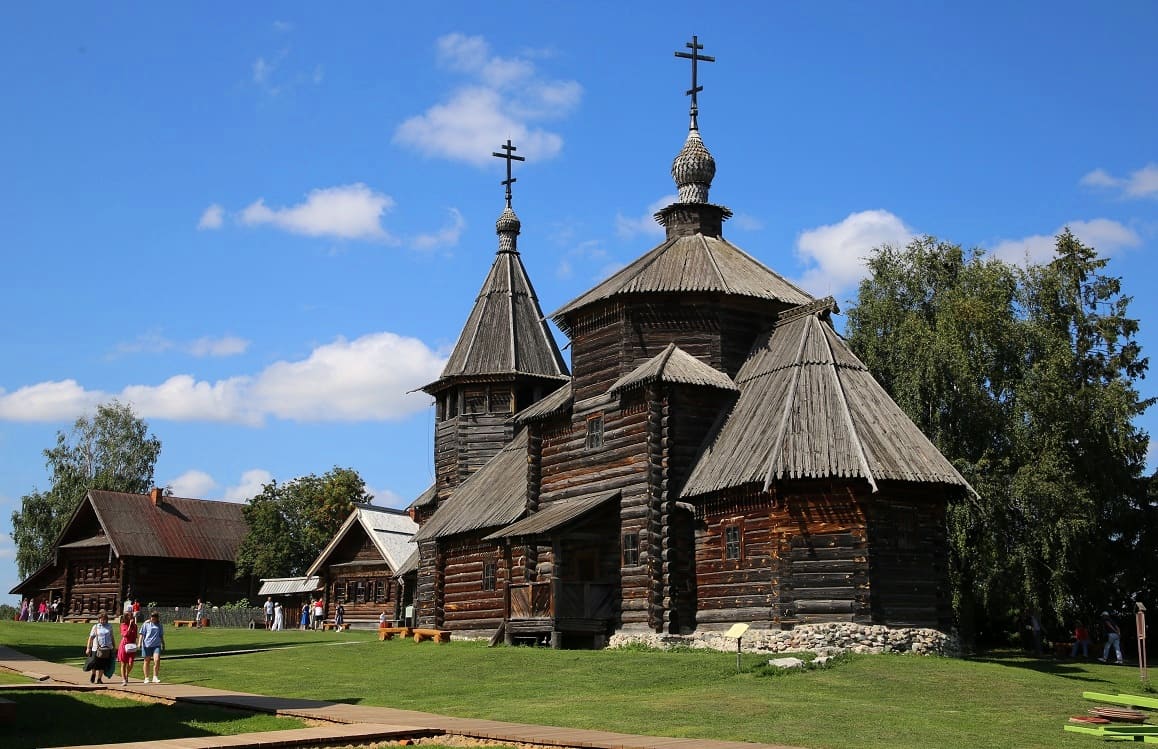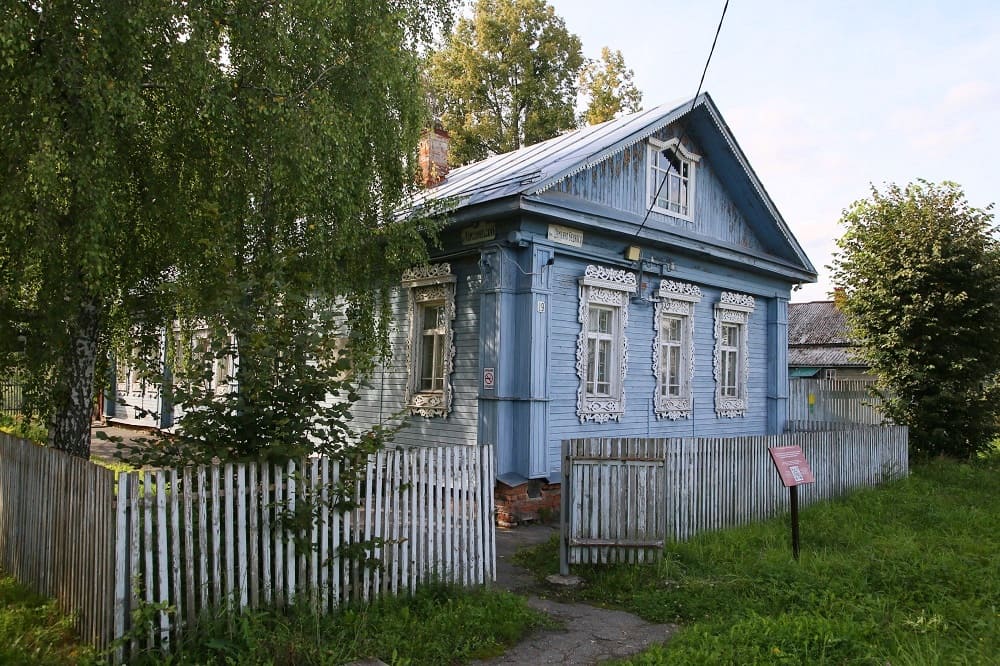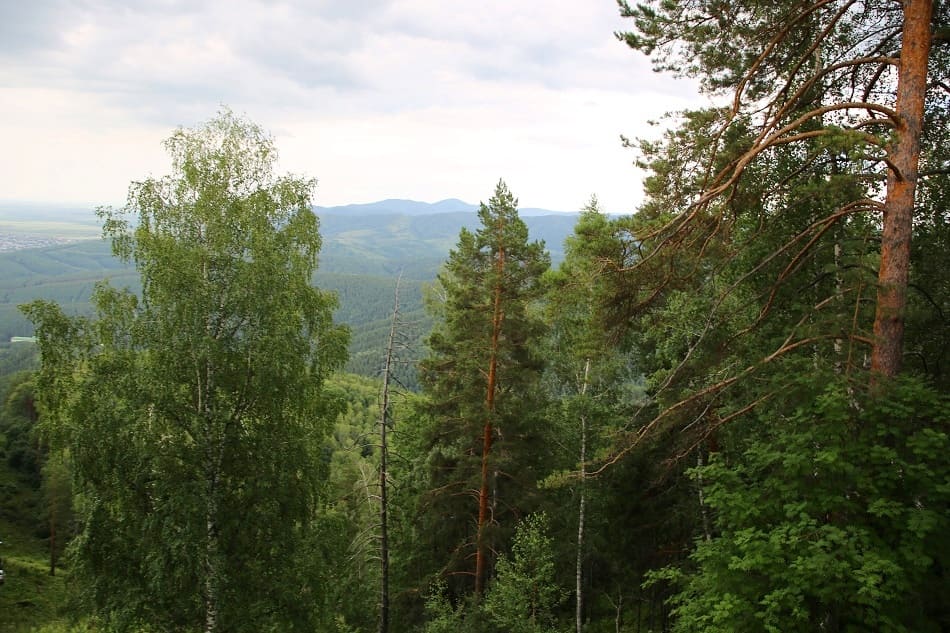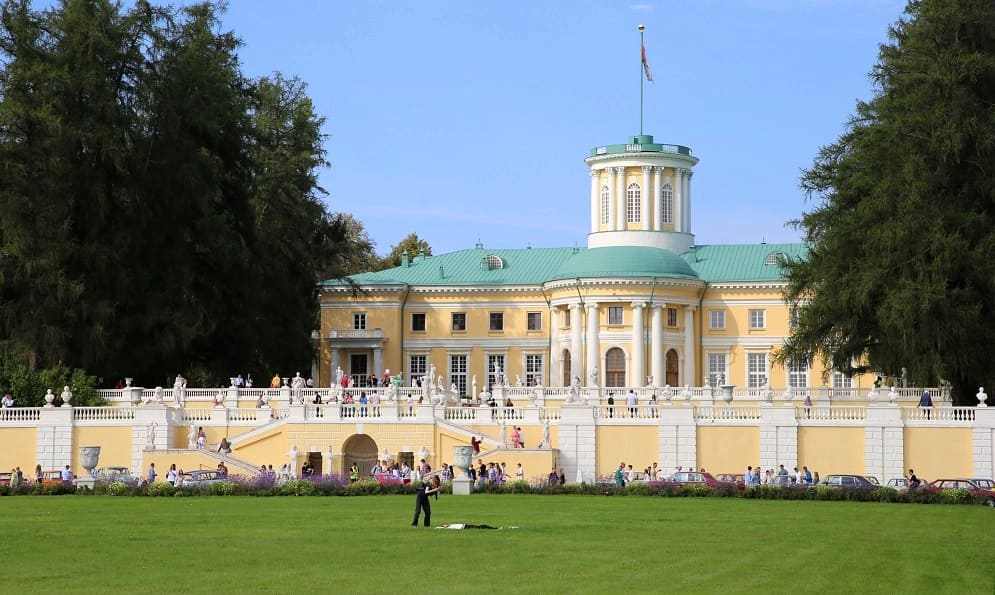
The Arkhangelskoye Estate (Russian: Усадьба Архангельское) is a magnificent palace and park complex built in the late 18th and early 19th centuries. It is located on the banks of an oxbow lake of the Moskva River in the Krasnogorsk Urban District of the Moscow Region, just 2 km from the city of Krasnogorsk. This unique site is recognized as a particularly valuable cultural heritage site for the peoples of Russia.
History
The estate has been known since 1584. At that time, it was owned by Alexei Ivanovich Upolotsky and Osip Matveyev. In 1623, it was acquired by Nemir and Grigory Kireevsky. In 1646, Fyodor Ivanovich Sheremetev became the owner, under whom the village was named Arkhangelskoye after the Church of St. Michael the Archangel. In the 17th century, the estate was purchased by the Odoevsky princes, and from 1681 to 1703 by Prince M. Ya. Cherkassky, under whom a stone church was built. From 1703 to 1810, the estate belonged to the Golitsyn family.
Dmitry Mikhailovich Golitsyn, exiled to Arkhangelskoye, built a new wooden house and park. In 1741, the estate passed to his son Alexei, and then to his grandson Nikolai, who in the 1780s built the “Big House” and redesigned the park, commissioning designs from the French architect Jacques-Jaquot Guerne.
After Golitsyn’s resignation in 1792, the Arkhangelskoye palace remained unfinished. In 1809, the estate was inherited by Maria Adamovna, and in 1810, Prince N.B. Yusupov purchased it for 245,000 rubles, including the glass factory. The estate was used to maintain his prestige, house collections, and stage theatrical projects.
In 1812, it was plundered by the French, and in 1820, a fire destroyed some of the collections and damaged the building. The restoration was carried out by Moscow architects and serf masters, who repainted the halls and park, which became a “Moscow Versailles.”
Arkhangelskoye attracted prominent cultural figures and members of the imperial family. Restorations were carried out in 1901 and 1910. After the Revolution, the estate became a museum, and in the 1930s, sanatorium buildings were built on its site.
From 1945 to the 1990s, the CSKA Moscow team’s training center was located here.
Architecture
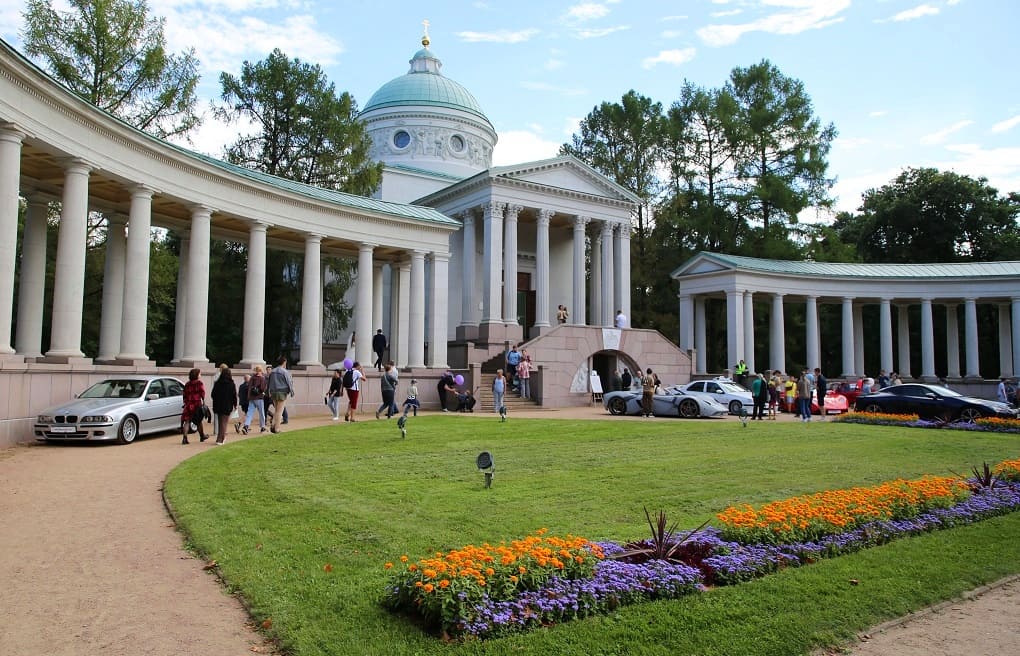
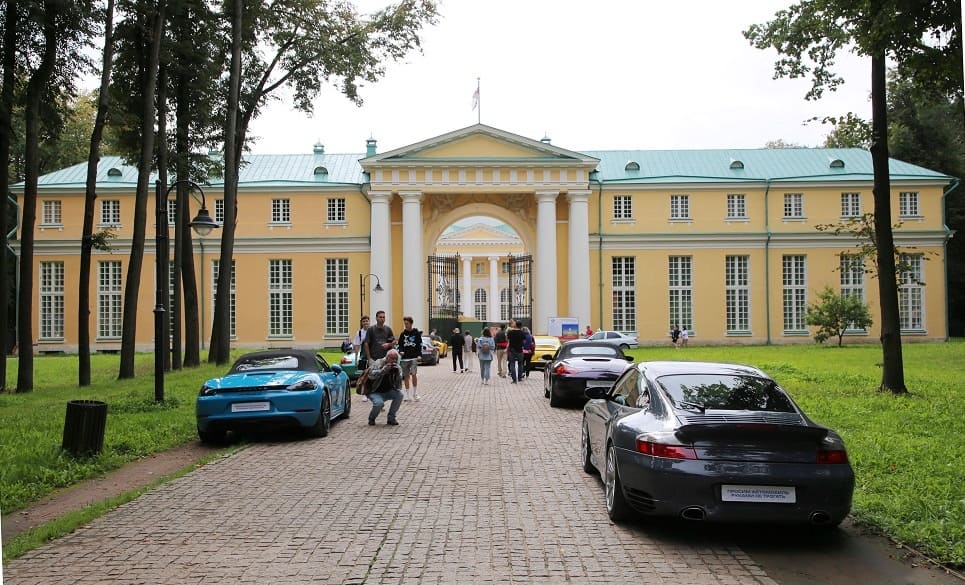
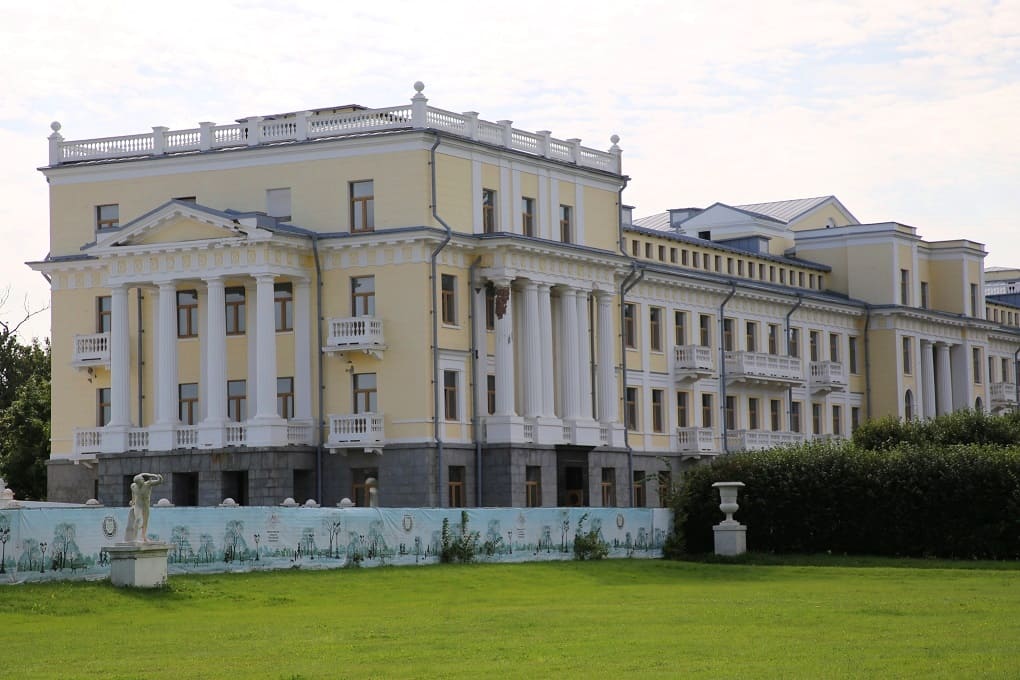
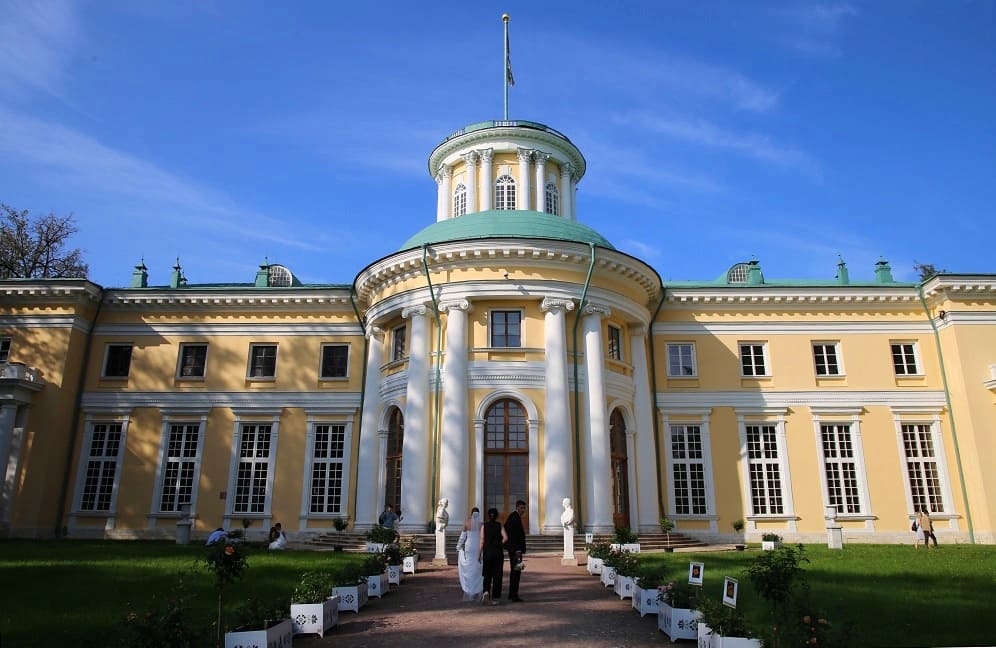
Giacomo Trombara designed a semi-rotunda with Ionic columns and a high belvedere. On the opposite side of the estate are open galleries “alla francese.” The terrace’s retaining wall is decorated with a balustraded staircase and statues of classical gods. The entrance arch was built by the architect V. Ya. Strizhakov based on designs by S. P. Melnikov.
The park pavilions include the “Caprice,” the Manege, the “Tea House” rotunda (F. I. Petondi), the “Catherine’s Temple” (E. D. Tyurin), and a theater.
The sculptures in the palace and park are varied: from copies of classical statues to works by 18th-century Italian masters. A copy of Canova’s “Cupid and Psyche” is housed in the Hermitage Museum (St. Petersburg).
The interiors are decorated in the style of Russian Classicism. The main hall is oval, double-height, and overlooks the park. In the western enfilade there is the “Antique Hall” with antique sculpture and two octagonal “Salon Robert”.
Art collections
Prince N. B. Yusupov was one of the leading collectors of Western European art. Like many Russian patrons of the arts, he collected works by the French novelist Hubert Robert. The palace collection includes twelve paintings by this artist. The palace’s art collection includes over two hundred paintings by Western European artists of the Dutch, Flemish, French, and Italian schools of the 17th and 18th centuries.
The palace interiors are furnished with Biedermeier and Russian Empire furniture, as well as bronzes from the first third of the 19th century. Unique among the collections are the extensive collection of Western European and Eastern porcelain from the 18th and 19th centuries, as well as a collection of Russian porcelain and pieces from the Yusupov Porcelain Manufactory, which operated on the estate from 1814 to 1839. Part of the Yusupov Library, which by the early 19th century contained over sixteen thousand volumes, has been partially preserved.
How to get to?
By car
From Krasnogorsk: 20 min (10 km) via А-109
From Moscow: 1 hr (30 km) via М-9
By public transport
To get to Arkhangelskoye, you can take a bus or minibus departing from Tushinskaya Metro Station (Line 7) or Strogino (Line 3). See also Moscow metro.
From Tushinskaya Metro Station, take minibus №151 to the Sanatorium stop, or buses №540, 541, and 549 to Arkhangelskoye. From Strogino, take bus №1067 to the Sanatorium stop. The journey takes about an hour and a half.
Another option is to take a commuter train to Pavshino Station and transfer to a bus or minibus to Arkhangelskoye. Minibuses №30k, 41k, 49k, and buses №34, 520, 540, 541, and 549 go to the Arkhangelskoye stop.