

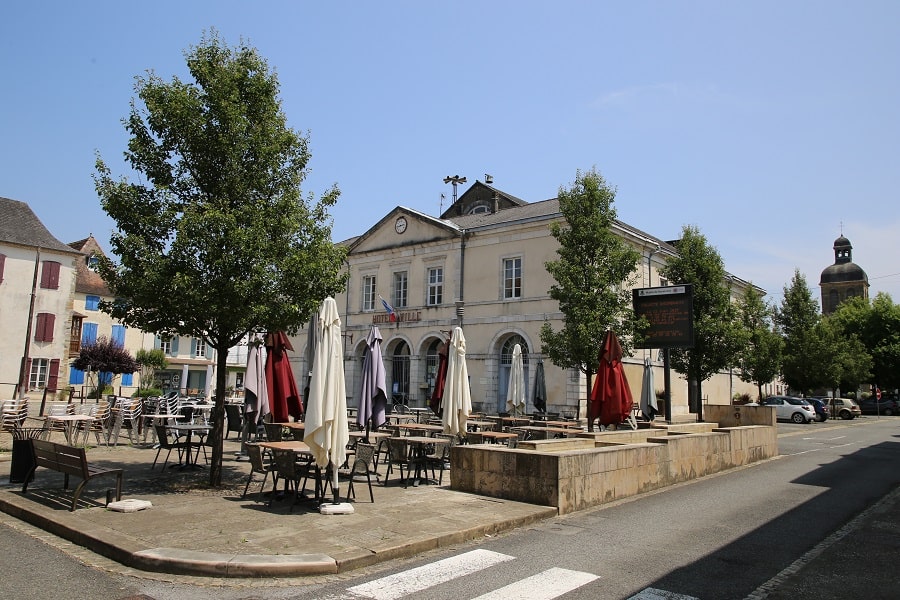
Navarrenx (Navarrencs or Nabarréncs in Béarnese) is a French commune located in the Pyrénées-Atlantiques (historical region of Béarn) department, in the Nouvelle-Aquitaine region.
In 2014, the commune was admitted to the association Les Plus Beaux Villages de France (The Most Beautiful Villages of France).

Tourism
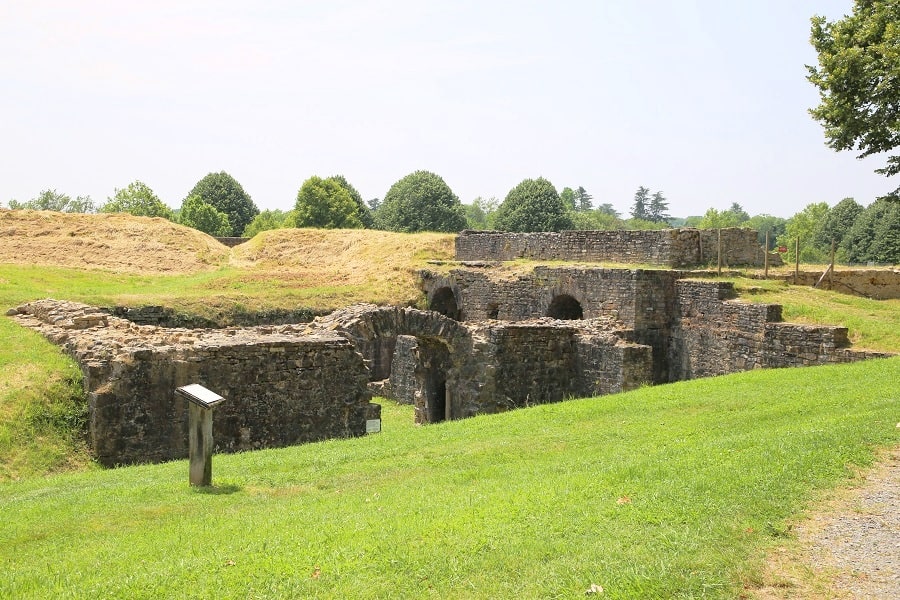
Navarrenx is surrounded by the first bastioned wall built in France between 1538 and 1547 by Henri II d’Albret, King of Navarre, Viscount of the Sovereignty of Béarn. The plans were drawn up by the Italian architect Fabricio Siciliano, whose presence in Navarrenx is documented on December 11, 1544, and the construction was carried out by the Béarn master masons François Girard and Arnaud de Mirassor.
This heritage has been degraded since the end of the 19th century, when an ill-considered municipal decision authorized the demolition of the “Porte de France” and the unsightly, unaltered opening of the “Saint Antoine” curtain wall, an extension of Rue Saint Germain.
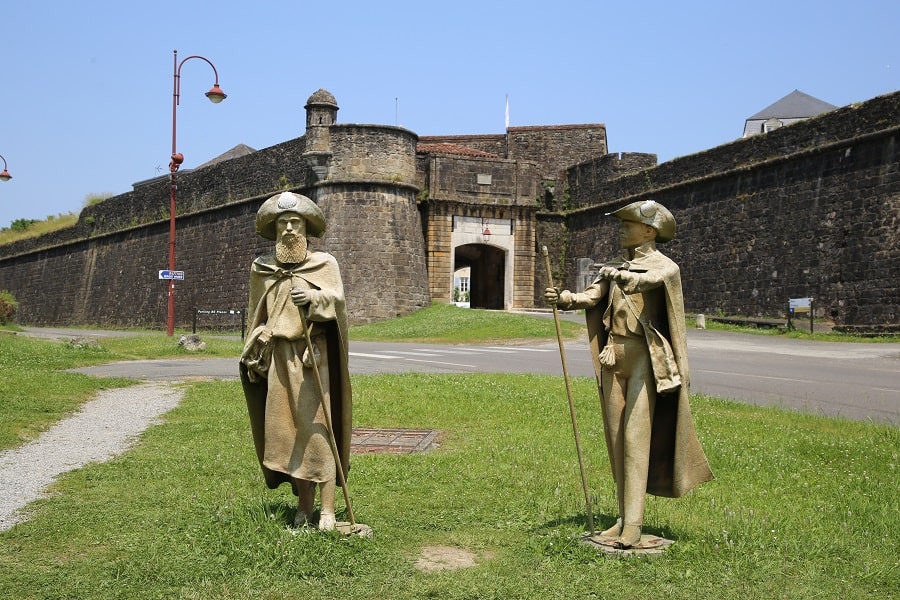
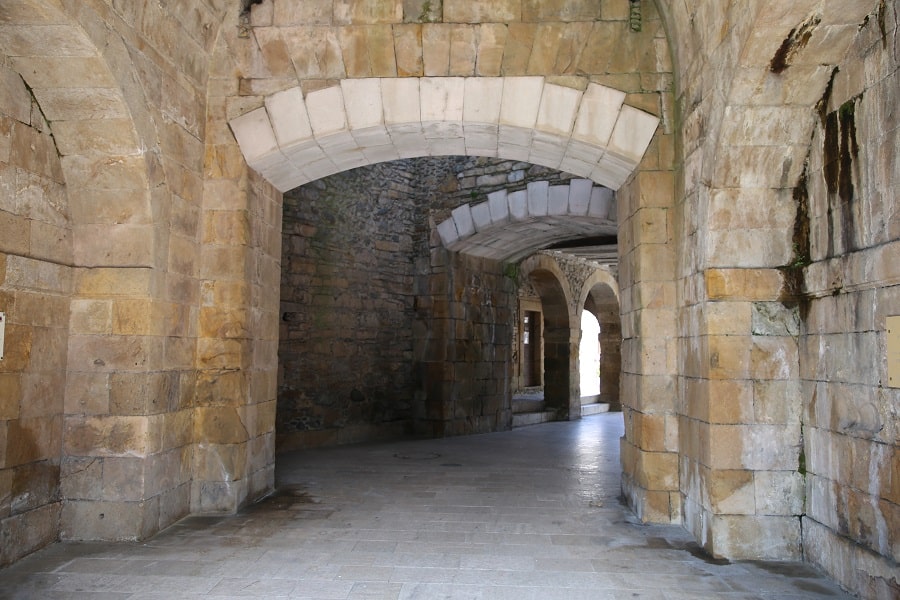
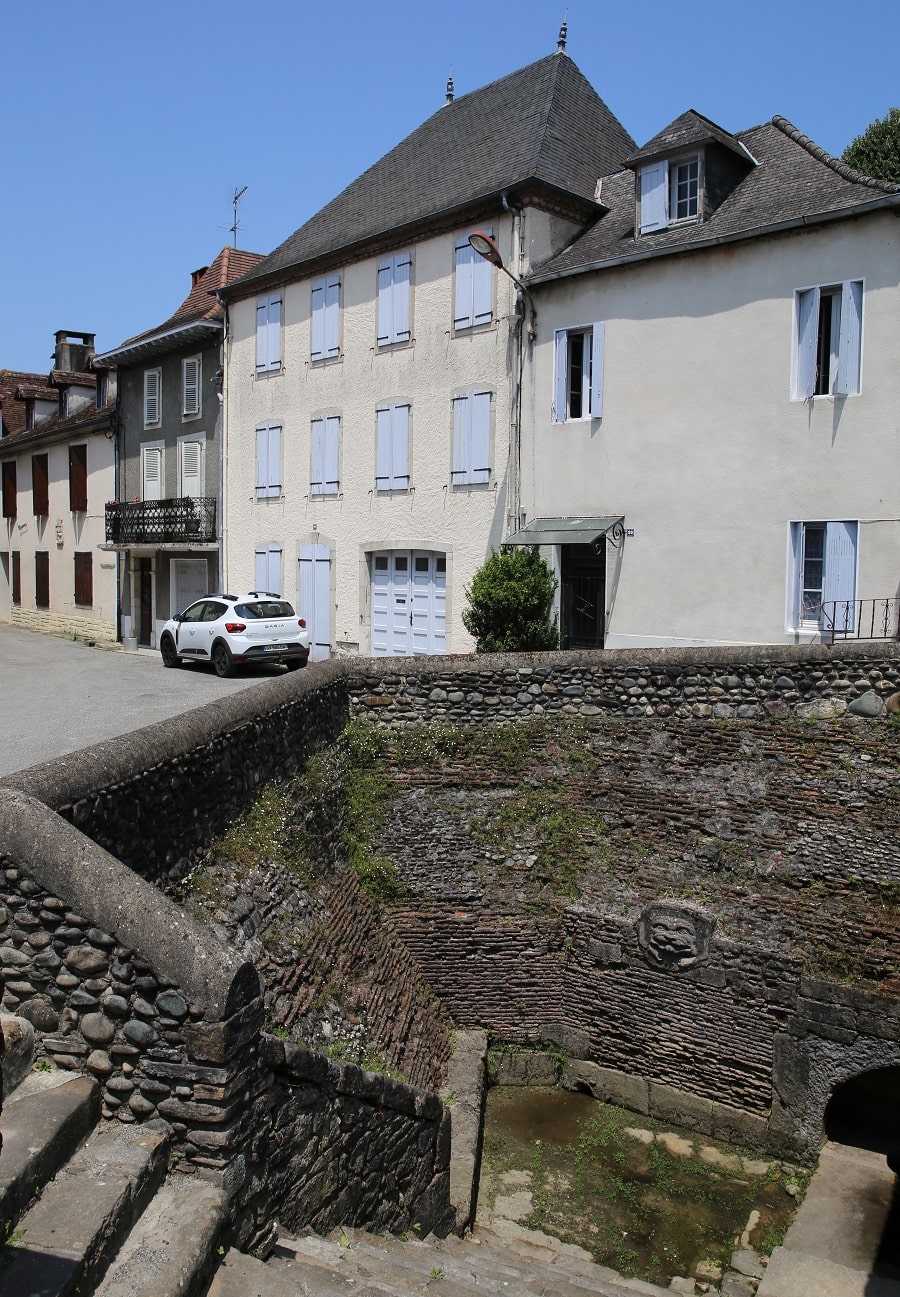
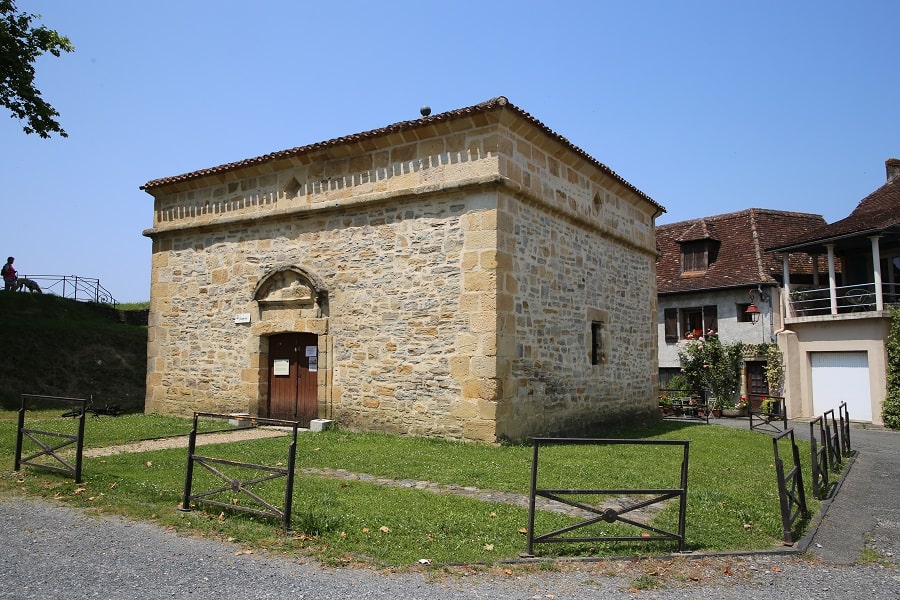
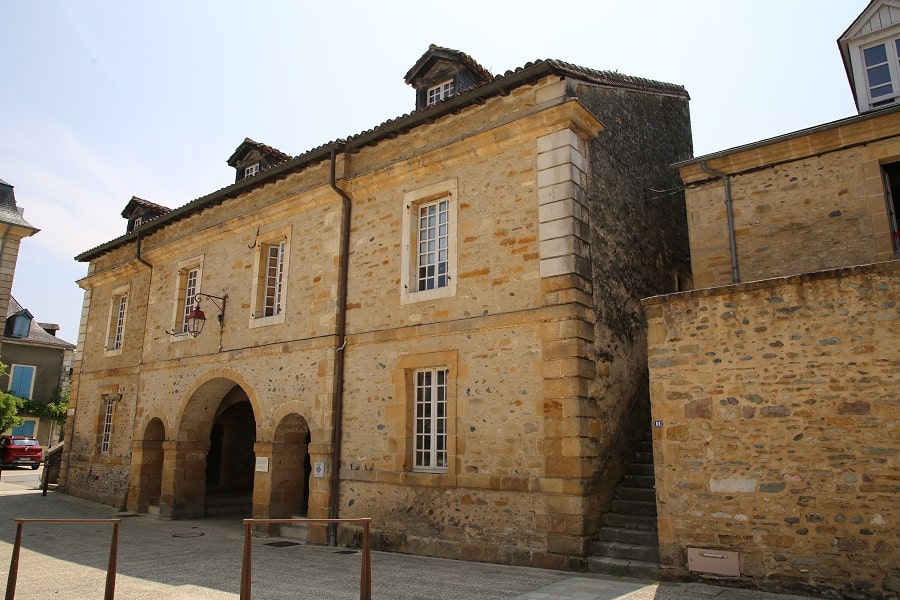
Surrounded by walls since the 14th century, the town retains beautiful remains such as the Saint-Antoine Gate, rebuilt in 1645, the Powder Tower, the Place des Casernes, the military fountain, as well as Gothic houses and, on the Town Hall Square, a 17th-century arsenal built on the ruins of the house of the Kings of Navarre.
The house, known as the Maison Paillé, dates from the 16th century.
The former arsenal, built around 1680, currently serves as a cultural and tourist center where several models and maps are on display, providing an insight into the town’s history.
The village is a passageway along the Via Podiensis, or the Puy-en-Velay piligrim route of the Santiago de Compostela.
A 13th-century bridge now crosses the Gave d’Oloron, which pilgrims crossed at their own risk for a long time, either by boat or, when the water level permitted, via the Mongaston ford. In 1188, the Way is mentioned in the charter of the Navarrenx bridge.
Near the south gate, there was a commandery, a hospital, and a chapel of Saint-Antoine; these establishments provided accommodation for pilgrims and travelers.
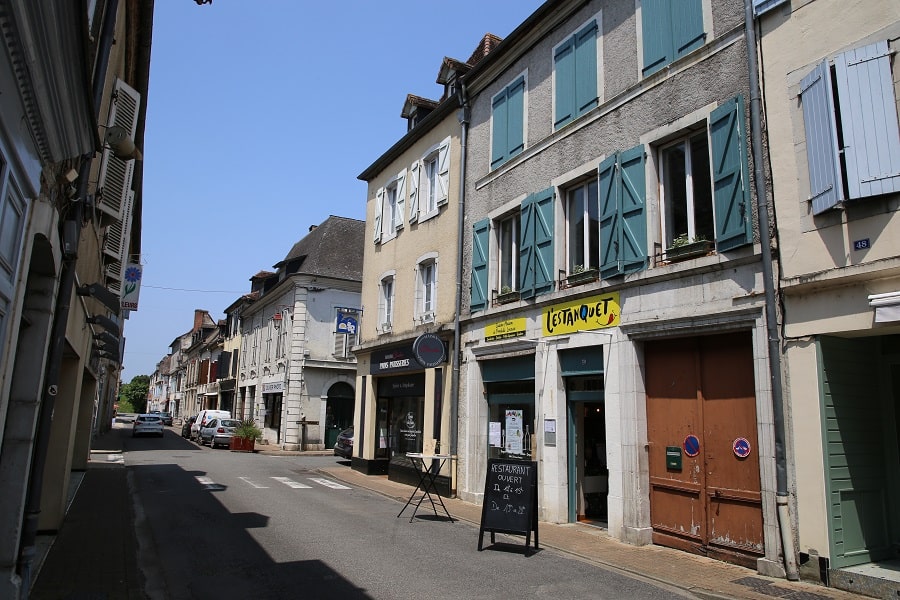
Several accommodations (guest houses, bed and breakfasts, and hotels) can accommodate pilgrims.
The church of Saint-Germain-d’Auxerre dates from the 16th century, but the nave aisles were not built until 1862. The painted human masks embedded in the arches of the side aisle are ancient. A door, located on the side, is believed to be reserved for the Cagots. The church was restored by Charles-Henri Besnard.
Transport
The nearest SNCF train station is Orthez, located 23 km from Navarrenx. Dax train station is 60 km away.
By plane: Pau and Biarritz airports are practically equidistant, approximately 60 km apart.
By car
From Pau: 44 min (41 km) via D111
From Bordeaux: 2 hr 23 min (210 km) via A63
From Andorra: 4 hr 34 min (368 km) via A64
From Barcelona: 5 hr 17 min (451 km) via A-2
From Paris: 8 hr 5 min (793 km) via A10
Main information
Area: 6.21 km²
Coordinates: 43°19’20.4″N 0°45’41.0″W
Population: 1046
Language: French
Currency: Euro (€)
Visa: Schengen
Time: Central-European UTC +1
See here Pyrenees travel guide
See here France travel guide
See here Spain travel guide
See here Andorra travel guide




