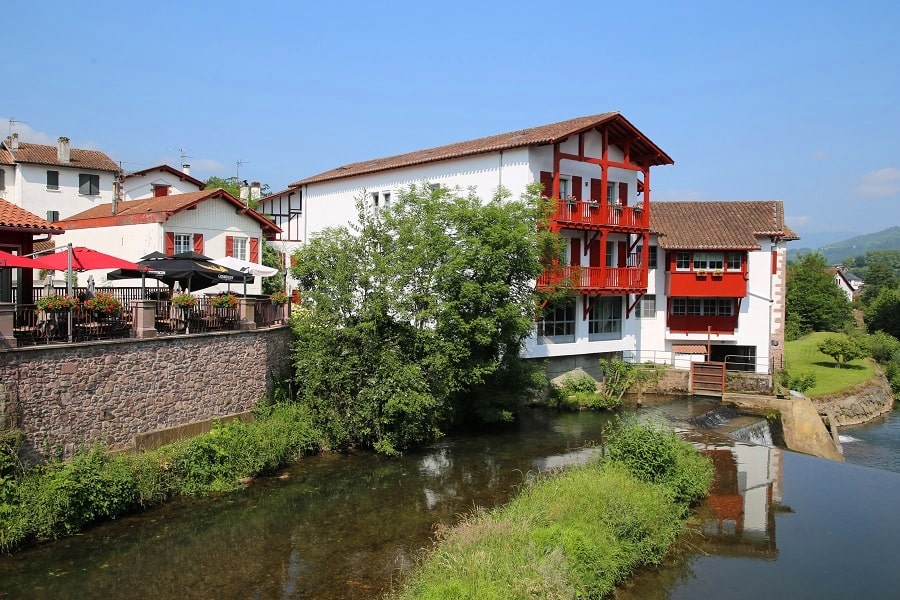

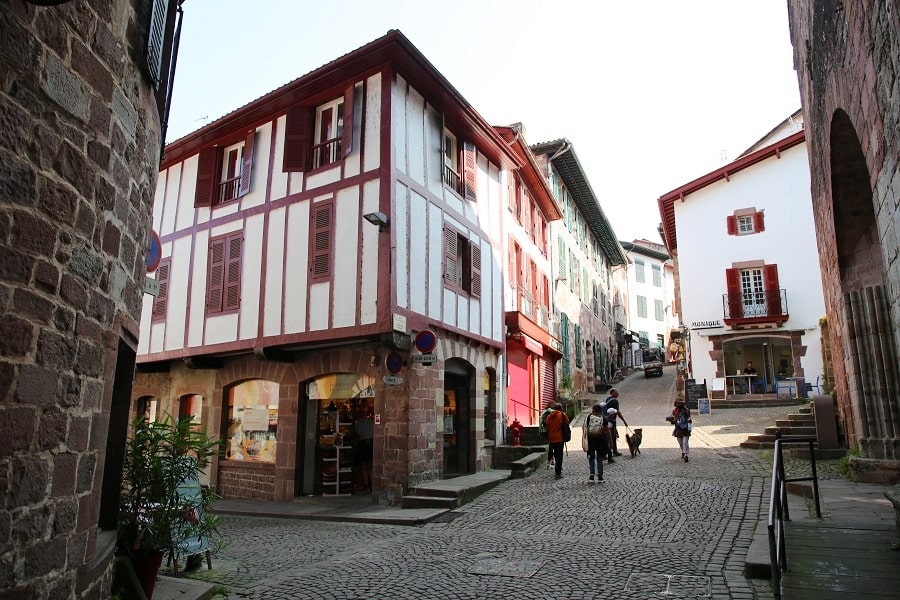
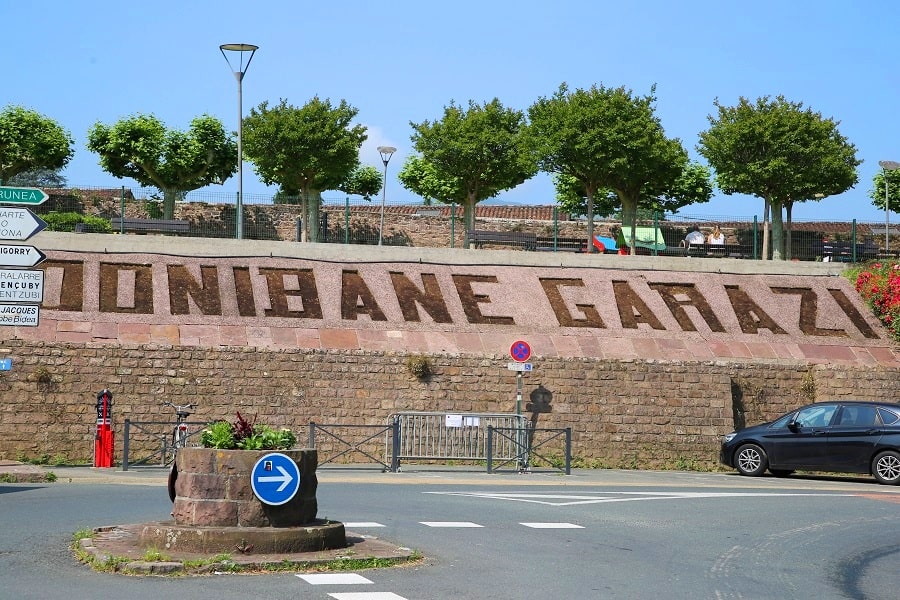
Saint-Jean-Pied-de-Port (Donibane Garazi in Basque) is a French commune located in the Pyrénées-Atlantiques department, in the Nouvelle-Aquitaine region.
A town located at the confluence of the Nive and Laurhibar rivers, it owes its name to its location at the foot of the Roncevaux Pass (“port”) (alt. 1057 m), which provides access to the southern Pyrenees. Formerly the political and administrative capital of Lower Navarre, it is today an economic, cultural, and sporting center for the Basque Country (not to be confused with the Basque community).
The town is also a stopover on the pilgrimage to Santiago de Compostela, attracting approximately 60,000 pilgrims annually. In 2016, it was admitted to the association of the Most Beautiful Villages of France.

History
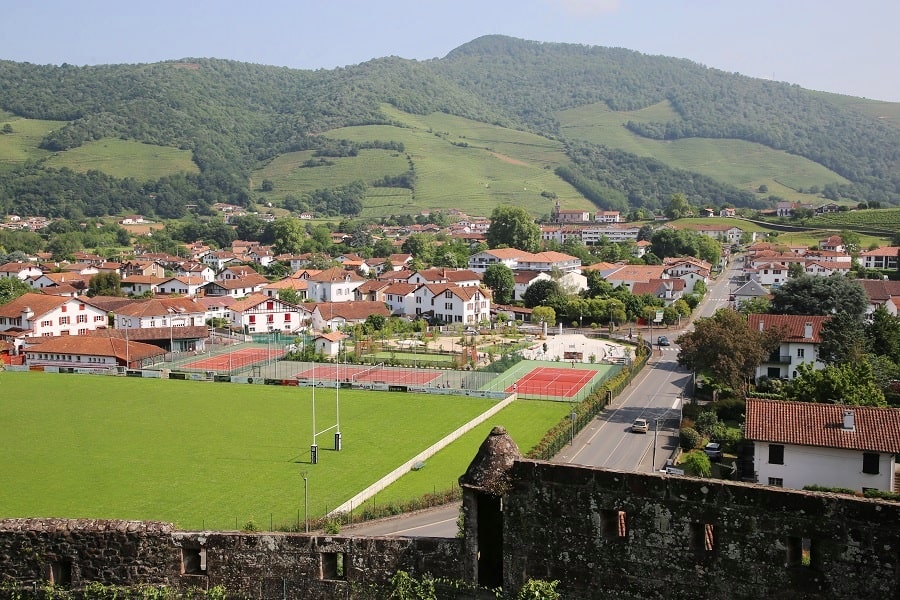
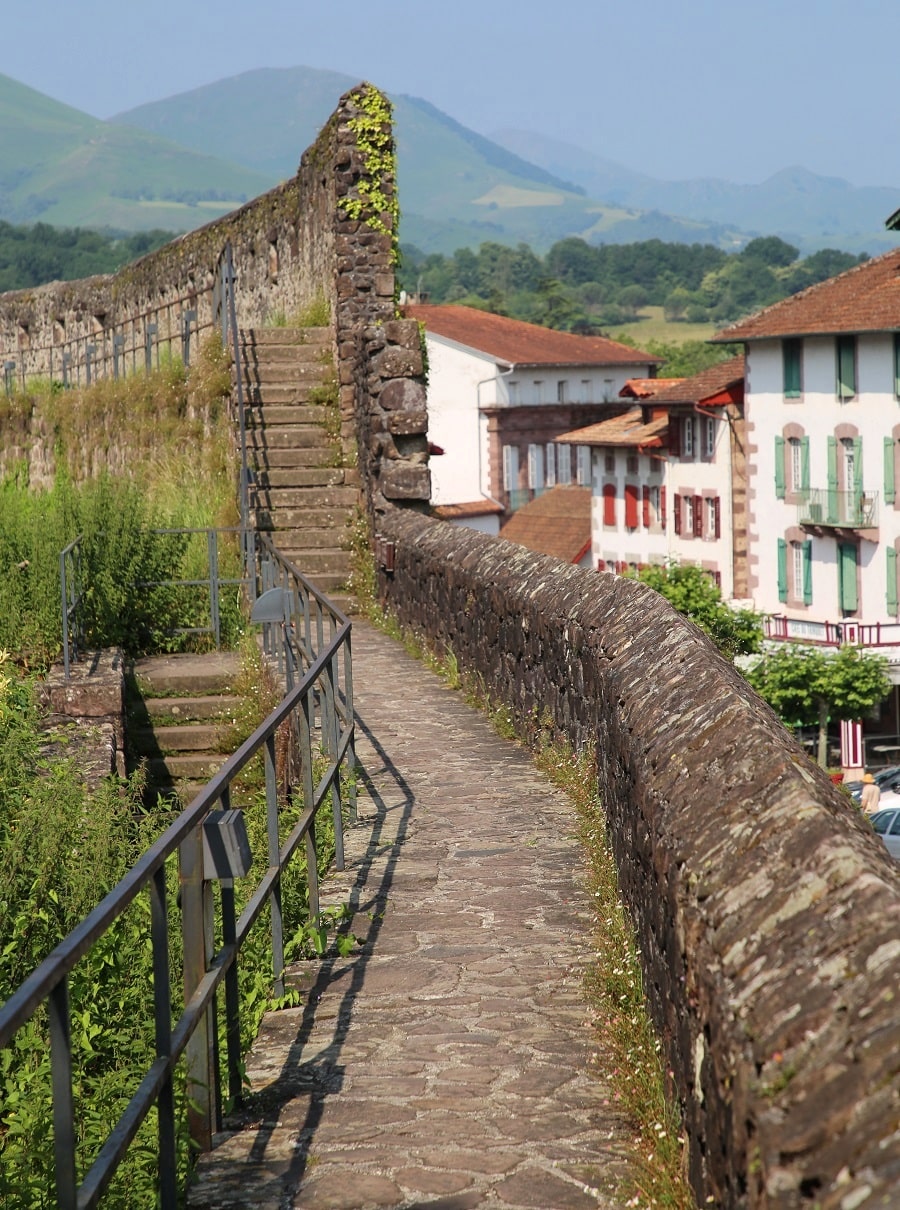
This is a fortified town (bastide) built in the 12th century. As it grew, the city took precedence from Saint-Jean-le-Vieux. It became the capital of one of the five divisions of the Kingdom of Navarre: the Merindad de Ultrapuertos.
One of the city’s first buildings was the Church of Saint Eulalia, erected in the 12th century not far from the ford of the Nive. On the hill overlooking the city stood Mendiguren Castle, which is mentioned as early as 1191.
In 1329, Philip III of Navarre (1328-1343) granted it its fors, charters governing the progressive administrative system that Navarre adopted in the 11th century. It was able to organize fairs and markets within its walls, and became an important commercial center, a necessary stopover for travelers and pilgrims on the road to Pamplona.
The kings of Navarre made frequent stays there, and, importantly, in the 14th century, the schismatic bishop of the Pope of Avignon resided there from 1383 to 1388, during the Western Schism, while the bishop of the Pope of Rome administered the bishopric of Bayonne.
In 1530, Charles V abandoned the city, which he deemed too costly to hold, and destroyed the castle. The northern part of Navarre then became Lower Navarre, as opposed to Upper Navarre. This is why Henry IV, upon his accession to the throne, called himself King of France and Navarre, a title his successors retained up to Charles X.
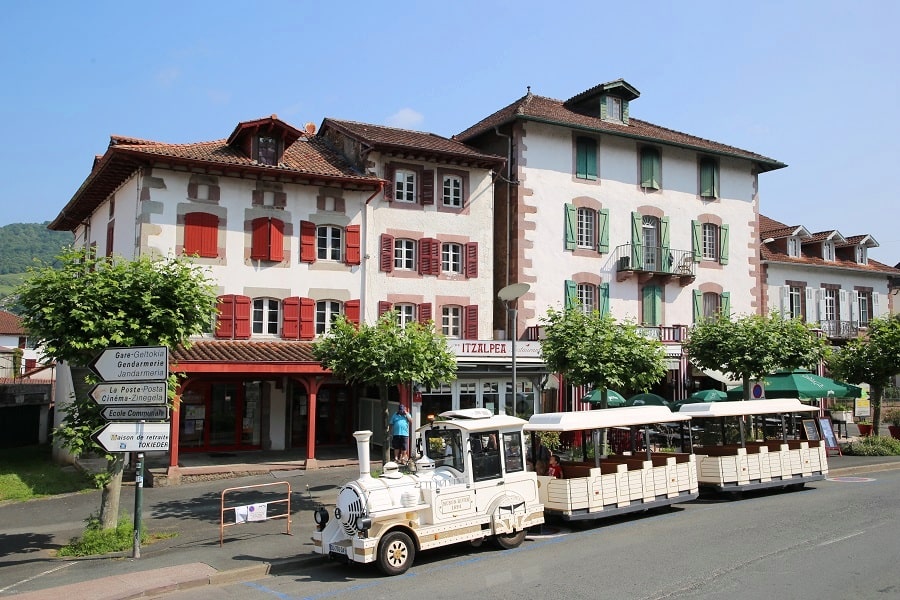
During the Wars of Religion, incidents broke out between Protestants and Catholics. Jeanne d’Albret’s ban on Catholic worship in 1567 led to the formation of a league in September, followed by an uprising in March 1568. Two of the city’s churches were burned. When the Catholics rose up again, Henry III, at the age of fifteen, defeated them and drove them back to Spain, before promising Saint John not to impose Protestant worship.
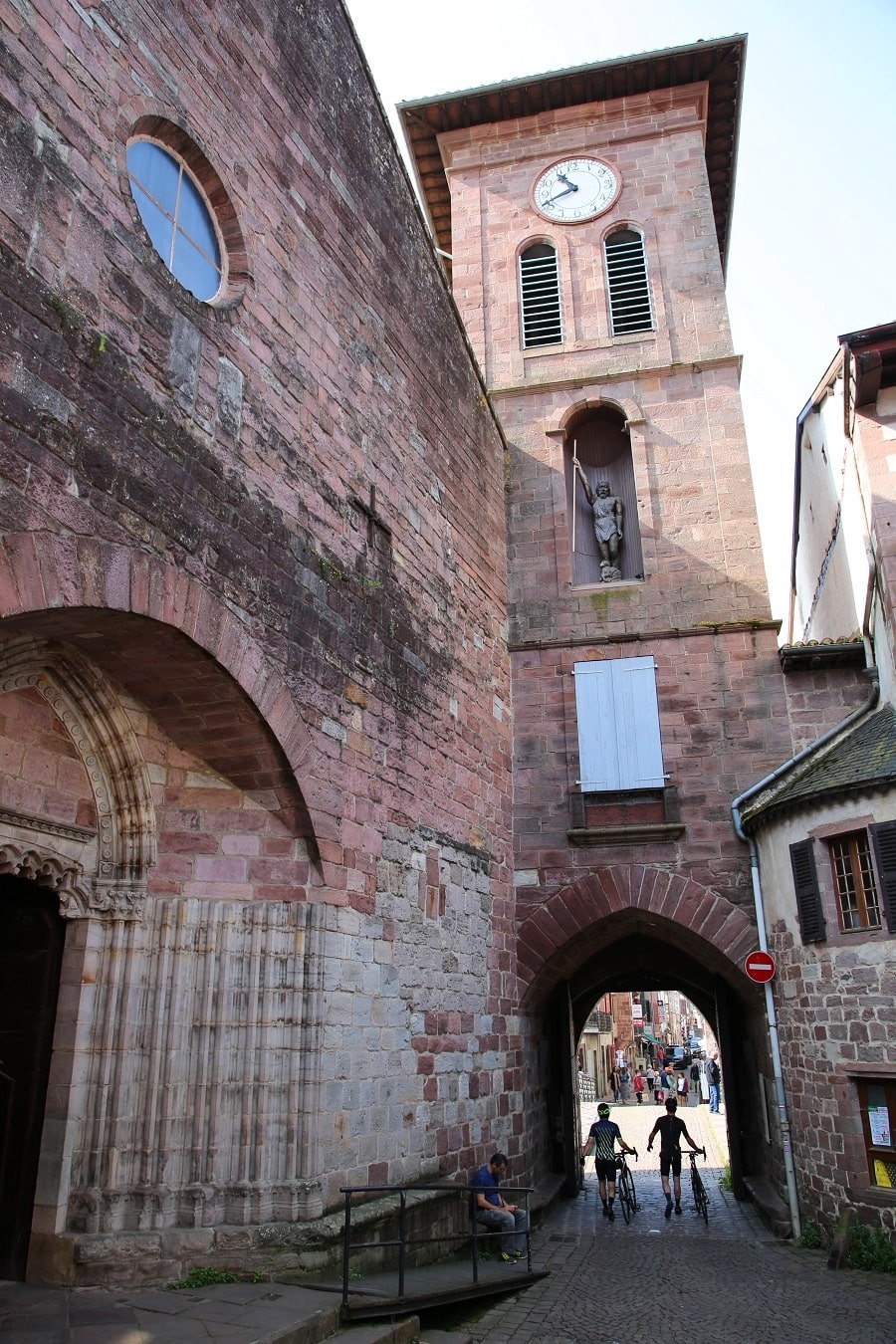
The law of March 4, 1790, which established a new administrative landscape for France by creating departments and districts, led to the creation of the Basses-Pyrénées department by uniting Béarn, the Gascon lands of Bayonne and Bidache, and the three French Basque provinces.
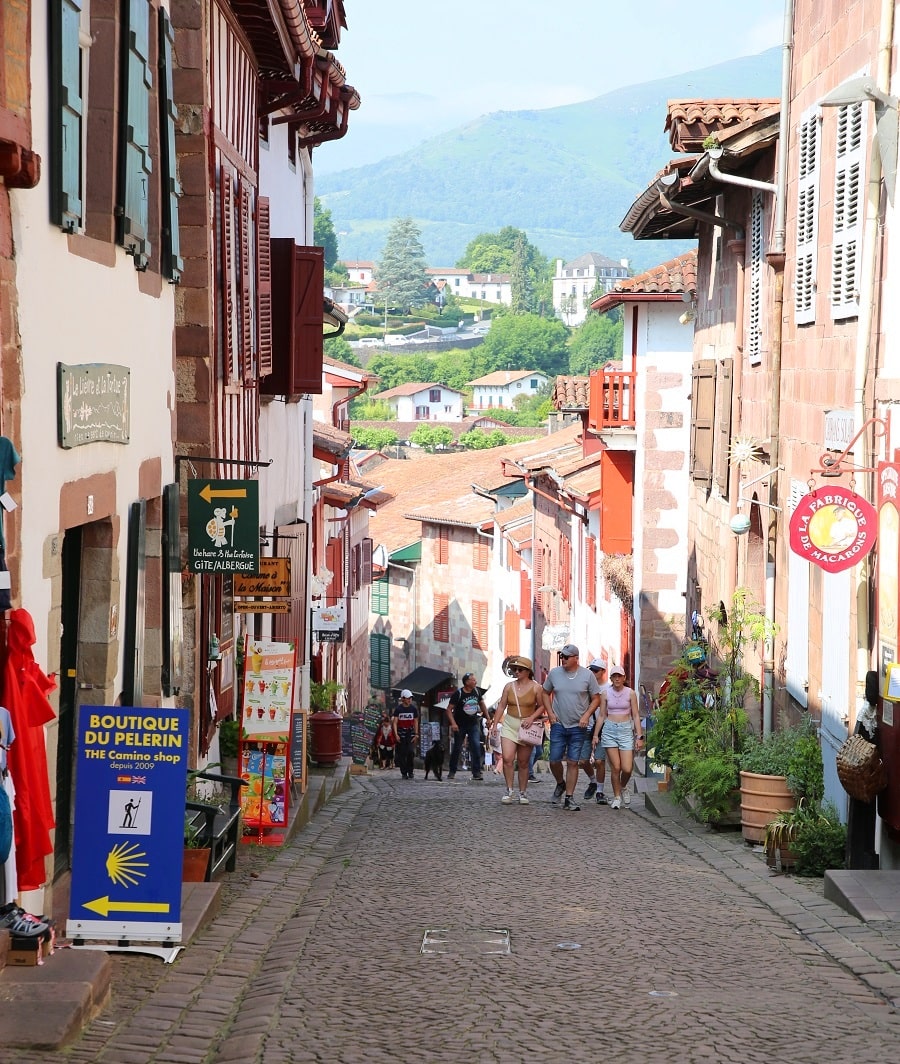
The Wars of the Revolution and the Empire spared the city. However, in 1793, with the outbreak of the War between the Convention and Spain, the stronghold, renamed Nive-Franche, played an important role in the defense of the territory, particularly with the Basque Chasseurs.
The railway, which arrived in 1889, opened up the city but failed to offset the demographic decline of the 19th century.
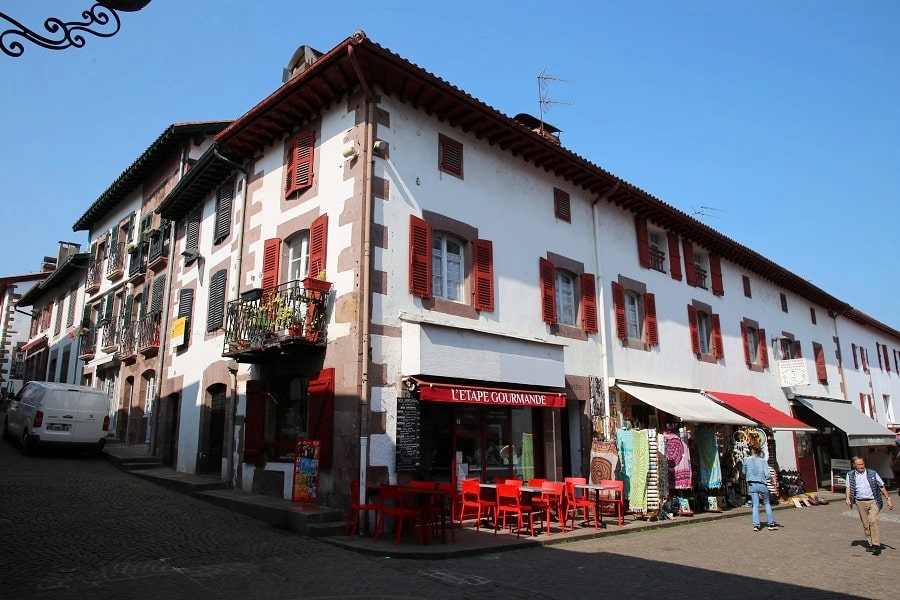
Tourism
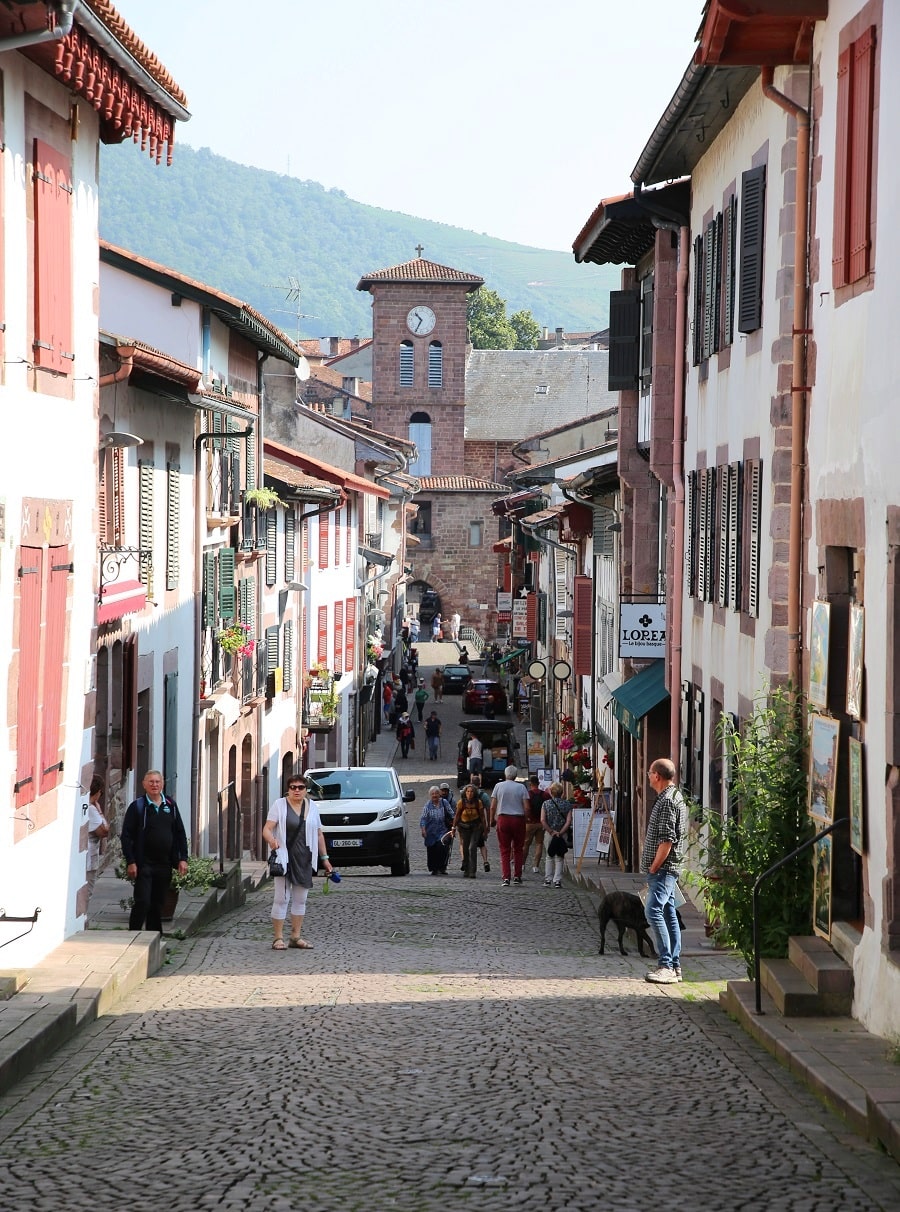
- Citadel (1625-1627)
- Notre-Dame Bridge
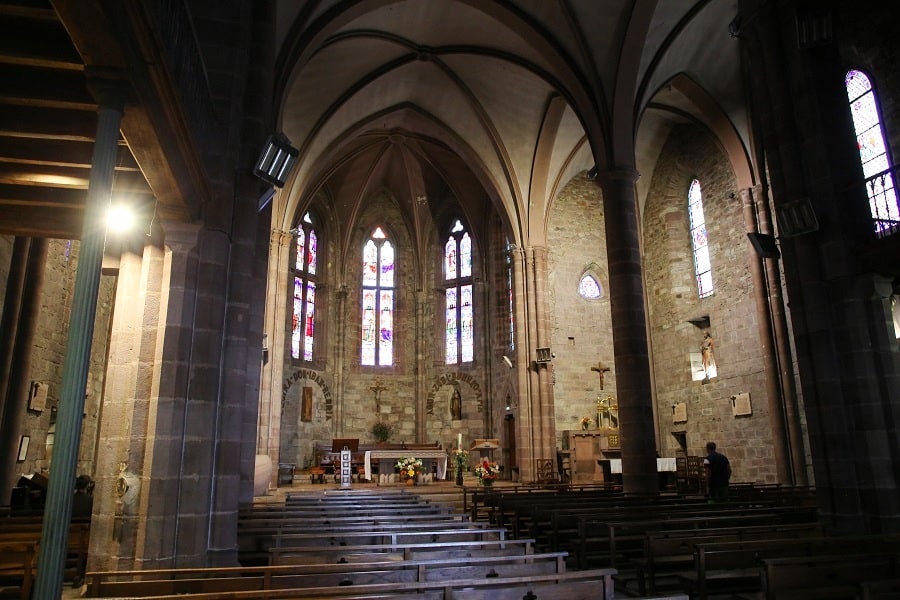
- Notre-Dame du Bout du Pont church (currently Church of the Assumption of the Virgin)
- Arrankuntzea « Saint-Jacques » Gate
- Rue de la Citadelle street
- Rue d’Espagne street
- Maison Mansart
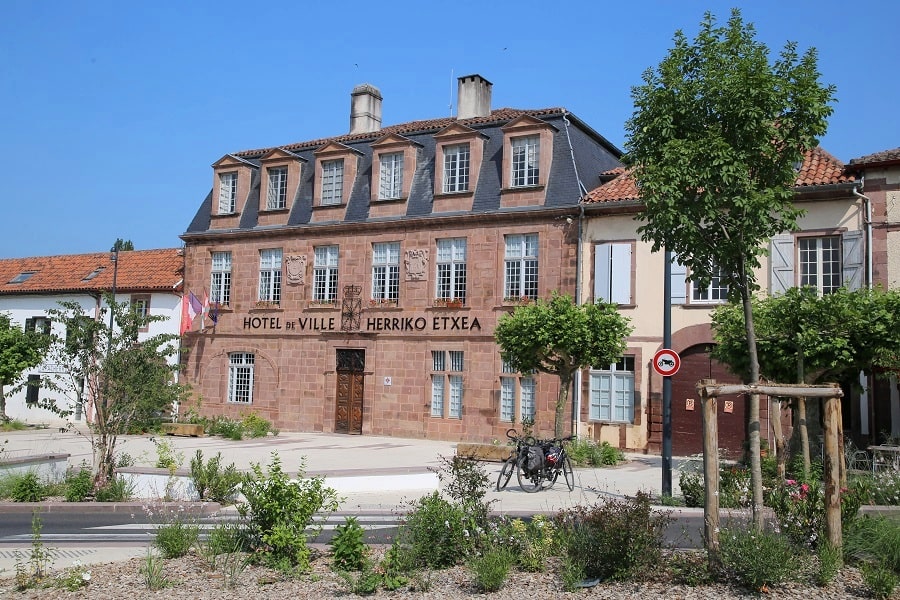
- Hôtel de Ville (town hall)
- Maison de maître Etxehandia
Transport
Saint-Jean-Pied-de-Port station is a French railway station serving the Bayonne to Saint-Jean-Pied-de-Port line. It is an SNCF station served by trains on the TER Nouvelle-Aquitaine network. However, no bus line serves the village.
By car
From Pau: 1 hr 27 min (117 km) via A64 and D933
From Bordeaux: 2 hr 41 min (237 km) via A63
From Andorra: 5 hr 6 min (409 km) via A64
From Barcelona: 5 hr 45 min (474 km) via A-2
From Paris: 8 hr 18 min (824 km) via A10
Main information
Area: 2.73 km²
Coordinates: 43°09’42.8″N 1°14’15.3″W
Population: 1487
Languages: French, Basque
Currency: Euro (€)
Visa: Schengen
Time: Central-European UTC +1
See here Pyrenees travel guide
See here France travel guide
See here Spain travel guide
See here Andorra travel guide