Tbilisi (Georgian: თბილისი, until 1936 Tiflis) is the capital and largest city of Georgia, located on the banks of the Kura River. The city’s population is approximately 1,330,217, almost a third of the country’s population. Tbilisi was founded in the 5th century AD by Vakhtang I of Iberia and has served as the capital of various Georgian kingdoms and republics since then. From 1801 to 1917, then part of the Russian Empire, it was the seat of the Caucasus Viceroyalty, governing both the northern and southern parts of the Caucasus.

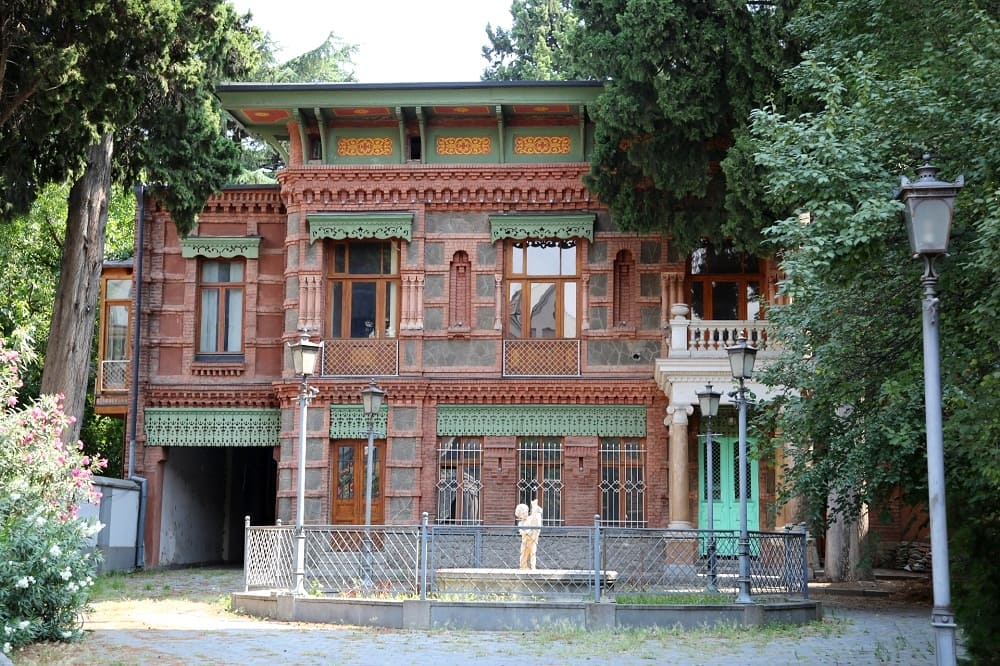
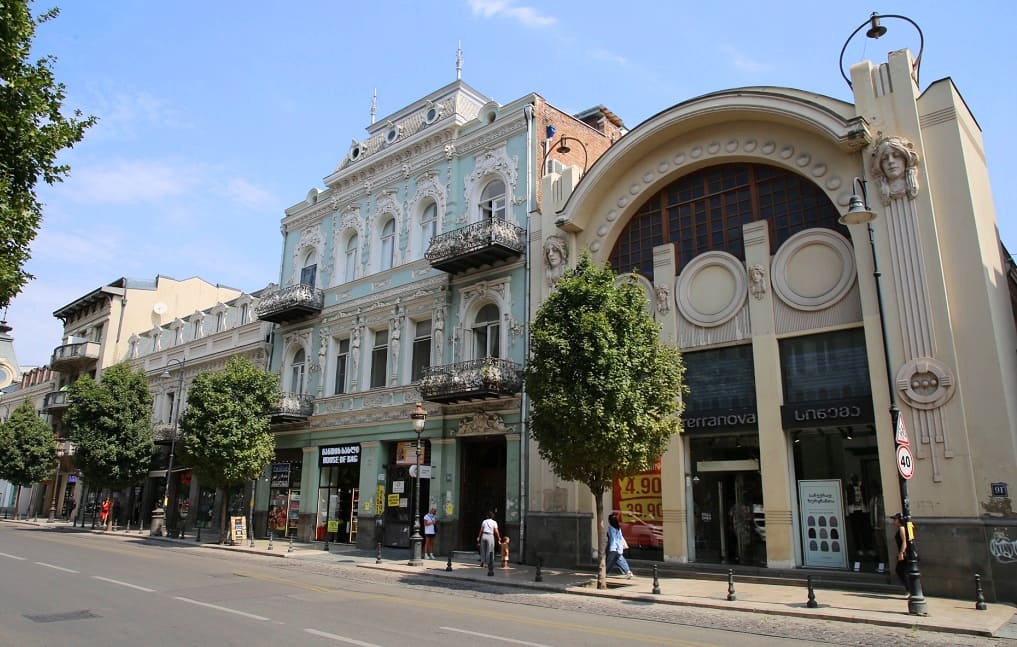
Due to its location at the crossroads between Europe and Asia and its proximity to the Silk Road, Tbilisi has been the subject of disputes between various world powers throughout history. To this day, the city’s location ensures its status as an important transit route for energy and trade projects. Tbilisi’s history is reflected in its architecture, which is a combination of medieval, neoclassical, Beaux-Arts, Art Nouveau, Stalinist, and Art Nouveau.
Historically, Tbilisi has been home to people of many different cultural, ethnic, and religious backgrounds, although the vast majority of its population is Orthodox. Notable tourist attractions include Sameba and Sioni Cathedrals, Freedom Square, Rustaveli and Aghmashenebeli Avenues, the medieval Narikala Fortress, the Opera House, and the Georgian National Museum.
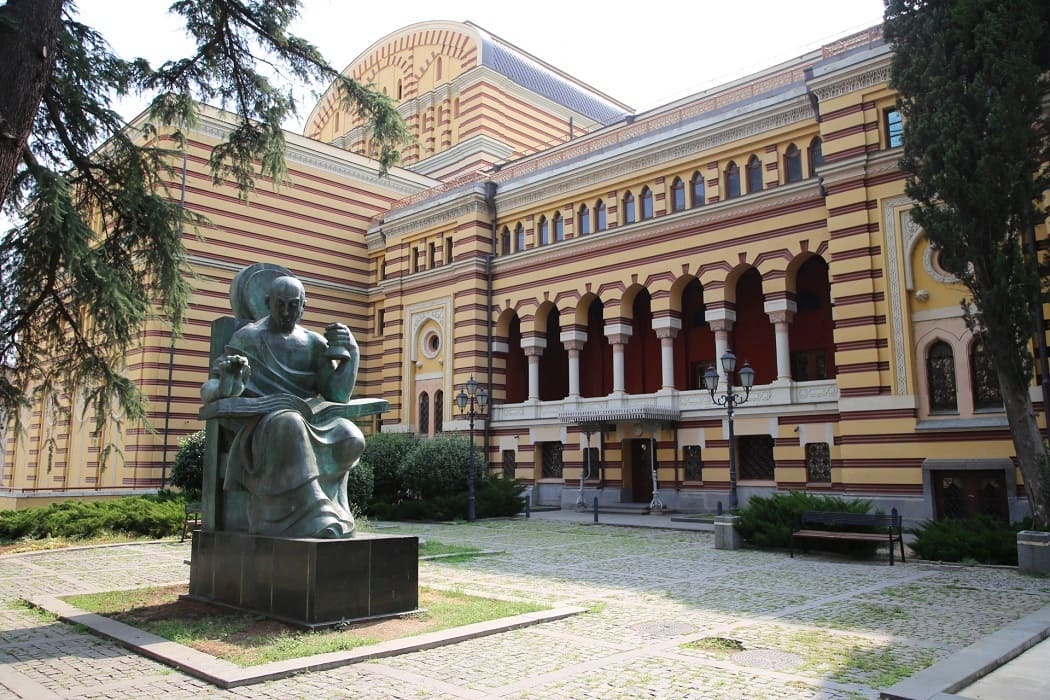
Travel guide: what to see?
See also religious building guide
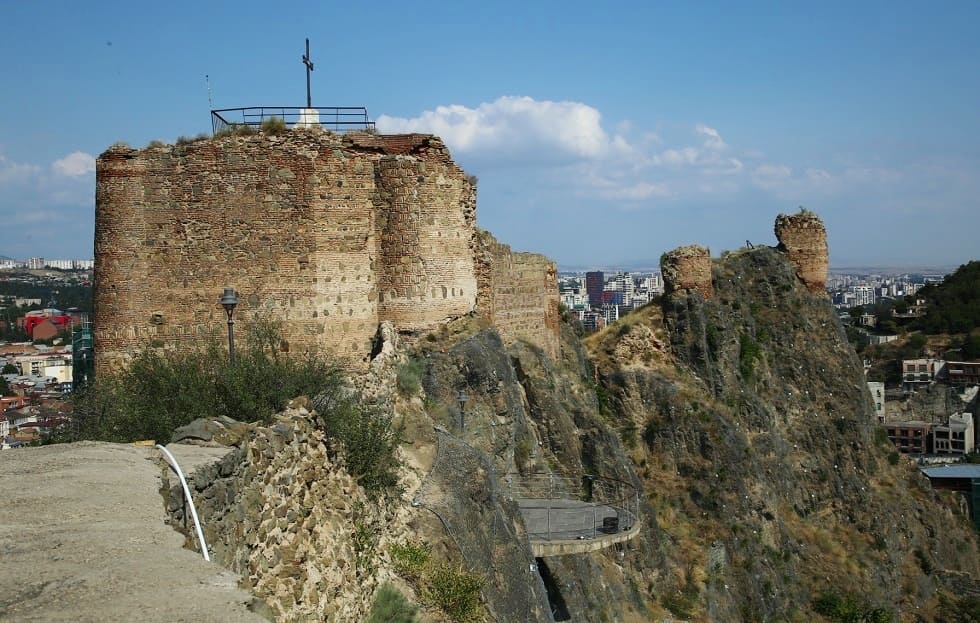
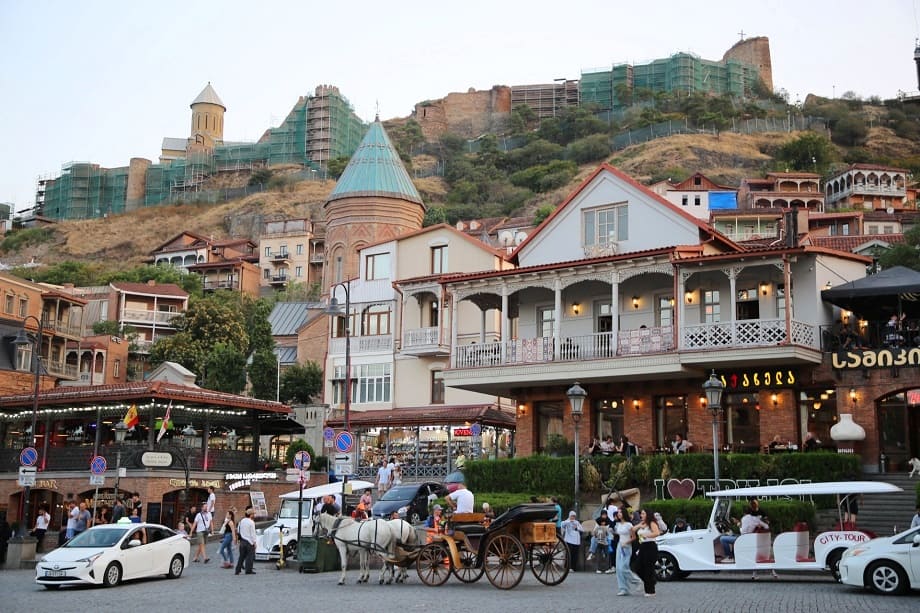
Narikala (Georgian: ნარიყალა) is an ancient fortress overlooking Tbilisi and the Mtkvari (Kura) River. The fortress consists of two walled sections on a steep hill between the sulfur baths and the botanical gardens of Tbilisi. On the lower court there is the recently restored St Nicholas church. Newly built in 1996–1997, it replaces the original 13th-century church that was destroyed in a fire. The new church is of “prescribed cross” type, having doors on three sides.
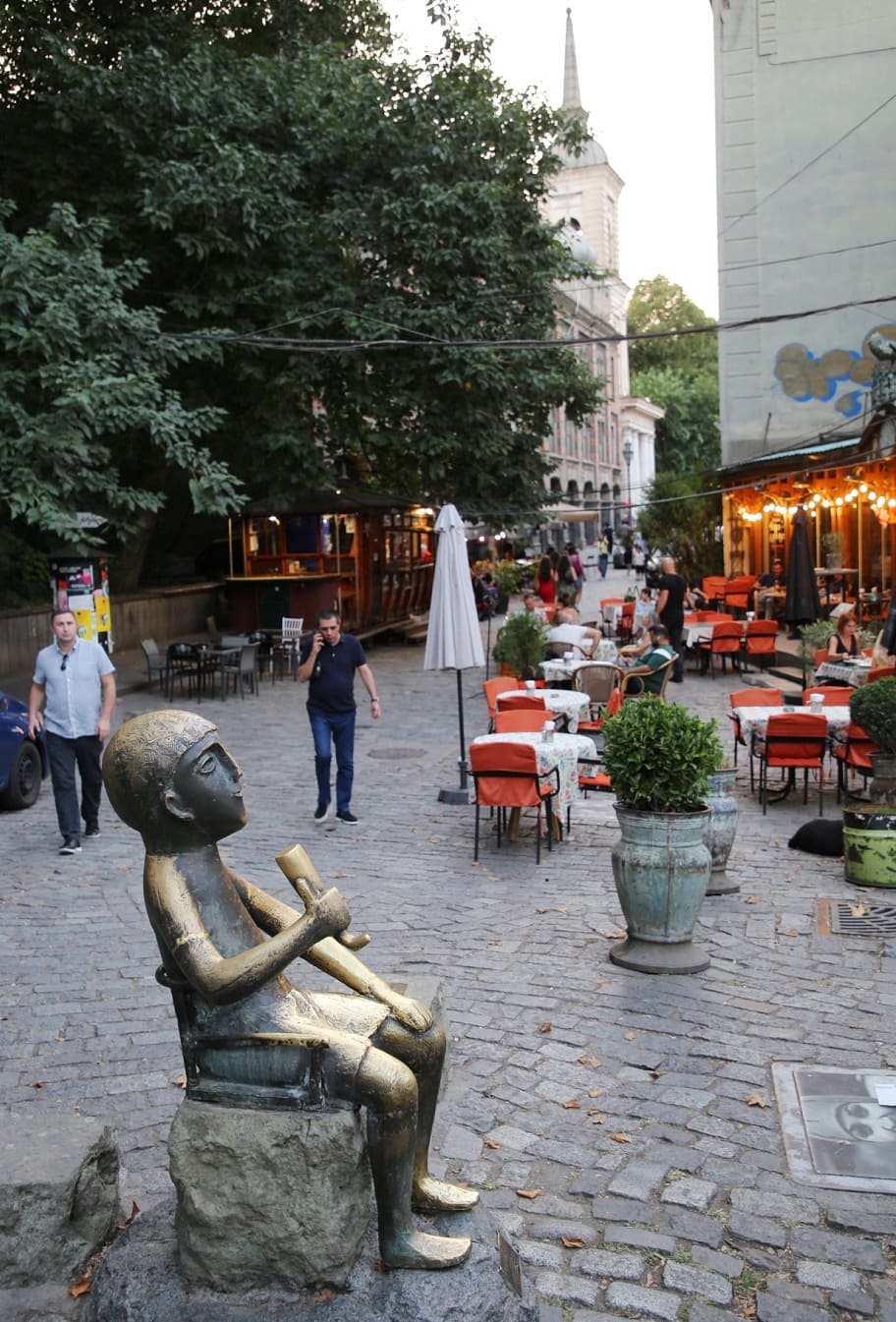
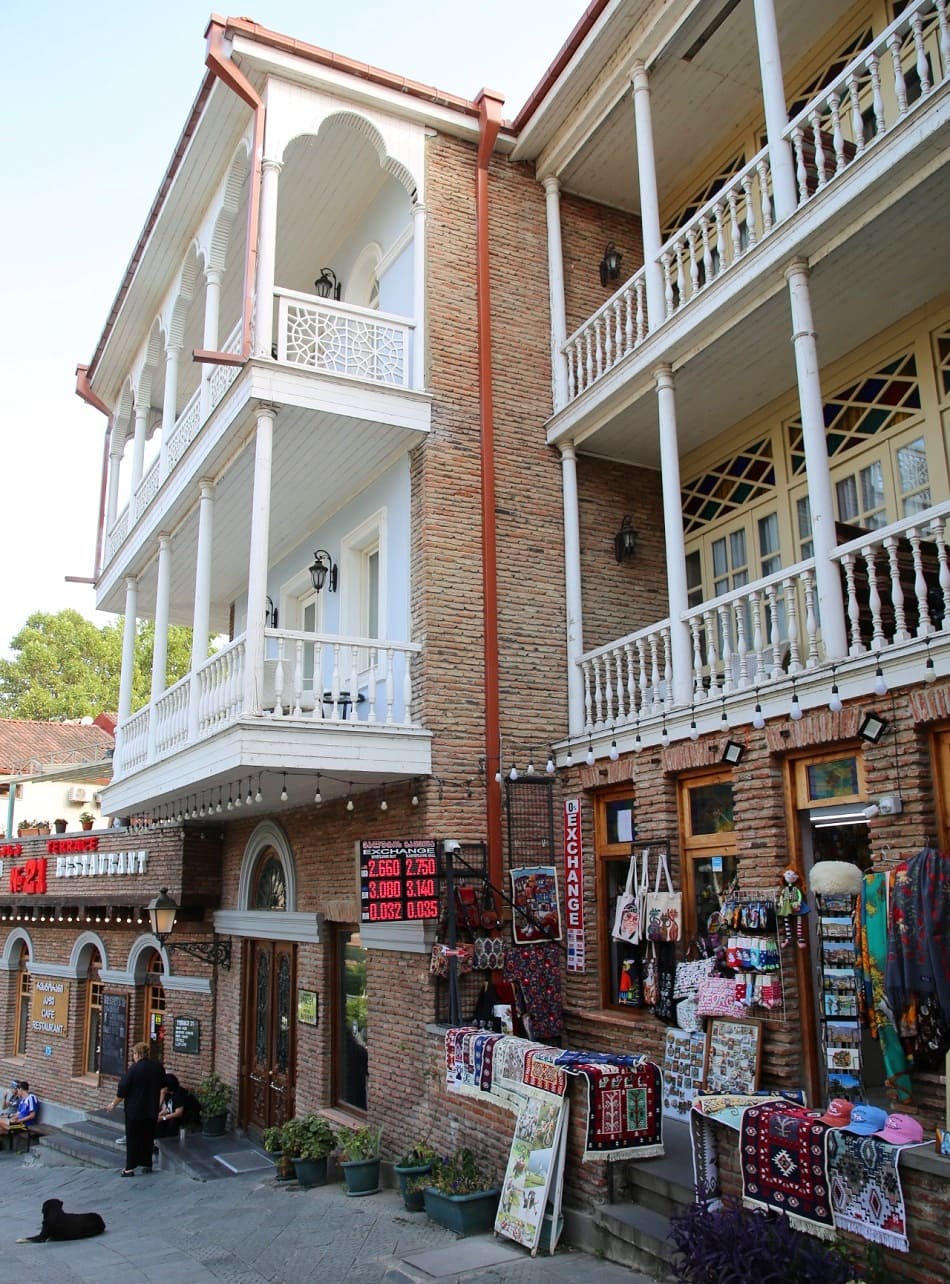
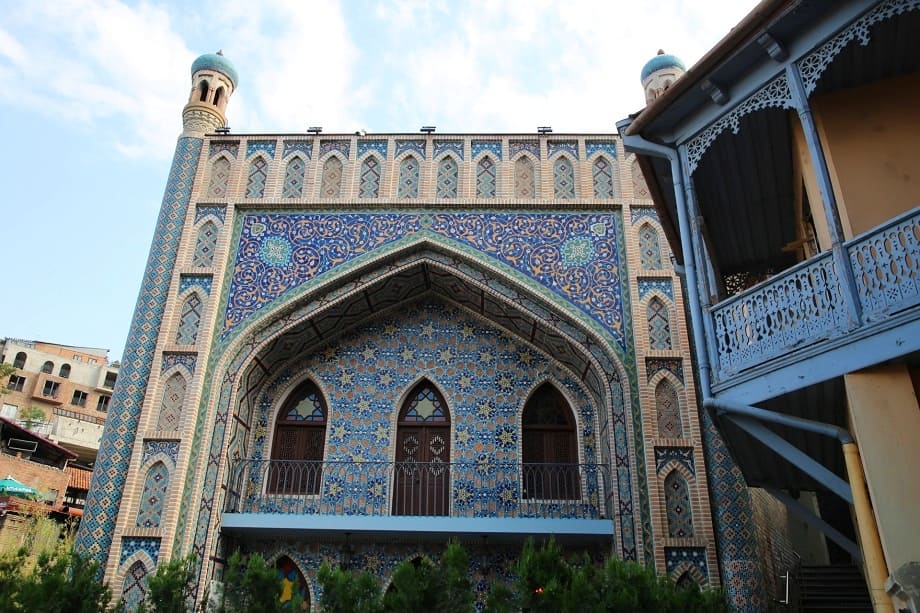
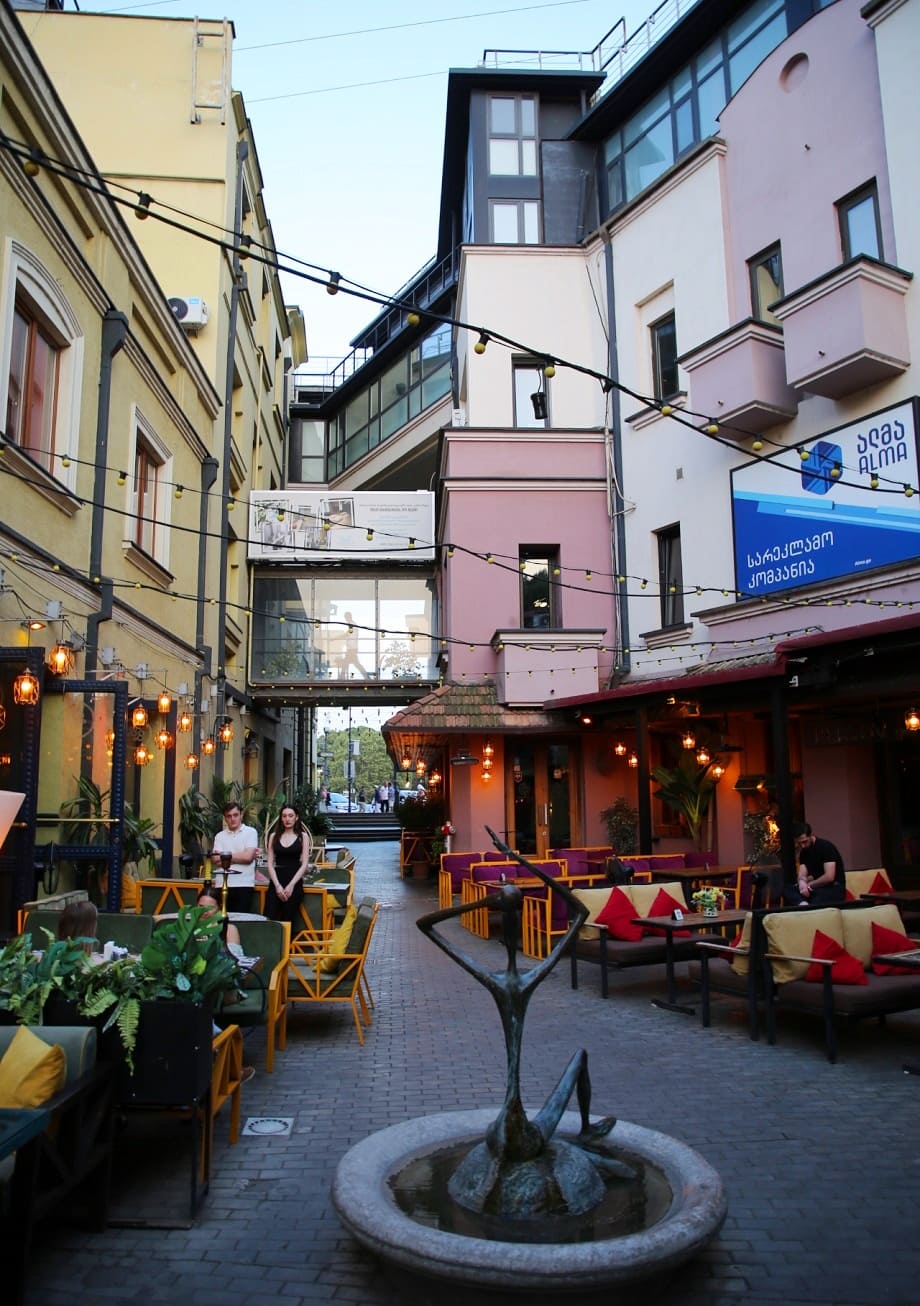
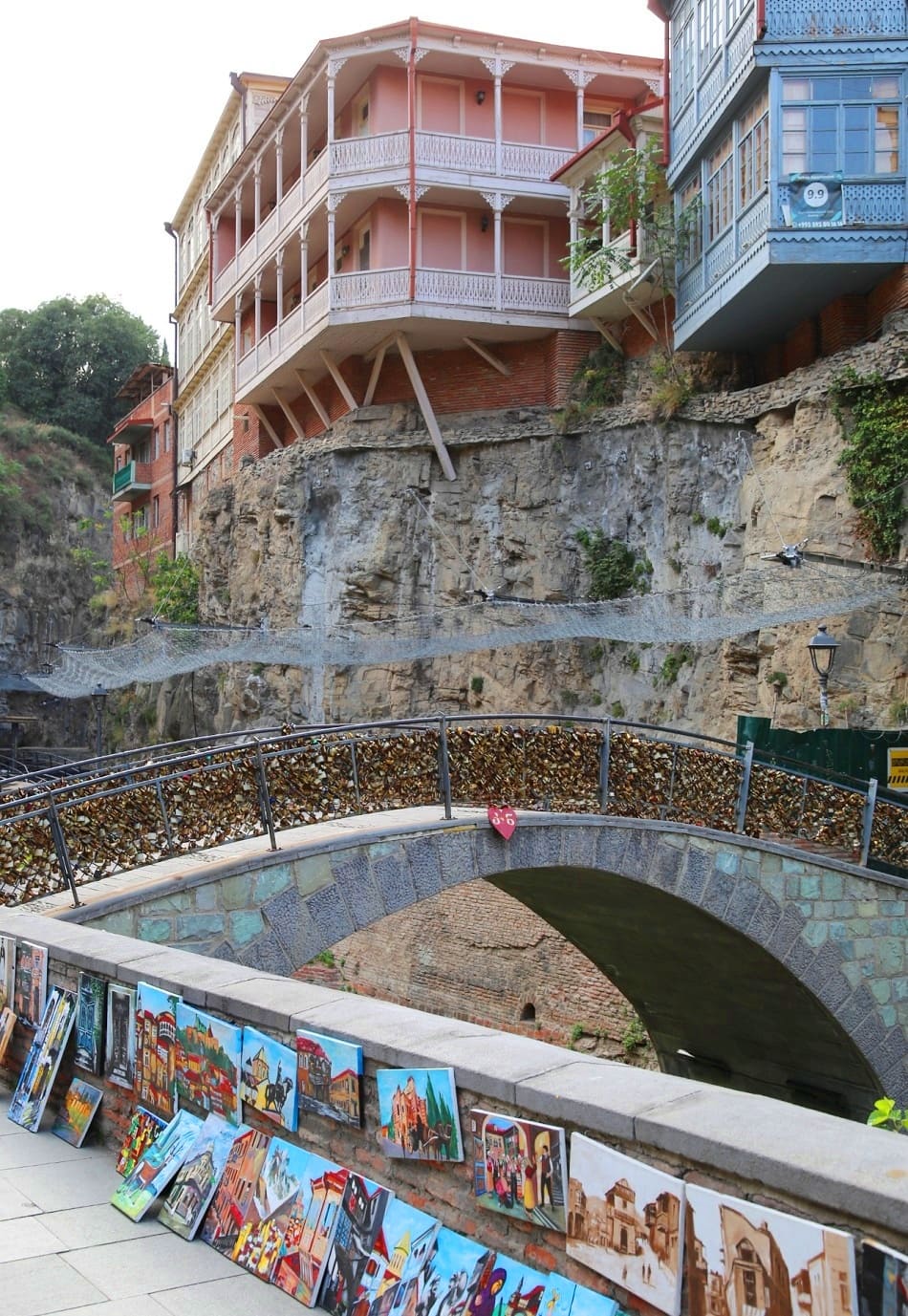
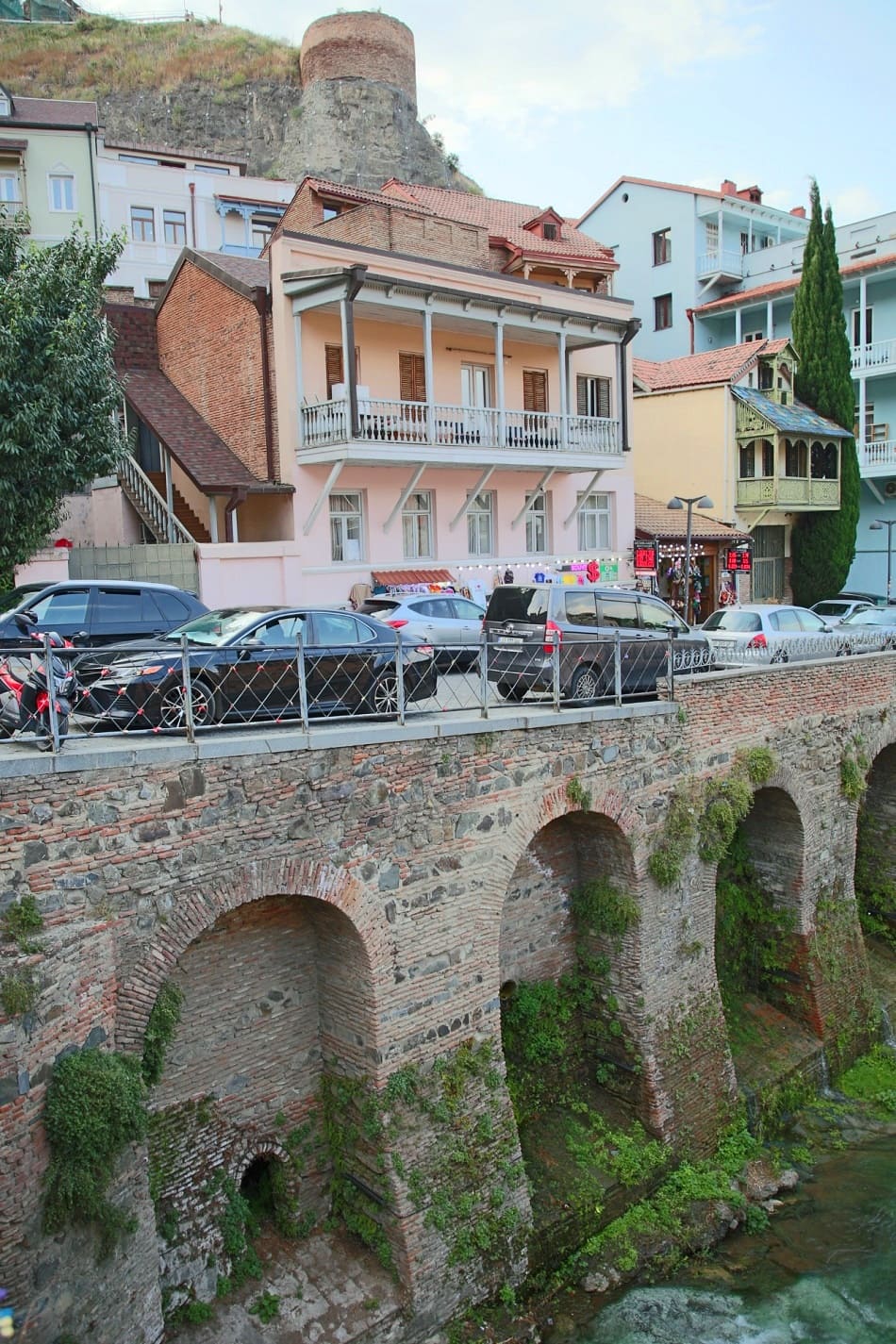
Old Tbilisi (Georgian: ძველი თბილისი) refers to the historical parts of Tbilisi. Although the term “Old Tbilisi” has long been used to denote the oldest part of the city, it was only in 2007 that it became an official administrative distinct, while also incorporating several historical neighbourhoods formerly included in the districts of Mtatsminda-Krtsanisi, Isani-Samgori, and Didube-Chugureti. The official district was abolished in 2013, with its territories allotted to several other divisions of the capital; however, locals and visitors continue to refer to historical districts as “Old Tbilisi” without precise boundaries.
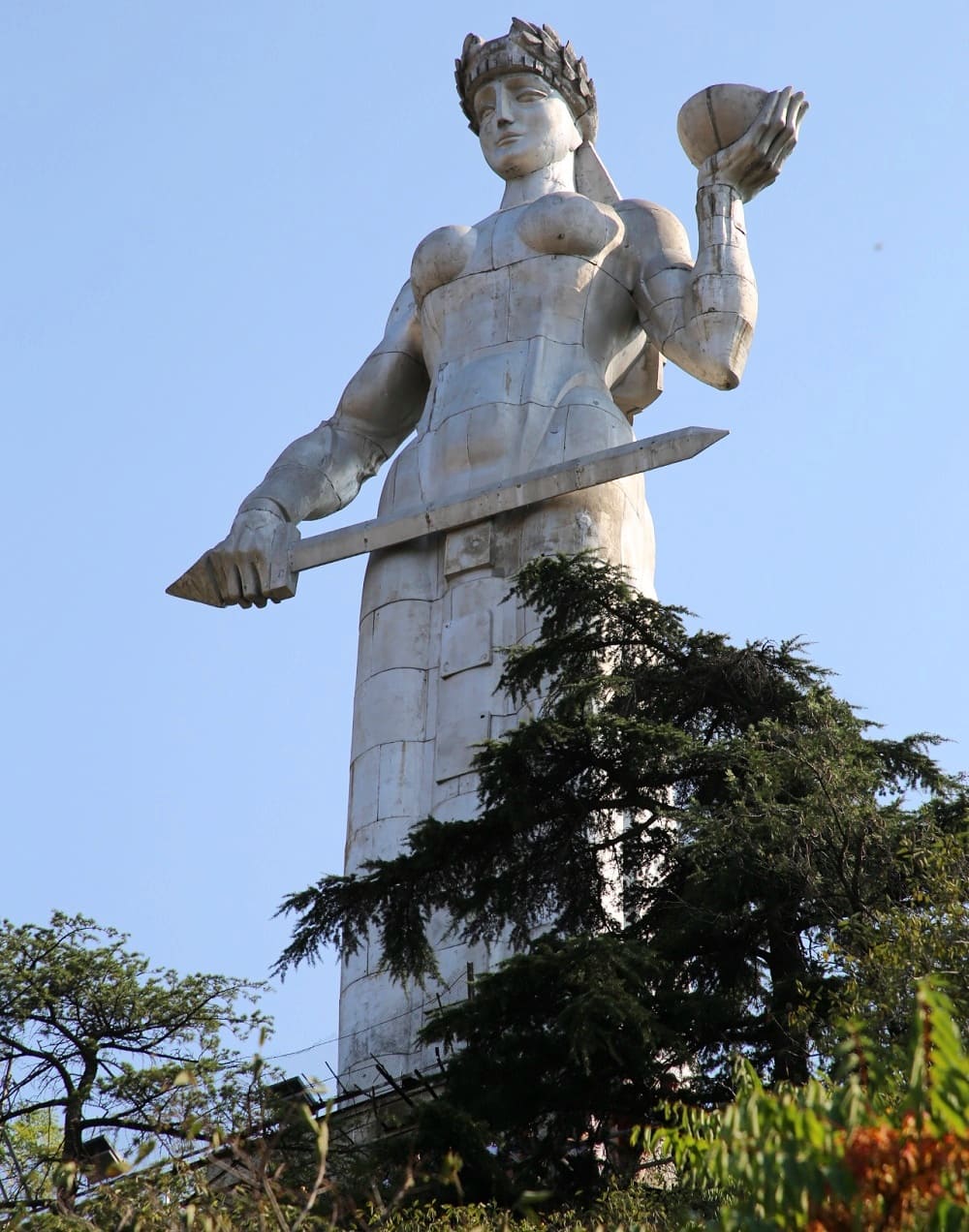
Kartlis Deda (Georgian: ქართვლის დედა; Mother of Kartvel or Mother of Georgians) was erected on the top of Sololaki hill in 1958, the year Tbilisi celebrated its 1500th anniversary. The statue symbolizes the Georgian national character: the woman figure holds a cup of wine in her left hand to greet those who came as a friend, and a sword in her right hand for those who came as an enemy.
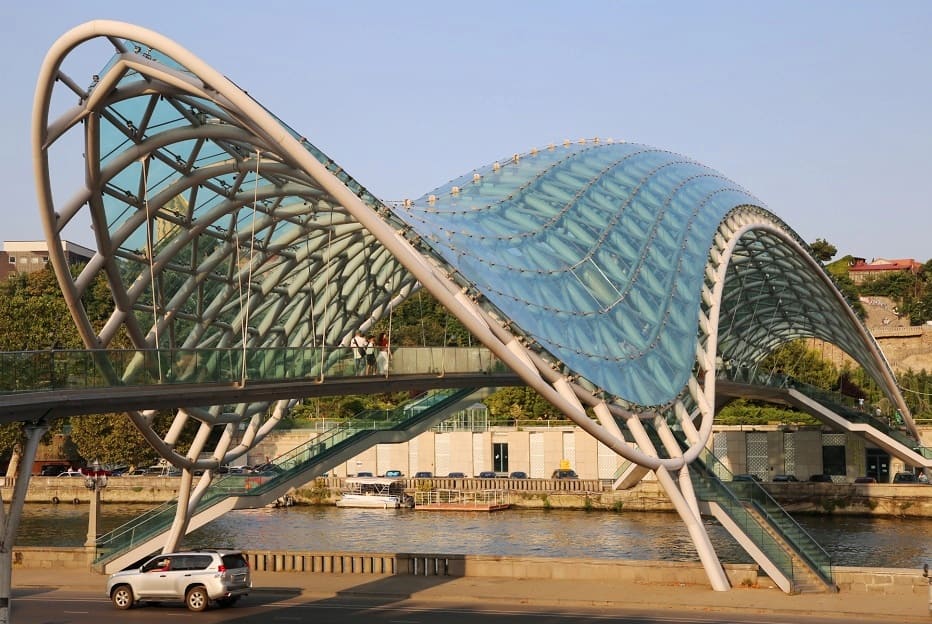
The Bridge of Peace (Georgian: მშვიდობის ხიდი) is a bow-shaped pedestrian bridge, a steel and glass construction illuminated with numerous LEDs, over the Kura River, linking the Rike Park with Old town. Since its opening in 2010 the structure has become an important pedestrian crossing in the city, as well as a significant tourist attraction and one of the most well-recognized landmarks of the capital.
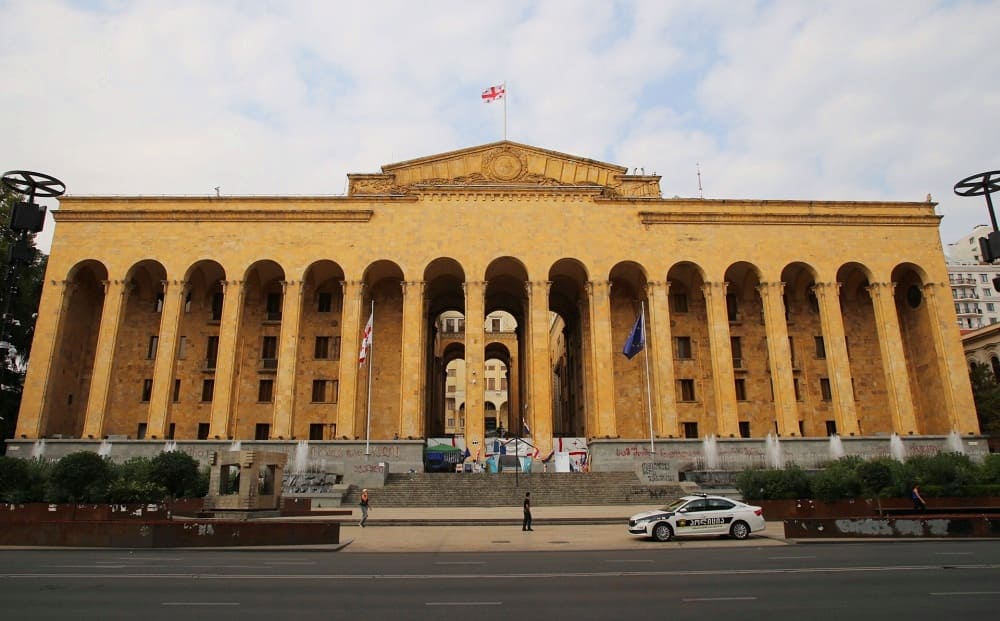
The Parliament of Georgia Building (Georgian: საქართველოს პარლამენტის შენობა) is the meeting place of the Parliament of Georgia. It is located in 8 Rustaveli Avenue, close to the foothills of Mount Mtatsminda. The building complex was constructed as the House of Government of Georgian SSR on the site of the demolished 19th-century Alexander Nevsky Cathedral. The buildings are built of lightweight reinforced concrete, with exterior cladding of tufa rock, granite, and other materials.
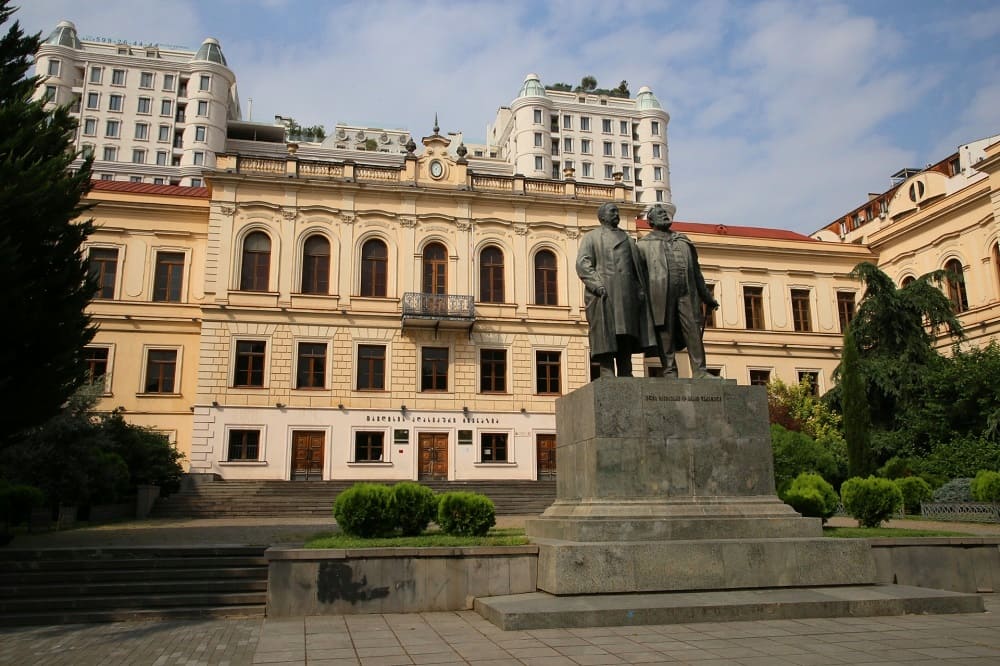
National Youth and Children’s Palace (Georgian: მოსწავლე ახალგაზრდობის ეროვნული სასახლე), sometimes referred to as Pioneers’ Palace, National Palace, or by its original name, Viceroy’s Palace, is a historic building located on Rustaveli Avenue in Tbilisi.

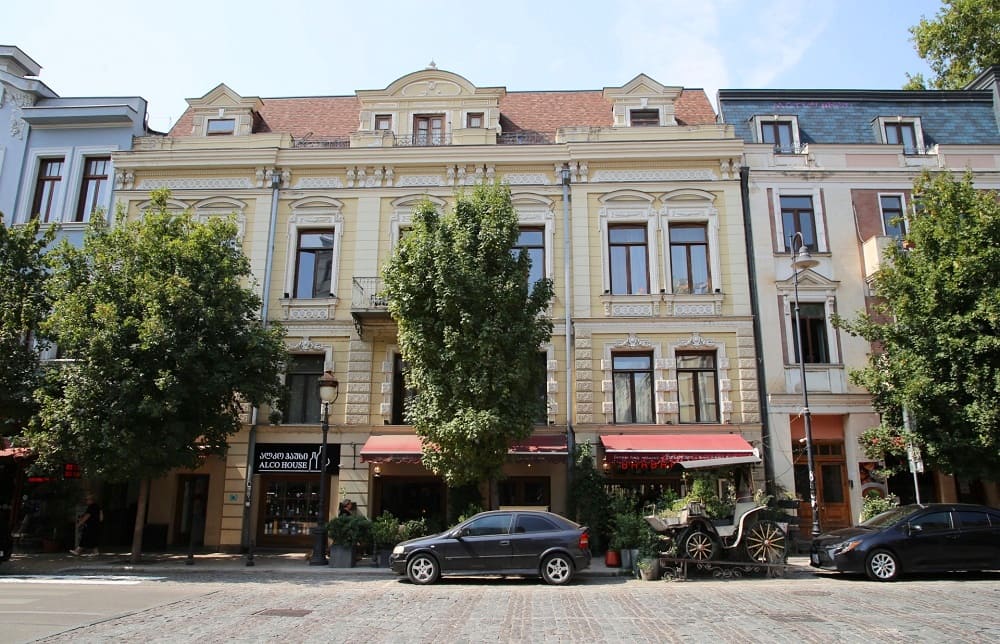
David Aghmashenebeli Avenue (Georgian: დავით აღმაშენებლის გამზირი) is one of the main avenues in the historical part of Tbilisi, known for its 19th-century classical architecture. The avenue is located on the left bank of the Mtkvari River and runs from Saarbrücken Square to Giorgi Tsabadze street.
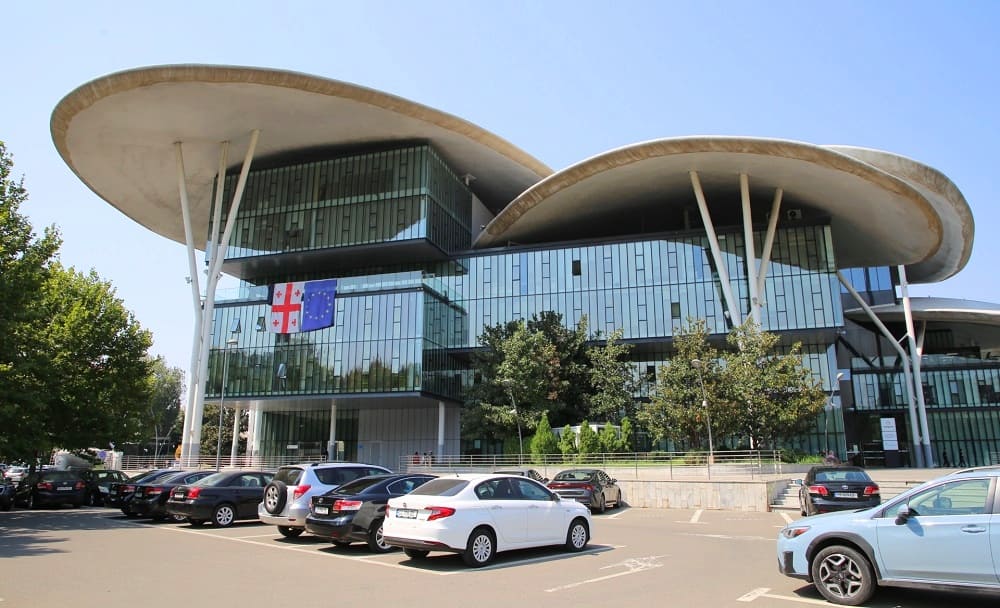
Public Service Hall (Georgian: იუსტიციის სახლი) is an agency of the Georgian government which provides a variety of public services, including the services of the Civil Registry Agency, the National Agency of Public Registry, the National Archives, the National Bureau of Enforcement and the Notary Chamber of Georgia. Services are made available at public service halls throughout the country. Currently, Public Service Hall endeavors to provide up to 400 services at the main location in Tbilisi.
Baratashvili Street (Georgian: ბარათაშვილის ქუჩა) is one of the central streets of the city, an important transport artery. The street was named in 1945 in honor of the famous Georgian poet Nikolai Baratashvili (1817-1845). Before that, it was called “Prison Boulevard”, and since 1843 it was known as Mukhrani Street. This street runs along the border of the old city. The Mukhrani Gate of the fortress wall opened onto it, from which the road to Mtskheta and the Mukhrani Valley began. In the 1820s, the fortress walls, which had lost their significance, were destroyed.
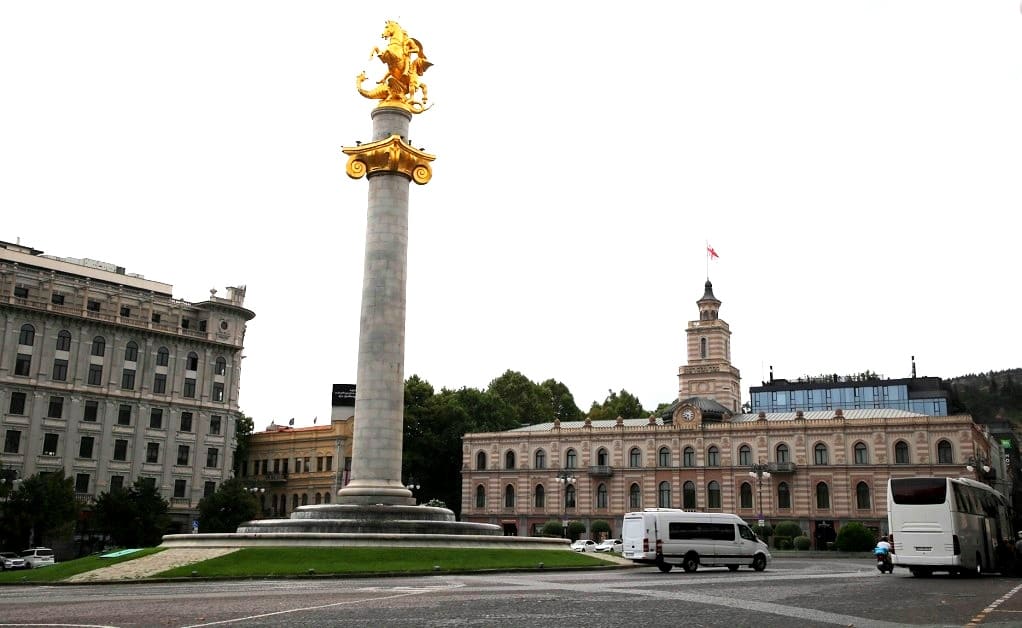
Freedom Square or Liberty Square is located in the center of Tbilisi, at the eastern end of Rustaveli Avenue (Georgian: თავისუფლების მოედანი). Under Imperial Russia it was known as Erivansky or Paskevich-Erivansky. While part of the Soviet Union, it was Beria Square and Lenin Square.
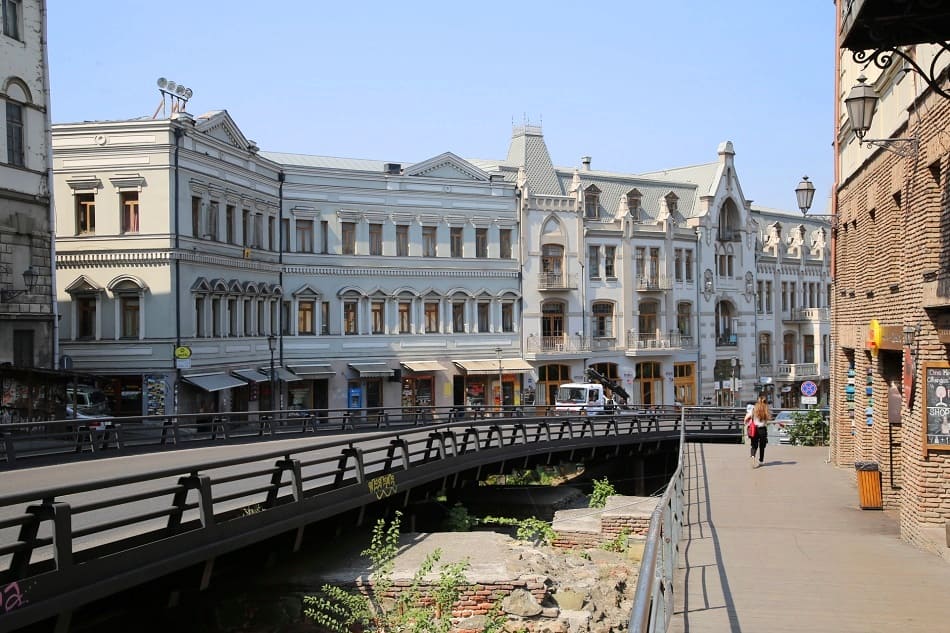
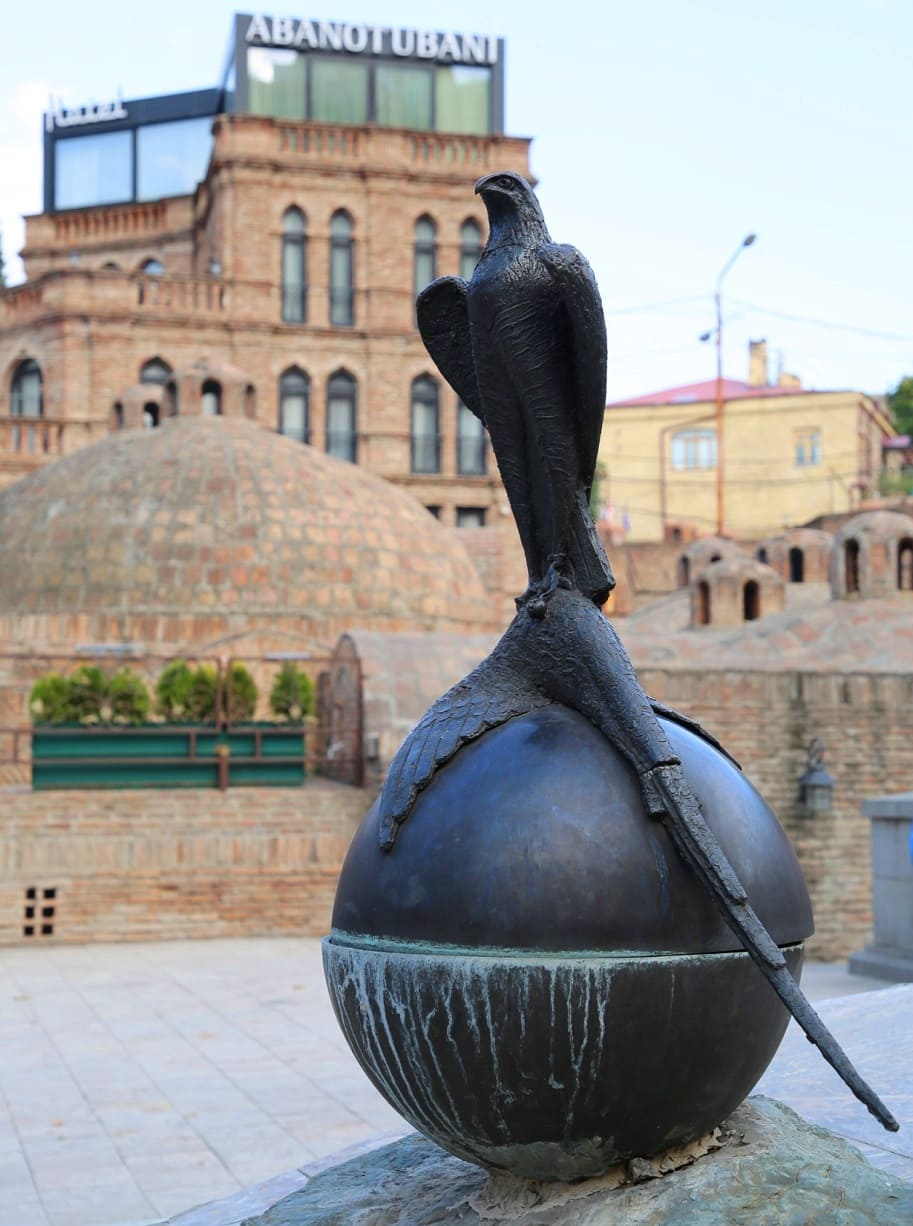
Abanotubani (Georgian: აბანოთუბანი, literally “bath district”) is the ancient district of Tbilisi, known for its sulphuric baths. Located at the eastern bank of the Mtkvari River at the foot of Narikala fort across Metekhisubani, Abanotubani is an important historic part of the city: it is where according to a legend the King of Iberia, Vakhtang Gorgasali’s falcon fell, leading to a discovery of the hot springs and, subsequently, to founding of a new capital.
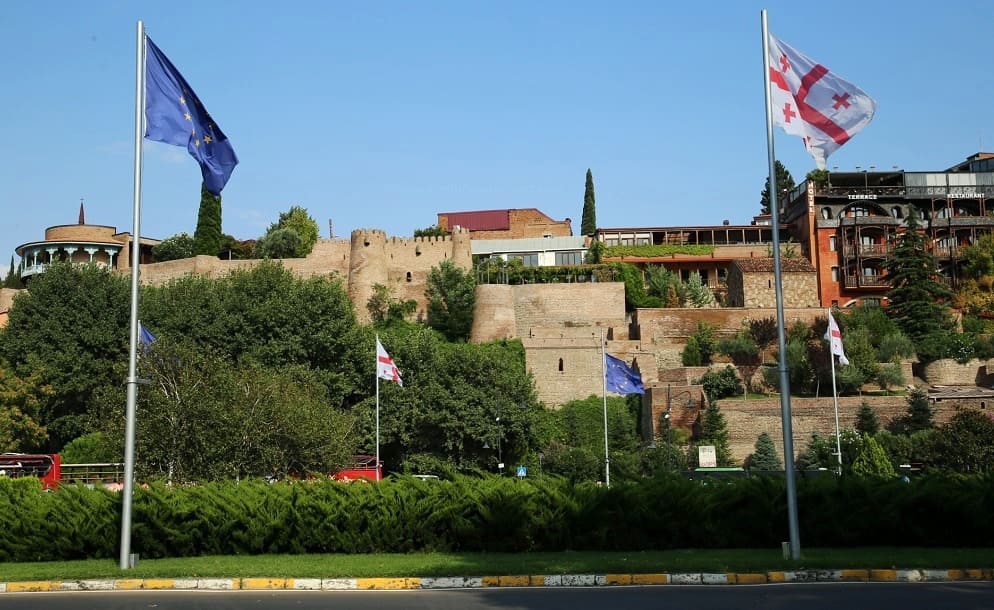
The Palace of Queen Darejan (or Sachino Palace) is one of the most famous Georgian landmarks. The palace was built in 1789 by order of the King of Kartli-Kakheti, Erekle II, for his wife, Queen Darejan. The Sachino Palace is built in a fortress style due to the need to protect against enemy attacks. All the buildings of the palace complex were built at one time on the ruins of a medieval fortress. After the death of King Erekle, his wife lived in the palace of the same name for some time, but then in 1807 she moved to St. Petersburg.
Transport
Tbilisi’s public transportation system is managed by the Transport and Urban Development Agency. For many years, the city has prioritized private transportation, and since the 2010s has been actively investing in developing an environmentally friendly, accessible, and extensive public transportation network. Today, the city is served by an international airport, metro, national railway, city buses, minibuses, taxis, cable cars, bike paths, and a funicular.
Airport
Shota Rustaveli Tbilisi International Airport (IATA: TBS / ICAO: UGTB) is the city’s only international airport, located about 18 kilometers southeast of the city center. In 2022, it served almost 3 million passengers, making it Georgia’s busiest airport and a regional hub.
You can get to the airport from the city center by bus 337 (travel time – 50 minutes; price – 1 GEL; interval – 20 minutes) or by taxi (average price – 22 GEL (€7)).
An additional domestic airport at Natakhtari Airfield connects Tbilisi with Batumi, Mestia, and Ambrolauri.
Metro
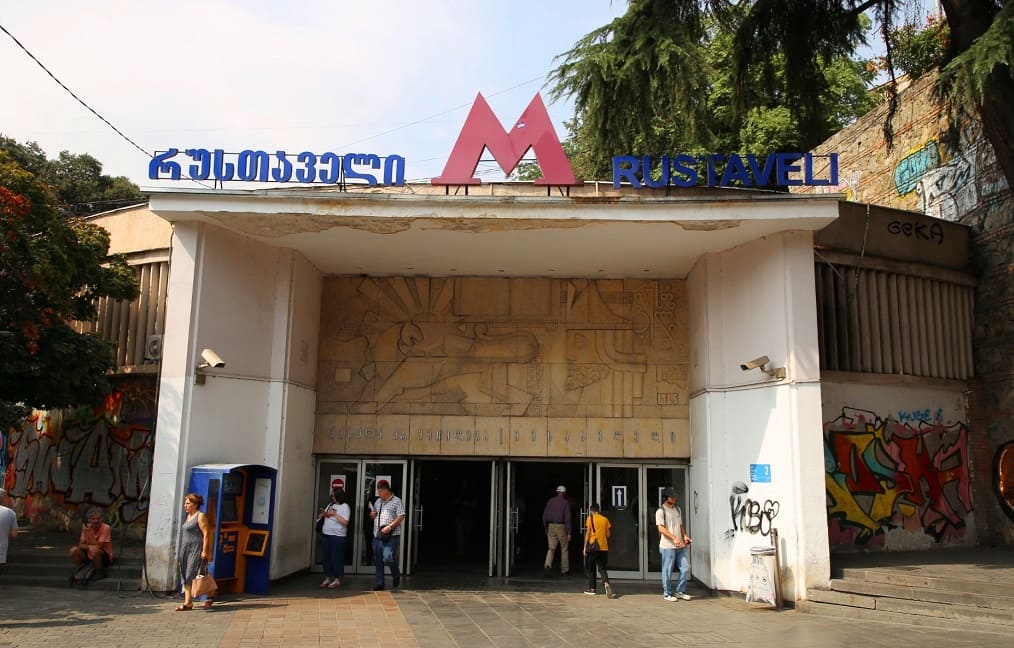
The Tbilisi Metro (Georgian: თბილისის მეტროპოლიტენი) is a rapid transit system in the Georgian capital Tbilisi. Opened on 11 January 1966, it was the fourth metro system in the former Soviet Union. Like other ex-Soviet metros, most of the stations are very deep and vividly decorated.
Railway
Tbilisi is the main transport hub of the Georgian Railway. Intercity trains depart from Tbilisi Central Railway Station to Batumi, Zugdidi, Poti, Kutaisi and other cities.
Bus
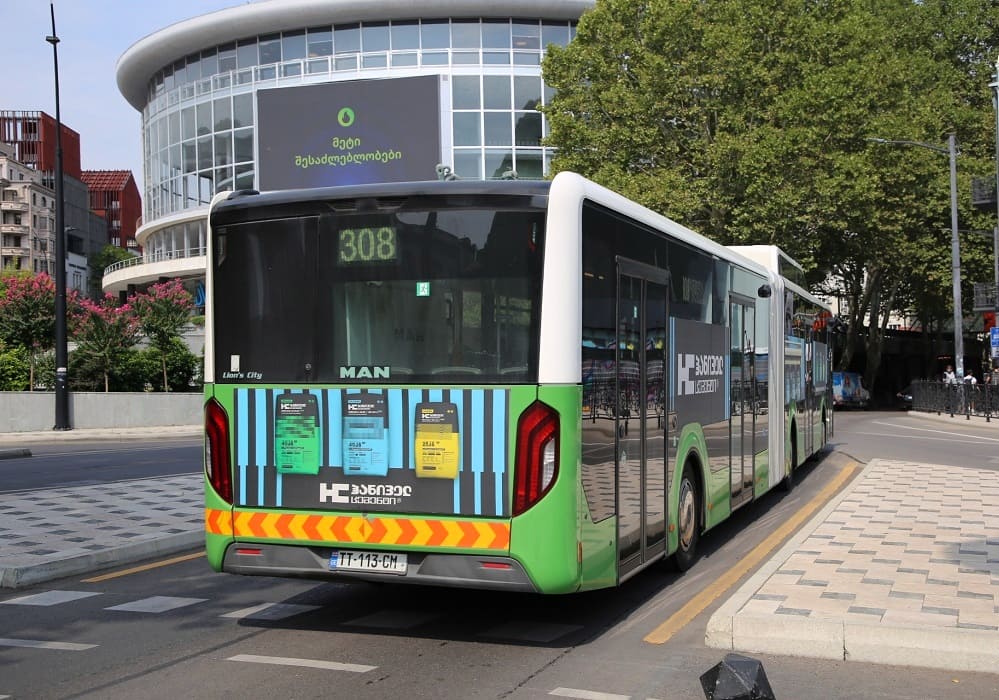
Tbilisi’s bus network is the principal urban transport of the city. A major reorganization launched in 2020 saw the introduction of bus rapid transit corridors (TBT routes 300–310) served by articulated 18-meter buses, as well as more than 200 other urban and suburban routes.
Since 2017, the aging fleet has been replaced by new environmentally friendly buses, including MAN Lion’s City CNG and BMC models.
Private minibuses (marshrutkas) continue to supplement the bus network, although their share has been gradually declining following municipal reforms. In 2019, a new tender resulted in the introduction of modern minibuses with stricter safety and comfort standards.
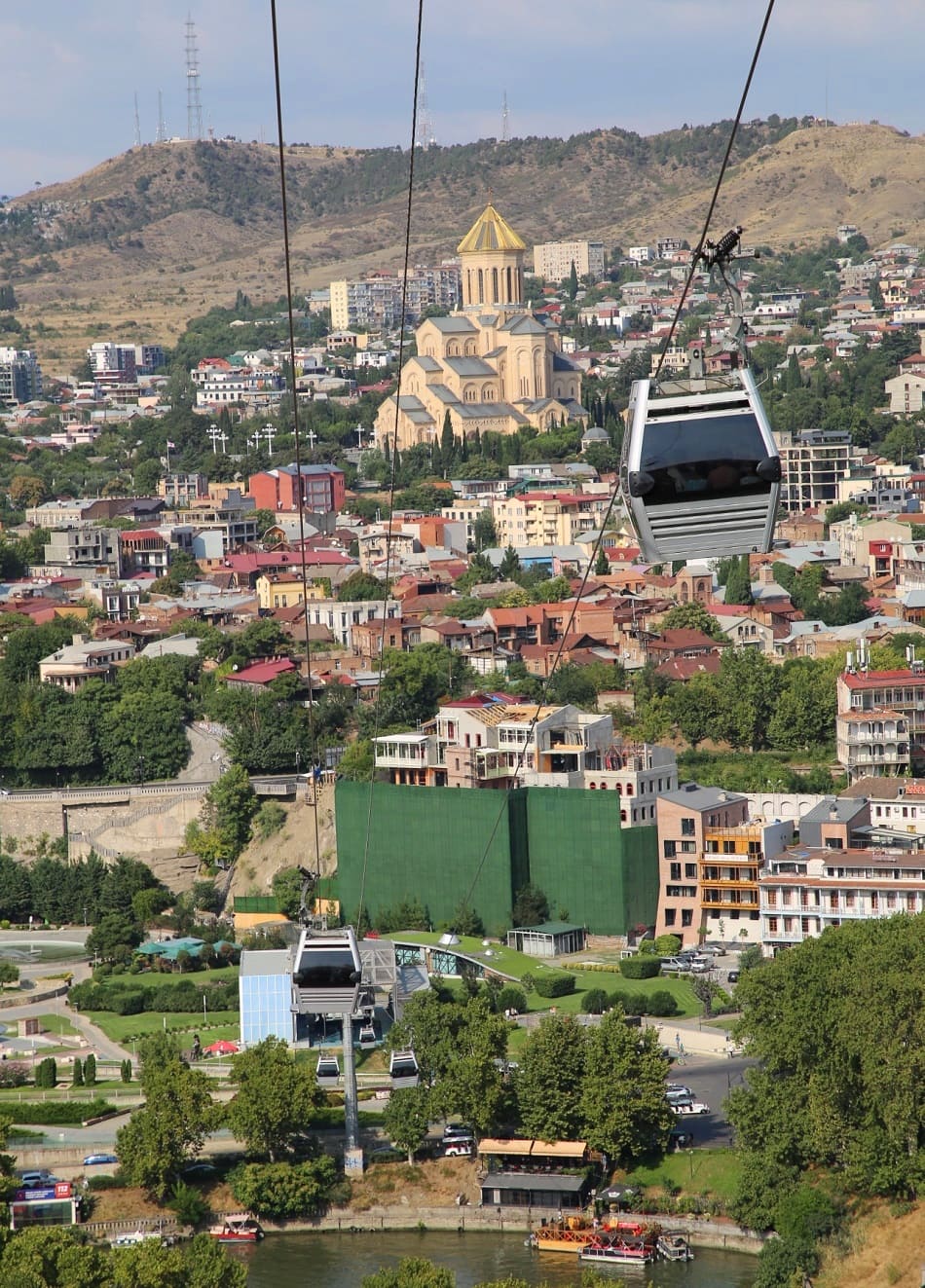
Aerial tramways
Tbilisi operates three gondola lift systems:
- Rike Park to Narikala Fortress (opened 2012)
- Vake Park to Turtle Lake (opened 2016)
- State University to Bagebi (opened 2021)
The Soviet-era tram between Rustaveli Avenue and Mtatsminda was dismantled after the tragic 1990 Tbilisi aerial tramway accident, but reconstruction plans are underway.
Funicular
The Tbilisi Funicular, originally opened in 1905 and restored in 2012, connects Chonkadze Street to Mtatsminda Park at the highest point of the city. The line provides access to panoramic views, the Tbilisi TV Broadcasting Tower, and various recreational facilities.
Main information
Area: 504.3 km²
Coordinates: 41°41’27.5″N 44°48’25.6″E
Population: 1,330,217
Language: Georgian
Currency: Georgian lari (₾)
Visa: Citizens of most Eurasian countries do not need a visa to visit Georgia
Time: UTC+4:00