

Tbilisi is the ancient cultural center of Georgia. The Old Town with its narrow streets is located in the southeastern part of the city. The modern regions of Tbilisi feature multi-story buildings in the European style and boulevards lined with trees.
Theaters
Tbilisi is famous for its rich theatrical traditions. Every year on January 14, Georgian Theater Day is celebrated. It was on this day in 1850 that plays by the founder of the Georgian theater Giorgi Eristavi were first performed in Tbilisi. Today, more than a dozen theaters of various styles are performed in the capital of Georgia.
The Shota Rustaveli Theatre and Film Georgia State university (Georgian: რუსთაველის თეატრი) is one of the leading drama theaters in Georgia, facing Rustaveli Avenue, 17b.
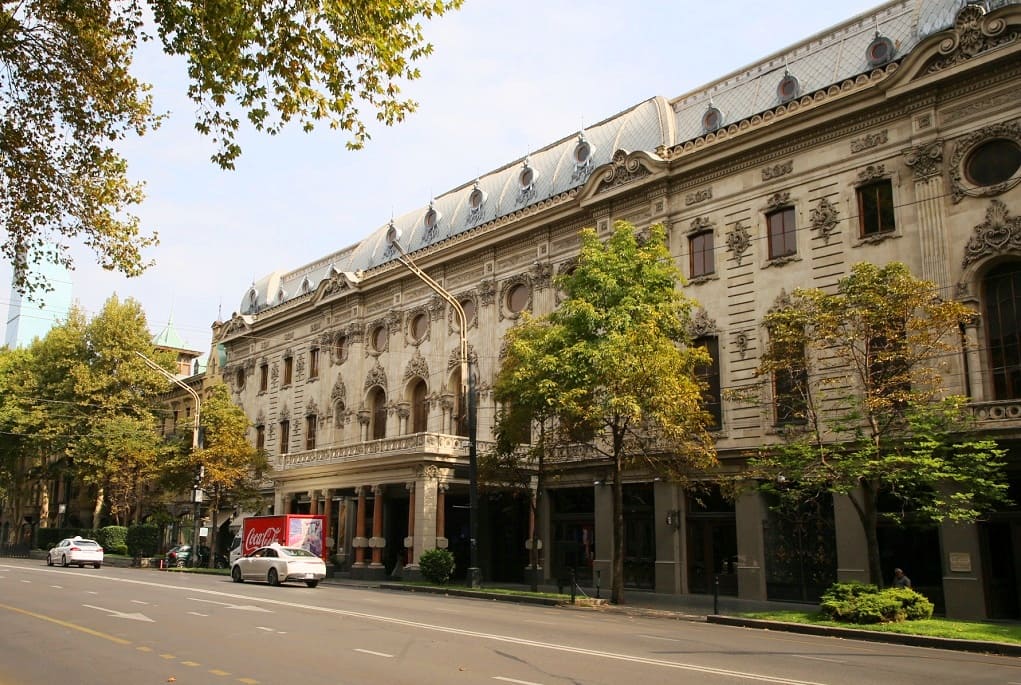
The Georgian National Opera and Ballet Theater of Tbilisi (Georgian: თბილისის ოპერისა და ბალეტის სახელმწიფო აკადემიური თეატრი), formerly known as the Tiflis Imperial Theater, is an opera house situated on Rustaveli Avenue in Tbilisi. Founded in 1851, Tbilisi Opera is the main opera house of Georgia and is among the oldest opera houses in Eastern Europe.
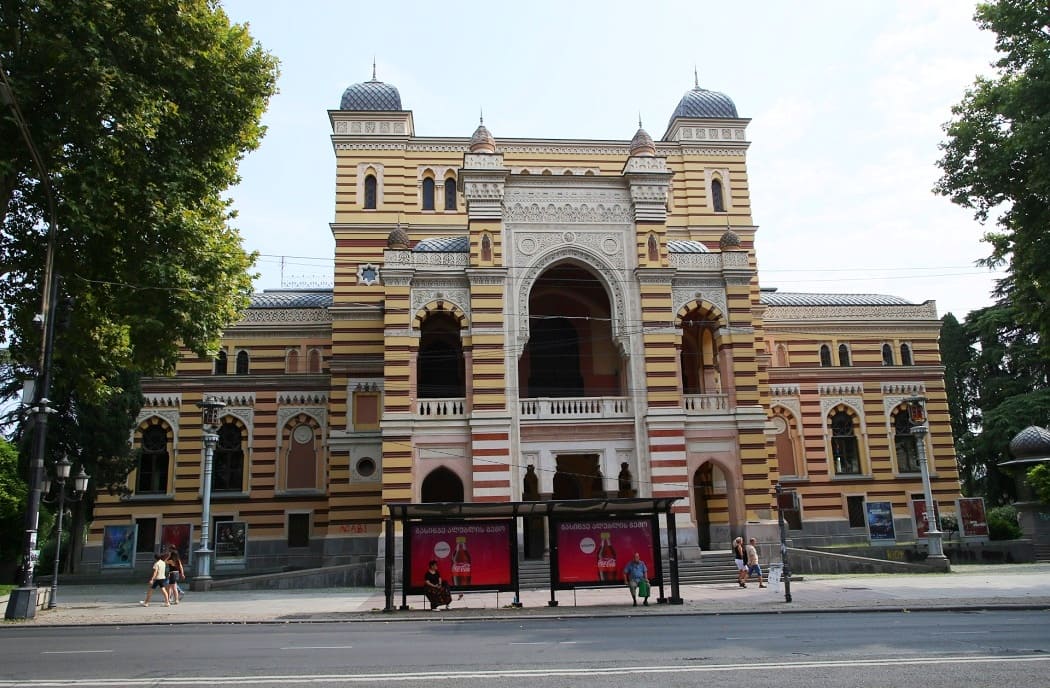
Rezo Gabriadze Marionette Theater (Georgian: რეზო გაბრიაძის თეატრ-სტუდია) is located in the historical Old Town district, at 13 Shavteli Street. It is one of the symbols of the city.
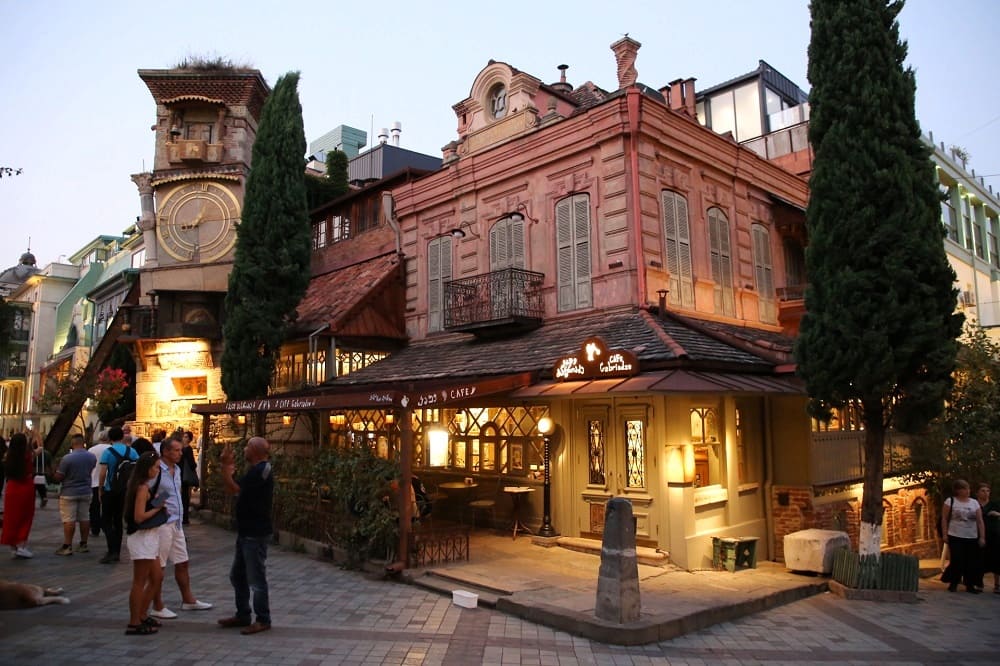
The Tbilisi Theatre of Music and Drama Vaso Abashidze (until 2005 – Georgian Theatre of Musical Comedy V. Abashidze) was founded in Tbilisi in 1934 by Mikheil Chiaureli and David Dzneladze on the basis of the Georgian travelling musical and dramatic theatre “Koopteatr”, which had existed since 1926.

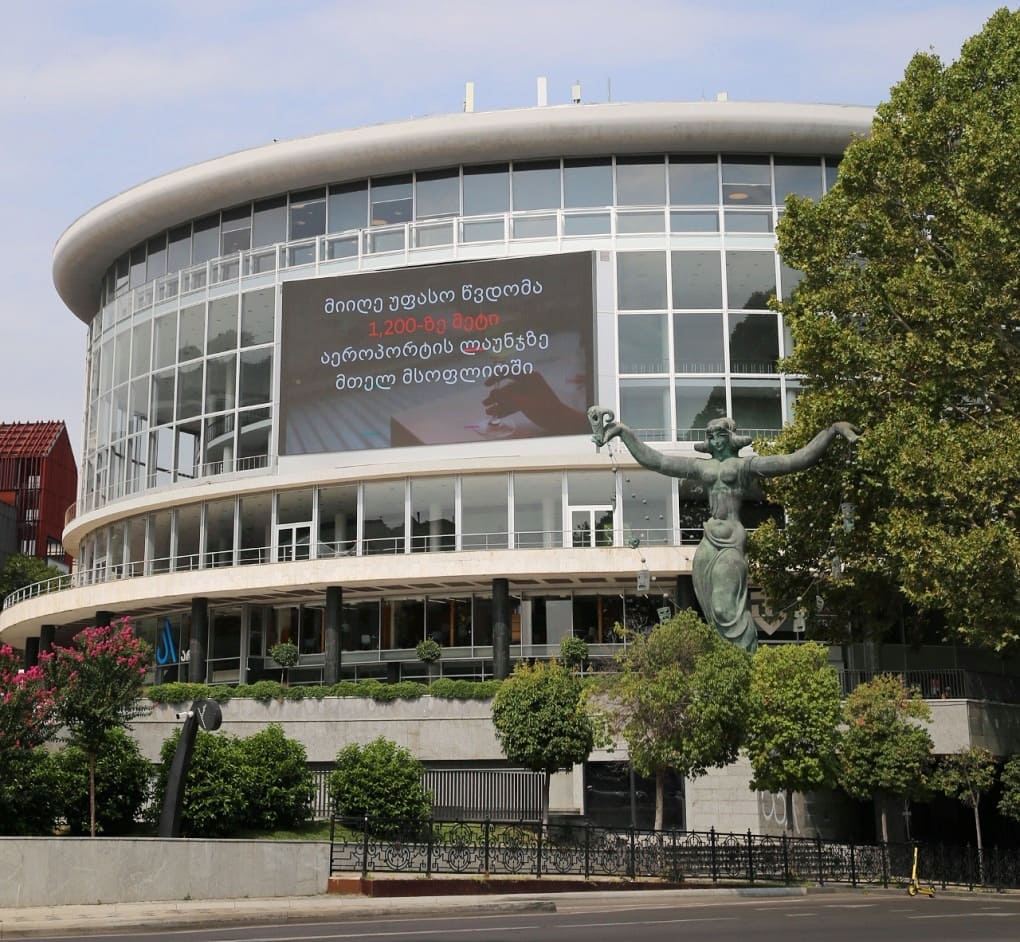
Tbilisi State Philharmonic (Tbilisi Concert Hall) is a concert organization of Georgia, located at 36/1 Merab Kostava Street. The concert hall of the Philharmonic has a main hall with 2,500 seats and a small hall with 750 seats. The circular foyer of the Philharmonic connects the interior space of the building with the surrounding urban development. In front of the hall there is a bronze sculpture “Muse”.
Museums
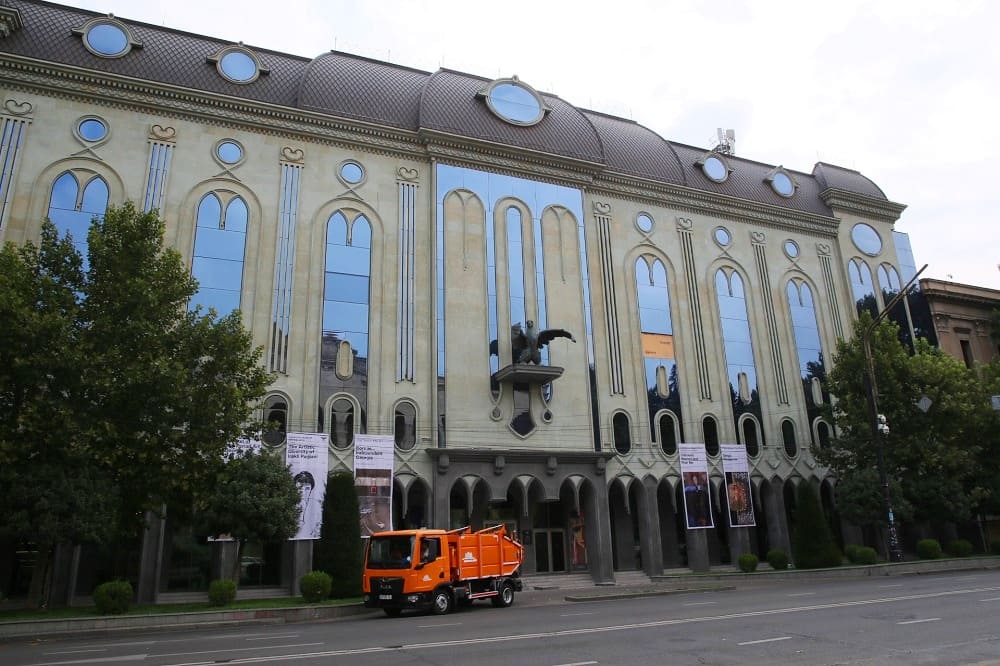
The Georgian National Museum (Georgian: საქართველოს ეროვნული მუზეუმი) unifies several leading museums in Georgia. The museum was established within the framework of structural, institutional, and legal reforms aimed at modernizing the management of the institutions united within this network, and at coordinating research and educational activities.
The Museum of the Soviet Occupation is located in the same building. It is dedicated to the period of Soviet Georgia (1921-1991), the victims of repression, as well as the rebel and national-liberal movements. The museum was founded on May 26, 2006 and is part of the National Museum of Georgia.
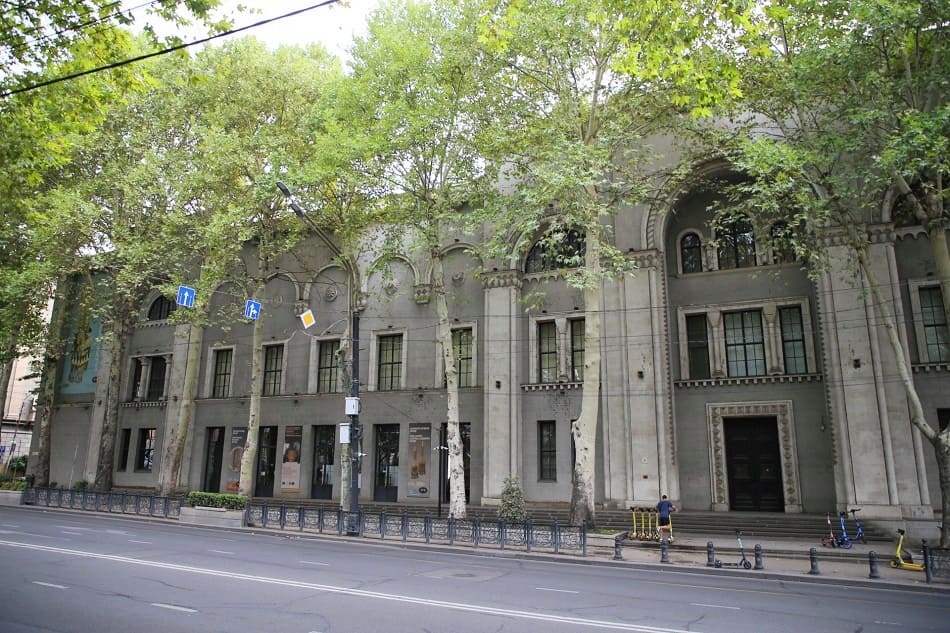
The National Gallery of Georgia is an art museum in Tbilisi at 11 Rustaveli Avenue. It is part of the country’s state museum network. The gallery has eight exhibition halls, a restoration laboratory, temporary exhibition spaces, a classroom, and a gift shop. All of these spaces were created by the Portuguese architectural firm Ainda Arquitectura.
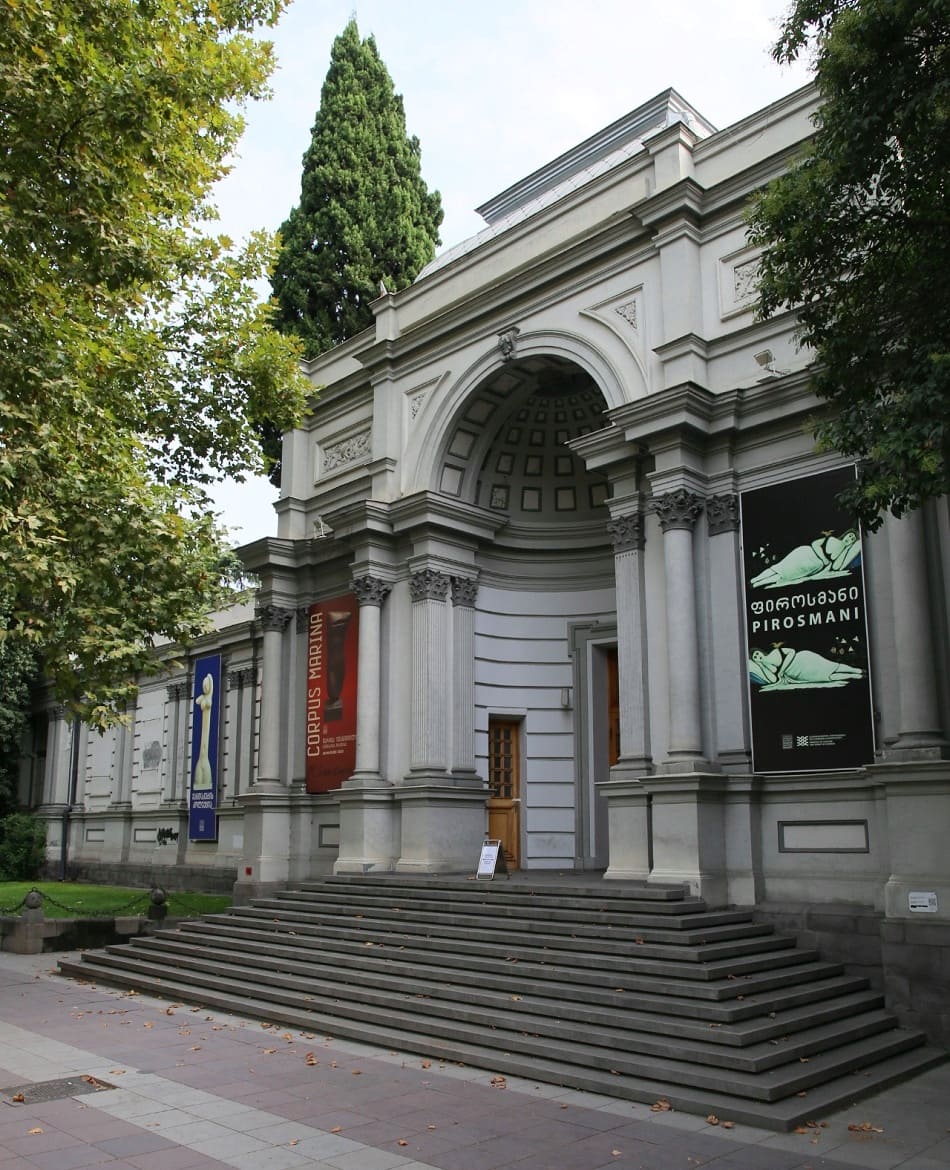
The Georgian Palace of Arts – Museum of Cultural History (State Museum of Theatre, Music, Cinema and Choreography) is located at 6 Kargareteli Street. This cultural institution was founded in 1927 by David Arsenishvili. The first exhibition was held here in 1928, and since then the museum regularly hosts various exhibitions.
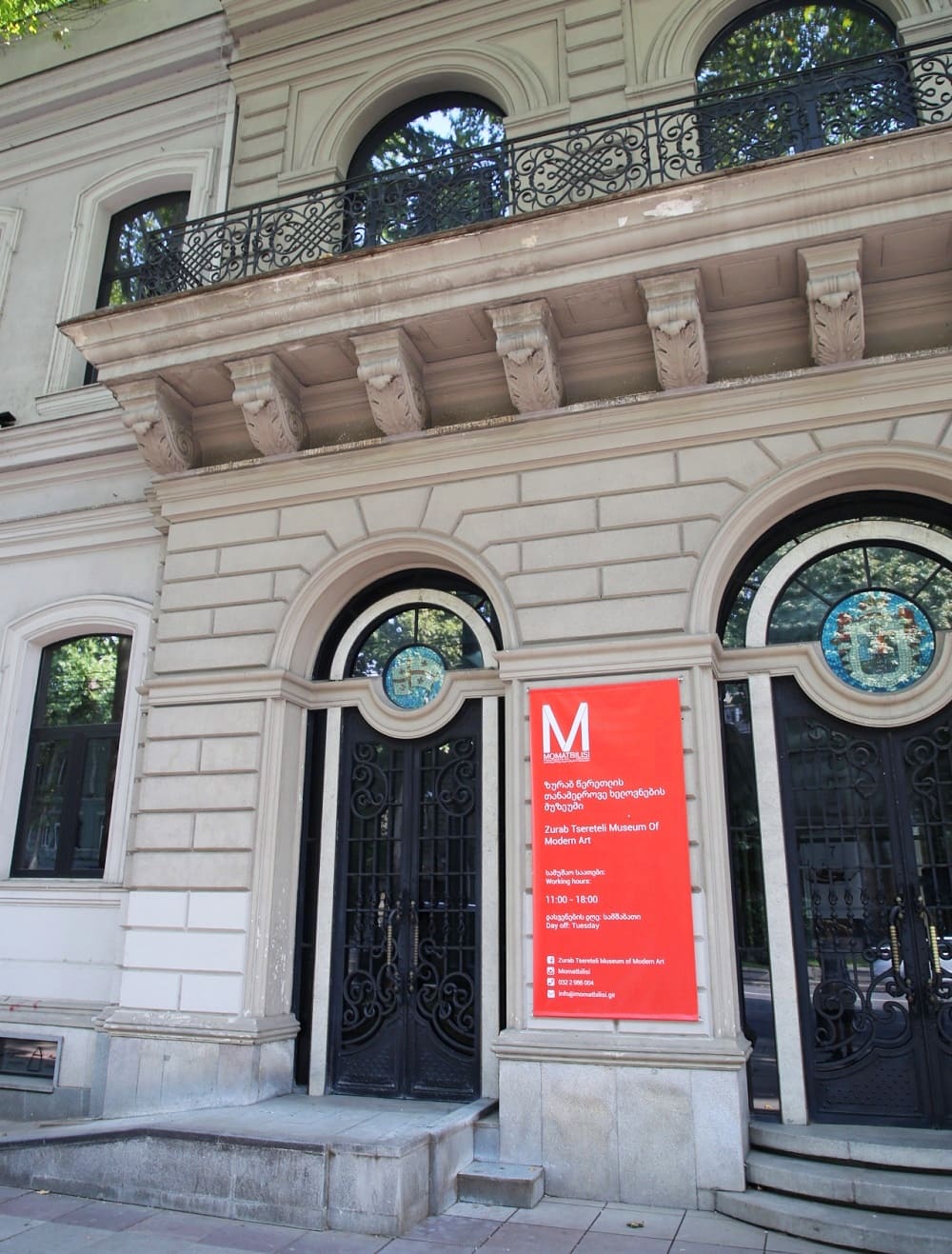
The Zurab Tsereteli Museum of Contemporary Art is one of Tbilisi’s museums, located on Rustaveli Avenue in the former Cadet Corps building. It consists of two floors and a courtyard. One floor is given over to an exhibition of contemporary Georgian artists, and the second to paintings and statues by Zurab Tsereteli, with an emphasis on the paintings.
The Georgian Museum of Fine Arts is a private art museum located on Rustaveli Avenue in central Tbilisi. The museum displays the private art collection of the family of George (Gia) Jokhtaberidze and Manana Shevardadze, the founders of Magticom, the largest telecommunications company in Georgia.
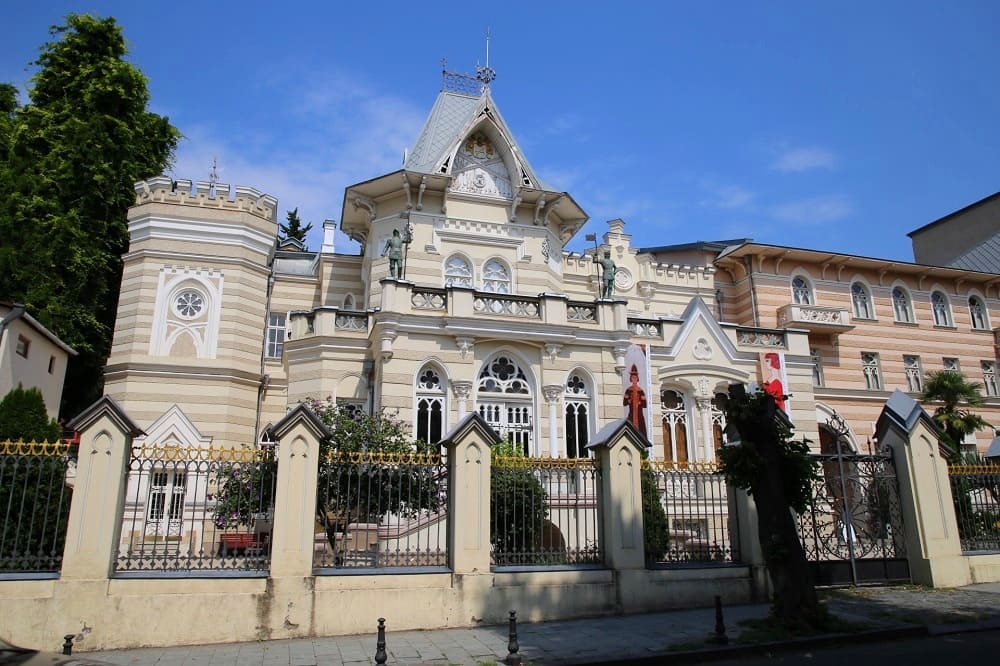
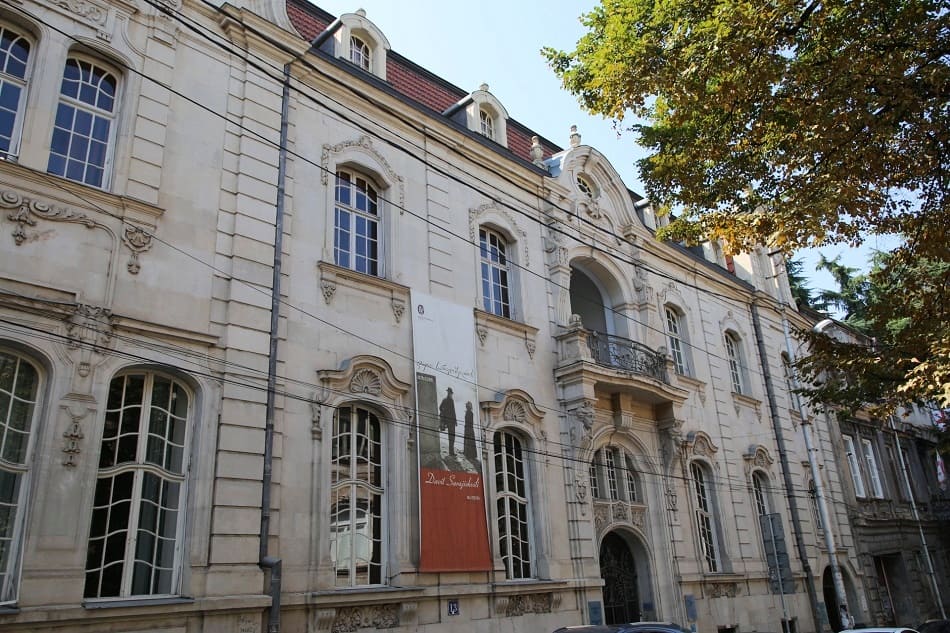
The Writer’s House of Georgia is a mansion in Tbilisi dedicated to the promotion of literature and a focal point of Georgian literature. The mansion was built by David Sarajishvili, an entrepreneur, between 1903 and 1905.
Entertainment
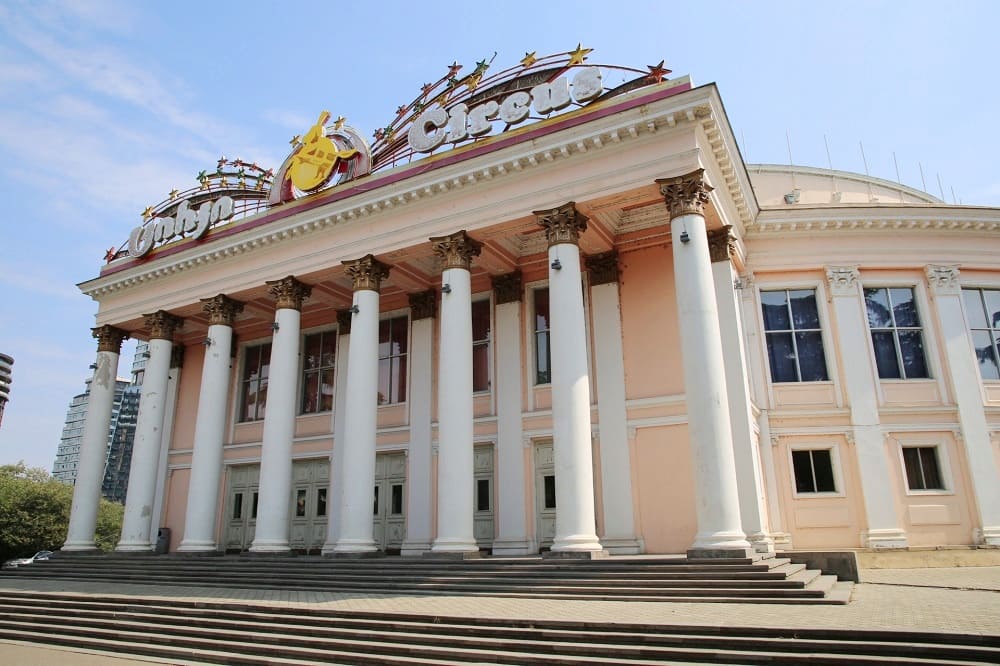
Tbilisi Circus is an outstanding cultural institution in the capital of Georgia, located on Heroes’ Square. It is designed for 2000 spectators. Construction began in 1938 and was completed in 1940 on a hill formed after the cutting of Queen Tamar Avenue.
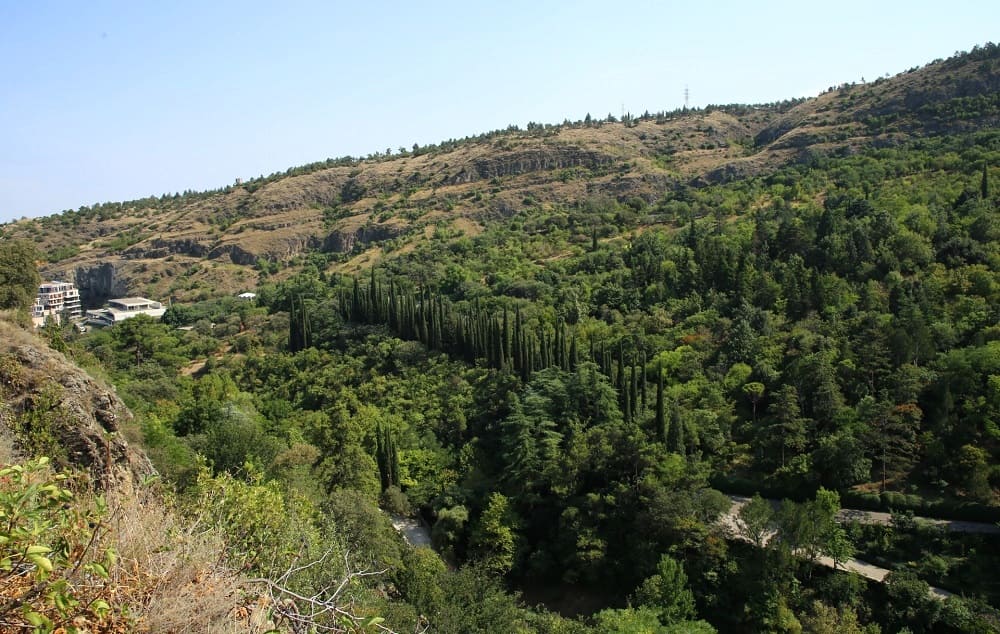
The Tbilisi Botanical Garden (until 1845 the Royal Garden) is located in the historical center of Tbilisi, south of the Sololaki Ridge, in the valley of the Legvta-Khevi River. The botanical garden widely represents Georgian and world flora. Of particular note is the arched bridge over a large waterfall, built in 1914. The main entrance to the botanical garden is located at the end of Botanicheskaya Street at the foot of the mountain with the Narikala Fortress. The area is 128 hectares.
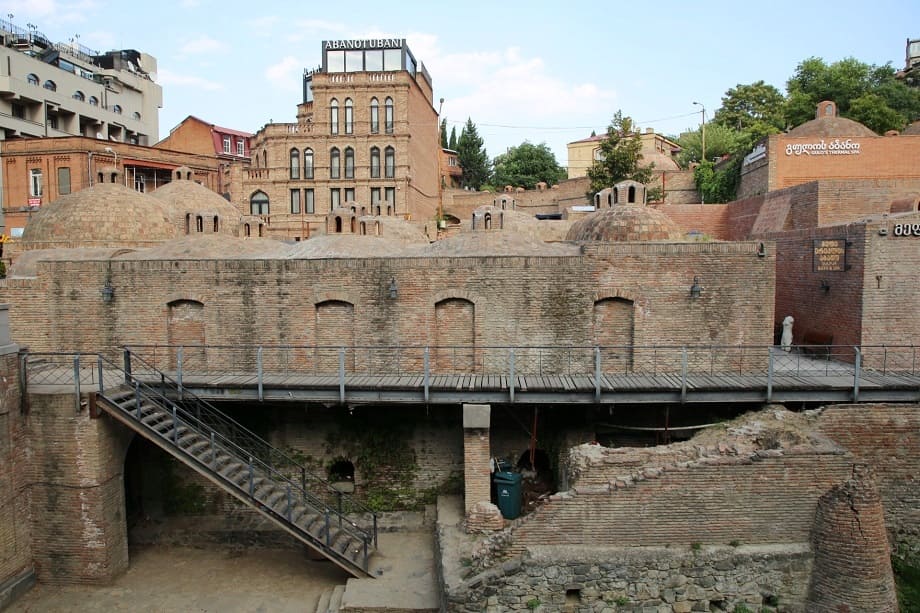
Abanotubani is a historical district in the center of Tbilisi, famous for its bath complex, located on natural sulfur springs. Built at different times in the 17th-19th centuries, the current baths form a separate quarter of the city, which is a popular place both among city residents and numerous tourists. Now all the baths are privatized on the condition of maintaining the profile of work and protecting cultural monuments.
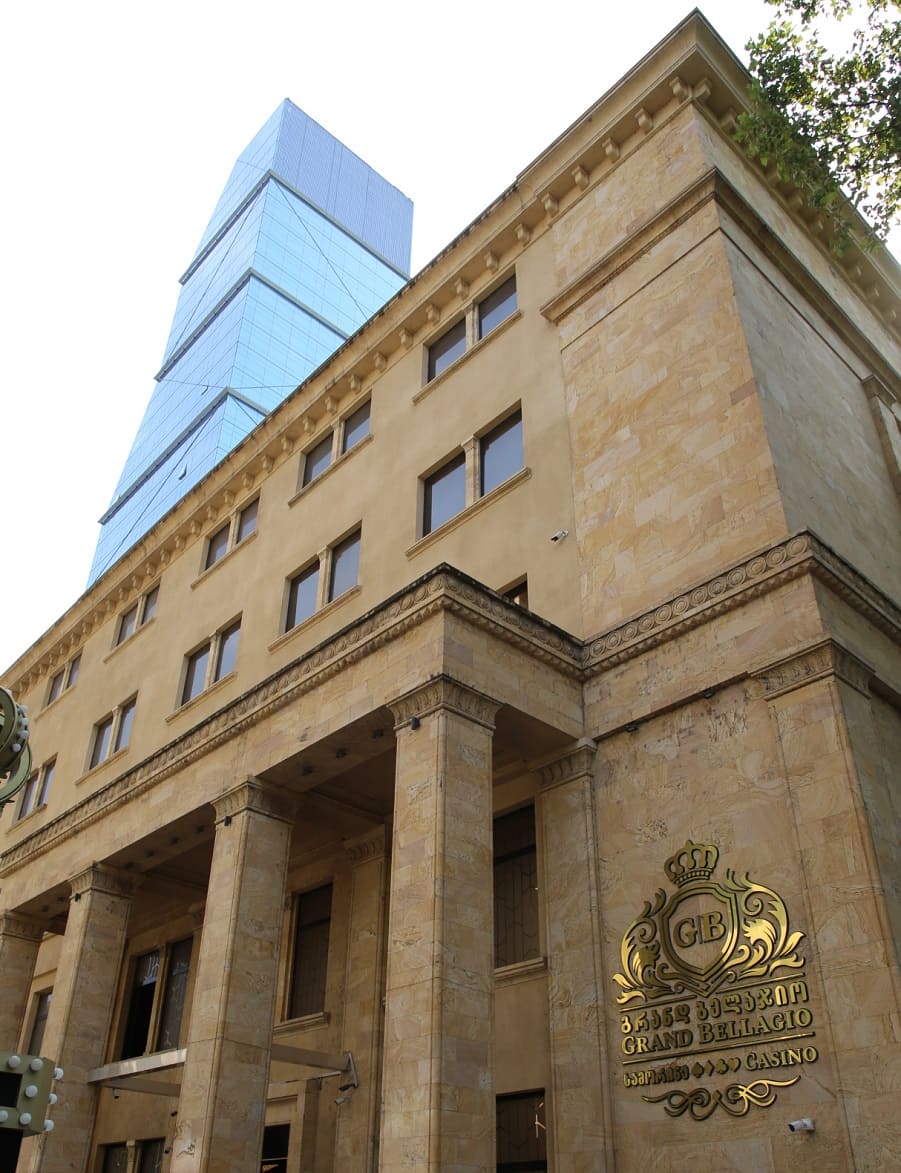
Casinos are a popular part of Tbilisi’s nightlife. There are five of them in the city.
See also religious building guide




