BMW 503

The BMW 503 is a two-door 2+2 gran turismo manufactured by German automaker BMW from 1956 until 1959. The company developed the 503, built in coupé and cabriolet body styles, alongside the 507 roadster. The 503 and 507 cost about twice their projected price and did not recover their development costs. During production from May 1956 to March 1959, 413 units of the 503 were built, 139 of which were Cabriolets. Despite being a prestige model, it resulted in heavy losses for BMW.
Hanns Grewenig, sales manager of BMW, repeatedly requested the development of a sports car based on their 501 and 502 luxury cars, and which could take advantage of their new 3.2 L V8 all-aluminium engine. He vetoed a proposal by chief engineer Fritz Feidler to develop a small car called the 331 on the basis that what BMW needed was a new luxury car more in keeping with its upmarket image. He also felt that BMW did not have the capacity then to manufacture in quantity, but could make a smaller number of luxury cars with a higher profit margin per unit.
In early 1954, influenced by the public reaction to the Mercedes-Benz 300 SL and 220 S Cabriolet show cars in New York in February 1954, the management of BMW approved the project.
The initial designs for the 503 were the work of Kurt Bredschneider, head of the body department, and he produced the preliminary drawings which showed the bodywork that went through to the final design mostly unchanged. Max Hoffman, an influential automobile importer in the United States, saw early design sketches by BMW’s Ernst Loof for the subsequent 507 and suggested to industrial designer Albrecht von Goertz that he should submit design proposals to BMW for both cars. Based on these proposals, BMW contracted Goertz to consider the existing design of the 503 and to design the 507 in November 1954.
The 503 was noted for having a cleaner and more modern design than the “Baroque Angel” 501-based sedans. The cabriolet version of the 503 was the first European convertible with an electro hydraulic hood and windows. Only 3 RHD cabriolets were hand made for the British market.
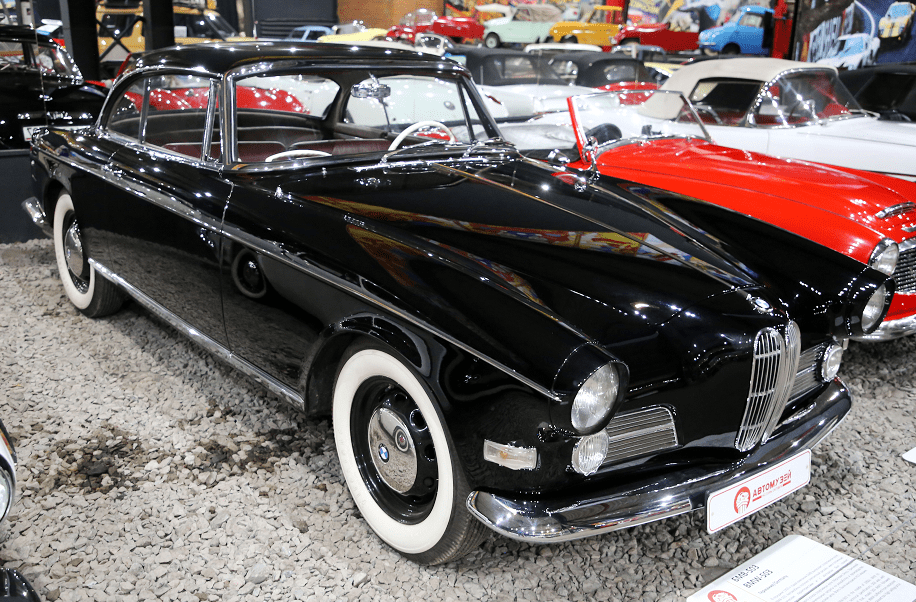
Assembly: Munich (West Germany)
Years of production: 1956—1959
Production: 413 units
Length : 4,750 mm (187 in)
Width : 1,710 mm (67 in)
Height : 1,440 mm (57 in)
Engine: 8 cylinders; 3168 cc
Power: 140 HP
Max speed: 195 km/h
Fuel consumption: 18 l/100 km
Weight: 1500 kg
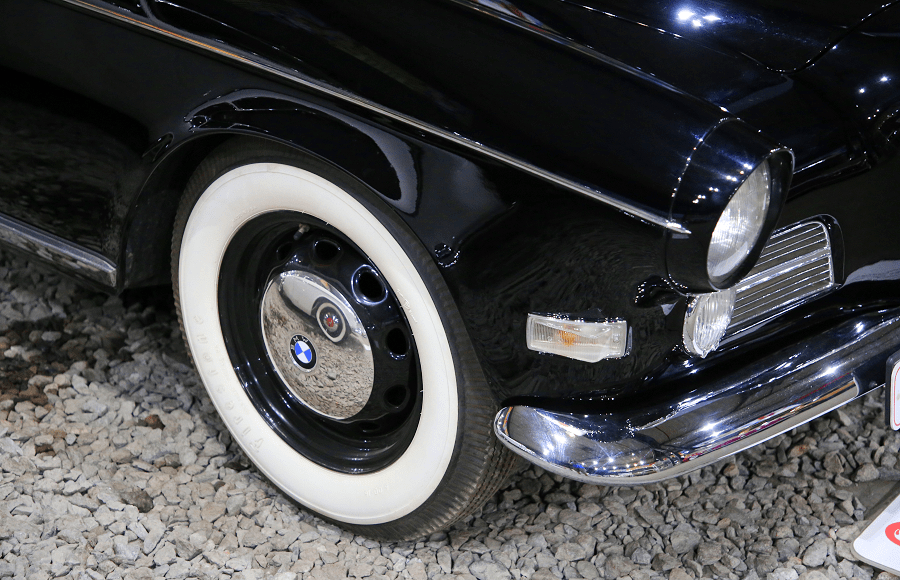
World cars museum (Moscow, Russia)
See also Transport blog
See also Cars blog
See also Motorcycles blog
See also Buses blog
See also Shipbuilding blog
See also Motors and Engines blog
See also Trains and railways blog
See also Trucks and Cargo Vehicles blog
See also Tractors and Special Equipment blog
See also Tanks and Armored Vehicles
See also Airplanes blog
See also Helicopters blog
See also Artillery, Missiles and Rockets blog
See also Bicycles blog