

Tbilisi is a city where churches are an integral part of its appearance. There are more than a hundred churches, temples, monasteries, mosques and synagogues. In the old city, each of them is a historical monument with a centuries-old history.
The best and remarquable churches of the city
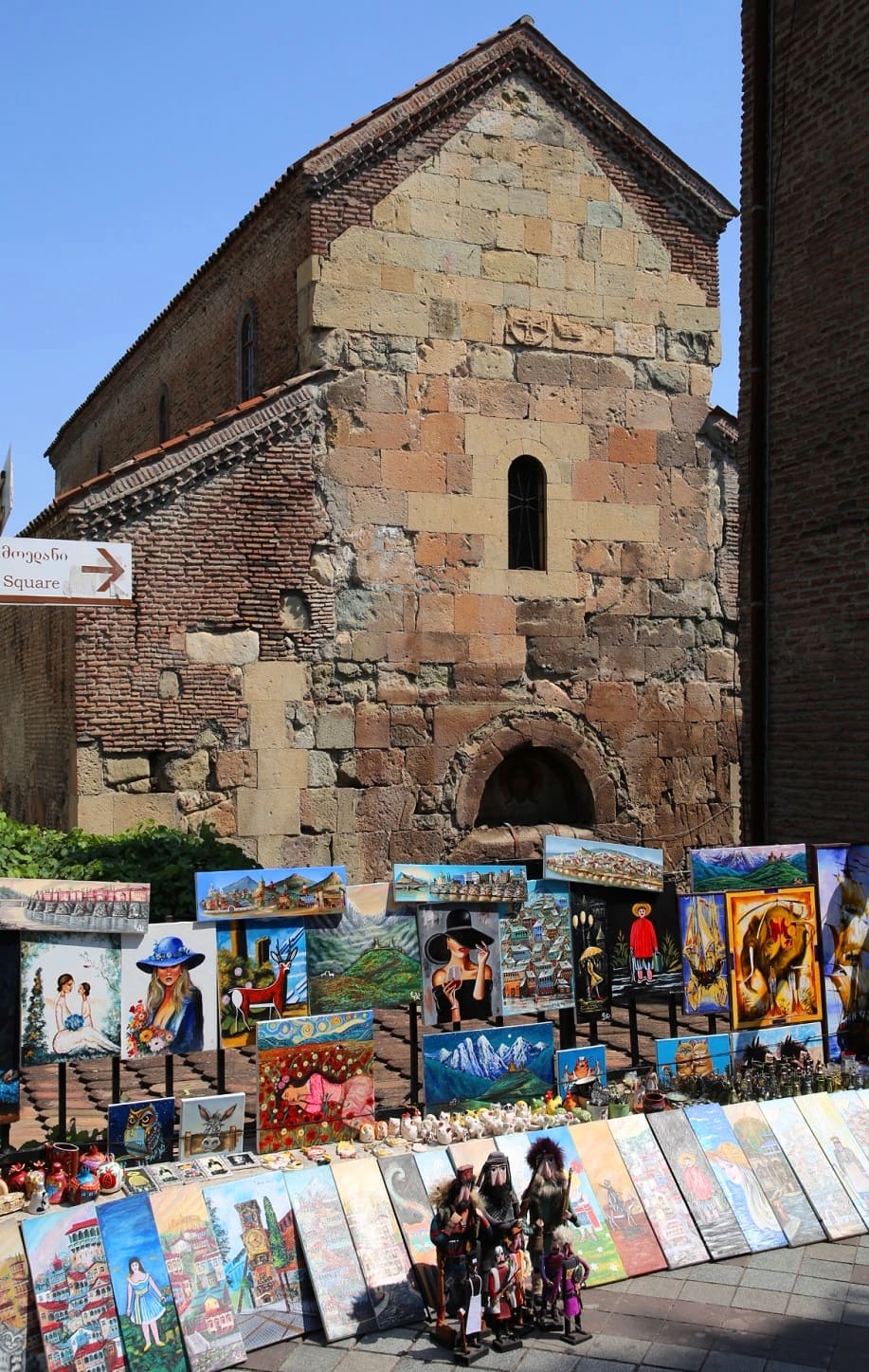
The Anchiskhati Basilica of St Mary (Georgian: ანჩისხატი) is the oldest surviving church in Tbilisi, Georgia. It belongs to the Georgian Orthodox Church and dates from the sixth century.
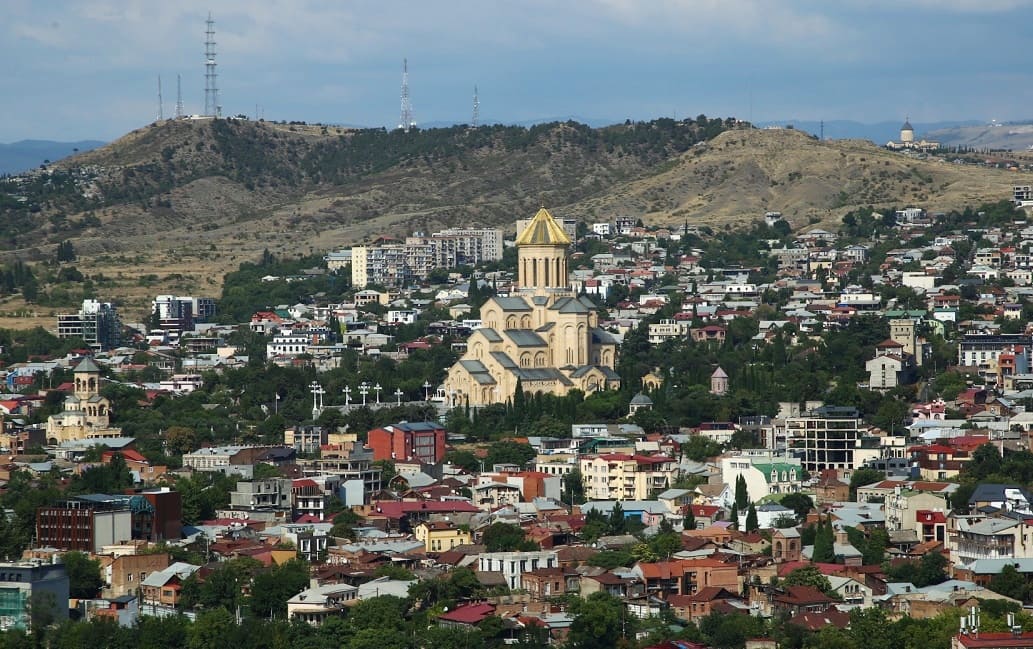
Tsminda Sameba (Georgian: წმინდა სამება — “Holy Trinity”) is the second cathedral of the Georgian Orthodox Church after Svetitskhoveli, which is located on the hill of St. Elijah (left bank of the Kura), on the site of the 17th-century Khoji Vank monastery. The cathedral has ten altars. The lower church is dedicated to the Annunciation of the Blessed Virgin Mary. The bell tower and three churches stand separately.
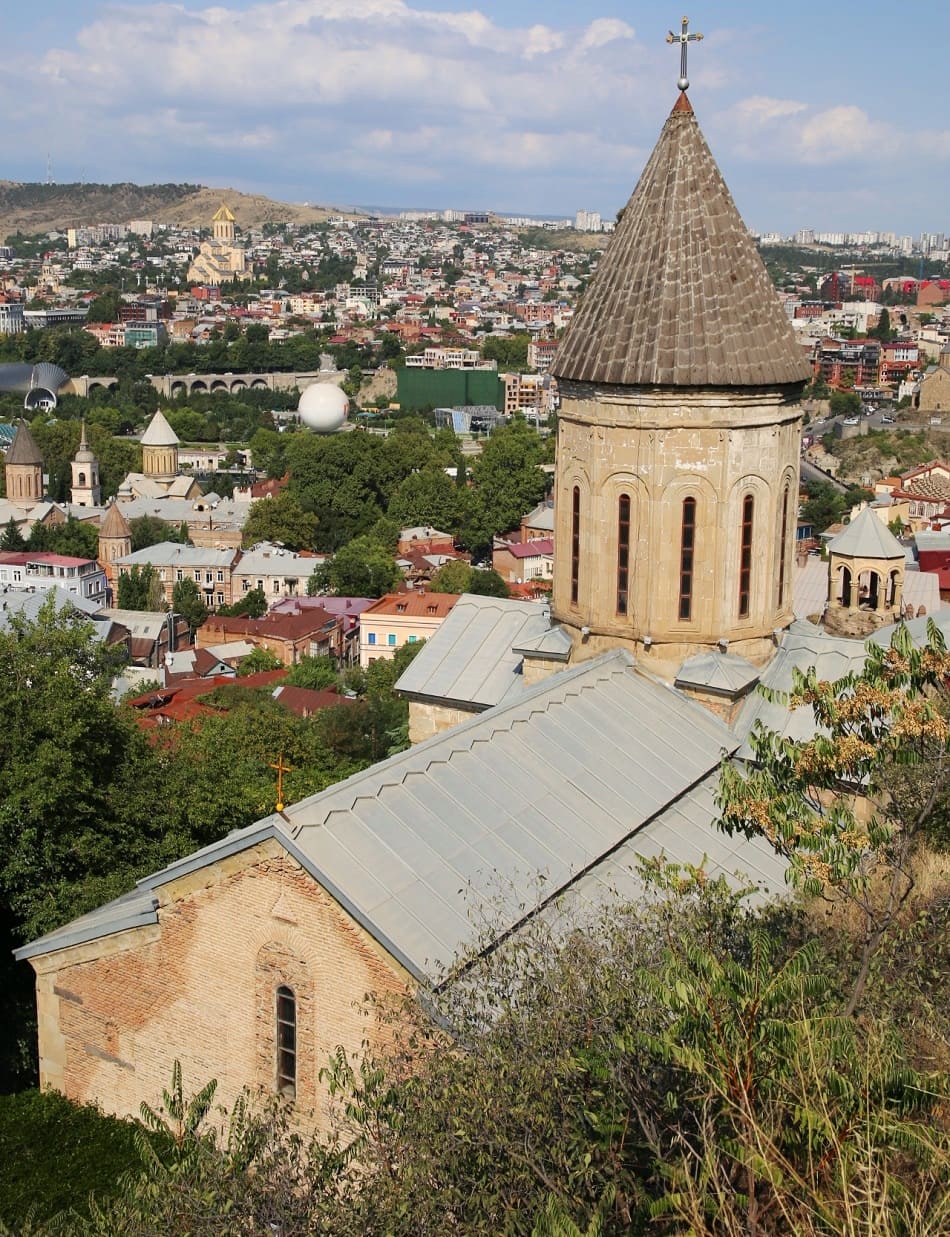
Zemo Betlemi (Georgian: ბეთლემი, Upper Bethlehem Church) is a church of the Georgian Patriarchate. It is located in the historic Old Town district, under Mount Narikala. The Betlemi ascent and staircase leads to the church from Asatiani Street. For a long time it was an Armenian church, and now its affiliation is the subject of complex discussions.
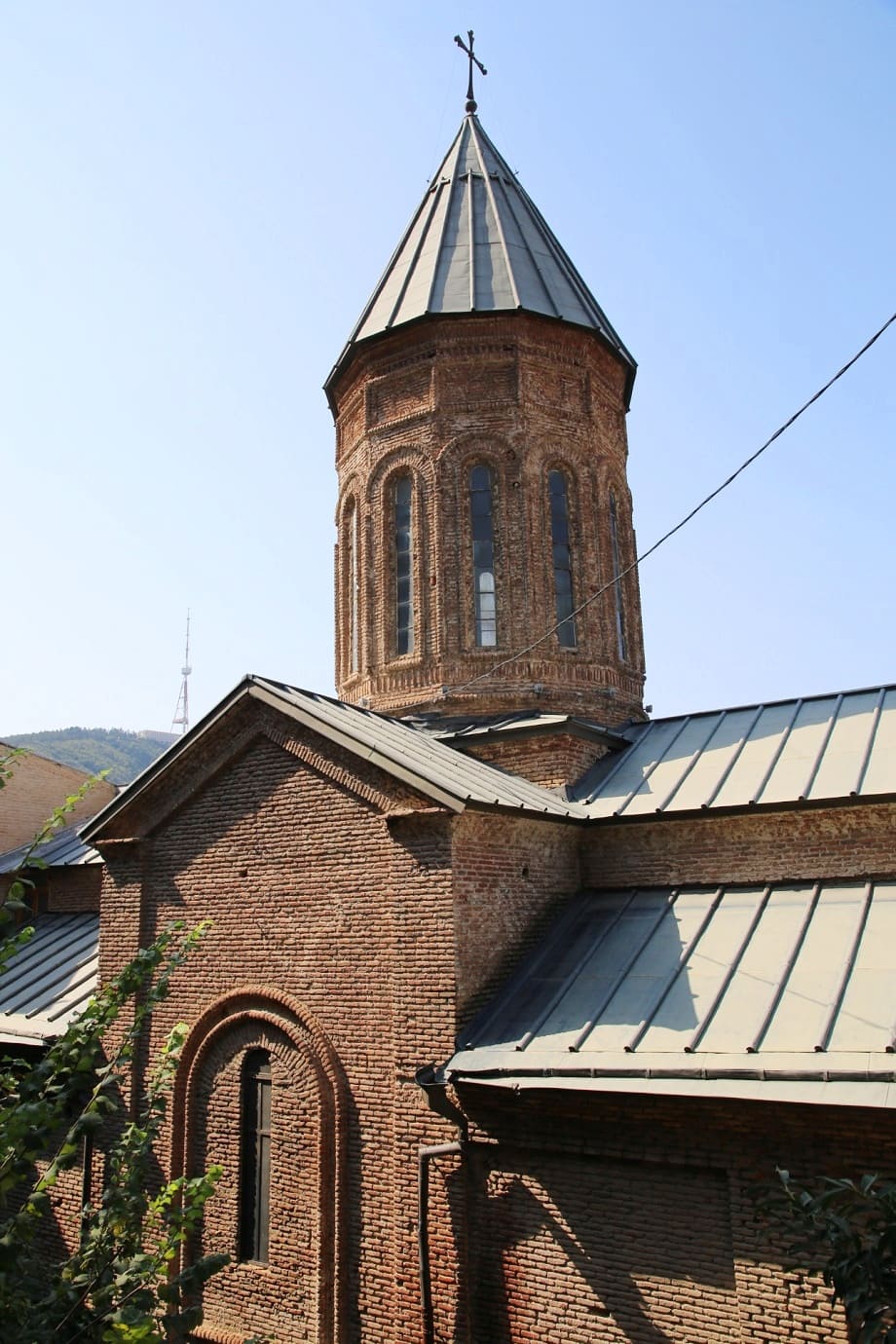
The Lower Bethlemi Church (Georgian: ქვემო ბეთლემის ეკლესია), also known as the Church of Saint Stepanos of the Holy Virgins (Armenian: Կուսանաց Սուրբ Ստեփանոս վանք) – is a 14th–19th-century church at the foot of Narikala fortress in Old Tbilisi. It was rebuilt between 1868 and 1870 and operated as an Armenian church. In 1988 it was given to the Georgian Orthodox and its Armenian identity was “Georgianized” in 1991.
Norashen (Armenian: Նորաշեն; Georgian: ნორაშენი) is a non-functioning Armenian Apostolic church located in the old town, near Sioni Cathedral and Jvaris Mama Church. The church has historically been known as the Church of the Holy Mother of God. Built in early 16th century, the church belonged to the Armenian Apostolic Church until it was shut down and confiscated by the Soviet authorities in the 1930s, later serving as a library.
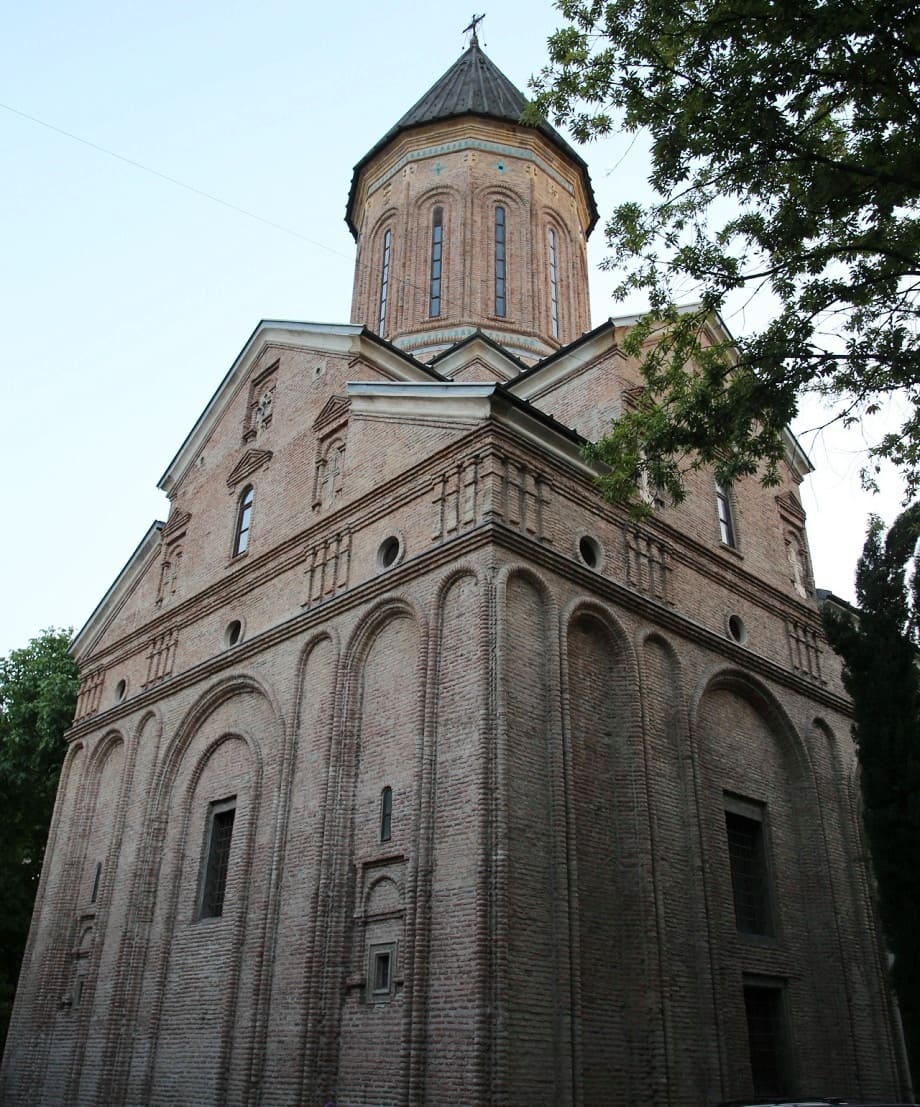
The Metekhi church of the Nativity of the Mother of God (Georgian: მეტეხის ღვთისმშობლის შობის ტაძარი), known simply as Metekhi, is a Georgian Orthodox Christian church located on the left bank of the river Kura. It sits on the Metekhi Cliff opposite the old town of Tbilisi. Much of the existing structure dates back to the Middle Ages and was built between 1278 and 1289 AD under the reign of King Demetrius II of Georgia, although oral tradition traces Metekhi’s origins further to the 5th century.
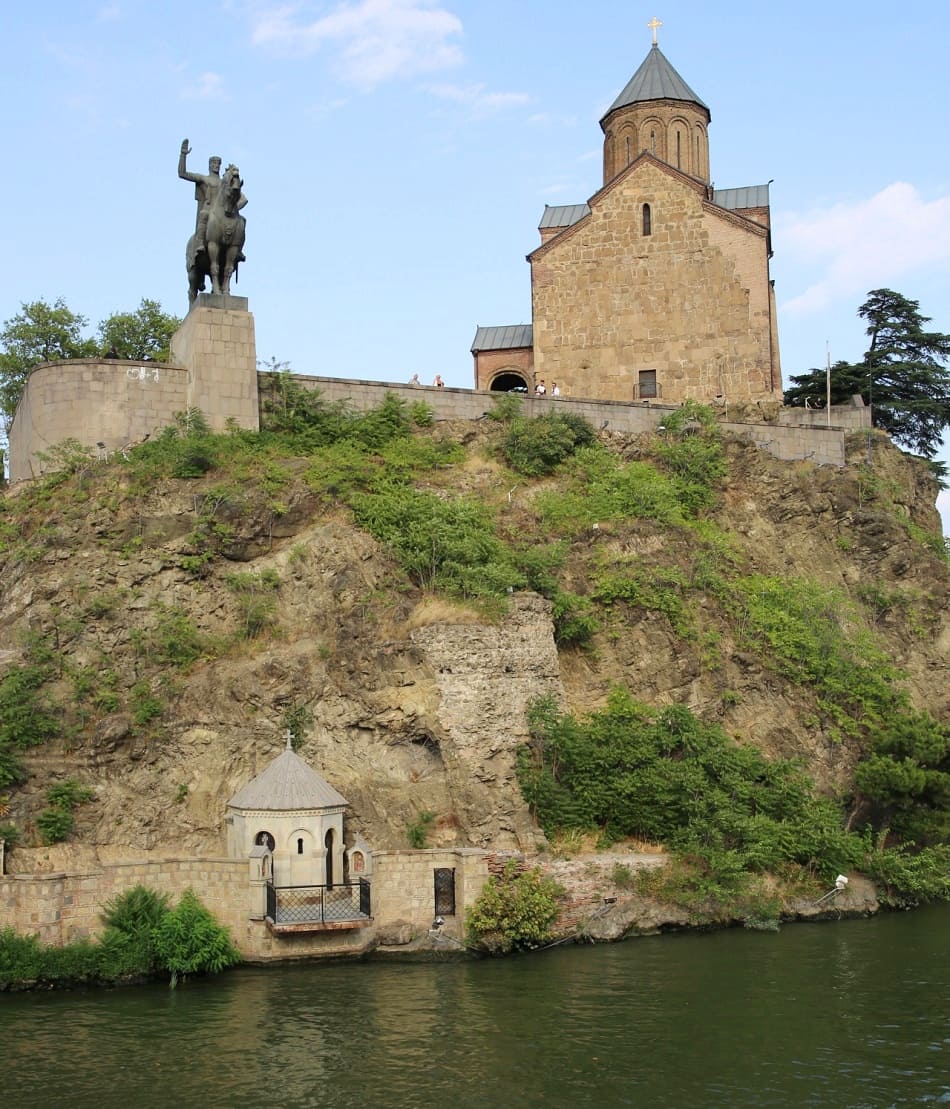
The Kashveti Church of St. George (Georgian: ქაშვეთის წმინდა გიორგის სახელობის ტაძარი) is a Georgian Orthodox Church in central Tbilisi, located across from the Parliament building on Rustaveli Avenue. The Kashveti church was constructed between 1904 and 1910 by the architect Leopold Bilfeldt, who based his design on the medieval Samtavisi Cathedral. The construction was sponsored by the Georgian nobility and bourgeoisie. Kashveti was built on the site of a damaged church built of brick at the request of the Amilakhvari family in 1753.
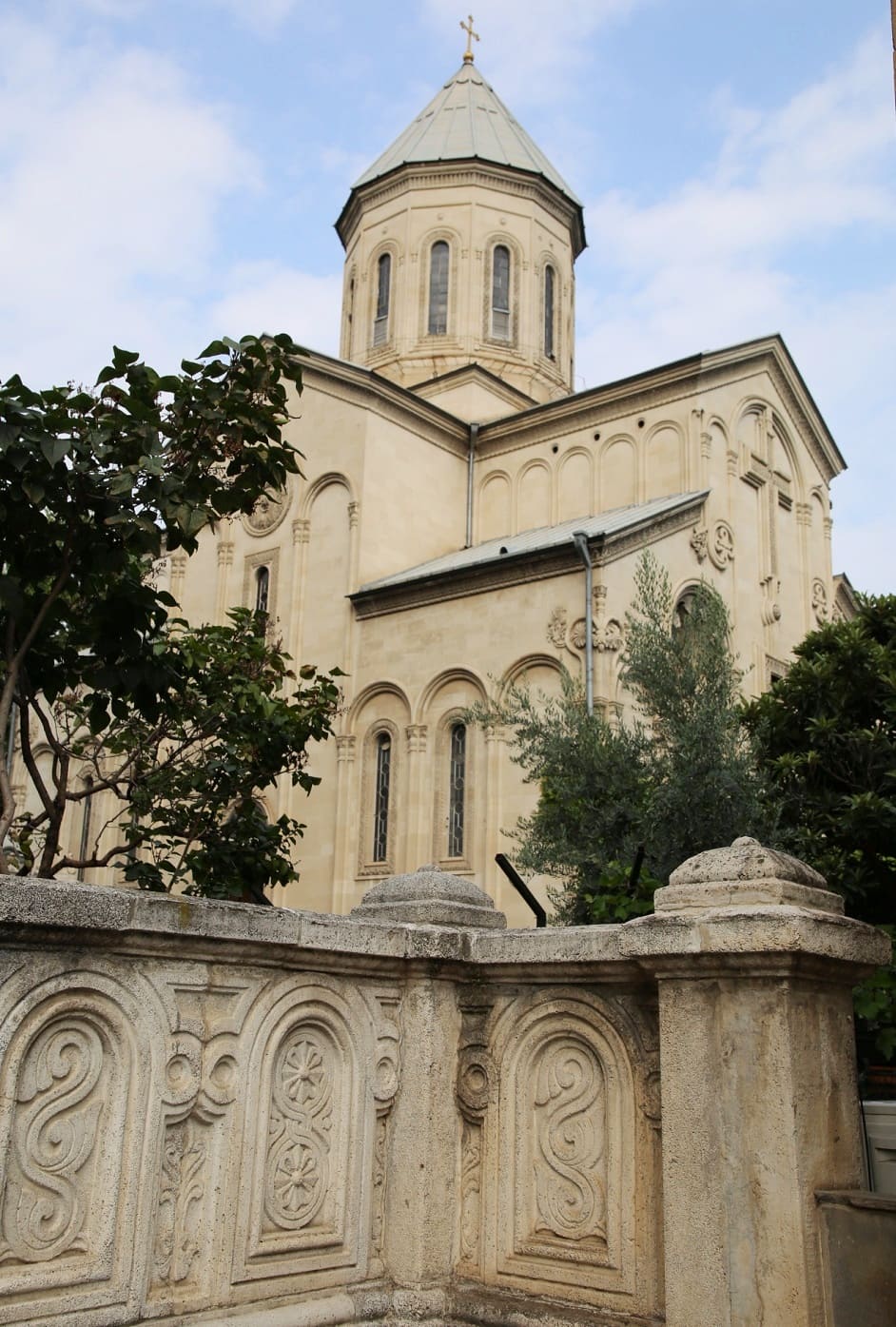
The Cathedral of the Assumption of the Virgin or the Catholic Church of the Ascension of the Virgin Mary (Georgian: თბილისის ღვთისმშობლის ამაღლების კათოლიკური ეკლესია) It is a Roman Catholic cathedral in Tbilisi. It is the seat of the Latin Apostolic Administration of the Caucasus which it was created in 1993 with the decree Quo aptius.
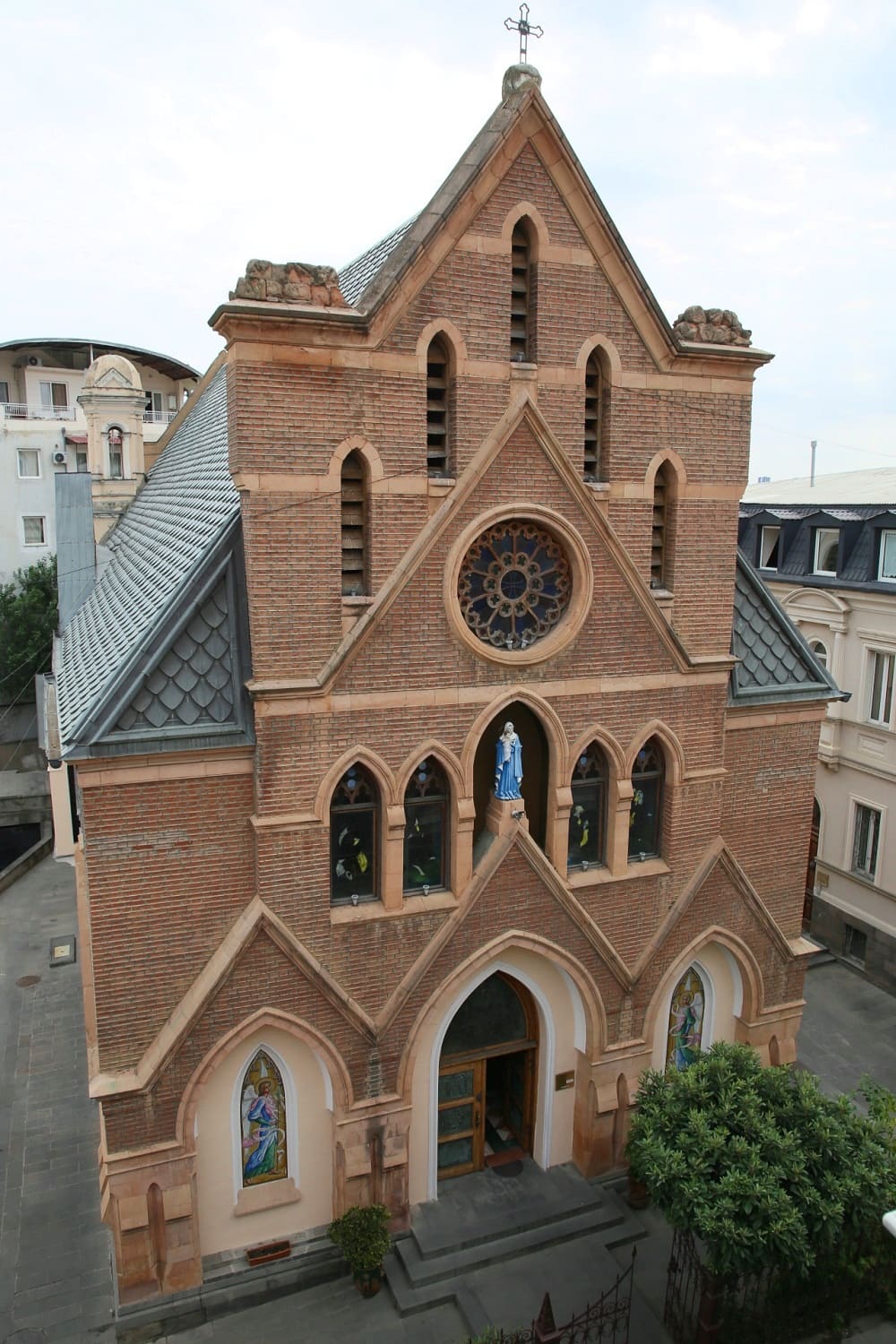
The Forty Martyrs of Sebastian Monastery (Georgian: ახალი ეკლესია) is a religious building in Tbilisi, in the historical Old Town district (Samgebro Street, 6). It is consecrated in honor of the Holy Forty Martyrs of Sebaste. The church’s affiliation is disputed by the Georgian Orthodox and Armenian Apostolic Churches.
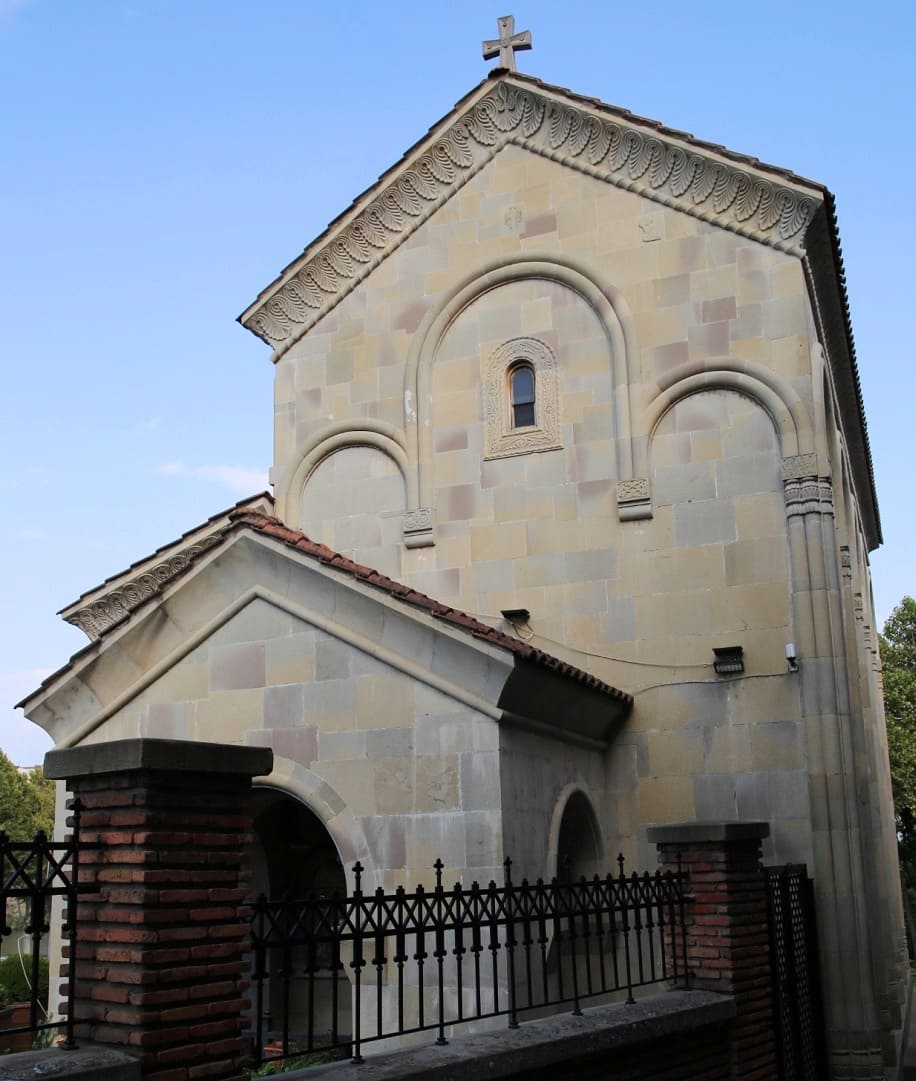
Tbilisi Holy Trinity Church (Georgian: ძველი სამების ეკლესია) is a parish church of the Georgian Orthodox Church in Kalubani, a historical suburb of Old Tbilisi. The church was built in the 18th-19th centuries. It is located on Erosi Manjgaladze Street, behind the building of the National Parliamentary Library of Georgia.
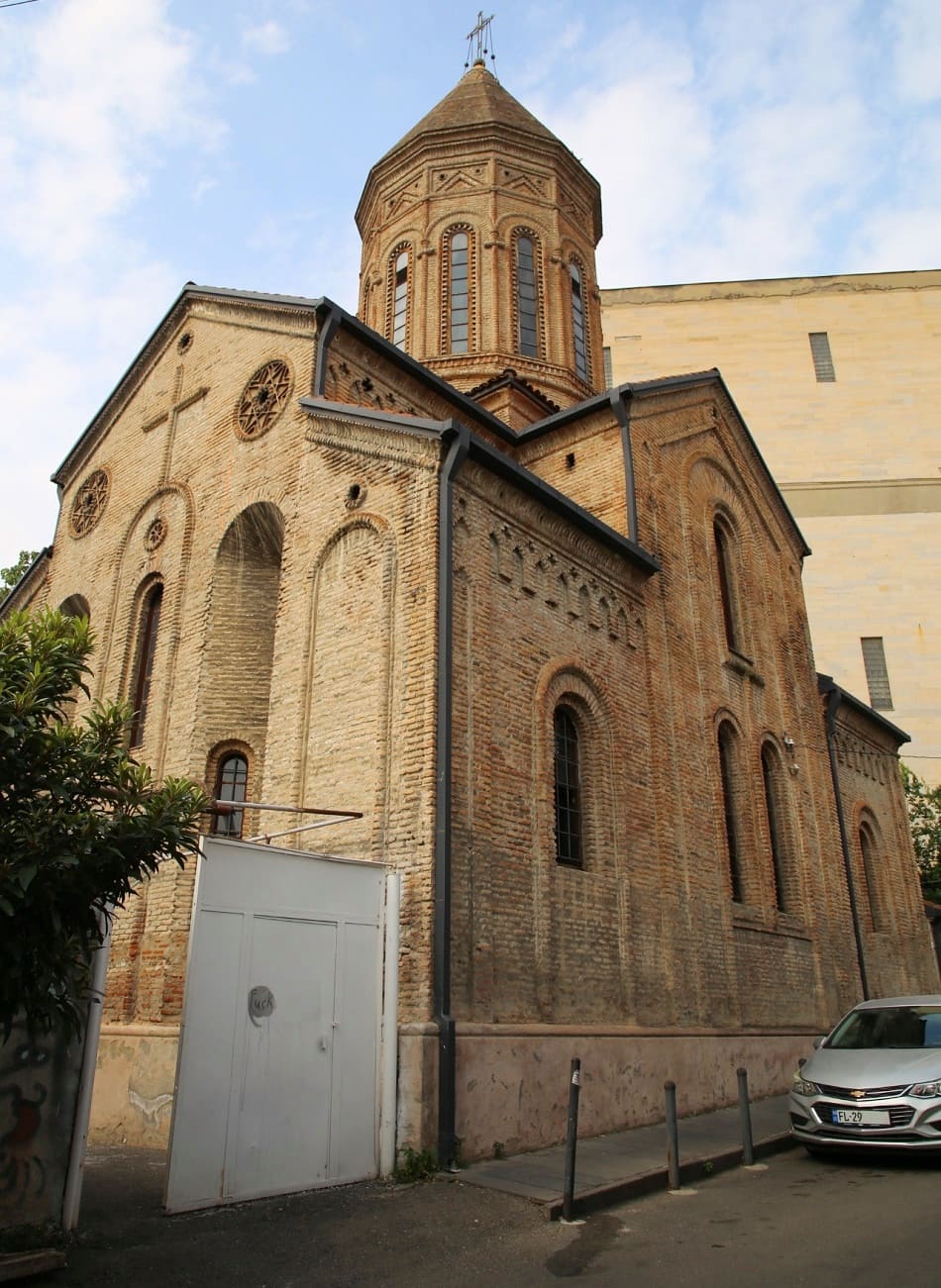
The Sioni Cathedral of the Dormition (Georgian: სიონის ღვთისმშობლის მიძინების ტაძარი) is a Georgian Orthodox cathedral located in the historical part of Tbilisi. Following a medieval Georgian tradition of naming churches after specific places in the Holy Land, the Sioni Cathedral bears the name of Mount Zion at Jerusalem. It is commonly referred to as the “Tbilisi Sioni” to distinguish it from other churches in Georgia with the same name.
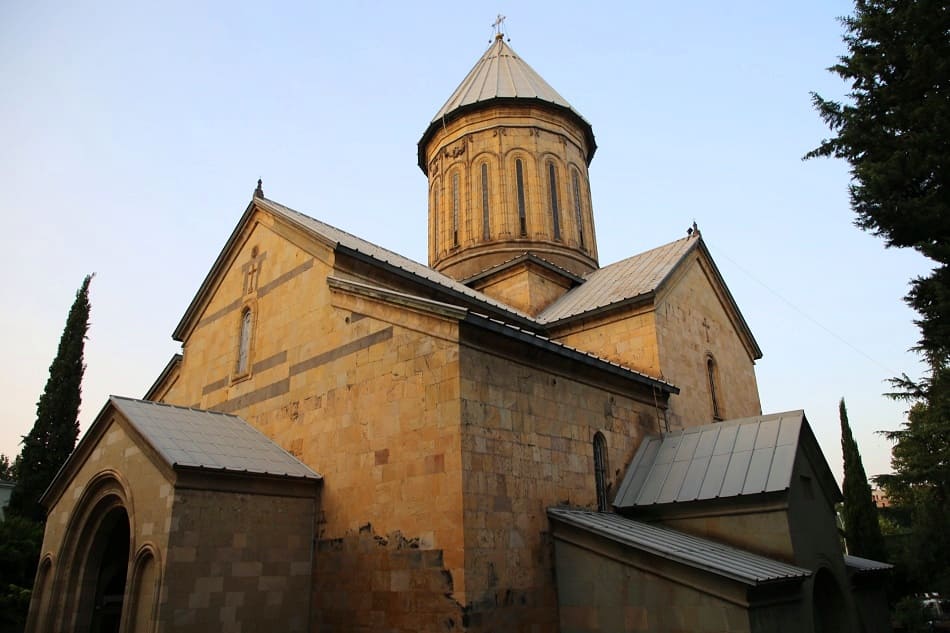
Juma Mosque (Georgian: ქართული ტექსტი) is the only surviving mosque in Tbilisi’s historic Old Town. Located at the foot of Narikala Fortress on Botanical Street, it is notable for its shared use by both Sunni and Shia Muslims.
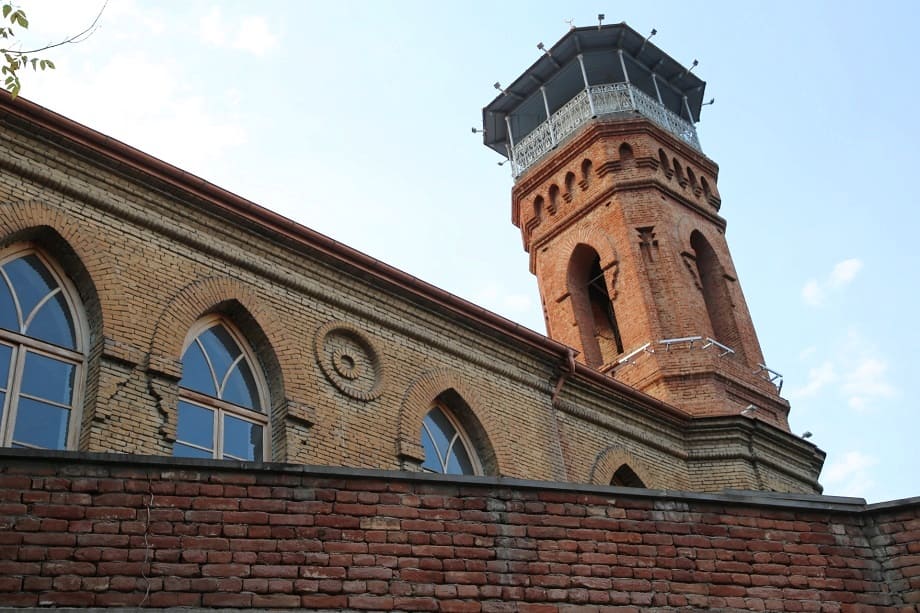
The Ejmiatsin Church (Armenian: Էջմիածնեցոց Սուրբ Գևորգ եկեղեցի; Georgian: წმინდა ეჯმიაწინის ეკლესია) is an 18th-century Armenian Apostolic church in the Avlabari district of Old Tbilisi. The church is adjacent to the Avlabari Square.
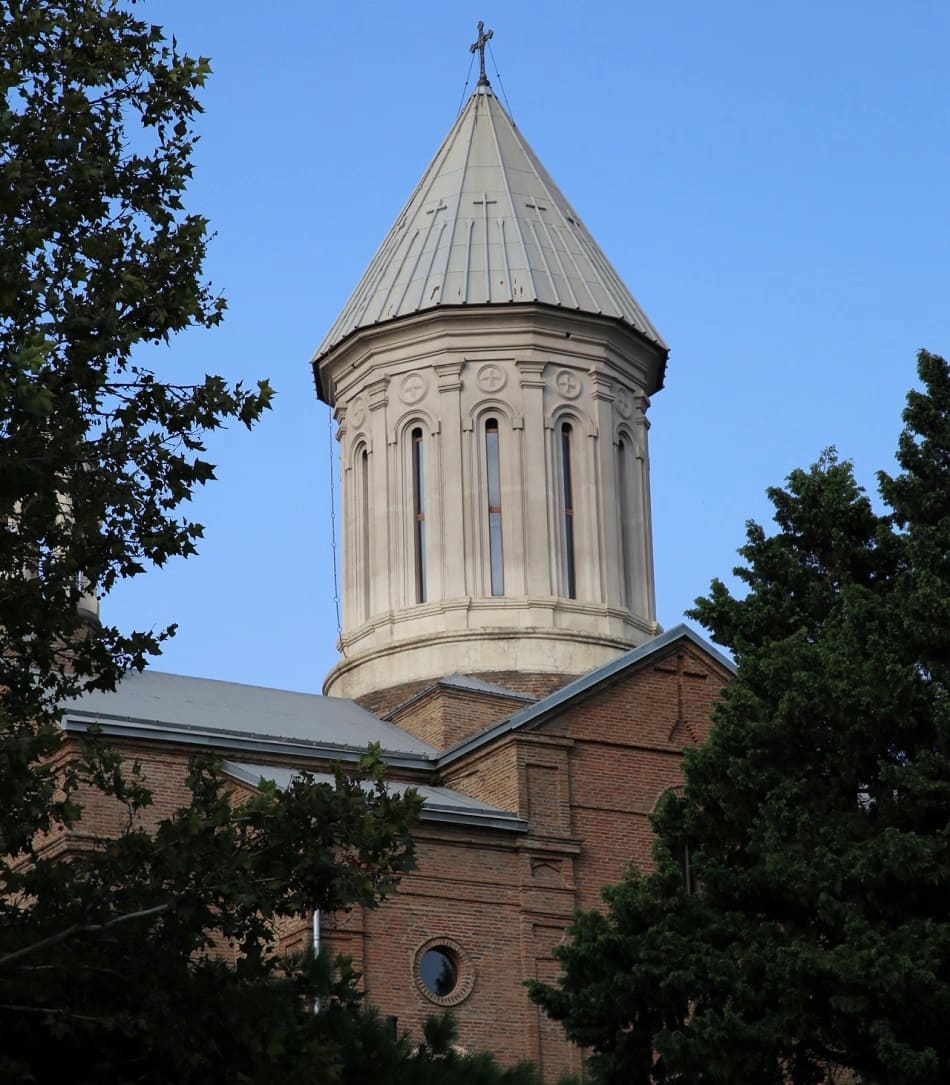
Tabori Monastery (Georgian: თაბორი) is a small modern monastery in Tbilisi. Its main Transfiguration Church is visible from almost any point in the city center. The history of the monastery began in 2002, but the place where it is located has a much more ancient past. The mountain and the ridge were once called Taboris-Mta. In the distant past, a fortress was built here, protecting Tbilisi from the southern side. It is mentioned in the campaign of Bagrat III against the city, which was then Muslim, in 1046.
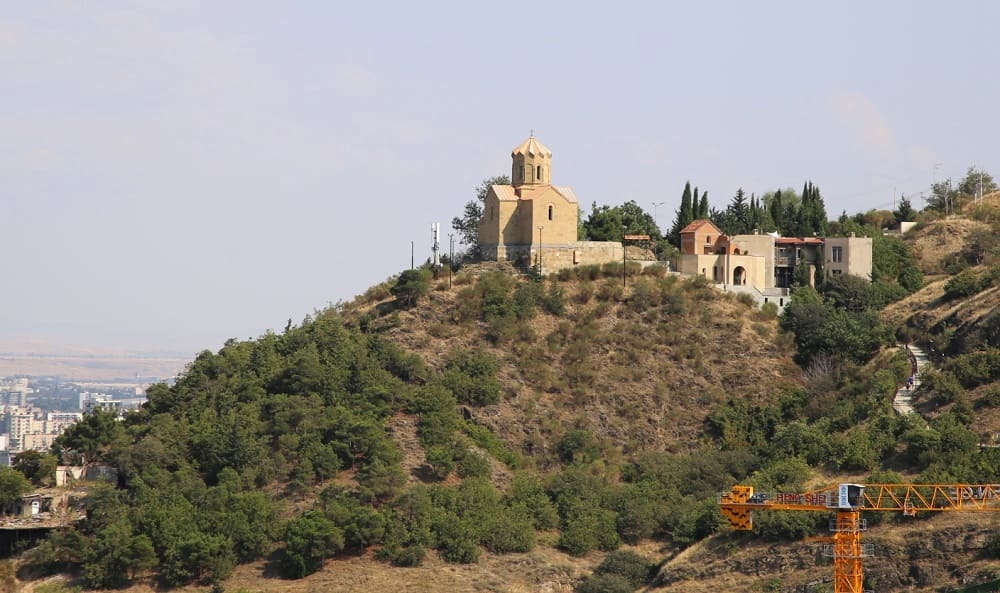
Saint George’s Church (Armenian: Սուրբ Գևորգ եկեղեցի; Georgian: სურფგევორქი) is a 13th-century Armenian church in the old city of Tbilisi. It is one of the two functioning Armenian churches in Tbilisi and is the cathedral of the Georgian Diocese of the Armenian Apostolic Church. It is located in the south-western corner of Vakhtang Gorgasali Square (Meidani) and is overlooked by the ruins of Narikala fortress.
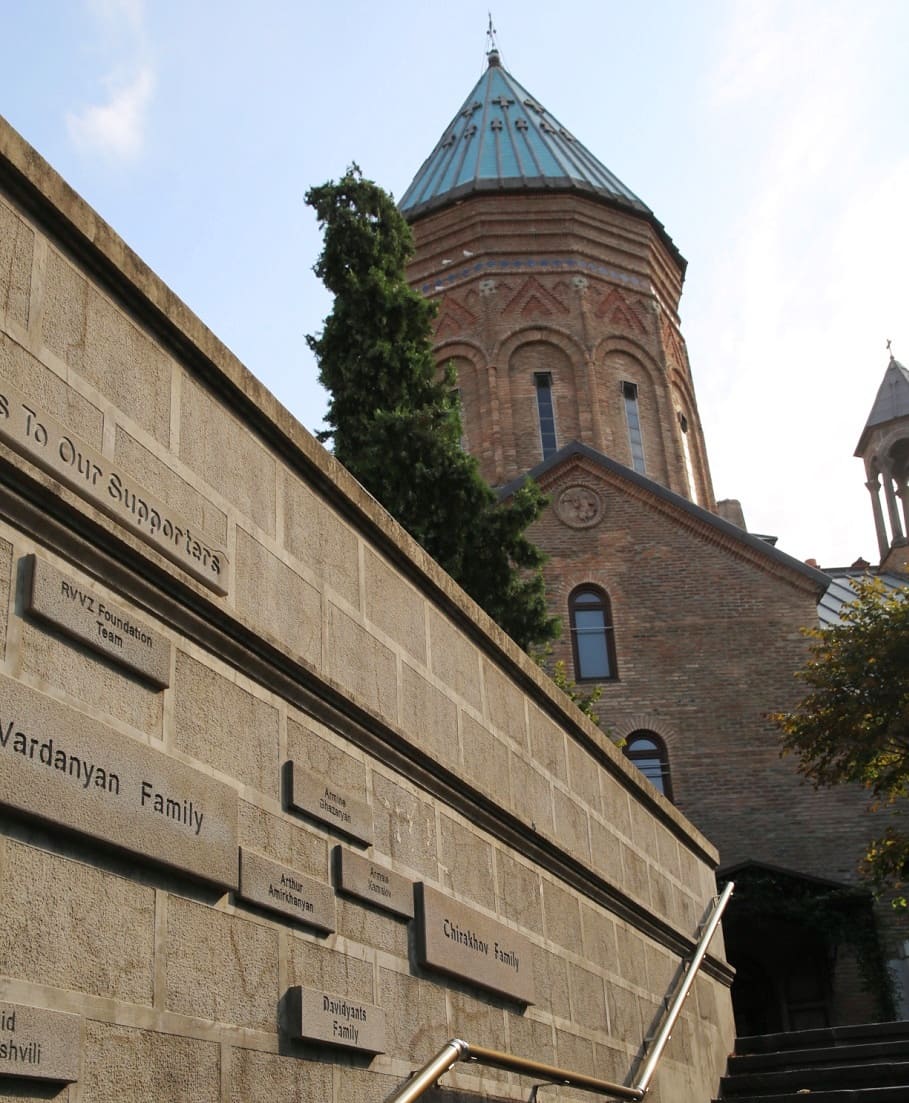
The Church of St. Archangel Michael is one of the significant architectural and historical buildings of the city, reflecting the rich cultural heritage of the region. Built in a traditional style, the church amazes with its unique architecture and interior decoration.
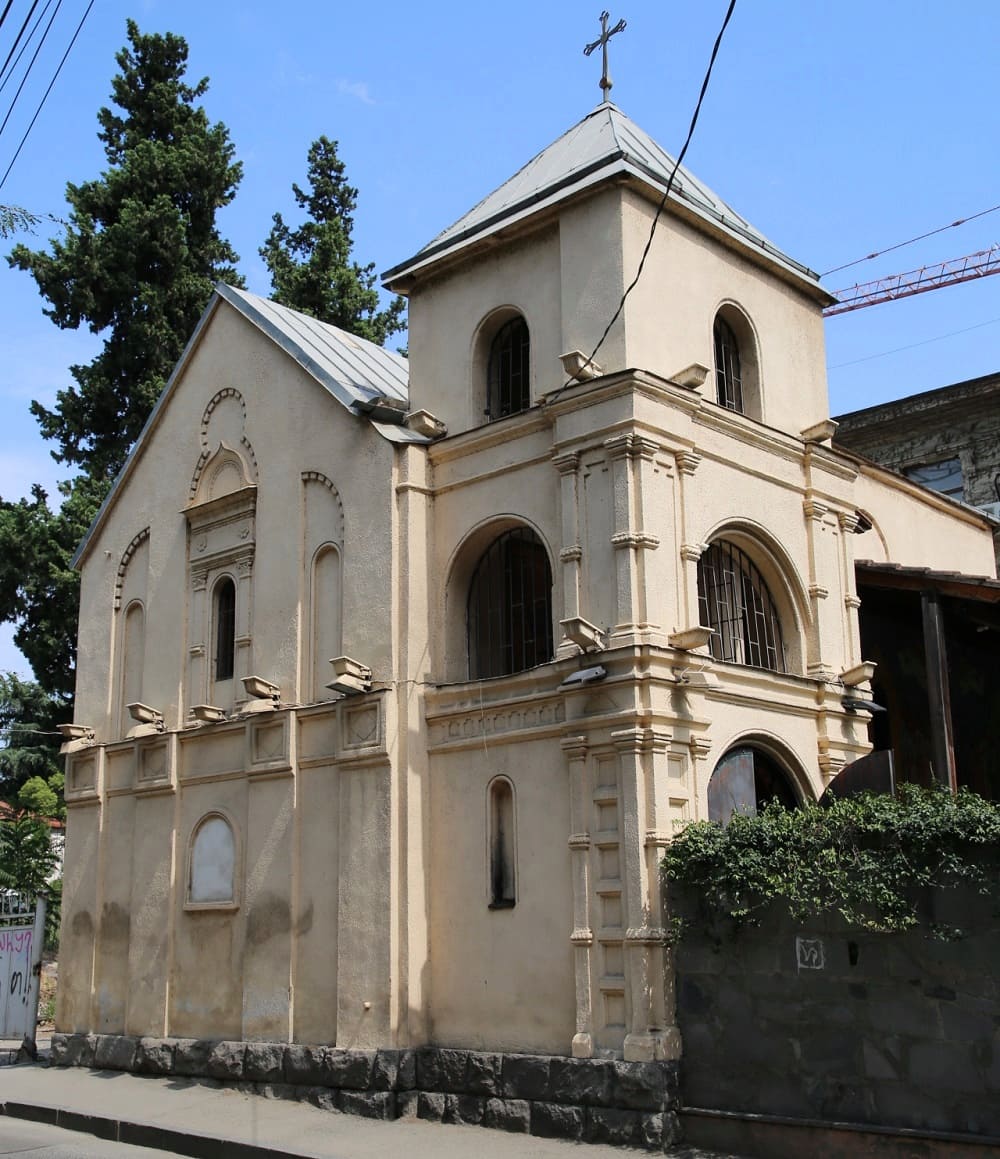
See also museums and entertainment in Tbilisi




