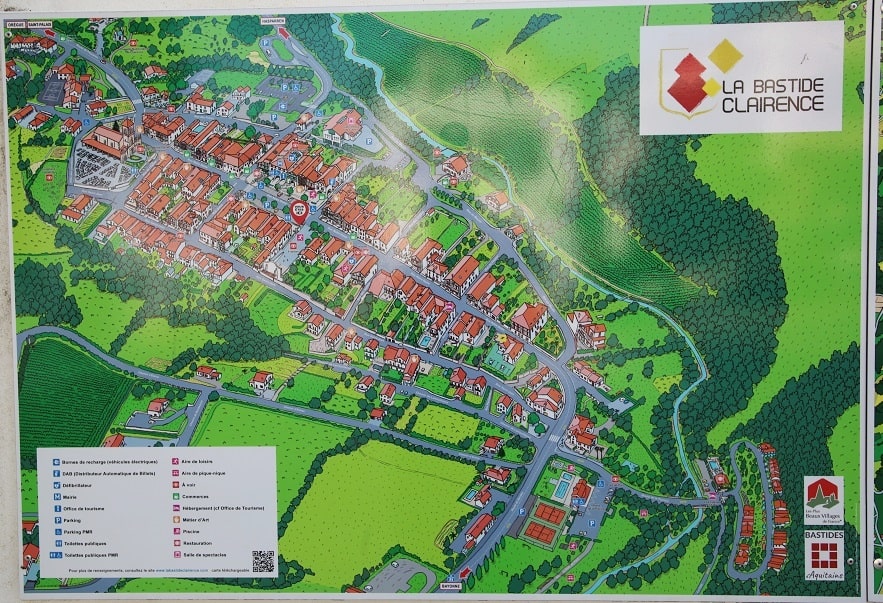
La Bastide-Clairence is a French commune located in the Pyrénées-Atlantiques department in the Nouvelle-Aquitaine region.
Listed among the “Most Beautiful Villages of France,” this Navarrese fortified town is located in the Basque province of Lower Navarre.
The commune’s activity is primarily agricultural. The commune is part of the Ossau-Iraty appellation area.
History
This Navarrese fortified town was founded in 1288 by Claire de Rabastens, on a hillside along the Aran River, hence its Gascon name, Bastida de Clarença.
Coming mainly from Bigorre, the inhabitants were granted a charter in July 1312 by Louis I of Navarre. The birth of this village corresponded to Navarre’s need to create a fortified town in this wooded border area. La Bastide-Clairence, as its name suggests, was a fortified town.
La Bastide-Clairence gradually welcomed a trading population from southwest France and then Spain fleeing the Inquisition, as well as Basques from the surrounding towns and villages. Another version of the town’s origins exists. It is said to have been populated in particular by pilgrims on their way to Santiago de Compostela, known as the Francos.
Around 1700, the population was 2,000. The inhabitants made their living from the nail industry, the manufacture of woolens and hosiery, and agriculture. Twelve-day fairs ensured the town’s prosperity.
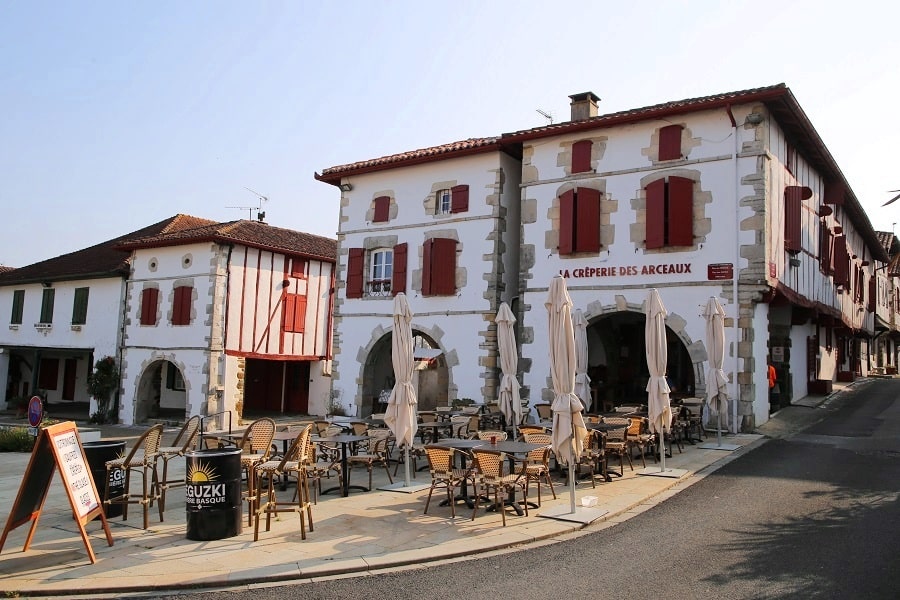
While in the 16th century the inhabitants spoke Gascon, not Basque, they gradually adopted the Basque language and customs. In the 17th century, the town had 320 houses and mills. From 1575 to 1789, La Bastide de Clairence was under the control of the lords of Gramont.
The town had a large Jewish community after the expulsion of the Portuguese Jews.
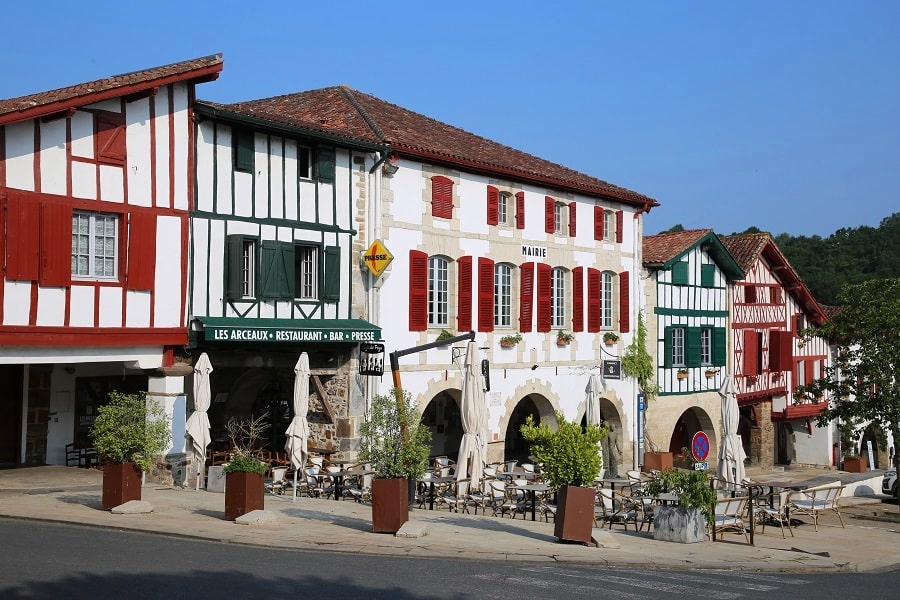
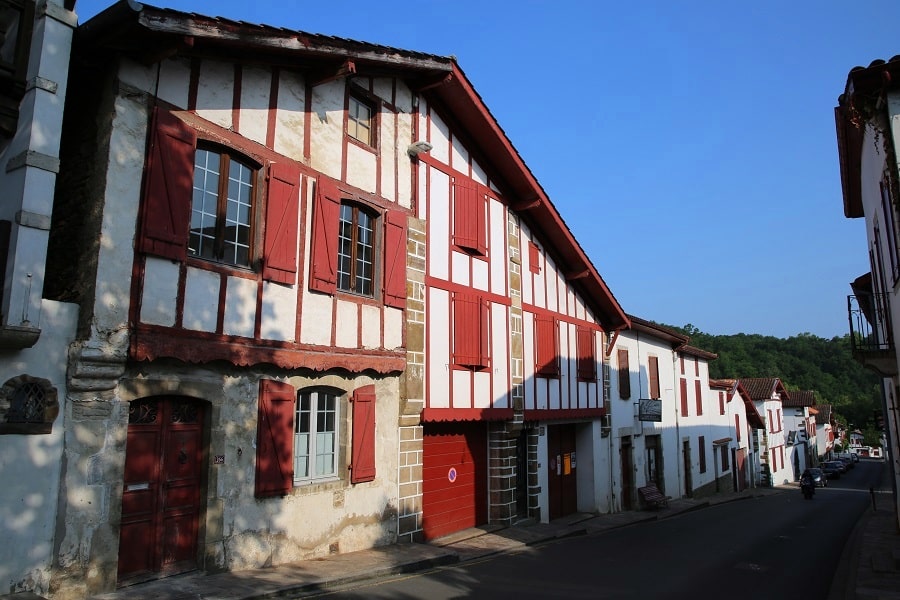
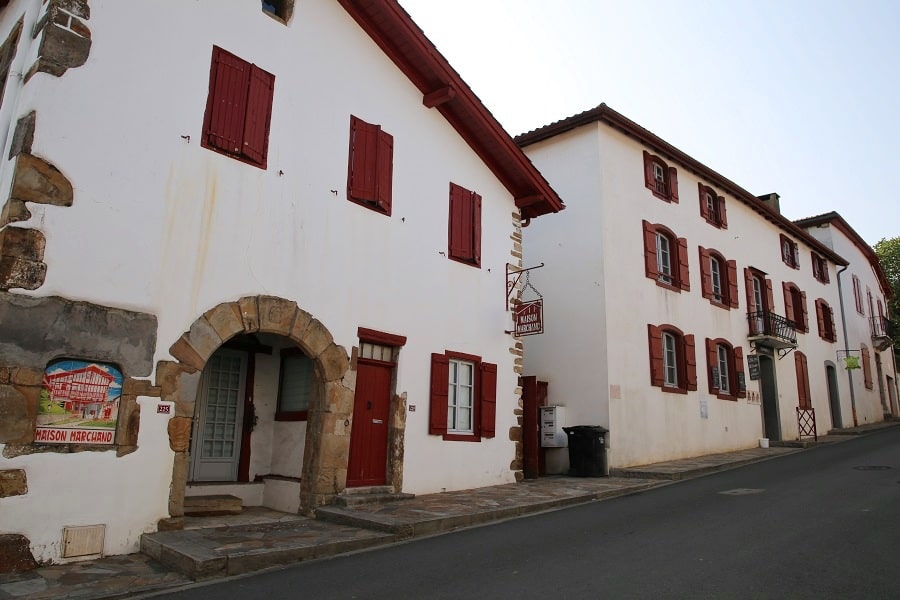
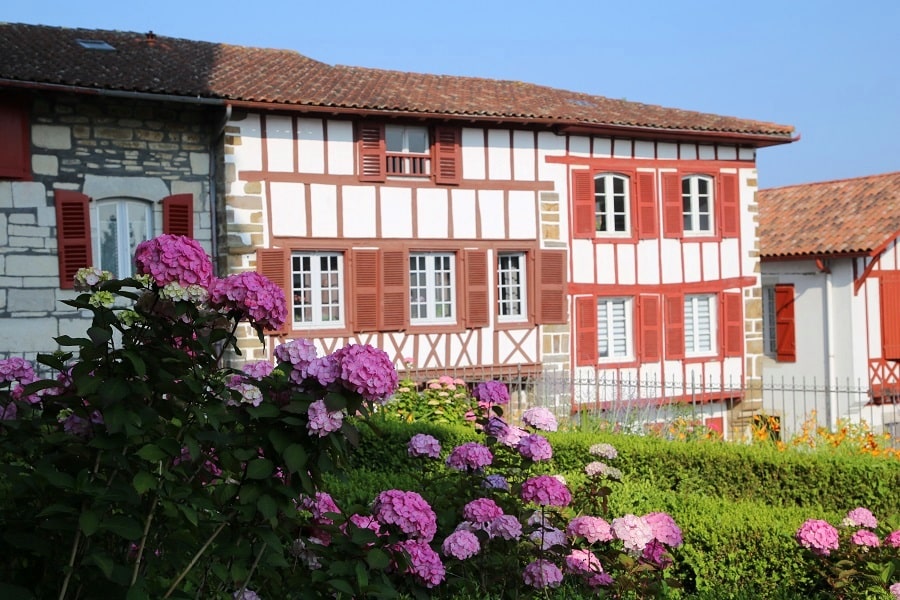
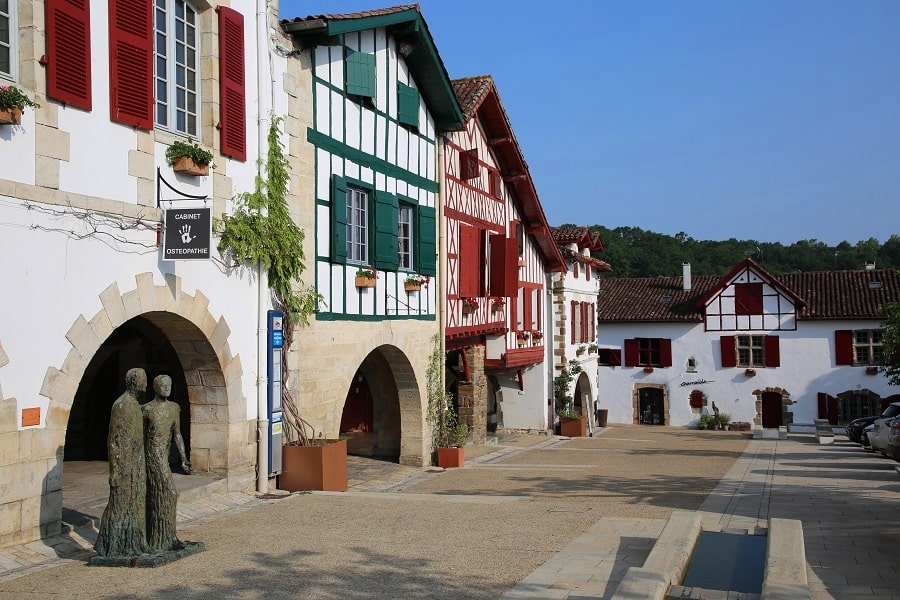
Today, the Place des Arceaux and its half-timbered houses are still home to many artisans. Among these very typical houses, two architectural styles can be distinguished:
- the Labourdin style, with houses with gable walls, gable roofs, red or green half-timbered facades with corbels, mullioned windows, and sculpted lintels;
- the Navarrese style of houses with gable or hipped roofs and arched doorways.
The town, formerly called Labastide-Clairence, was renamed La Bastide-Clairence on June 25, 1988.
Tourism
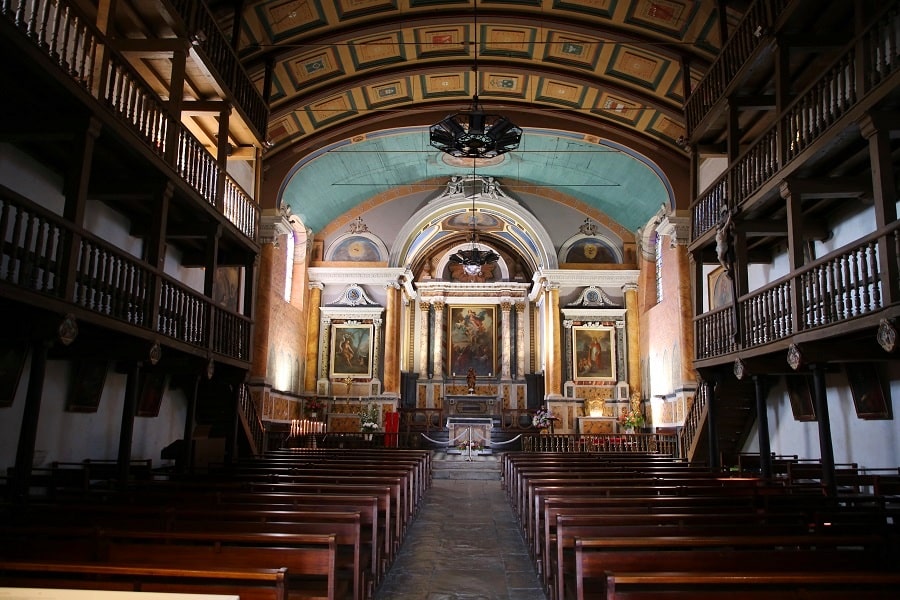
The Our Lady of La Bastide-Clairence church was consecrated in 1315 by the Bishop of Pamplona. It was originally the only stone building. The cemetery-yard surrounding the church is surprising but characteristic of churches in the Basque Country; it is still used by the descendants of the first Bastidote families.
The oldest trinquet in France is located in this village. Analyses of the wood of the beams date it to 1512, and it has remained relatively intact, particularly in terms of its proportions. Originally a game area for the real “jeu de paume” (tennis game), the Basques appropriated it to the point of developing some twenty different ways of playing pelota.
The Notre-Dame de Clairence chapel was built by a private individual in 1886 for his daughter’s wedding on a 13th-century spring believed to treat skin diseases.
Transport
The city lacks a train station and a bus stop. Consequently, there are no public transport options available for residents or visitors.
By car (only option)
From Pau: 1 hr 3 min (96 km) via A64
From Bordeaux: 2 hr 7 min (205 km) via A63
From Andorra: 4 hr 37 min (390 km) via A64
From Barcelona: 5 hr 44 min (483 km) via A-2
From Paris: 7 hr 5 min (789 km) via A10
Main information
Area: 23.39 km²
Coordinates: 43°25’46.5″N 1°15’22.5″W
Population: 987
Language: French
Currency: Euro (€)
Visa: Schengen
Time: Central-European UTC +1
See here Pyrenees travel guide
See here France travel guide
See here Spain travel guide
See here Andorra travel guide