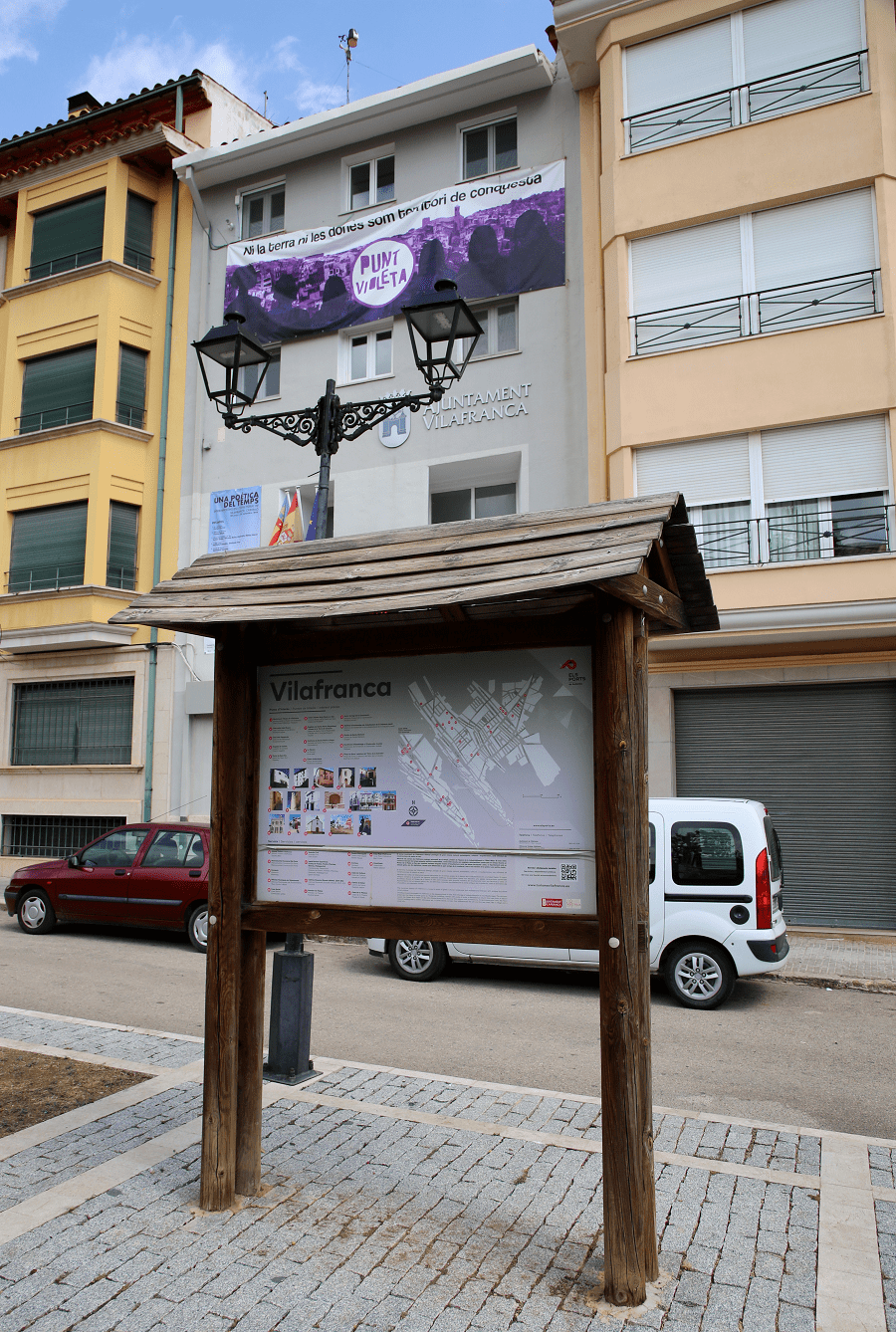


Vilafranca is a municipality in the comarca of Ports, in the province of Castellón, Valencian Community, Spain.
Prior to 2022, it was part of a different comarca, Alt Maestrat. Its official Spanish language name is Villafranca del Cid.
Main attractions
Religious architecture
- Hermitage of San Miguel. This is the church of the old Villafranca. A Romanesque-Gothic church from the end of the 13th century. Altarpiece by Bernardo Serra: a work by this painter from Morella, dated 1429. It has been declared a Site of Local Relevance.
- Hermitage of San Roque. Dedicated to the town’s patron saint. A baroque temple from the 18th century. It has been declared a Site of Local Relevance.
- Hermitage of Calvary. It has been declared a Site of Local Relevance.

- Hermitage of Santa Bárbara. A baroque church from the 18th century, typical of the Castellón regions. It has several frescoes in poor condition. The frescoes have been restored on the initiative of Lola Monferrer, requesting a grant from the corresponding organisations, the Luis Miralles del Carro cultural association, which was initially denied and later awarded to the parish, who restored the paintings. It has been declared a Site of Local Relevance.
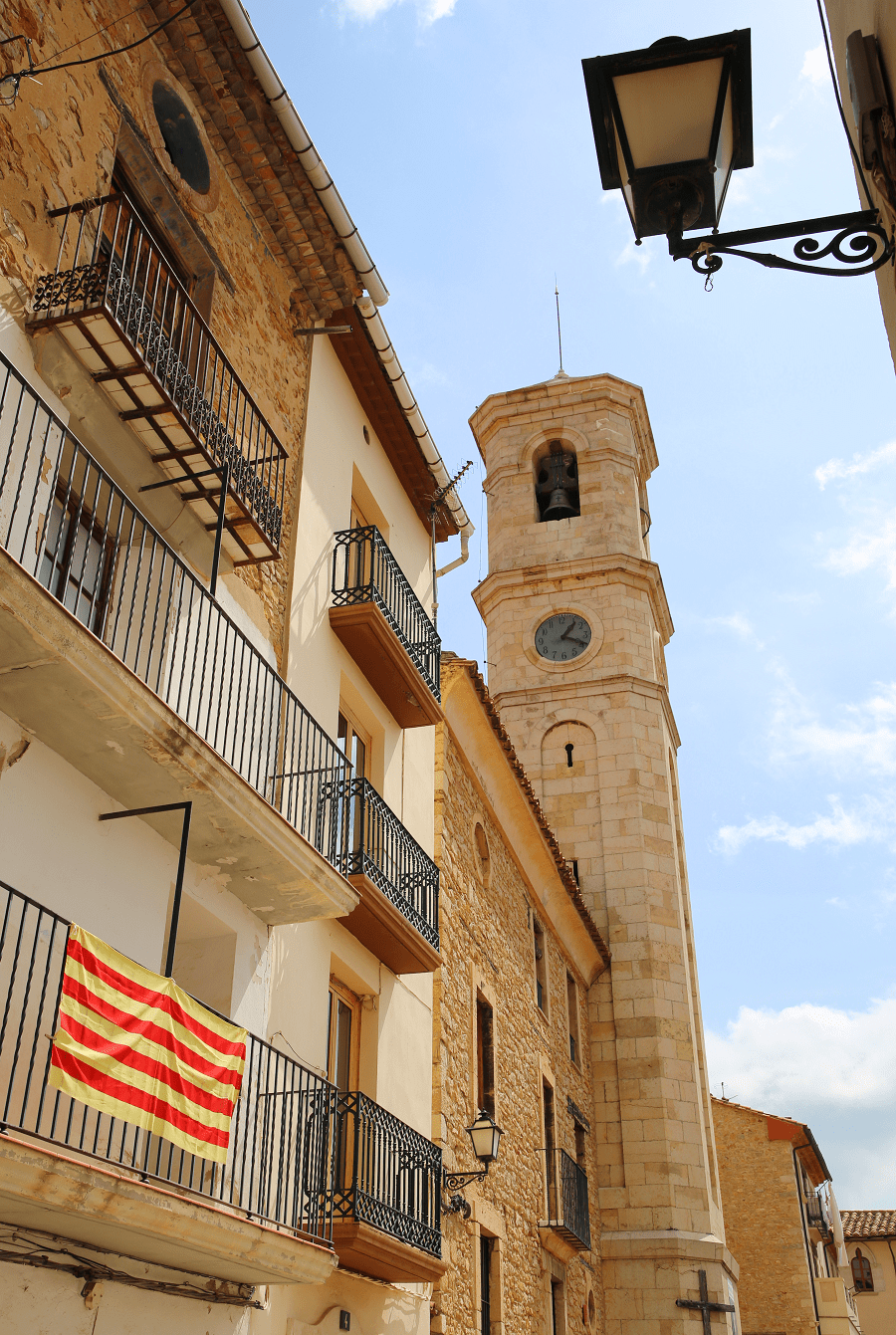
- Parish Church of Santa Magdalena. Renaissance monument built between 1567-1572, under the direction of Raimón de Pertusa and Pere Maseres. One of the best monuments of the 16th century in Valencia. It has been declared a Site of Local Relevance.

- Chapel of the Virgen del Llosar. Dedicated to the Virgin of this devotion and patron saint of the town. 17th century church and 19th century semi-porticoed square. It has been declared a Site of Local Relevance.
- Peirones. At the exits of the town there are several peirones, such as the peiró de les eres, moved to the Losar road and the peiró Scala, roughly rebuilt.
Civil architecture
- Set of Fortified Farmhouses, among which the most notable are those declared of Cultural Interest, which are: Mas de Roig Fortified Farmhouse, Torre Don Blasco Fortified Farmhouse, Torre Fonso Fortified Farmhouse, Torre Leandra Fortified Farmhouse, Mas Tena Fortified Farmhouse, Torre Barreda Fortified Farmhouse, and Pobla del Bellestar Tower.
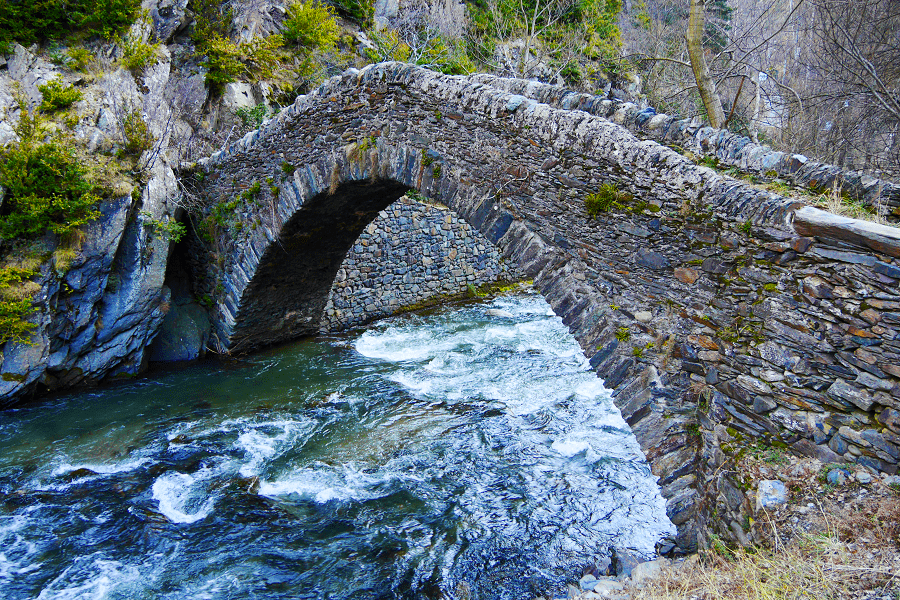
- Pobla de Bellestar Bridge. Over the Sellumbres ravine or the river of the Truchas; Gothic bridge from the end of the 13th century.

- San Roque Gate. It dates back to the 14th century and is the only remnant of the walls built during the reign of Pedro IV.
- Old Hospital. Located in front of the San Roque Gate. It is currently the headquarters of several associations.
- Stately Homes. In the old town there are several stately homes with coats of arms.
- Town Hall. Gothic building from the end of the 14th century or beginning of the 15th century. In one of its rooms is displayed the altarpiece by Valentí Montoliu painted in 1455 and has been described by critics as the best painting of the 15th century in Valencia.
- The Modern. A Renaissance-style building built in the first third of the last century.
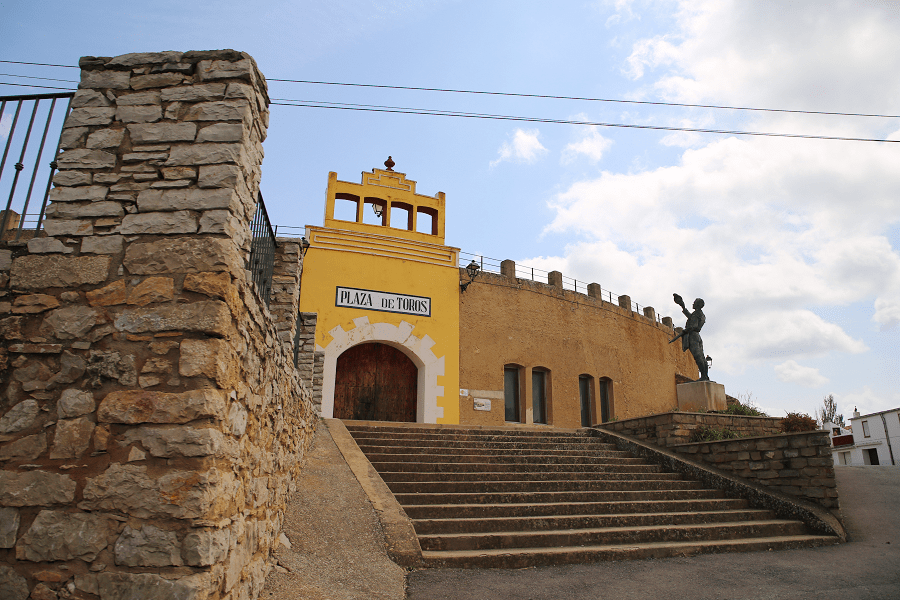
- Bullring. Built in 1933, with a capacity for 4,000 spectators.
- Medieval Oven. Built at the end of the 13th century, it was donated by Peter IV of Aragon in 1358 to a doctor called Pedro Ros for services rendered during the Black Death epidemic. In 1691, the year of Morella’s independence, the town’s jurors took possession of it and in 1860 it was confiscated and passed into private hands. It is currently owned by the cooperative VILATUR COOP V, which has restored it as a multi-purpose hall for its clients. It can be visited.
How to get to?

Main information
Area: 93,8 km² (municipality)
Coordinates: 40°25′30″N 0°15′21″W
Population: 2148

Languages: Spanish, Valencian
Currency: Euro
Visa: Schengen
Time: Central European UTC +1
See here Andorra travel guide
See here Pyrenees travel guide
See here France travel guide
See here Spain travel guide