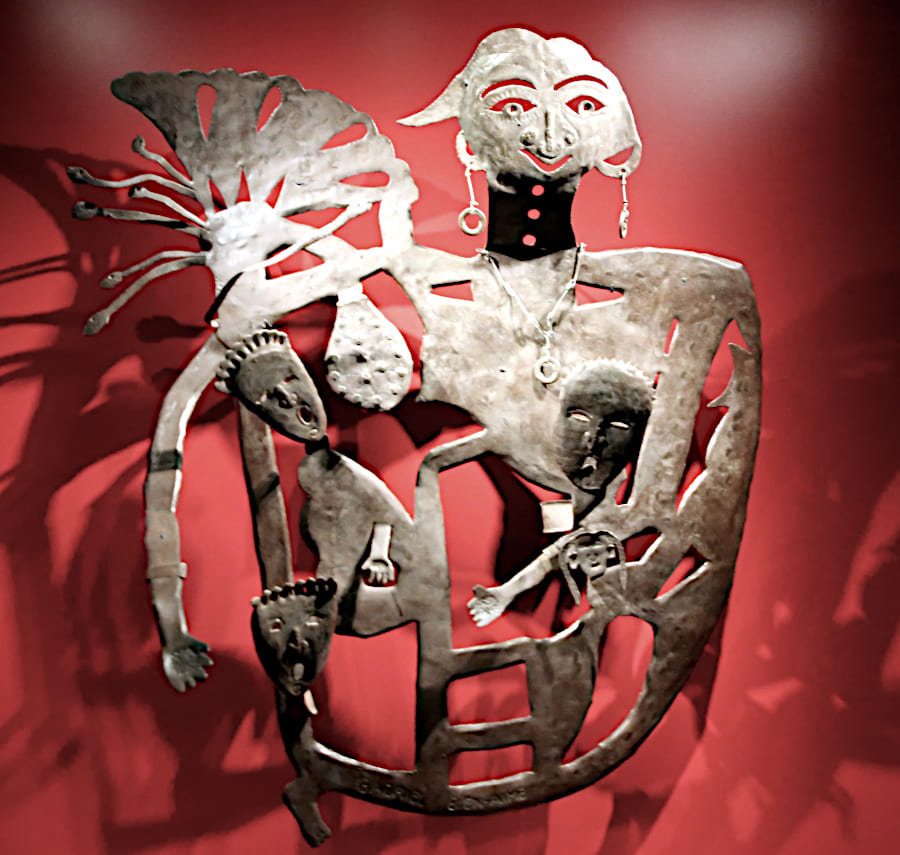

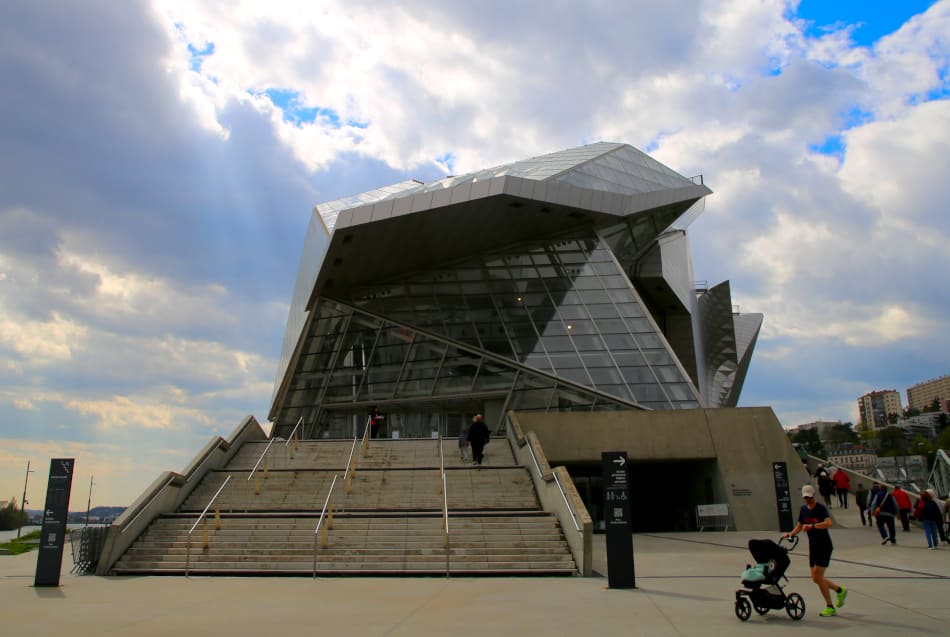
The Musée des Confluences is a museum of natural history, anthropology, societies and civilisations located in Lyon, in the Auvergne-Rhône-Alpes region (France). The successor to the Guimet Natural History Museum in Lyon, it opened in 2014 and is housed in a deconstructivist-style building in the La Confluence district, on the southern tip of the Lyon Peninsula, at the confluence of the Rhône and Saône rivers (2nd arrondissement of Lyon).
It has taken over the collections of the Guimet Museum and aims to expand these holdings through acquisitions. It receives deposits and loans from various museums and institutions (art and cultural museums, botanical gardens, foundations, religious congregations, etc.) for its temporary and permanent exhibition spaces. The museum focuses on scenography (cooperation with musical and theatre venues) and has launched a book publishing initiative (novels centred on some famous objects in its collection, in collaboration with authors of literary texts, illustrations and photographs).
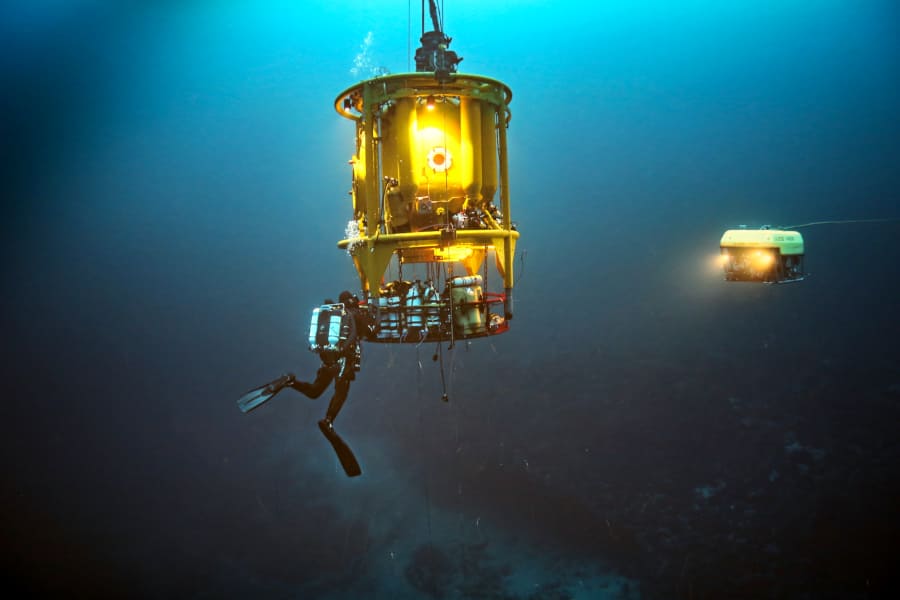
In May 2011, the Musée des Confluences, whilst still under construction, was awarded the designation ‘Musée de France’ by the Ministry of Culture and Communication.
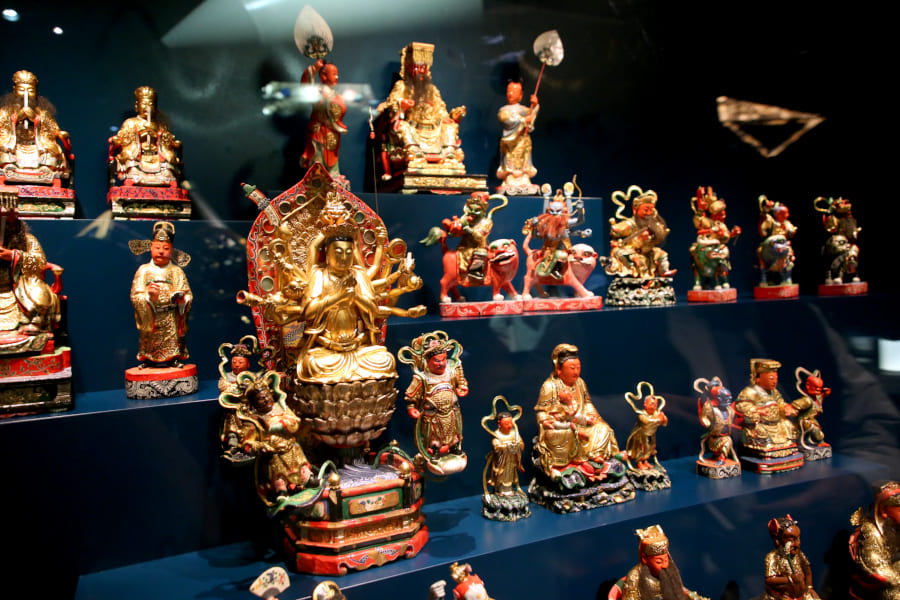
Collections
The collection of the Musée des Confluences originates from the Muséum de Lyon, which had built up its collections around the natural sciences, as well as ethnography and a colonial collection, derived from a museum established in 1927 and closed in 1968. Part of the museum’s collection, comprising over 2 million objects, was transferred in 2002 to the Centre for the Conservation and Study of Collections (CCEC).
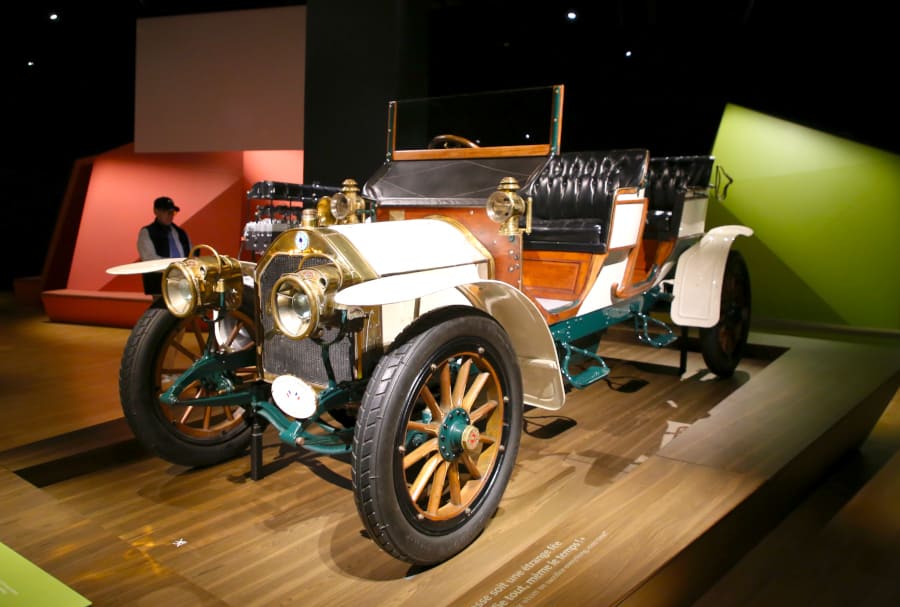
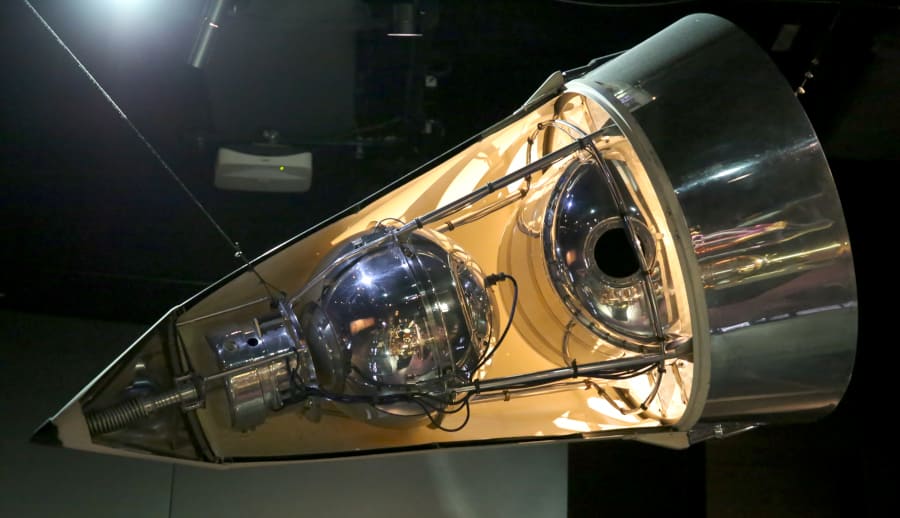
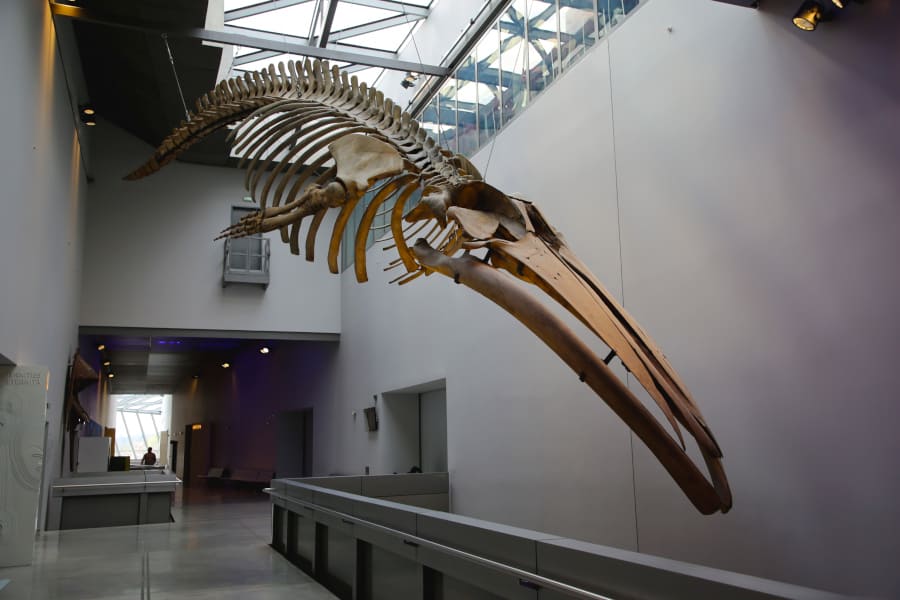
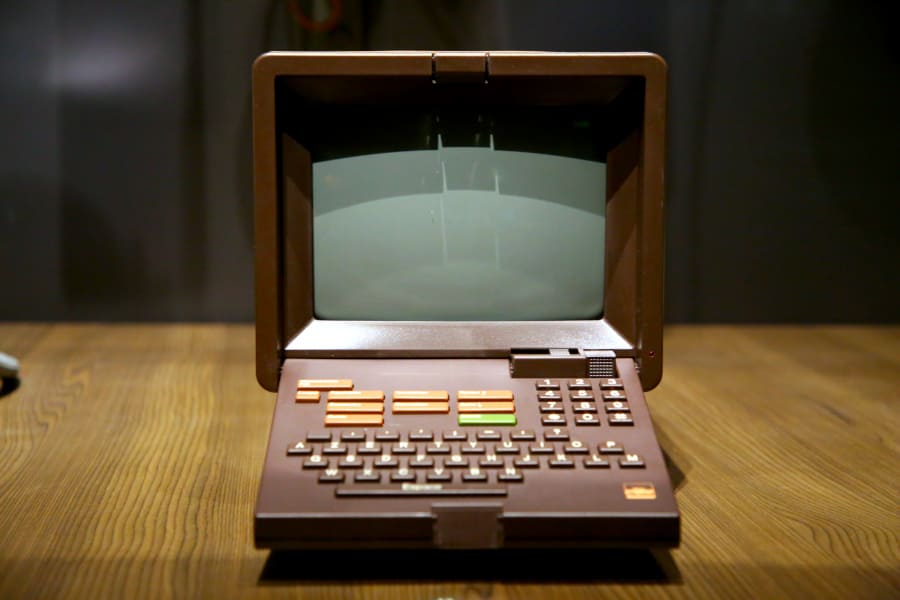
The permanent exhibition features, in particular, the Choulans mammoth, discovered in 1859, Noh theatre masks, a model of Sputnik 2 and a particle accelerator. In total, there are around 3,000 objects in the permanent collection, spread over 3,000 m².
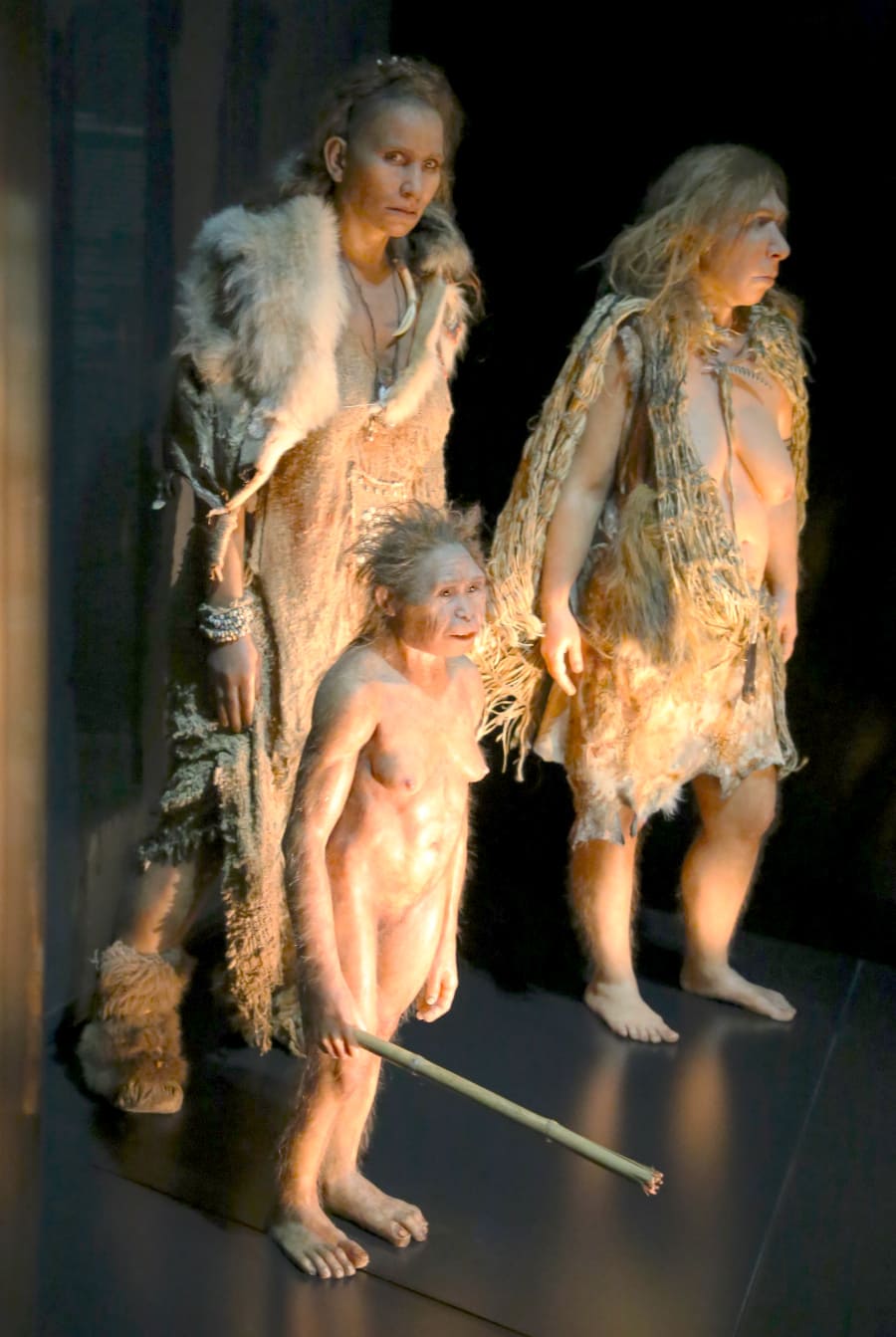
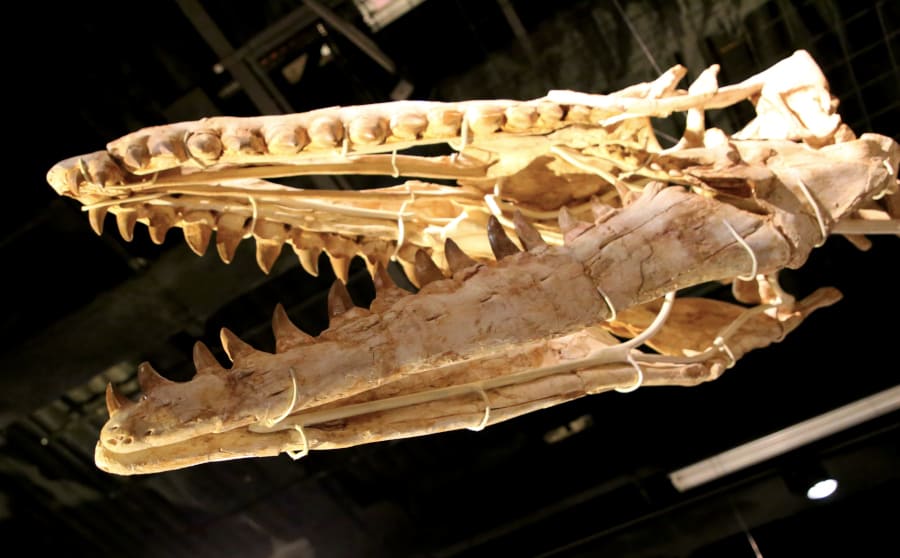
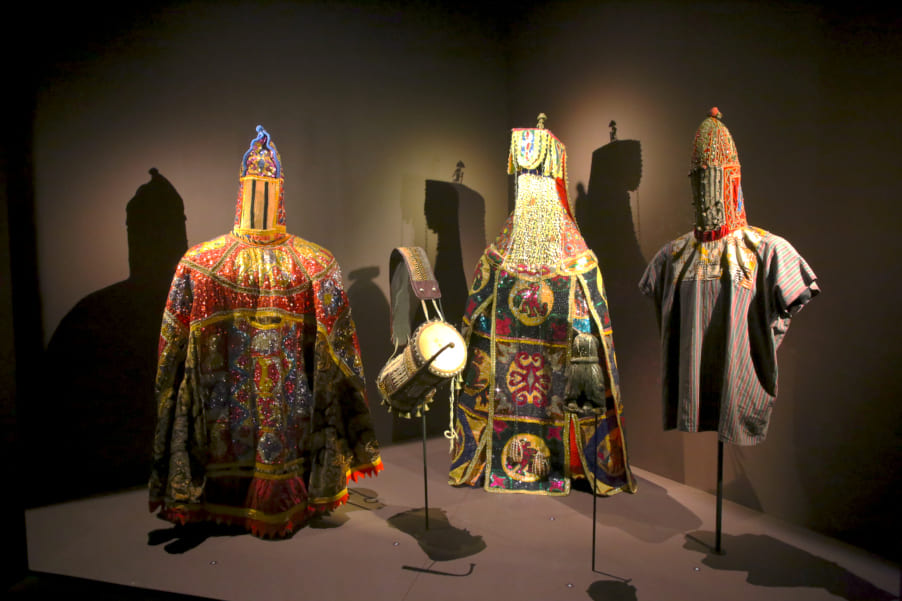
The permanent exhibition at the Musée des Confluences is organised across four exhibition spaces, known as ‘Origins, Tales of the World’ (skeletons, trilobites, meteorites, etc.); ‘Societies, the Theatre of Mankind’ (various civilisations); ‘Species, the Web of Life’ (history of animal groups, including humans); and ‘Eternities, Visions of the Afterlife’ (representations of death throughout the history of civilisations).
Architecture
His architectural philosophy is the same as that defined by Wolf D. Prix of the Coop Himmelb(l)au firm for the Dalian Opera House and International Conference Centre in Dalian, China (2008–2012). The designer employs significant cantilevers, which do not make it a ‘cost-effective’ construction. It is a feat of engineering. In the words of Coop Himmelblau: “To build a museum of knowledge, a new complex form had to be developed as an iconic bridge.”
The museum is 190 metres long, 90 metres wide and 41 metres high.
The project comprises three sections known as “Socle”, “Cristal” and “Nuage”.
Hours of working and price
Tuesday to Sunday: 10.30am – 6.30pm
- Standard admission: €12
- Concession (18–25 years): €7
- Young people (under 18) or disabled visitors: free

How to get to?
Since February 2014, the museum has been served by the ‘Musée des Confluences’ stop on the T1 tram line. It is also served by bus routes C7, C10, 15 and 63.
Parking for buses is located beneath the road junction viaduct.
Paid visitor car park nearby; a preferential rate is available for museum visitors, to be validated at the museum reception.
- Address: 86 Quai Perrache
- Coordinates: 45° 43′ 58″ N, 4° 49′ 06″ E
See here Pyrenees travel guide
See here France travel guide
See here Spain travel guide
See here Andorra travel guide