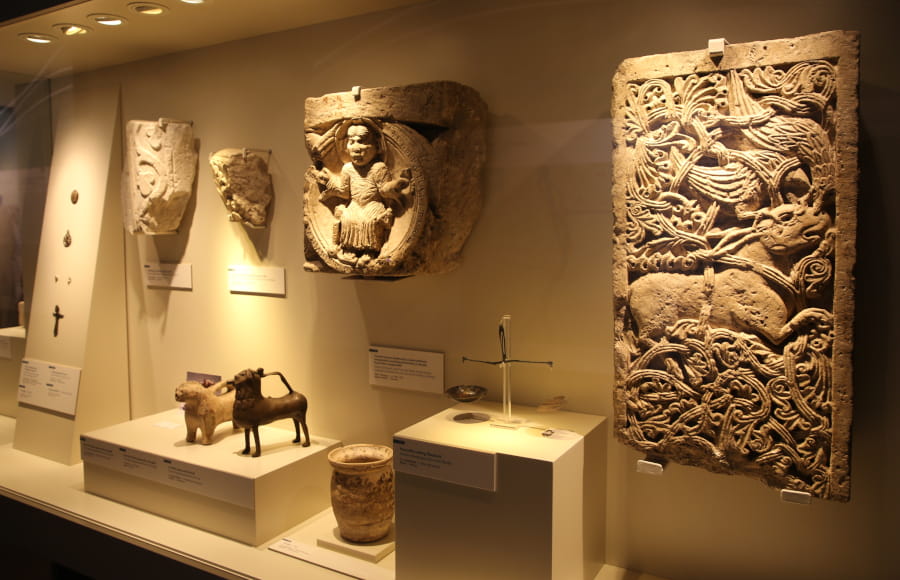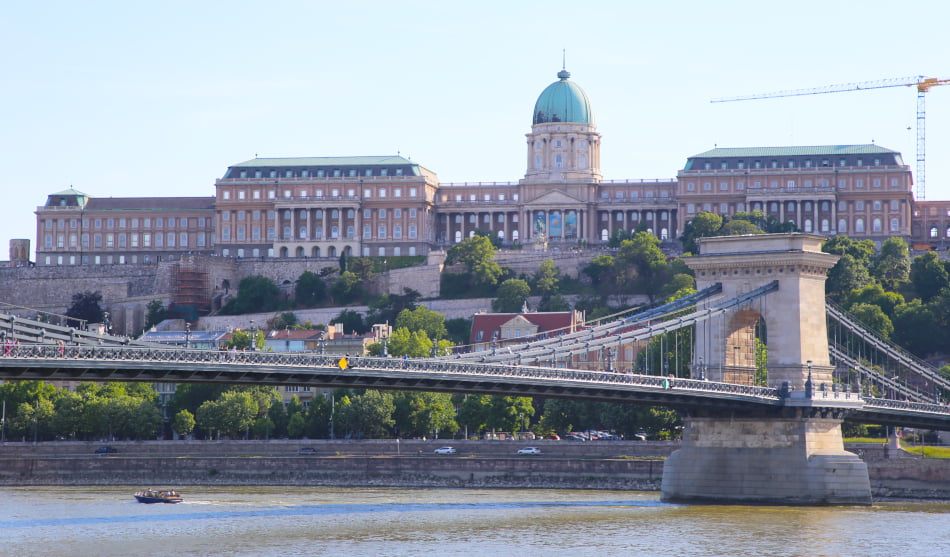
Buda Castle (Budavári Palota), also known as the Royal Palace and the Royal Castle, is a historic building and palace complex in Budapest that served as the residence of the Hungarian monarchs. The main Baroque palace was built between 1749 and 1769, but was severely damaged during the Second World War. It was subsequently restored in a simplified style. Today, it houses the Hungarian National Gallery, the Budapest History Museum and the Széchényi National Library.
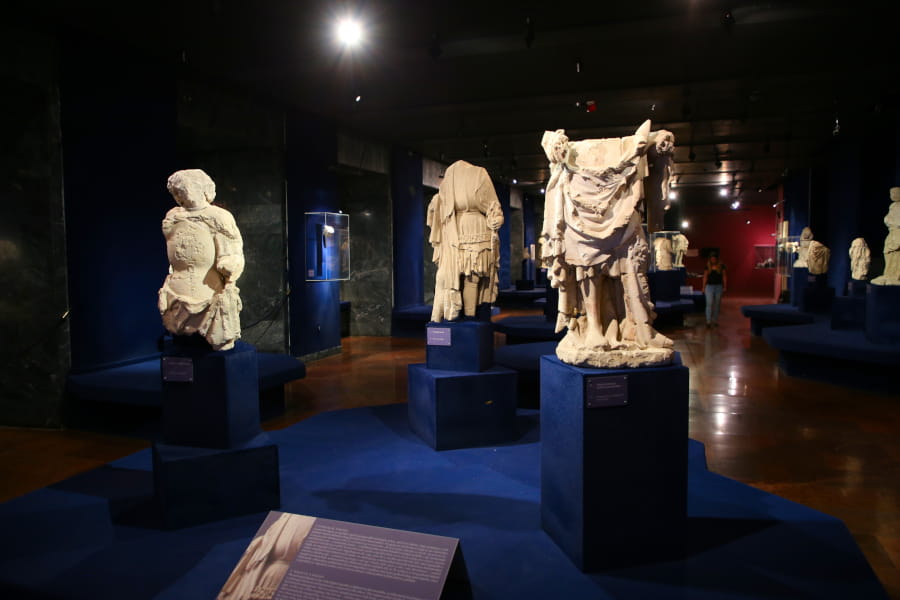
The complex is situated on the southern tip of Castle Hill, where its defensive walls extend northwards, encompassing the Várnegyed quarter. This area is famous for its medieval, Baroque and Neoclassical buildings, churches and monuments. Castle Hill is also home to important government buildings, including the Sándor Palace and the Carmelite Monastery.
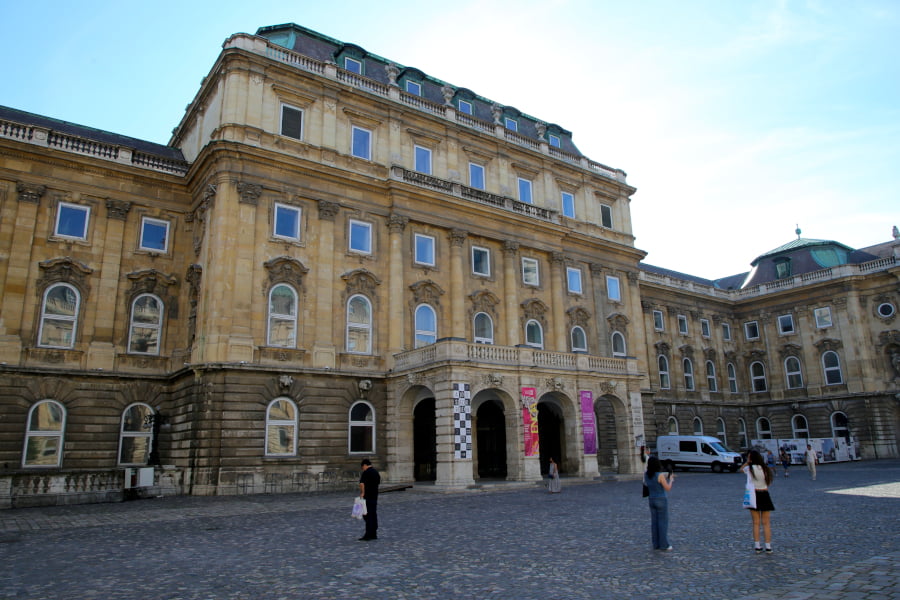
Castle Hill is connected to Adam Clark Square and the Chain Bridge by a funicular railway. In 1987, UNESCO included this part of Budapest on the World Heritage List.
- See also Parliament building
- See also St. Stephen’s basilica
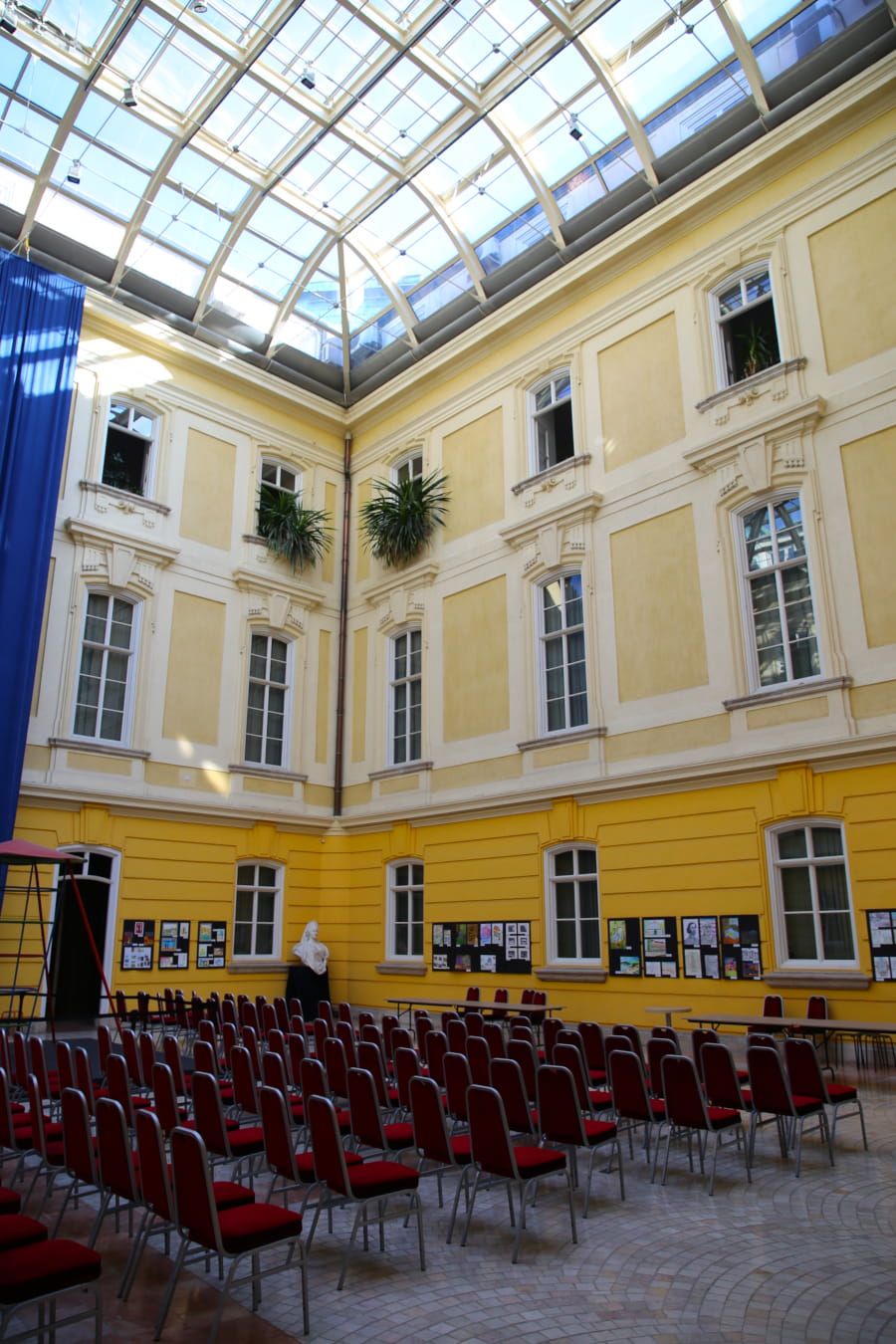
Organisation of the complex
The Széchényi National Library (Országos Széchényi Könyvtár) is responsible for collecting, preserving and providing access to the country’s cultural heritage. Here, visitors can find manuscripts, printed works and electronic publications relating to Hungary. The library has operated as part of the Hungarian National Museum since 1802 and became an independent institution in 1949. On 1 July 2024, it became part of the museum’s Centre for Public Collections.
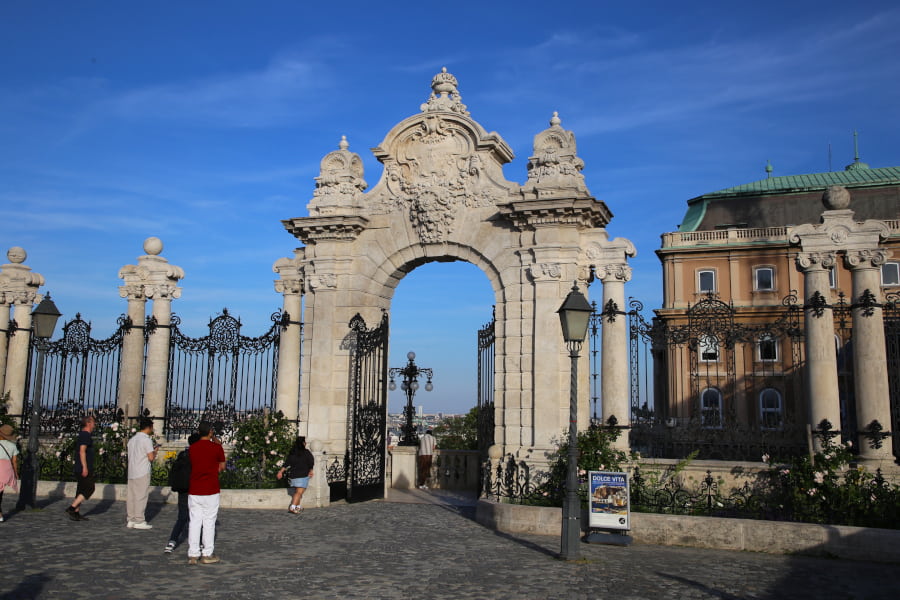
The Hungarian National Gallery (Magyar Nemzeti Galéria) is Budapest’s largest collection of Hungarian art, spanning the period from the Middle Ages to the end of the 20th century. It has been housed in Buda Castle since 1975. From 1957 to 2012, the gallery was an independent museum, before becoming part of the Museum of Fine Arts, which is situated on Heroes’ Square.

The Budapest History Museum (Budapesti Történeti Múzeum) is a key cultural institution in the Hungarian capital. Its collections include documents and artefacts that tell the story of Budapest’s history. Although the museum is run by the city council, it is recognised as a national institution.
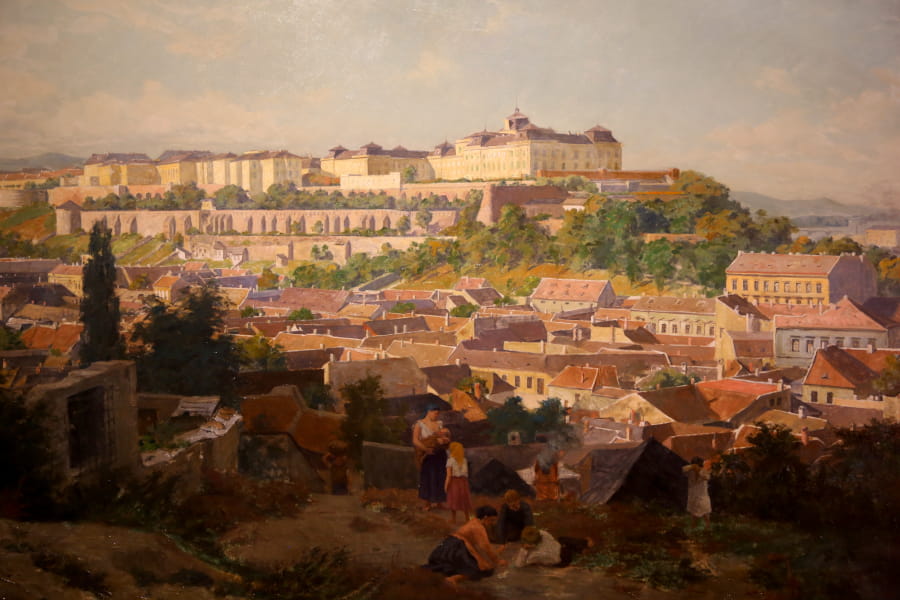
Tabán and Castle Hill (1892). Róbert Nádler, oil on canvas, BTM gallery
Opening hours and tickets
To visit the castle, all three complexes are open daily from 8.00 to 16.00. In summer, opening hours are extended until 18.00. Tickets can be purchased either on site or online.
Admission to the Budapest History Museum costs 3,800 forints (≈10.69 euros*) for adults and 1,900 forints (≈5.34 euros) for students. Children under 6 and pensioners can visit the museum free of charge. The museum grounds also house St Stephen’s Hall – an important historical and cultural site within Buda Castle. Admission to the hall costs 4,900 forints (≈13.79 euros) for adults and 2,450 forints (≈6.89 euros) for children.
Tickets to the National Gallery cost 5,800 forints (≈16.32 euros) for adults, or 2,900 forints (≈8.16 euros) with a discount. The time you can spend in the museum varies from 1 to 3 hours.
*1 euro = 355.44 forints (exchange rate as at 06/06/2026)
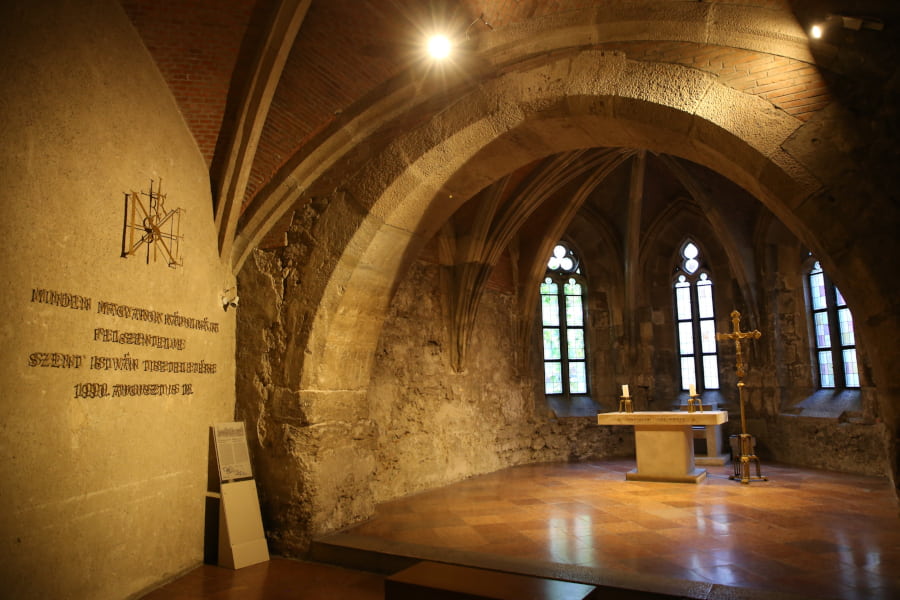
Main information
Coordinates: 47°29’46.4‘N 19°02’25.8’E
Area: 4,730,000 m²
Architects: Miklós Ybl and Alajos Hauszmann
Style: Gothic, Renaissance, Baroque
Current use: Hungarian National Gallery, Budapest History Museum and Széchényi National Library