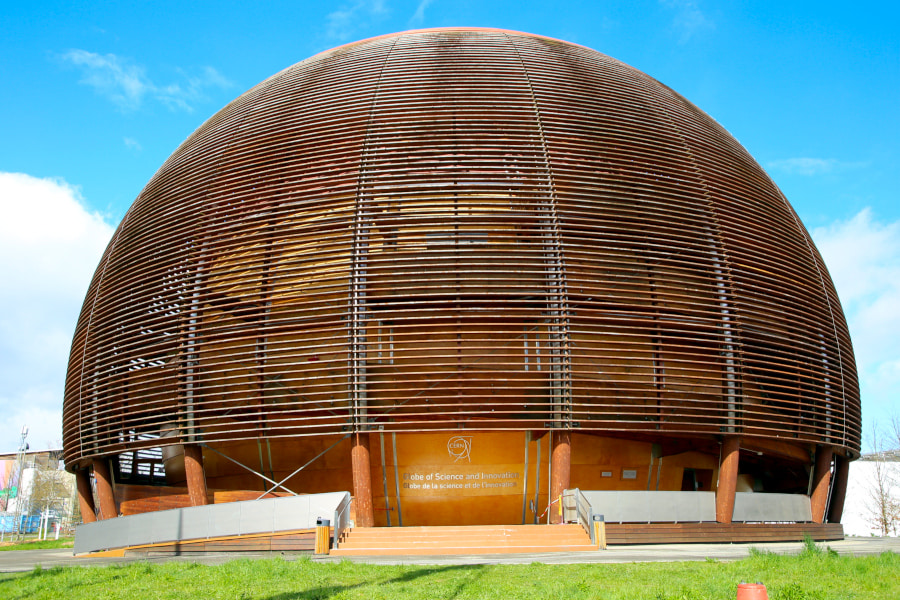
The European Organisation for Nuclear Research, also known as the European Laboratory for Particle Physics and commonly referred to by the acronym CERN (Organisation européenne pour la recherche nucléaire), is the world’s largest particle physics research centre.
It is situated a few kilometres from Geneva, in Switzerland, straddling the French-Swiss border, in the municipalities of Meyrin, Prévessin-Moëns and Saint-Genis-Pouilly (Auvergne-Rhône-Alpes). The accelerator rings extend beneath the French municipalities of Saint-Genis-Pouilly and Ferney-Voltaire.
History
After the Second World War, European research in physics was practically non-existent, despite having been at the height of its glory just a few years earlier. It was against this backdrop that the French physicist Louis de Broglie proposed, at the European Conference on Culture held in Lausanne in 1949, the creation of a European scientific laboratory.
In 1952, with the support of UNESCO, which was promoting the creation of regional scientific laboratories, 11 European governments decided to establish the European Organisation for Nuclear Research (CERN). It was during a meeting in Amsterdam that the site for the organisation’s facilities was chosen: the municipality of Meyrin, in Switzerland, situated near the French-Swiss border, close to Geneva.
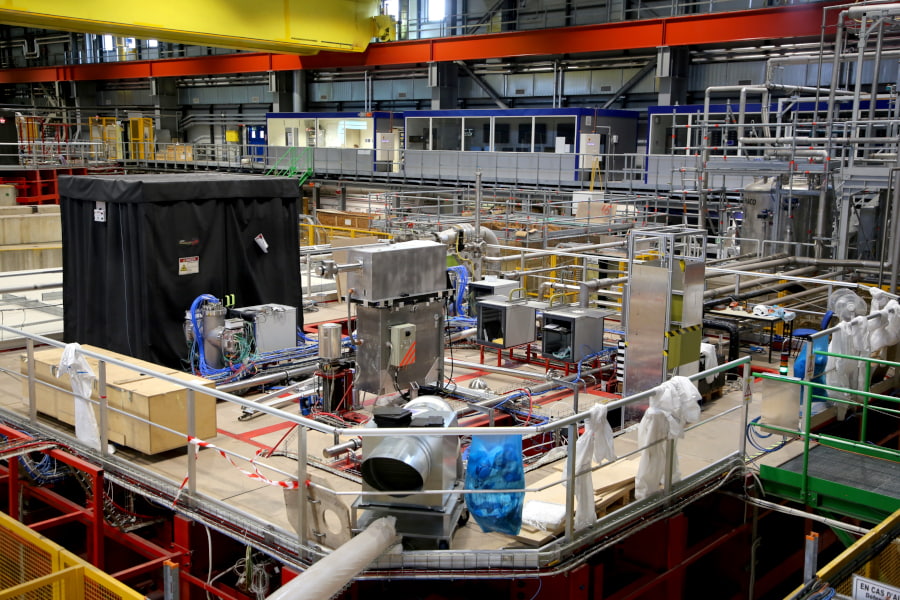
Work on the construction of the laboratory and its particle accelerator began in May 1954. On 29 September 1954, the CERN Convention was ratified by 12 European states and ‘CERN’ was officially established.
In 1957, the first accelerator, a proton synchro-cyclotron (SC), was commissioned. A second, more powerful accelerator, a proton-synchrotron (PS), was inaugurated on 5 February 1960 by the Danish physicist Niels Bohr.
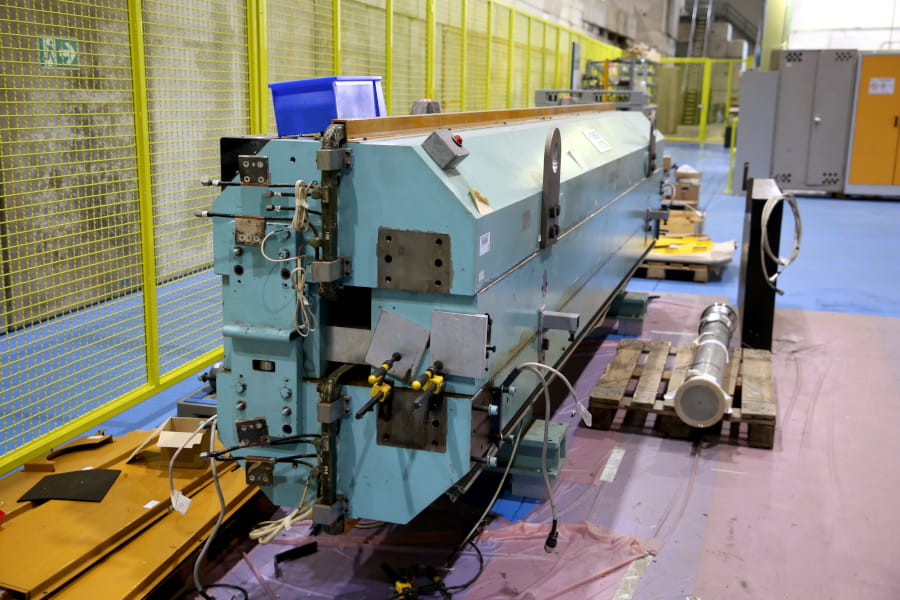
Accelerator physicists argued in favour of building a collider, to be known as ‘Intersecting Storage Rings’ (ISR), and had their case upheld at the Council meeting in December 1965. Consequently, in 1965, the French Government granted CERN permission to expand its premises on French soil. Work began the following year, under the supervision of the Norwegian physicist Kjell Johnsen.
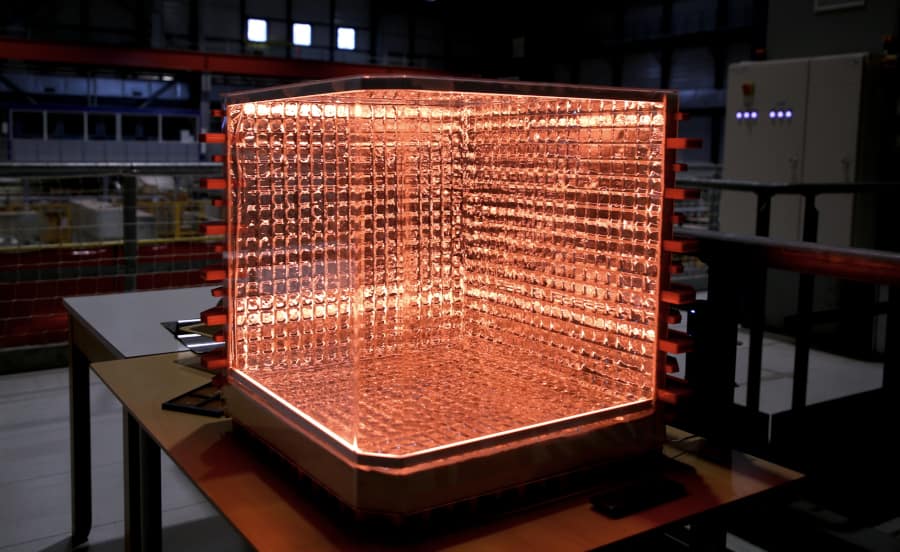
The ISR collider, the only one of its kind in the world, utilises ‘storage rings’, also known as ‘collision rings’. The two structures, each 150 metres in diameter, are ‘intertwined’ and were built at a cost of 330 million Swiss francs and within the scheduled timeframe. The ISR proved to be an ‘excellent instrument for particle physics’, yielding numerous significant results which, in the 21st century, remain part of the fundamental knowledge base of particle physics.
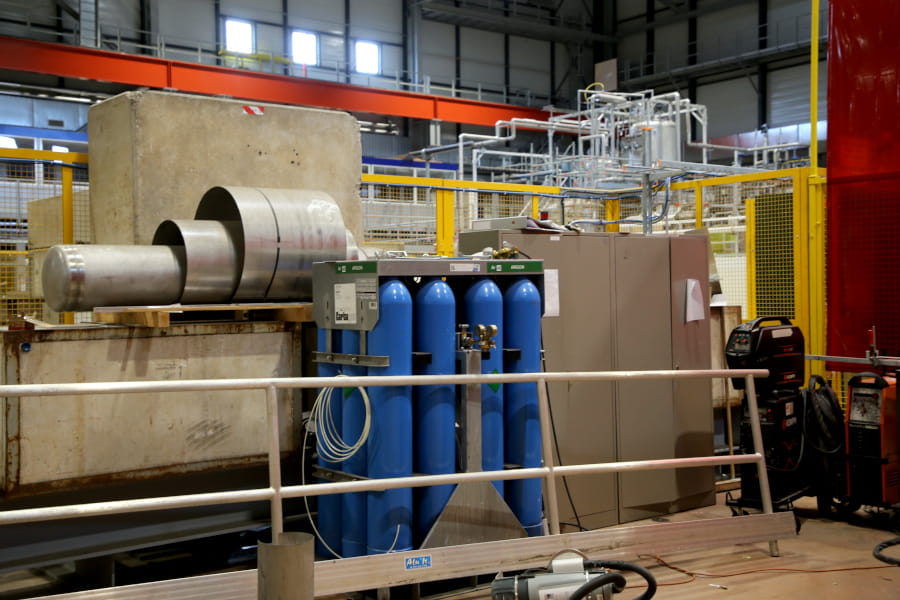
The history of computing at CERN began with an IBM 709 in 1961, which was replaced by a 7090 using transistors. Its role was to record data onto tapes that were sent to the computing centre for analysis when the intersecting storage rings were first deployed.
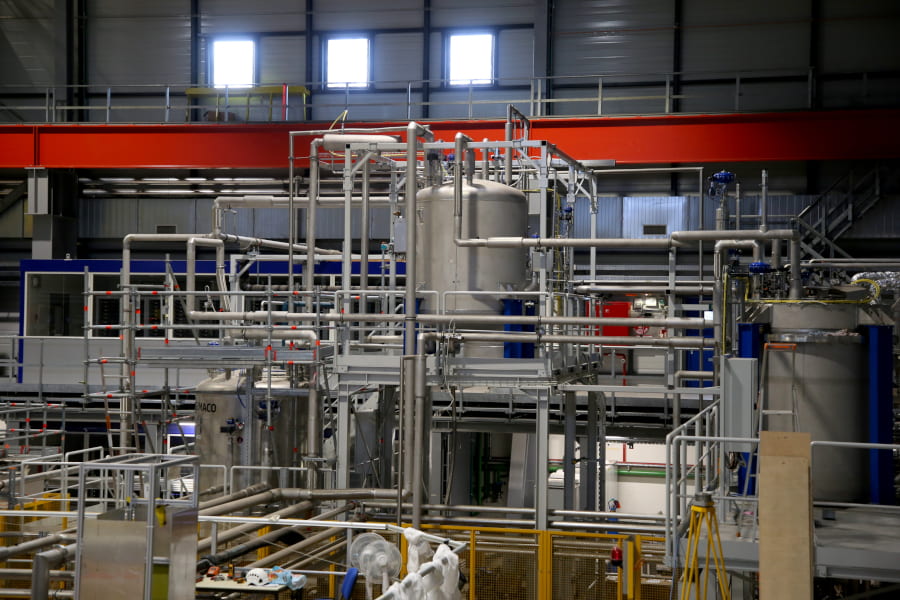
By the late 1960s, more than 50 minicomputers were in use at CERN, which went on to develop various computer communication systems (FOCUS, OMNET, CERNET). As a result, by the 1990s, CERN had become Europe’s largest internet exchange point, handling 80% of Europe’s internet traffic.
In 1967, an agreement was signed between France and Germany, this time for the construction of a hydrogen bubble chamber. A second laboratory was built in 1971 to house the Super Proton Synchrotron (SPS), which had a circumference of 7 kilometres.
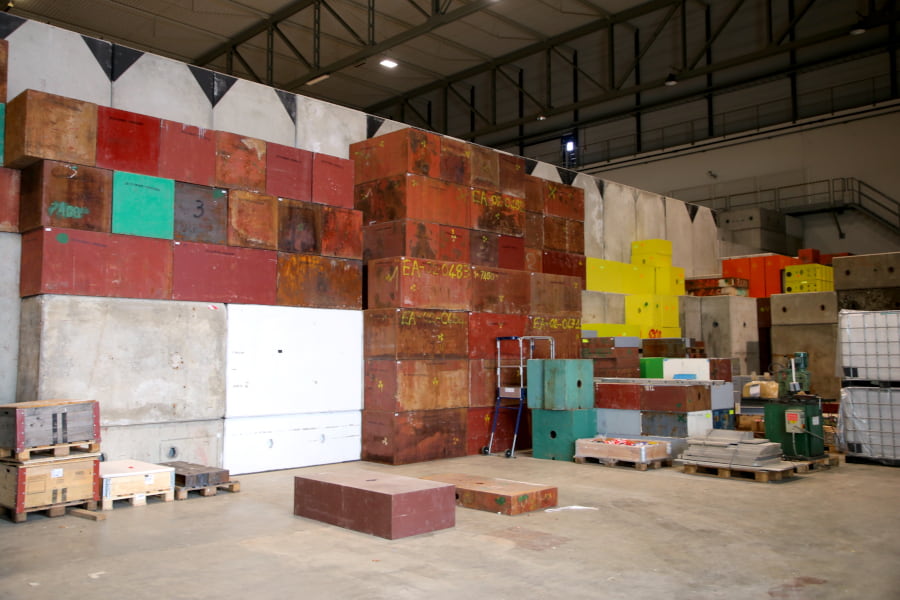
On 6 November 1970, CERN successfully began testing the first large storage ring, the construction of which had begun four years earlier. This enabled protons accelerated by the SPS to be injected into the ring and attempts to keep them there whilst awaiting the construction of the second ring, so that the first collision experiments could then begin. The protons in the first ring collided successfully with those in the second, at a rate of 1,000 collisions per second, of which around 10% were actually recorded, releasing an energy of 470 billion electron-volts – far more than expected for the two large particle accelerators under construction in the United States.
In 1981, it was decided to build the Large Electron-Positron Collider (LEP), in a tunnel with a circumference of 27 kilometres. It was then the world’s largest particle accelerator and the most powerful lepton collider. It was inaugurated on 13 November 1989.
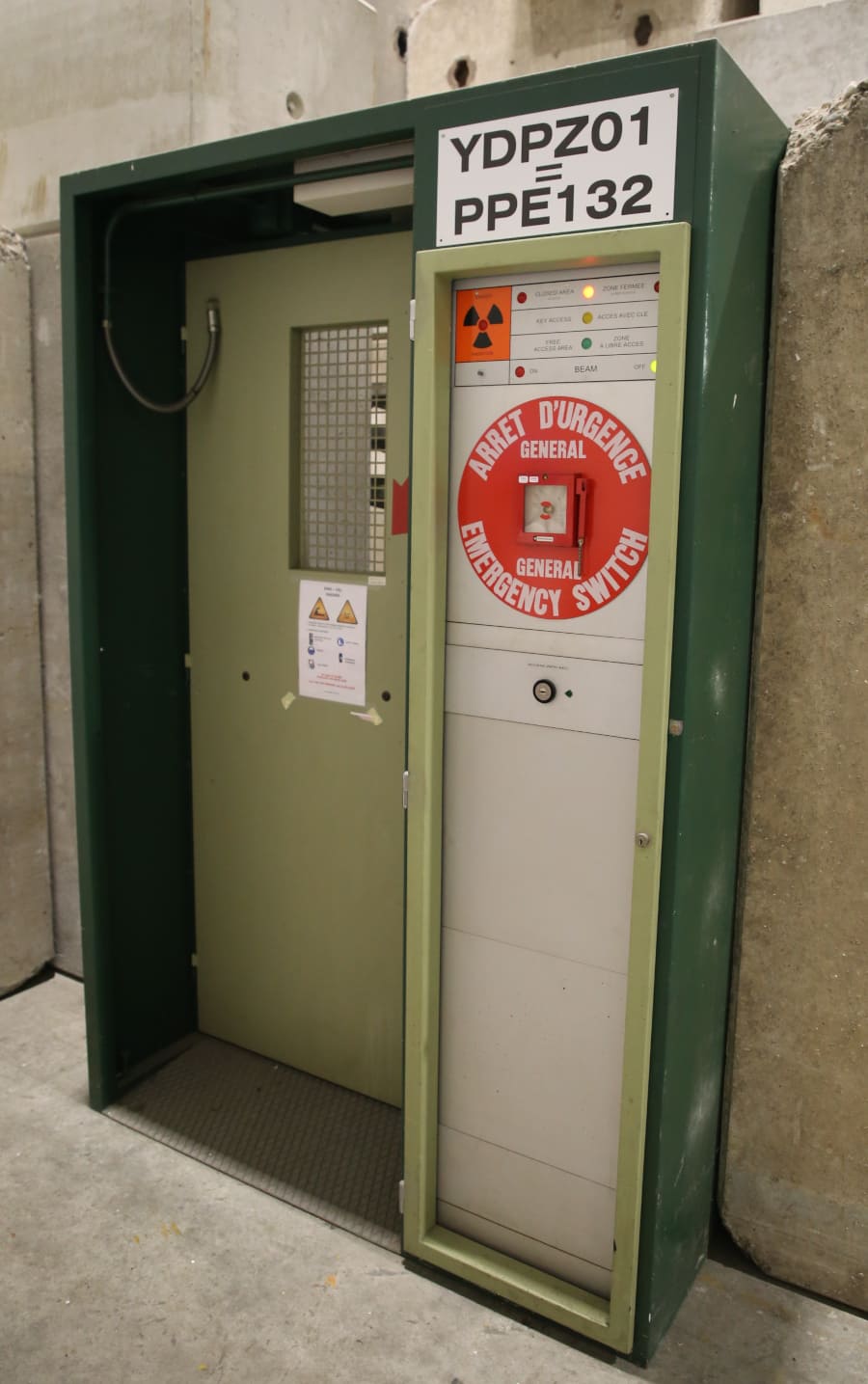
In 1994, the construction of the Large Hadron Collider (LHC) was approved. Taking an interest, Japan became an observer state following its financial contributions to the LHC in 1995, followed by the United States in 1997.
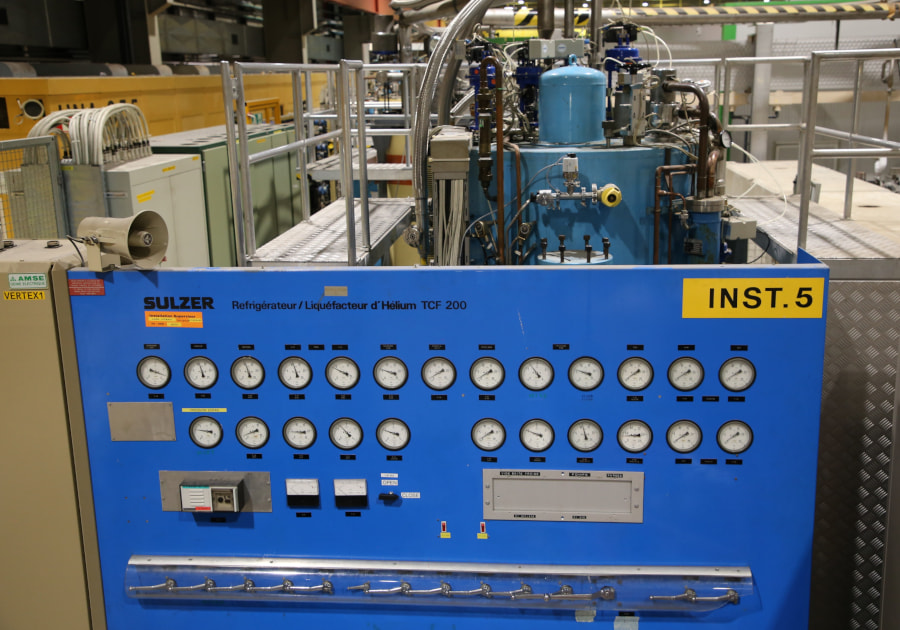
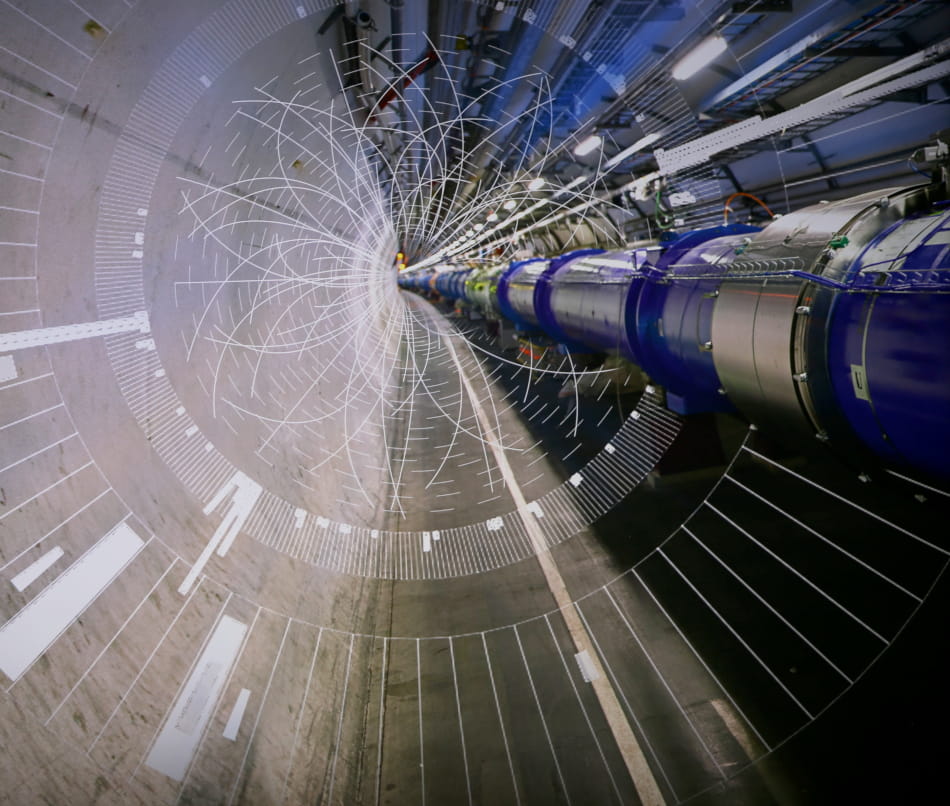
In May 2001, work began on dismantling the LEP to clear its tunnel for the LHC, which came into operation on 10 September 2008. It is the largest particle accelerator in the world built to date. On 19 September 2008, an incident caused a helium leak, requiring repairs and a shutdown of the accelerator. On 20 November 2009, repairs to the LHC were completed and testing resumed gradually. The first particle collisions at 7 TeV took place in 2010, which was, at the time, the highest-energy artificial particle collision ever achieved.
In May 2017, CERN inaugurated Linac-4, an 86-metre-long linear particle accelerator located 12 metres underground.
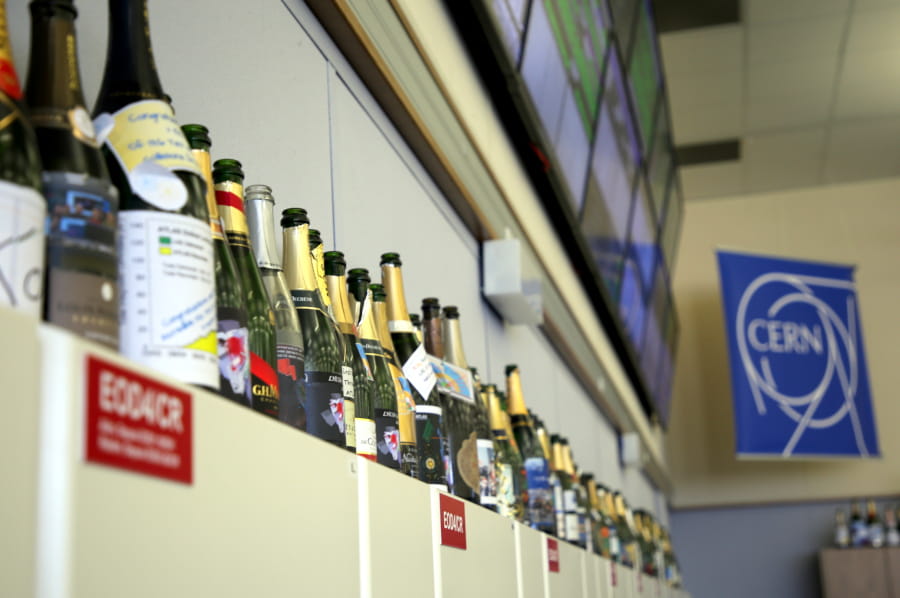
Every bottle is a new discovery
Discoveries
In 1983, the electroweak theory was almost entirely confirmed, with the weak and electromagnetic forces having been almost unified. It was also in that year, on 13 September, that the first experiments at the LEP began. In October 1984, Carlo Rubbia and Simon van der Meer were awarded the Nobel Prize in Physics for their discovery concerning the electroweak force.
Following the inauguration of the LEP in 1989, the theory’s predictions regarding the electroweak force were confirmed, notably the existence of charged particles (W bosons) with a mass approximately 80 times that of the proton, as well as a neutral particle (the Z boson) with a mass approximately 91 times that of the proton.
On 18 November 2010, researchers announced that they had succeeded for the first time in trapping antihydrogen atoms in a magnetic field.
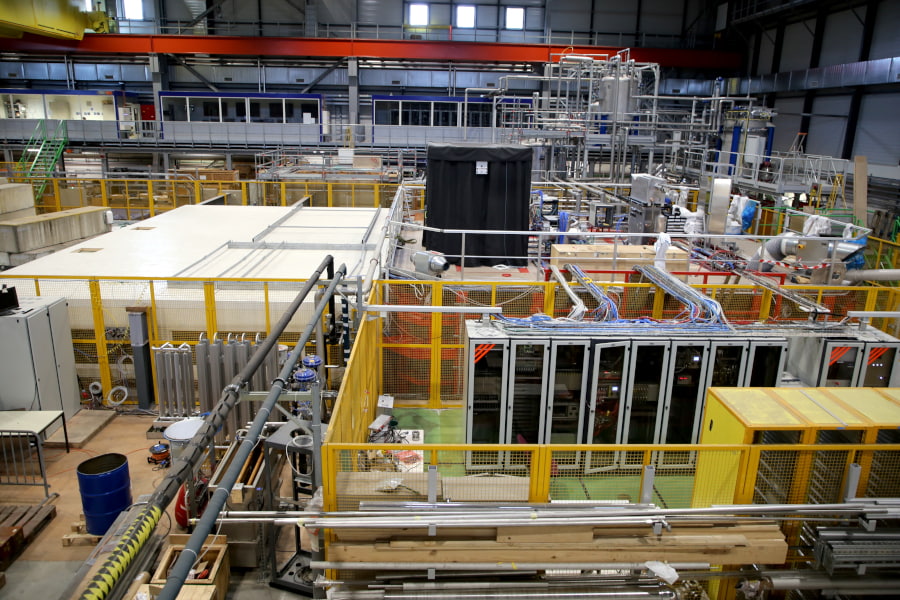
On 4 July 2012, a new particle was identified, whose properties appeared to be consistent with those of the Higgs boson as described by the theory. Further results from this experiment, analysed during 2013, confirmed that this new elementary particle is a Higgs boson, whose properties are, so far, consistent with those described by the Standard Model.
The Nobel Prize in Physics was awarded in 2013 to theoretical physicists François Englert and Peter Higgs for their theoretical work on this particle, having predicted its existence alongside others as early as the 1960s.
Between 1989 and 1990, Tim Berners-Lee, together with Robert Cailliau, conceived and developed a hypertext information system, the World Wide Web.
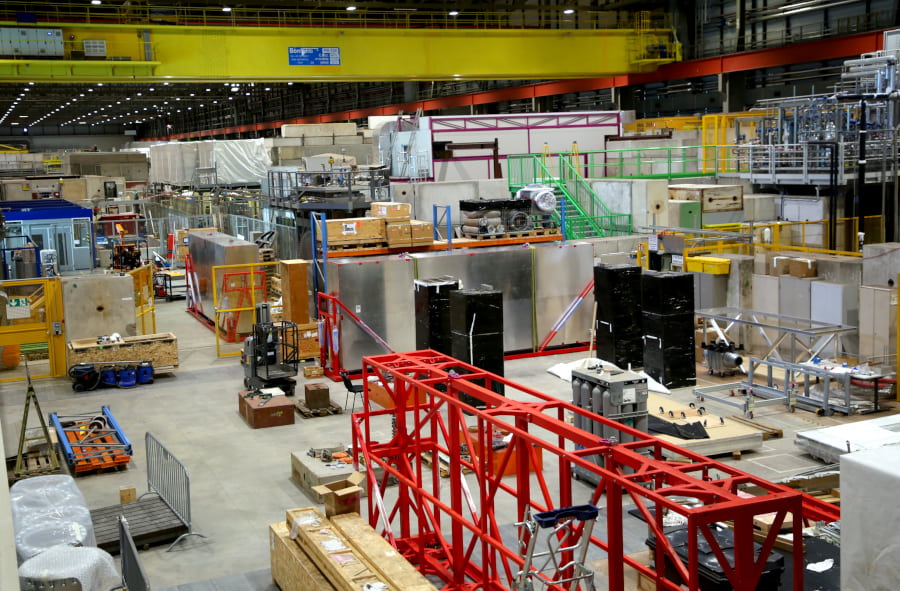
Other activities
CERN also has numerous programmes for teachers and science educators, as well as for the general public.
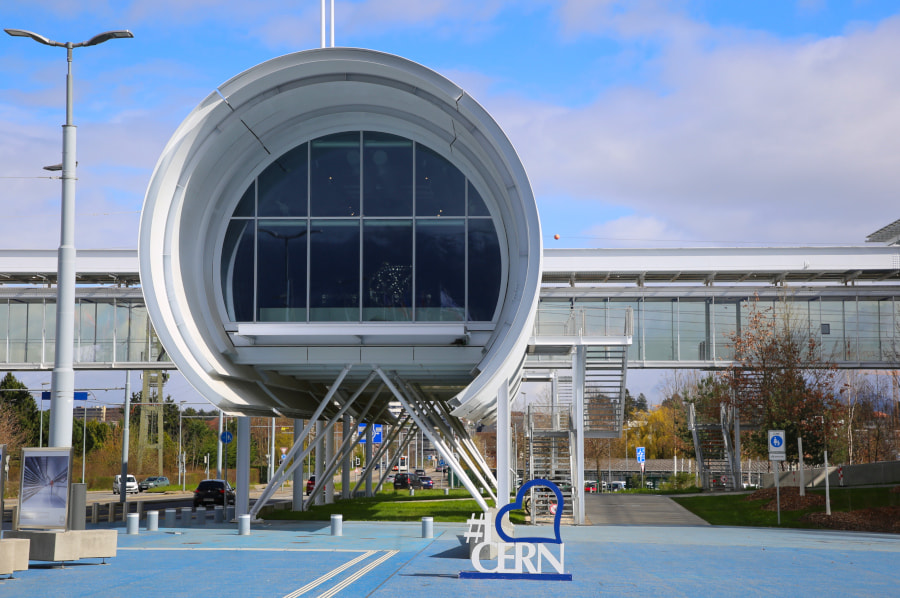
Between 1965 and 1997, Rafel Carreras, who was in charge of the general education programme, organised two series of events aimed at the general public: ‘Science for All’, a weekly lecture, and the monthly evening lecture series ‘Science Today’. Open to all, the latter attracted a wide audience from the Geneva region. During these lectures, he explained and commented on recent scientific articles on topics related to astrophysics, physics, biology and the humanities.
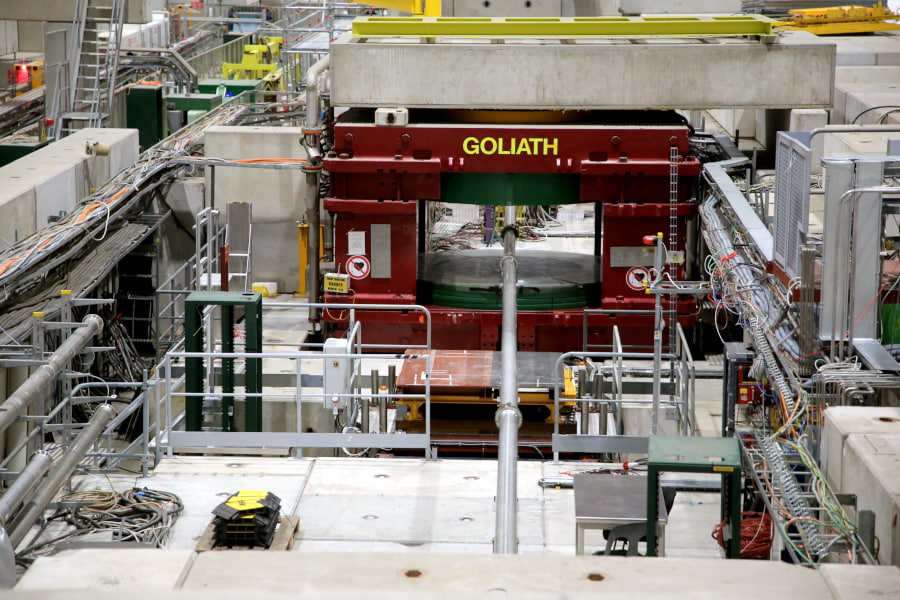
CERN regularly organises guided tours of its facilities, such as the old synchrocyclotron and the ATLAS experiment.
How to get to?
By public transport
From Geneva (approx. 25 minutes): take tram 18 (towards Meyrin, CERN) and get off at ‘Meyrin, CERN’ station.
From France: take bus 68 or bus 67 and get off at ‘Meyrin, CERN’ stop.
Address: Rte de Meyrin, 1217 Meyrin
Coordinates: 46°14’01.4″N 6°02’56.7″E