IVECO Daily (2nd generation)
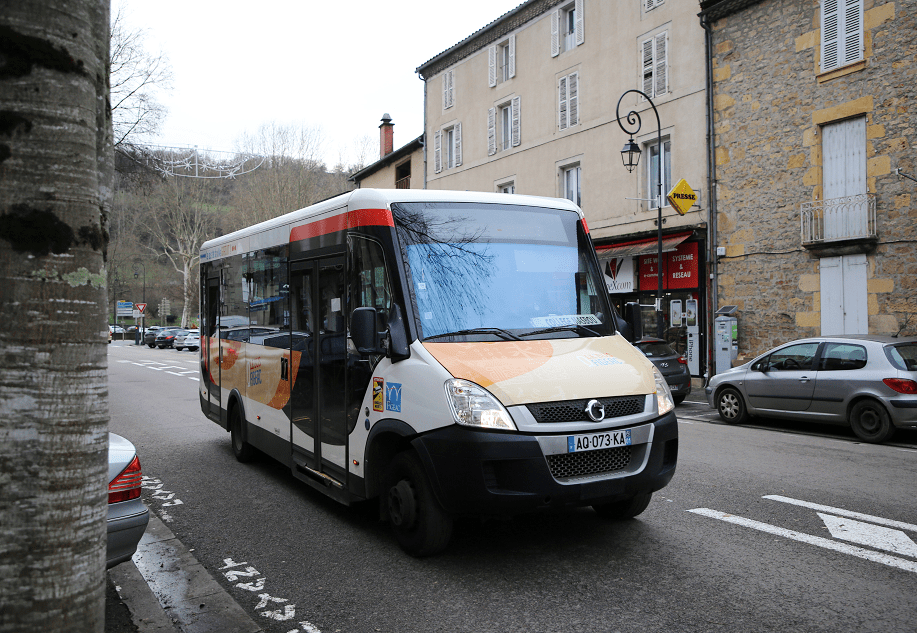
The Iveco Daily is a medium to heavy utility vehicle, born under the Fiat V.I. brand in 1978, and entrusted to Iveco in 1982.
Second generation (1999—2014)
With second series the Daily got new light groups (wider and lower). The Turbodaily name was dropped as all turbodiesels came with Unijet technology (common rail). Two new versions were released: “Agile”, with automatic gearshift, and “CNG”, a natural gas version. Also two new load classes were introduced: Daily 65 and Daily 28 (6.5 tons and 2.8 tons). The Iveco Daily was made “Van of the Year” for the year 2000.
The second generation of the Iveco Daily and the first generation of the Renault Mascott share many panels and some components of the cab, including the doors due to an agreement between Iveco and Renault stipulated in July 1994. The agreement provided for the production and sharing of common components for a total of 120 thousand pieces a year produced in the various factories of Brescia (Italy, Iveco), Suzzara (Italy, Iveco), Valladolid (Spain, Iveco) and Batilly (France, SoVAB Renault factory). The Daily continued to be sold as an Iveco-Ford in the United Kingdom until 2006 when Ford dropped out of the medium/heavy duty commercial van market with no successor.
In 2010, Iveco celebrated the sale of 2,000,000 Daily units worldwide.
In 2014, it was replaced by the third generation.
Engines
Originally there were models with three engine options, all of type 8140 of 2.8 liters. A variant was a suction diesel with 66 kW (89 HP), but they rarely sold. Another had turbocharger, intercooler and 78 kW (105 HP). The last variant gave 92 kW (123 HP) and had common rail injection. Shortly after receiving the largest engine variable geometry turbocharger and an output of 107 kW (143 HP).
In 2003 came the F1A engine with 2.3-litre stroke volume and second-generation common rail injection with 74 kW (99 HP) and 88 kW (118 HP), and in 2004 came the new F1C engine of 3.0 liters, based on F1A with timing chain and 100 kW (134 HP) or 122 kW (164 HP). At this time, the old 8140-engine was completely replaced.
Transmissions
The motors up to 88 kW (118 hp) had five-speed gearbox, while the more powerful engines also available with a six-speed gearbox. The model could also be obtained with electronic / hydraulic controlled manual gearbox, called Agile.
Facelift
The 1º facelift of the second generation was designed by Giugiaro and arrived to markets in the middle of 2006. It is available as: Van, cabin cruiser, Combi, Minibus, Agile, and CNG. The minibus is also commercialized with the Irisbus brand. Certain models with clean engines have been sold as the “Iveco EcoDaily” in some European markets.
For the first time since the year 2000, an all-wheel-drive version of the Daily is available starting from 2007. This is developed in co-operation with the company SCAM and is available as single cab and double cab with the wheelbases 3,050 mm (120 in) and 3,400 mm (130 in) and double cab with wheelbase of 3,400 mm (130 in). Permissible total weight in two versions: 3,500 kg (7,700 lb) or 5,500 kg (12,100 lb).
Electric version
A version powered by a 30 kW (40 HP) electric motor (60 kW peak) supplied by a battery with a capacity of 76 Ah and 21.2 kWh was announced in August 2010.
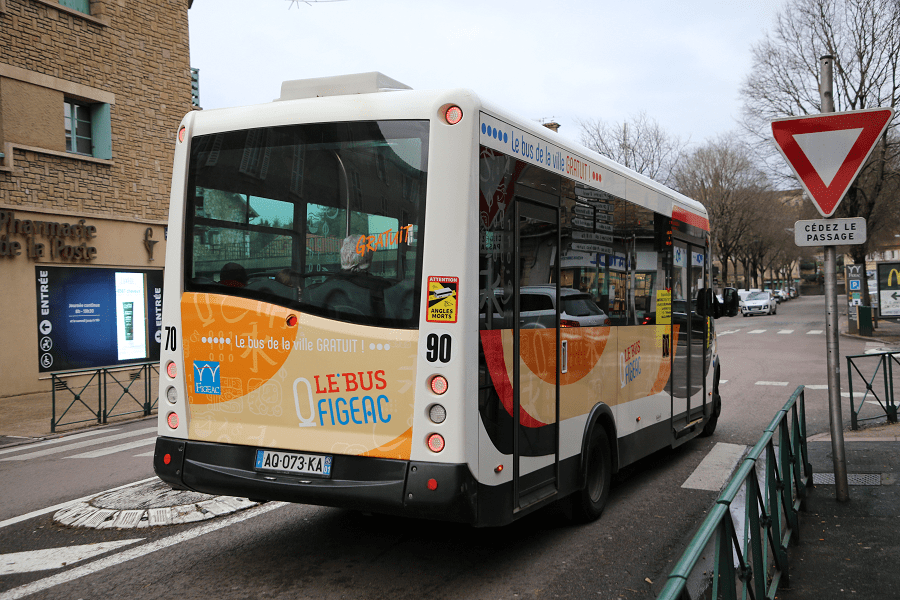
Daily Minibus
The Daily has, since its presentation in 1981, served as a basis for public transport, in the versions of school bus, city minibus and private minibus for hotels and luxury. Marketed successively under the brands Iveco, then Irisbus and now Iveco Bus, it has evolved like the van and retained a loyal customer base.
Assembly: Batilly (France), Suzzara (Italy), Valladolid (Spain), Nanjing (China), Dandenong South (Australia), Kragujevac (Serbia), Nizhny Novgorod (Russia), Sete Lagoas (Brazil)
Years of production: 1999—
Length: 5014 — 6933 mm
Width: 1996 mm
Height: 2385 — 2940 mm
Engine: 4 cylinders; 2798 cc
Power: 120 HP
Max speed: 90 km/h
Fuel consumption: 16 l/100 km
Weight: 2370 kg
See also Transport blog
See also Cars blog
See also Motorcycles blog
See also Buses blog
See also Shipbuilding blog
See also Motors and Engines blog
See also Trains and railways blog
See also Trucks and Cargo Vehicles blog
See also Tractors and Special Equipment blog
See also Tanks and Armored Vehicles
See also Airplanes blog
See also Helicopters blog
See also Artillery, Missiles and Rockets blog
See also Bicycles blog