CAF RENFE 7500 «Cocodrilo»
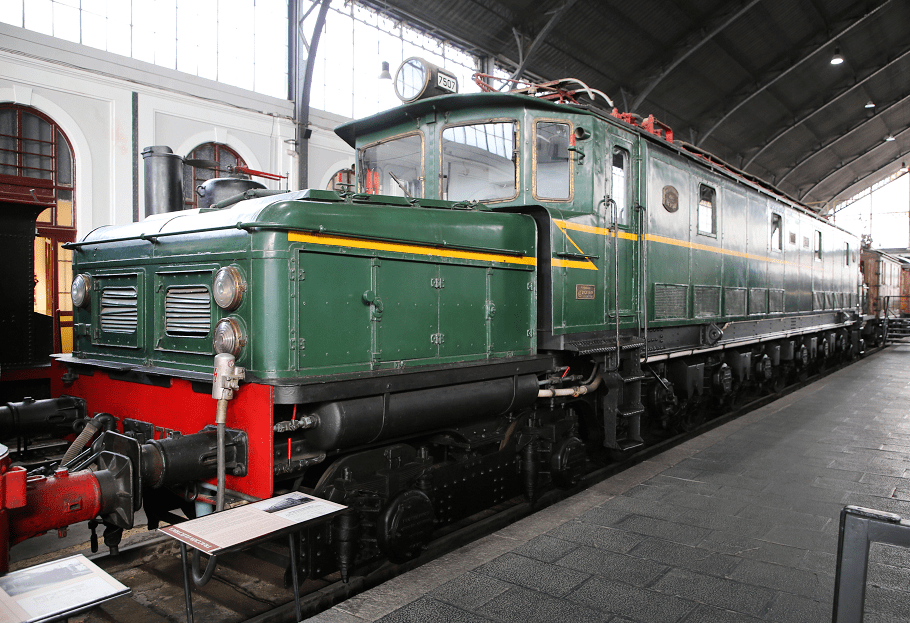
RENFE 7500 “Crocodile” is a series of 12 electric locomotives built in 1944-1945 by Compañía Auxiliar de Ferrocarriles (CAF) for the newly created RENFE.
The design was developed by Compañía del Norte, which, following the success of the 7400 locomotives operating successfully on electrified lines in the Basque Country, was looking to create another series with similar characteristics.
History
In 1944, RENFE purchased locomotives of this series to haul passenger trains on the newly electrified Madrid—Avila—Segovia line. This line, known for its steep and long climbs, required fast and efficient transportation, and the new locomotives significantly reduced journey times.
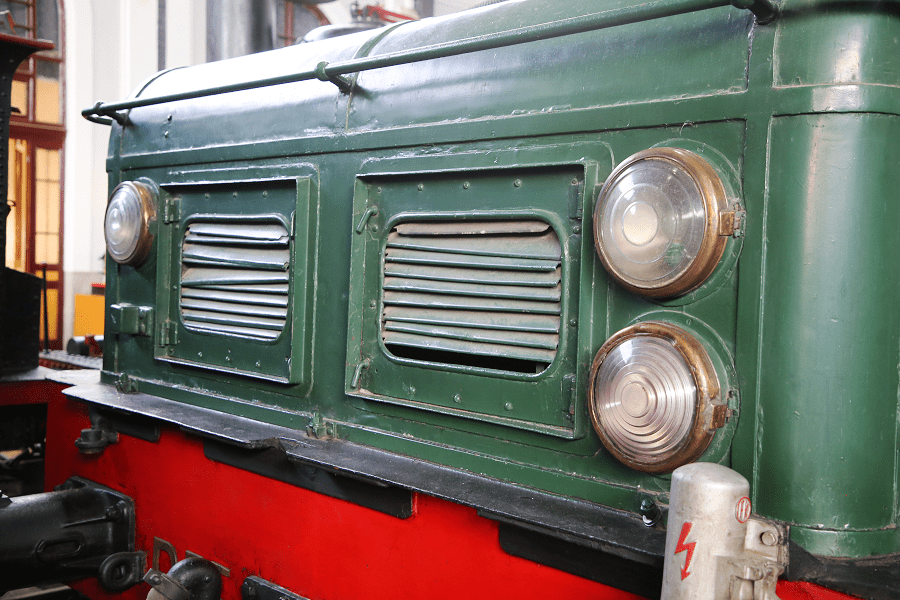
These powerful locomotives could reach speeds of up to 110 km/h, and their incredible 4,200 HP made them the most powerful in Spain and among the most powerful in Europe. They were impressive in appearance, aesthetics and impressive size, and their structure rested on two huge bogies, each of which contained three driving axles, which greatly facilitated cornering and ensured stability at high speeds.
One of these locomotives, 7507, arrived at the Madrid Museum in 1982 and became part of the permanent exhibition.
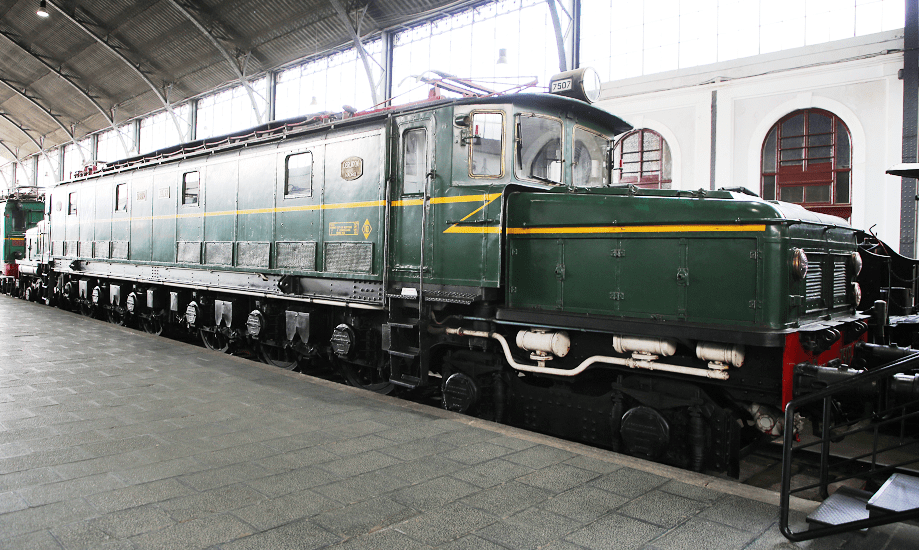
Manufacturer: Brown, Boveri & Cie (Oerlikon) / CAF
Years of production: 1944—1945
Production: 12 units
Track gauge: 1668 mm
Power: 4200 HP
Max speed: 110 km/h
Tension: 1500 V (DC)
Weight: 147 t
Tractive effort: 180 kN
Madrid Railway Museum (Madrid, Community of Madrid, Spain)
See also Transport blog
See also Cars blog
See also Motorcycles blog
See also Buses blog
See also Shipbuilding blog
See also Motors and Engines blog
See also Trains and railways blog
See also Trucks and Cargo Vehicles blog
See also Tractors and Special Equipment blog
See also Tanks and Armored Vehicles
See also Airplanes blog
See also Helicopters blog
See also Artillery, Missiles and Rockets blog
See also Bicycles blog