Porsche 930
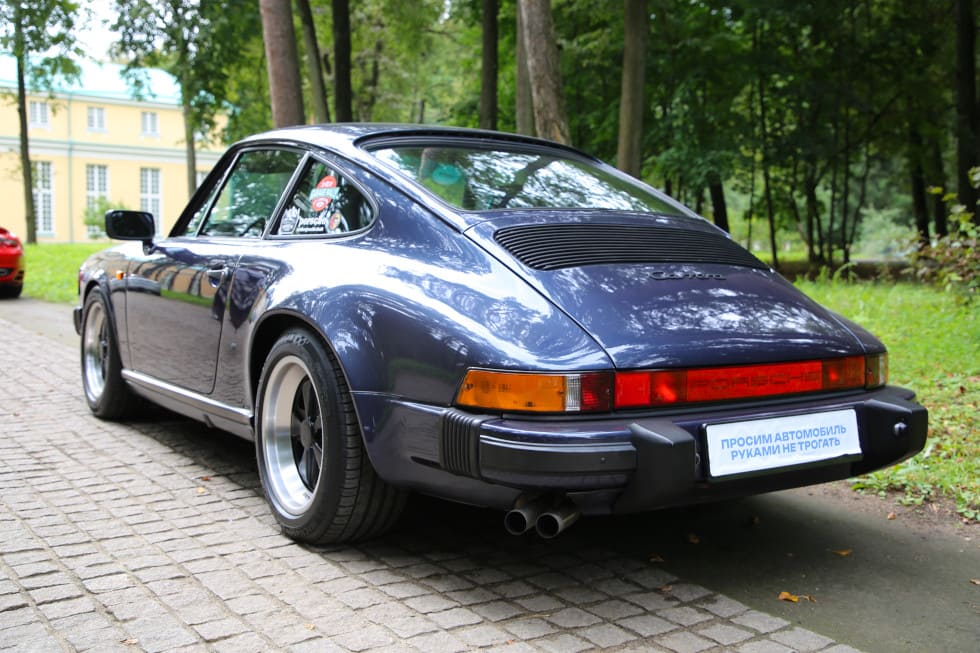
Porsche 930 Carrera at Arkhangelskoye Estate (Moscow Region, Russia)
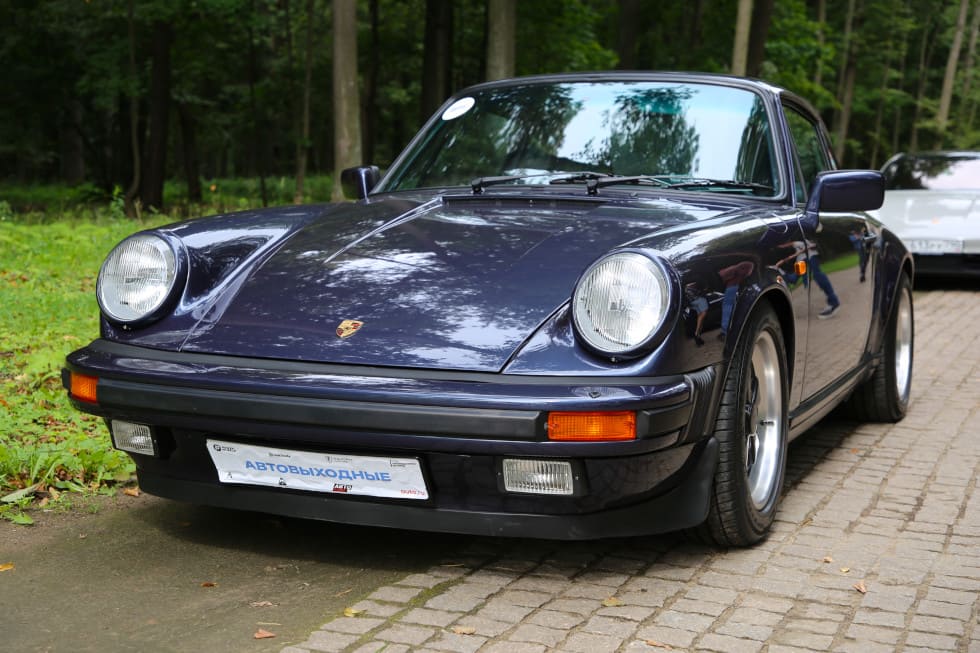
The Porsche 930 is a turbocharged version of the 911 sports car, produced by Porsche from 1975 to 1989. Throughout its production run, it was the most prestigious 911 model. At the time of its introduction, it was the fastest production car in Germany.
History
Porsche began experimenting with turbocharging in the late 1960s. In 1972, the company began developing a turbocharged version of the 911. The original goal of the 911 Turbo was to obtain homologation for the 1976 racing season, but the model quickly gained popularity among car enthusiasts. By the end of 1975, 400 cars had been produced.
The 911 Turbo engine produced 260 HP at 5,500 rpm and 329 N·m of torque at 4,000 rpm. This significantly exceeded the output of the standard Carrera, on which it was based.
Porsche simply called the car “Turbo” (although early American versions were badged “Turbo Carrera”). The model was unveiled at the Paris Motor Show in October 1974, and sales began in the spring of 1975. Exports to the United States began in 1976.
In 1978, Porsche made significant changes to the 930. The cylinder bore was increased by 2 mm to reach a displacement of 3,299 cc, and an air-to-air intercooler was added, cooling the compressed air and increasing power to 300 HP at 5,500 rpm and torque to 412 N·m at 4,000 rpm. The “whale tail” rear spoiler was raised to accommodate the intercooler, earning it the nickname “tray spoiler” among enthusiasts. The suspension was upgraded, with new anti-roll bars, stiffer shock absorbers, and larger-diameter rear torsion bars. The braking system was also improved, with brakes from the 917 installed.
The increased displacement and the addition of an intercooler increased power and torque, but the car also gained weight, particularly due to the engine. This affected the handling and character of the model compared to earlier 3.0-liter versions.
The 930 continued to be sold in Europe. In 1983, a more powerful version was released: a car with an engine producing 330 HP at 5,750 rpm and 432 N·m of torque at 4,000 rpm. This modification, known as Werksleistungssteigerung (WLS or “factory performance enhancement”), included a quad-pipe exhaust system and an additional oil cooler. The changes also affected the front spoiler, and some cars received additional vents in the rear fenders and modified side skirts.
In 1986, Porsche reintroduced the 930 to the Japanese and American markets, equipped with an emissions-controlled engine. This engine produced 282 HP at 5,500 rpm. At the same time, the company offered Targa and Cabriolet body styles, which quickly gained popularity.
Production of the 930 ceased after 1989, when its “G-Series” platform was replaced by the 964. The last versions of the 930 were equipped with a Getrag G50 five-speed manual transmission. In 1991, the 930 was officially replaced by the turbocharged 964.
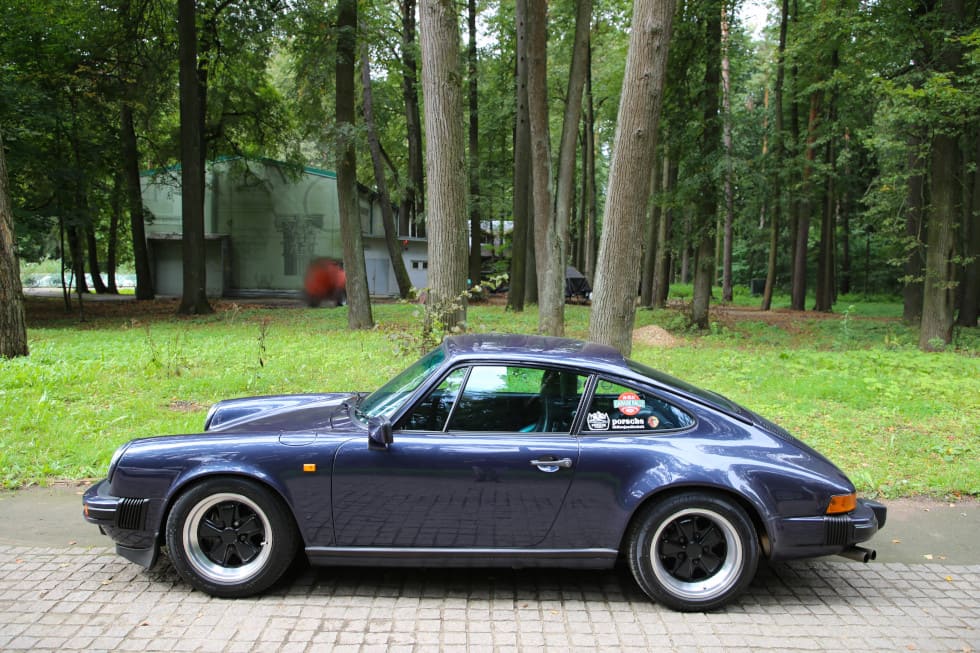
Manufacturer: Dr. Ing. h.c. F. Porsche AG
Assembly: Stuttgart (Germany)
Years of production: 1975—1989
Length: 4291 mm
Width: 1775 mm
Height: 1311 mm
Engine: 6 cylinders; 2993–3297 cc
Power: 245–330 HP
Max speed: 270 km/h
Fuel consumption: 15 l/100 km
Weight: 1210–1379 kg
See also Transport blog
See also Cars blog
See also Motorcycles blog
See also Buses blog
See also Shipbuilding blog
See also Motors and Engines blog
See also Trains and railways blog
See also Trucks and Cargo Vehicles blog
See also Tractors and Special Equipment blog
See also Tanks and Armored Vehicles
See also Airplanes blog
See also Helicopters blog
See also Artillery, Missiles and Rockets blog
See also Bicycles blog