Peugeot 306
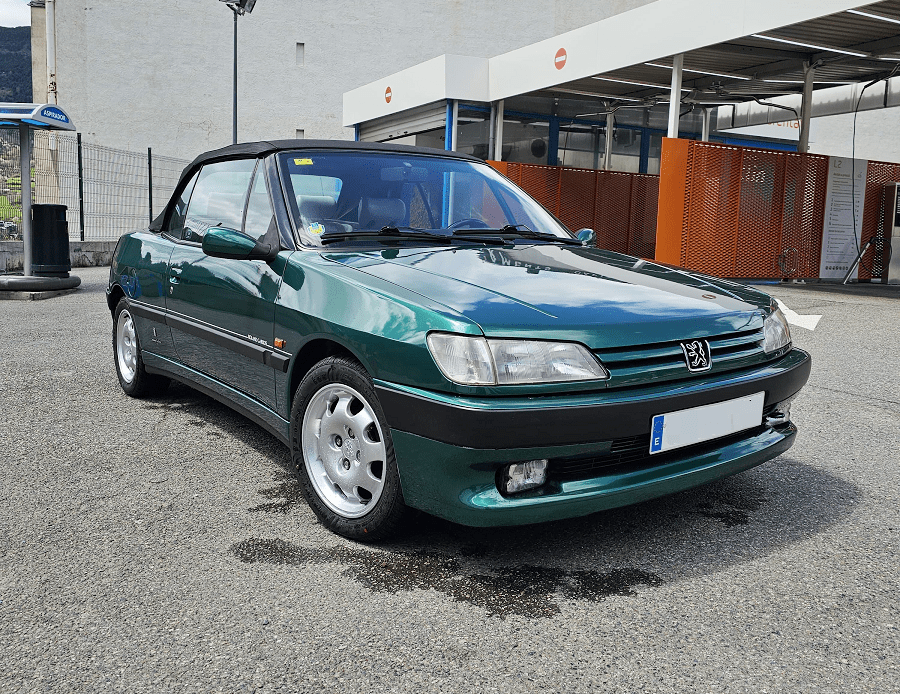
Green Peugeot 306 Roland Garros (enhanced equipment: electric sunroof, white semi-leather interior adorned with fabric medallions in the car’s colors, etc). Photo: Enzo Rodrigues Jacinto
The Peugeot 306 is a French compact car that was produced by Peugeot from 1993 to 2002. Throughout the production period, Peugeot continually modernised the model, introducing technical and exterior changes to remain competitive. In 2001, the 306 was replaced by the new 307. Over 2.8 million units of the Peugeot 306 were produced during its production run.
The 306 was developed between 1990 and 1992 to go into production in early 1993. It was the replacement for the Peugeot 309 model.
Concept versions of the Peugeot 306 first appeared in late 1990. Initially, the press wrote that it would replace the more compact 205 model. But by the end of 1991, the company announced: the new car would replace the 309 and some versions of the 205. The latter would remain in production for a few more years, even after the launch of the mini 106 in September 1991.
Mechanically, the 306 is almost identical to the Citroën ZX, which was launched two years before the 306: both cars have the same floor and construction. The Citroën Berlingo and Peugeot Partner were also built on the same platform. Sharing Peugeot and Citroën platforms had been the policy of parent company PSA Peugeot Citroën since the late 1970s, following Peugeot’s takeover of bankrupt Citroën in the wake of the 1974 oil crisis. The first examples were the Citroën Visa and Citroën LNA (as well as the Talbot Samba) based on the Peugeot 104.
Generations
Phase 1
The Peugeot 306 was first launched in March 1993 as three- and five-door hatchbacks, followed by a sedan and convertible the following year. The Phase 1 variant, also known as N3, debuted in 1994, featuring various modifications such as the Genoa and GTI-6 models. While most Phase 1 models were affordably priced, the GTI-6 and convertible stood out as exceptions with higher values.
Phase 2
In May 1997, the 306 underwent a significant update, transitioning to the “Phase 2” or N5 version. Although its body shape remained similar, enhancements included revised optics, a new grille, and bumpers, giving it a more rounded appearance akin to the Peugeot 406. By 1998, the models benefited from additional features like an aluminium-effect centre console and chrome logos, while retaining their essential characteristics in the British market.
Phase 3
Since mid-1999, various models have experienced notable modifications, including the introduction of transparent and round fog lamps. Interior updates were subtler, featuring a round silver gearshift knob and a dashboard redesigned with a silver background and white arrows, moving away from the previous red design.
The XSi, XT, and D Turbo models were upgraded with the GTi-6 engine, while diesel variants adopted a new HDi engine with a common rail system, replacing the older XUD engine. Additionally, some base models utilized the DW8 engine with conventional injection. Standard equipment across nearly all models now includes ABS and airbags, along with automatic windscreen wipers equipped with a rain sensor, except for the base version.
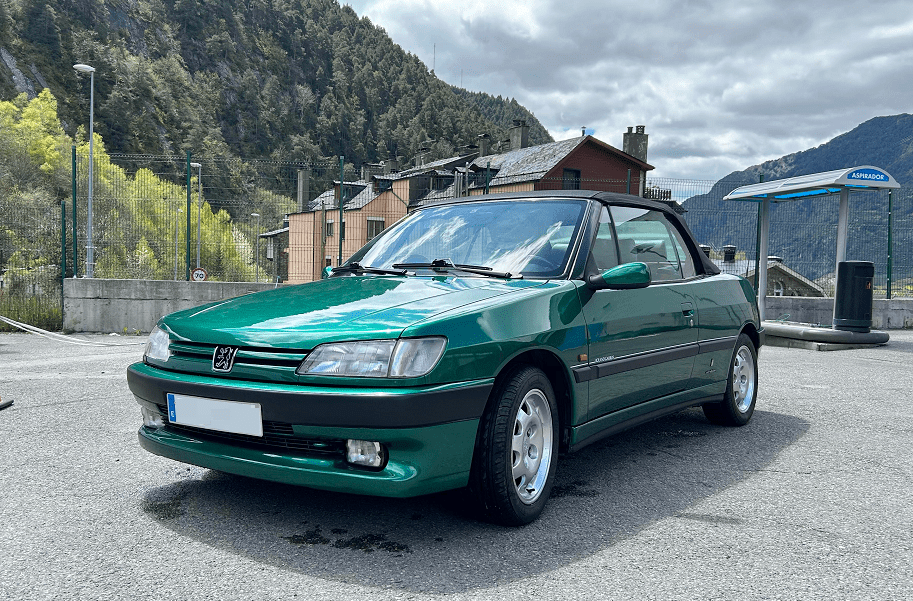
Peugeot 306 Roland Garros. Photo: Enzo Rodrigues Jacinto
Design: Pininfarina
Manufacturer: Automobiles Peugeot
Assembly: Poissy (France) / Sochaux (France) / Ryton-on-Dunsmore (Great Britain) / El Palomar (Argentina) / Los Andes (Chile) / Barra de Carrasco (Uruguay) / Jakarta (Indonesia) / San Giorgio Canavese (Italy) / Kaduna (Nigeria) / Manta (Ecuador)
Years of production: 1993—2002
Production: 2,848,131 units
Length: 4030 mm
Width: 1680 mm
Height: 1380 mm
Engine: 4 cylinders; 1124—1998 cc
Power: 60—167 HP
Max speed: ≤220 km/h
Fuel consumption: 8 l/100 km
Weight: 982—1345 kg
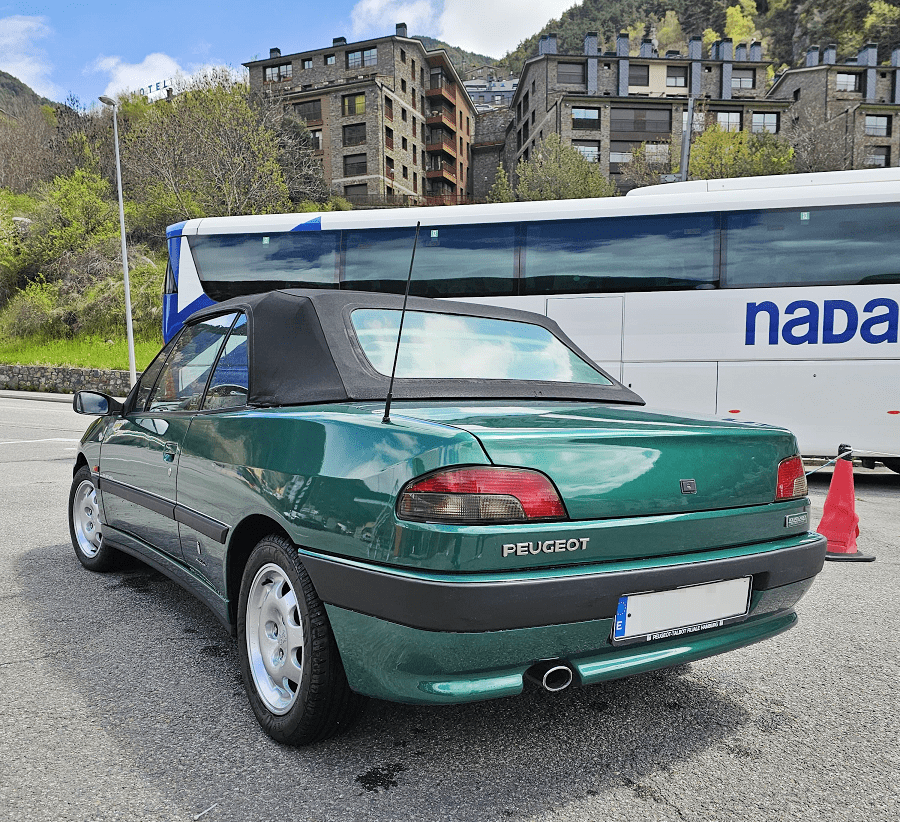
Peugeot 306 Roland Garros. Photo: Enzo Rodrigues Jacinto
See also Transport blog
See also Cars blog
See also Motorcycles blog
See also Buses blog
See also Shipbuilding blog
See also Motors and Engines blog
See also Trains and railways blog
See also Trucks and Cargo Vehicles blog
See also Tractors and Special Equipment blog
See also Tanks and Armored Vehicles
See also Airplanes blog
See also Helicopters blog
See also Artillery, Missiles and Rockets blog
See also Bicycles blog