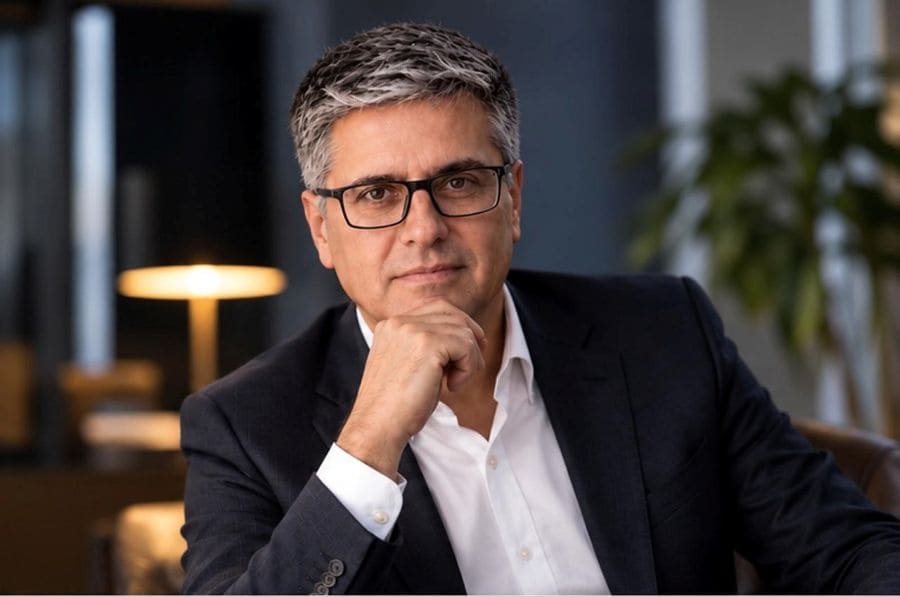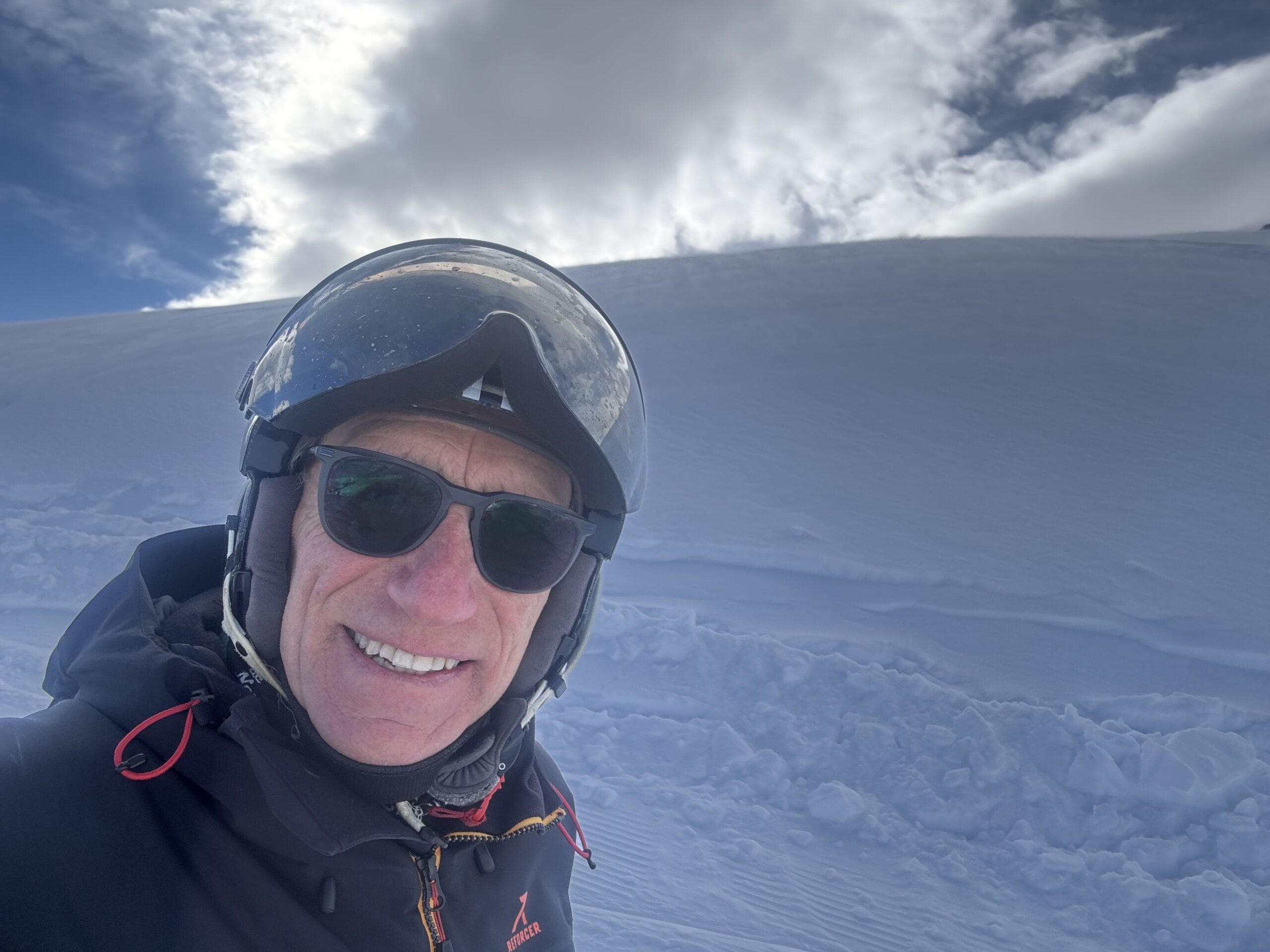
Conrad Blanch is a key figure in the organisation of high-level skiing competitions in Andorra. He began his career at ENSISA in January 1994 and, in 2003, when Grandvalira was established, he became its general manager, a role he held until 2008. He then served as a director at both Grandvalira and ENSISA until 2019. Currently, he is a director at SETAP 365. Over this long career, he has made a decisive contribution to the organisation of prestigious international events, helping to establish Andorra as a leading destination on the world alpine skiing scene.
We spoke with Conrad about the evolution of elite skiing, emerging trends in training and technology, the disciplines showing the most promise in Andorra, how equipment affects athlete performance, and the country’s place on the global skiing map.
Interview by: Irina Rybalchenko
With your experience, how do you assess the evolution of the organisation of high-level sporting competitions in recent years? From a logistical and technical perspective, and from the athletes’ point of view, what changes stand out, and what do you see as the future of the sector?
In recent years, the level of competition has evolved significantly. Athletes now arrive much better prepared, and at the same time, tracks and infrastructure have become increasingly demanding. Yet one of the most notable changes is undoubtedly in communication—a transformation that affects virtually every sport.
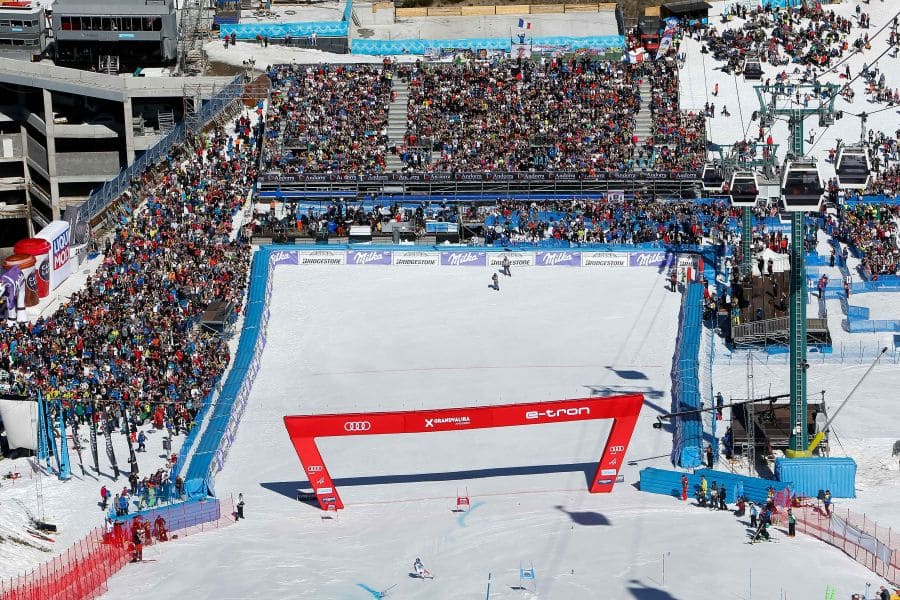
The organisation of high-level competitions has shifted from a purely sporting focus to a hybrid model that combines sport, leisure, and entertainment. At major events, it’s no longer just about the competition itself; it’s about creating an entire ecosystem that includes music, shows, and complementary activities to enhance the overall experience.
The aim is no longer simply media coverage, but the creation of a comprehensive experience capable of attracting audiences, generating economic benefits, and strengthening the region’s brand image.
Finally, it’s important to highlight the growing influence of social media on communication strategies. Communication has become much more direct, immediate, and demanding. Live coverage now requires a high level of professionalism, as even the smallest incident can have an instant and significant impact.
It’s fair to say that today, the world is evolving at a much faster pace, with constant access to global information that allows us to learn and adapt more quickly. In your opinion, how does this acceleration of knowledge sharing and decision-making influence the quality of skiing and the development of elite athletes’ techniques?
Today, knowledge is shared much more widely, so experiences gained in a particular location—whether related to organisation, slope preparation, or other technical aspects—can be disseminated rapidly. This continuous exchange encourages improvement: destination managers and organisers can replicate best practices while also differentiating themselves by adding unique value to their offerings and services.
The immediacy of communication is another factor. Everything travels faster, which also increases pressure on athletes. Whereas twenty years ago they had little exposure to media or press events, now they can instantly learn of any incident or see comments on social media, with both positive and negative consequences.
Can we say that athletes are currently better prepared than twenty years ago? What do you think are the main factors behind this evolution?
Athletes’ level of preparation has improved considerably. Across all disciplines, advances in training systems, nutrition, and recovery methods directly contribute to enhanced performance.
In sports like alpine skiing or snowboarding, athletes benefit from better infrastructure—both in terms of equipment and in training and recovery techniques—which have been refined over the years. This evolution is natural and ongoing in all sports.
Which skiing disciplines do you think have the most potential in Andorra?
Traditional disciplines remain the most promising in Andorra, particularly alpine skiing and snowboarding. While sports such as cross-country skiing and ski touring have grown in popularity, their number of participants is still relatively small compared to alpine skiing and snowboarding.
Freeriding, recently recognised as an official discipline by the FIS, also shows very promising prospects, especially among younger athletes. It appeals to them through the opportunity to explore wide-open terrain and carve unmarked lines, providing a thrilling experience.
In today’s society, any activity that combines nature and sport is a growing trend. Participation is increasing across skill levels, and offerings are evolving to meet these new opportunities.
What is your opinion on the equipment currently available on the market. How do you perceive the evolution of equipment in recent years, and what impact does it have on athletes’ performance and safety?
The evolution of equipment has clearly been paramount in recent years, especially when it comes to skis and bindings. Innovation is constant and directly affects two fundamental aspects: athlete safety and performance.
Better equipment allows athletes to perform at a higher level while reducing risk. This trend isn’t limited to alpine skiing; it’s also evident in snowboarding and other mountain sports. Equipment across mountaineering, alpine skiing, snowboarding, and cross-country skiing has undergone considerable development, enhancing both the athlete experience and competitiveness.
How do you assess Andorra’s position on the world skiing map, particularly in terms of infrastructure and services? What are its strengths, and what areas could be improved to strengthen its competitiveness as an elite ski destination?
I consider Andorra a top-tier ski destination, second to none. We have well-equipped slopes and infrastructure, high-quality hotel capacity, additional services for visitors, highly qualified technical teams, and a consistently motivated volunteer workforce.
The country’s recognition as a leading sports destination is the result of many years of commitment—from pioneers who envisioned the future of skiing, from resorts that invested in development, and from the ongoing work of clubs and federations. This long-term effort has created a comprehensive and robust offering that has grown over generations. Furthermore, youth participation in sports is a national asset, positioning Andorra as a benchmark in skiing.
Andorra is now well-positioned to face the future by identifying the areas that will enhance its competitiveness. Strategies should continue to focus on issues such as the desired type of tourism (quality versus quantity), accommodation capacity, the availability of qualified staff, access to housing for residents and seasonal workers, and the promotion of sustainable and efficient mobility—all within the framework of environmental protection legislation.
Finally, besides Andorra, which ski resorts do you find the most remarkable and particularly interesting?
There are excellent resorts around the world that stand out for their size, unique characteristics, environment, or complementary activities. Some of the most notable, in my view, are Sankt Anton am Arlberg, Tignes – Val d’Isère, Courchevel, Zermatt, the Dolomites, Whistler, Aspen, and Vail.