Ильюшин Ил-62
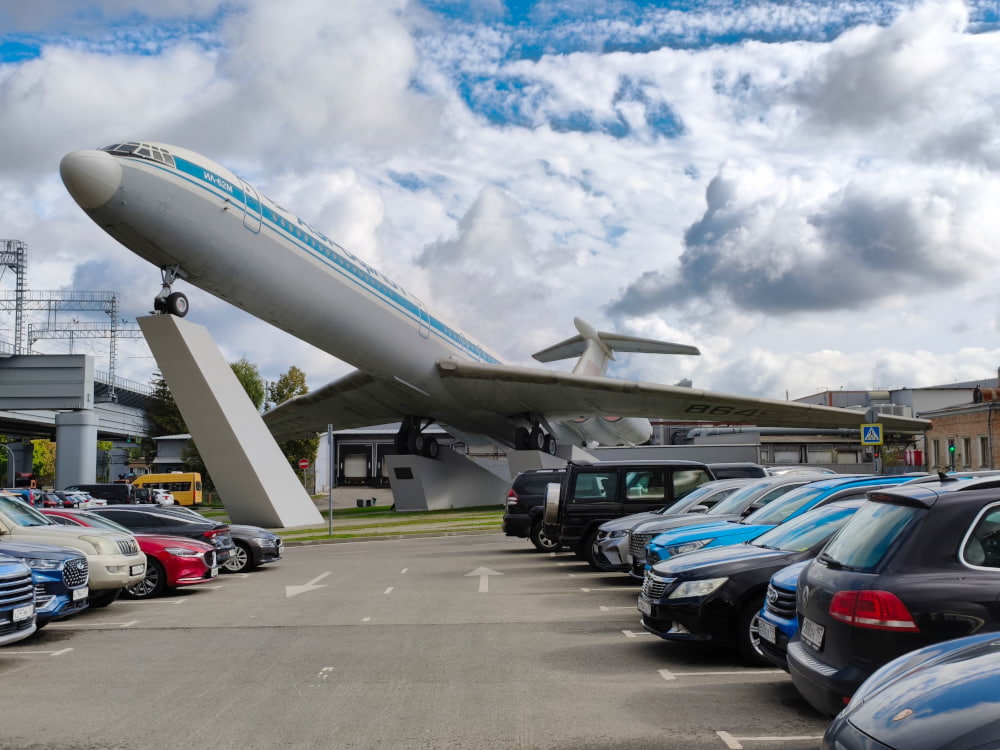
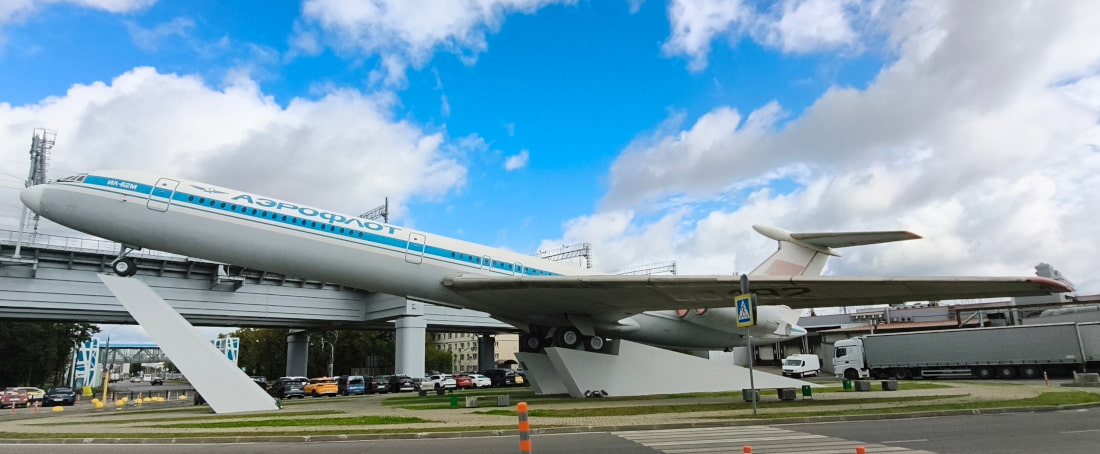
Il-62M (СССР-86492) «Аэрофлот» (Aeroflot) at Sheremetyevo airport (Moscow)
The Il-62 (NATO reporting name: “Classic”) was the first Soviet long-haul, intercontinental-range, turbojet-powered passenger airliner. It was developed by the Ilyushin Design Bureau in 1960 to replace the Tu-114 and the Il-18. In terms of its technical standard, the Il-62 belongs to the “second generation” of jetliners.
The aircraft was fully on par with the global technical and economic standards of its time. For the creation of this aircraft, a group of design engineers from OKB-240 was awarded the Lenin Prize.
It made its maiden flight on January 2, 1963.
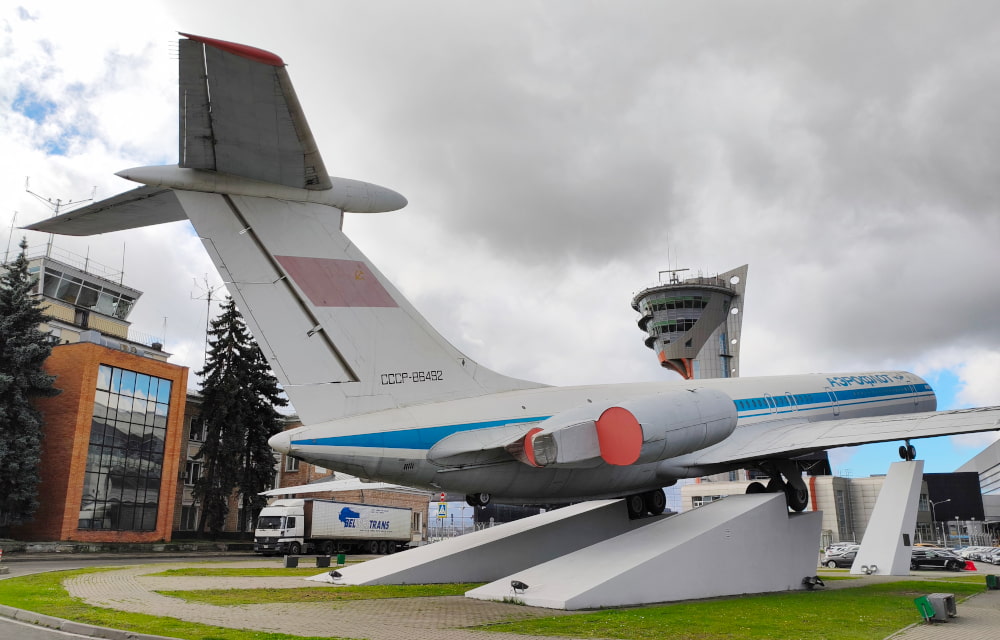
The Il-62 aircraft set several world records for speed and flight range. For decades, it served as a government transport aircraft in the USSR, Russia, and North Korea.
Today, the Il-62 is no longer used in Russian commercial aviation. These aircraft remain in service only with the Russian Air Force, as well as in North Korea and with the Belarusian cargo airline Rada Airlines.
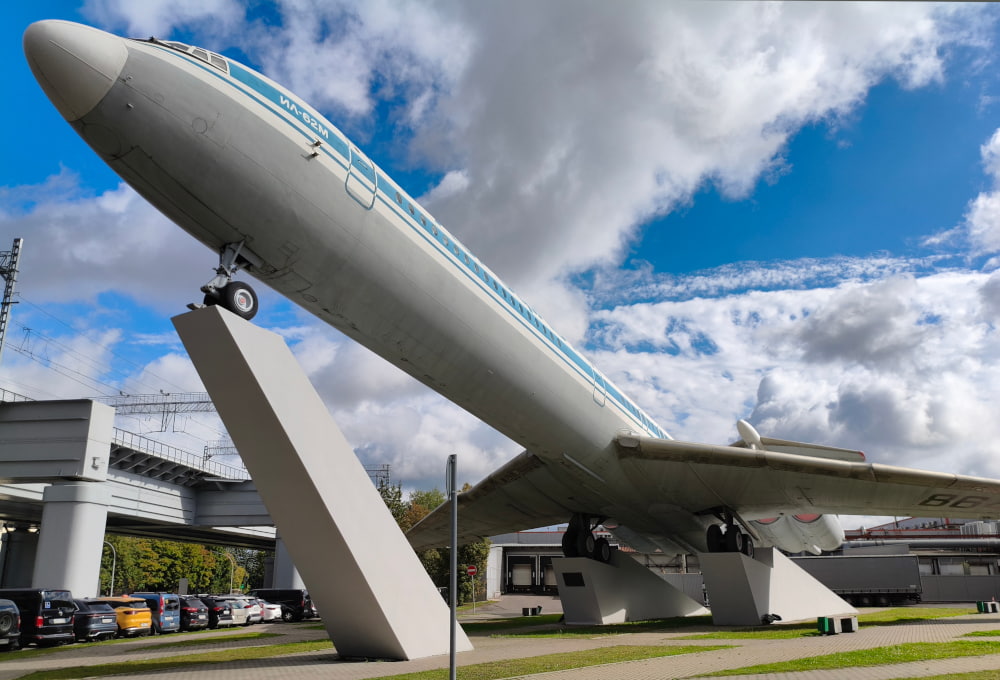
Modifications
In 1969, work began on a modified version of the Il-62. The new aircraft, designated the Il-62M-200, featured a reinforced airframe, double-slotted flaps, an automated stabilizer control system, improved aerodynamics, and new engines. Its takeoff weight increased to 164.7 tonnes—an addition of 4,200 kg over the base model.
Production of the Il-62M-200 took place in Kazan. Between 1970 and 1996, 193 aircraft were manufactured, with a few additional units assembled later to meet special orders.
The Il-62M made its maiden flight in January 1973. These aircraft were deployed on the longest routes within the USSR. In 1975, an Il-62M completed a flight from Moscow to Seattle via the North Pole.
In 1978, an upgraded version of the Il-62M was introduced, featuring a reinforced wing. Its takeoff weight rose to 167 tonnes, and the wing reinforcement also served to extend the aircraft’s service life.
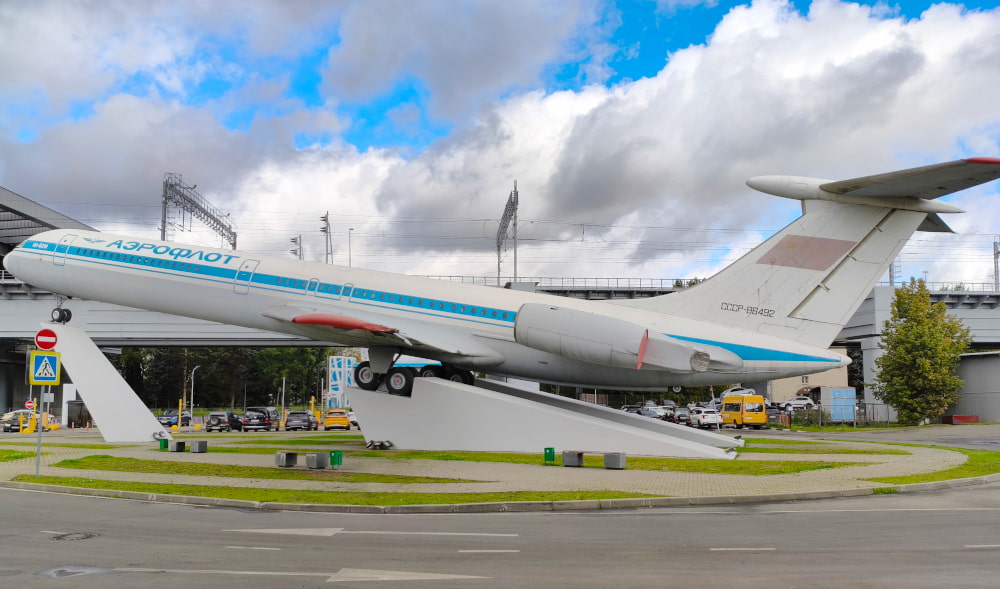
Design
The aircraft was designed with various layout configurations, differing in the number of passenger cabin classes, seating capacity, seat arrangement, and levels of comfort. This allowed for the most efficient possible use of the Il-62.
The Il-62 is a cantilever low-wing monoplane featuring swept wings and a T-tail configuration. Four engines are mounted on the rear section of the fuselage. The fuselage has an oval cross-section and is constructed from frames (transverse structural stiffening ribs), stringers (longitudinal structural members), and an outer skin. It comprises a total of 101 frames and 76 stringers.
The forward section of the fuselage houses a radome for the “Groza” radar system. The pressurized portion of the fuselage is divided by a floor into upper and lower sections. The upper section contains the flight deck, which features five workstations: for the captain, first officer, flight engineer, radio operator, and navigator. A galley/pantry area is situated between the two or three passenger cabins located aft of the flight deck. In the rear section, there is a cloakroom with a capacity for 125–130 winter coats belonging to the passengers. The passenger cabin includes five lavatories: two at the front, one in the middle, and two at the rear. The cabin flooring consists of fixed panels combined with easily removable plywood-based structures containing foam insulation. Three baggage compartments are located beneath the floor, while a fourth—situated in the unpressurized tail section—is used for stowing aircraft equipment. The total volume of the baggage compartments is 48 m³. The interior of the fuselage is lined with thermal and acoustic insulation material.
Two doors on the left side are provided for passenger boarding and deplaning. On the right side, the forward door serves as an emergency exit, while the aft door is used for loading galley supplies. Emergency exits are also located over the wings—two on the left and two on the right. The right side of the fuselage features four hatches for access to the cargo compartments and one hatch for galley/pantry equipment.
The crew is provided with oxygen equipment. The passenger cabins are equipped with seats featuring fold-down tray tables, as well as individual lighting, ventilation, and heating systems.
The wing is swept (32.5° at the quarter-chord line) and utilizes a three-spar, box-structure design. It consists of a center section and two detachable outer wing panels. The internal structural framework includes riveted, beam-type ribs, while the leading and trailing edges are of standard riveted construction. Fuel tanks are integrated into the internal cavities of the wing.
The aircraft has a unique weight distribution: the center of gravity of the empty airframe is located aft of the main landing gear. To prevent the aircraft from tipping backward, a fourth landing gear unit—a strut equipped with two wheels—is deployed vertically downward from the rear. Additionally, to maintain proper balance when the aircraft is flown empty, a 3,700-liter ballast tank, complete with filling and draining valves, is installed in the forward section of the fuselage.
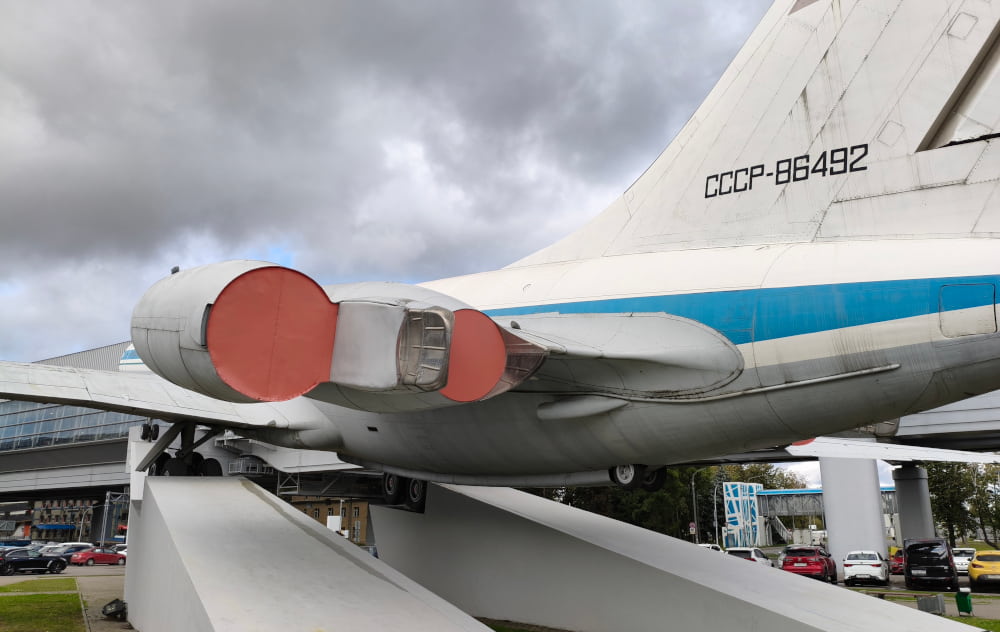
Powerplant
The aircraft’s powerplant consists of four engines: the NK-8 (for the Il-62) or the D-30KU (for the Il-62M). They are arranged in pairs at the rear of the fuselage. An auxiliary power unit (APU)—either the TA-6 (for the Il-62) or the TA-6A (for the Il-62M)—is also provided.
Engine operation is controlled via a cable-actuated system that transmits commands from the throttle levers (thrust levers) and the thrust reverser controls.
Engines are started using compressed air, which is supplied to a PPO-64M air starter. This air can be provided by the APU or by a ground-based power unit. Once one engine has been started, the air required to start the remaining engines is drawn from that engine’s compressor.
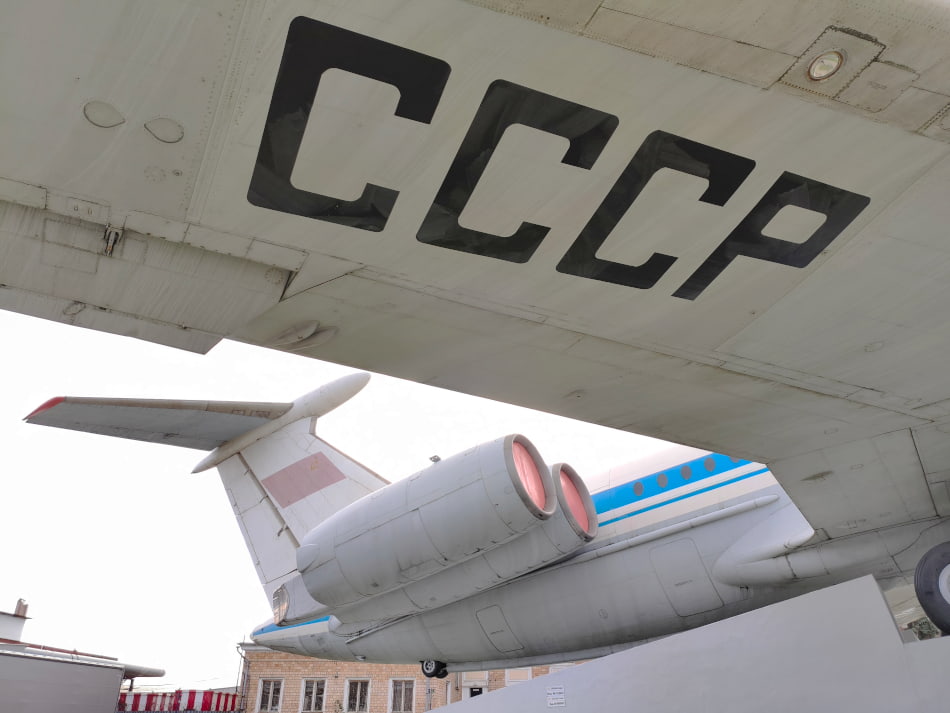
Characteristics
Manufacturer: Ilyushin Design Bureau
Country of origin: USSR
First flight: January 3, 1963
Years of production: 1966–2009
Total produced: 289 units
Length: 53,120 mm
Wingspan: 43,200 mm
Height: 12,350 mm
Crew: 5 (two pilots, flight engineer, navigator, and radio operator)
Passenger capacity: 168–186
Powerplant: 4× NK-8-4 (10,500 kgf) / 4× D-30KU (11,000 kgf)
Maximum speed: 900 km/h
Range: ≤11,050 km
Service ceiling: 12,200 m
Empty weight: 70,400–74,000 kg
See also: