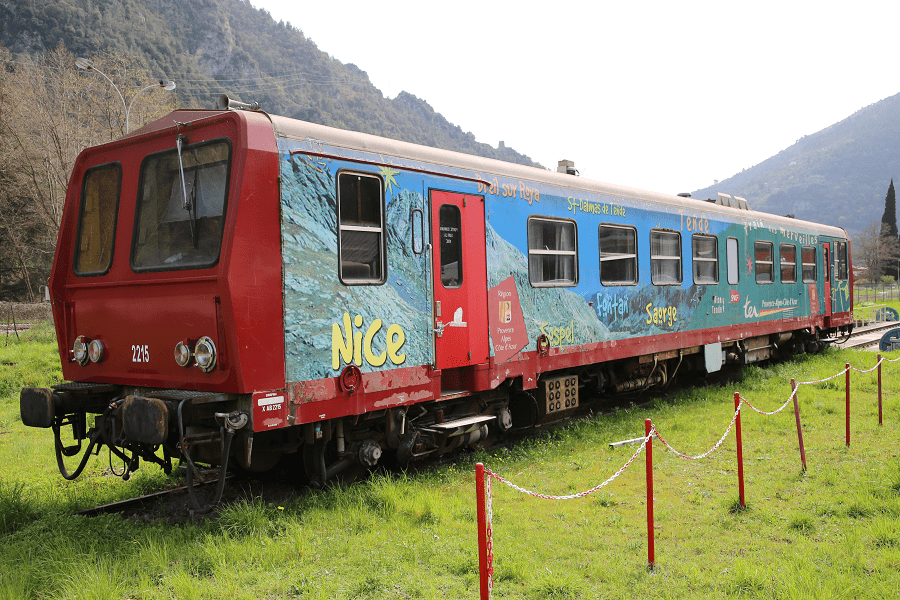
SNCF Class X 2200

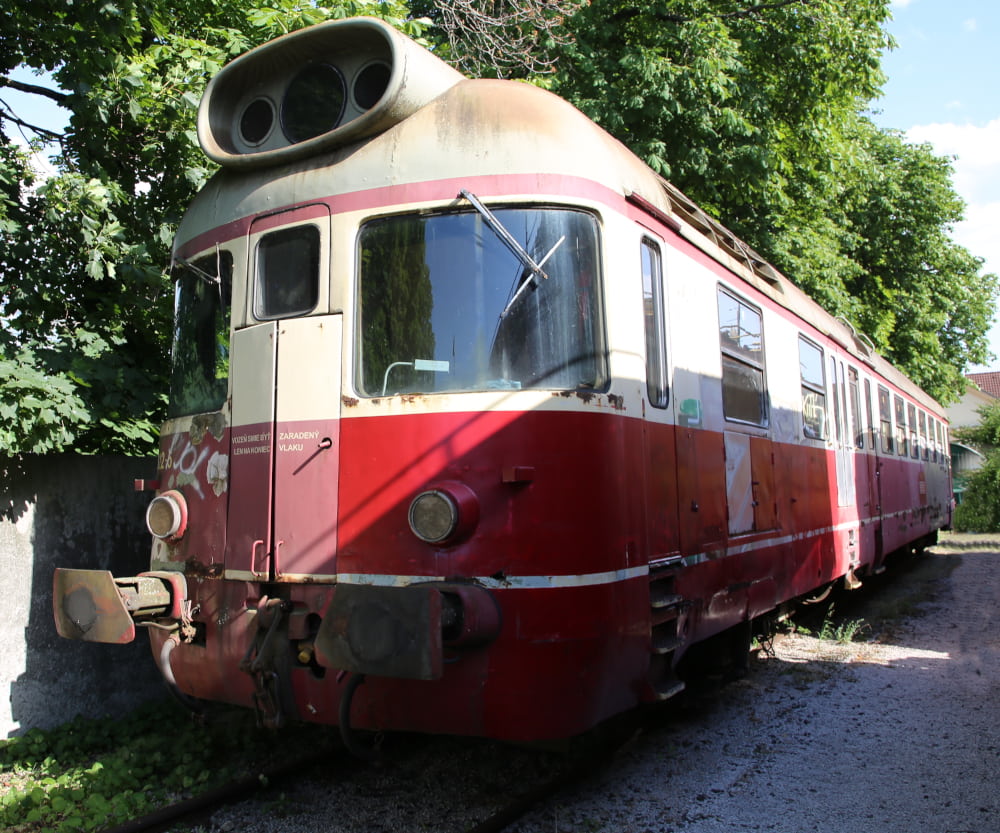
The X 2200 is a French railcar that previously operated on non-electrified TER lines. It was based on the earlier X 2100, representing a simplified version of it. Three examples were purchased by individual regions and received the X 92200 series numbers.
60 cars were delivered between 1985 and 1988, and the last of them were in operation until the end of December 2017. In the 2000s, some cars of the series received re-motorization, a new interior design and a blue and gray TER livery.
Since 1997, trains of the X 72500 type have been built to replace the X 2200.
Description
The X 2200 series is similar to the X 2100 in many ways but is a simplified version. Both trains share the same bodywork and are powered by a Saurer S1 DHR engine. However, there are notable differences. The ends of the train bodies have slight variations, though they remain interchangeable. The X 2200 features a Voith T 320 R gearbox, which is simpler and lighter than that of the X 2100. Additionally, the X 2200 no longer uses the hydrodynamic brake found in the X 2100, allowing for a more straightforward bogie design. The doors of both trains resemble those of Corail cars, folding rather than tilting and sliding.
The driver’s cab is not modular and occupies only two-thirds of the car’s width. The remaining third provides a direct view of the track for standing passengers, similar to the CFC Soulé trains. This space is typically equipped with a bicycle rack. These modifications reduce the car’s weight by 1.7 tons compared to the X 2100. With the same engine power, the X 2200 has a slightly higher specific power, leading to improved operating characteristics.
The X 2200 can be coupled with various railcars, including the XR 6000, XR 6100, XR 6200, XR 96000, and XR 96200 models, as well as the X 2100 and X 2800. The maximum number of cars in a train is six. A distinguishing feature of the X 2250 is its stainless steel body, whereas other models in the serie use structural steel.
The location of the first-class compartment in the X 2100—positioned in the center of the car near the technical rooms and engine exhaust system—drew criticism. To address these concerns, the interior layout of the X 2200 was completely redesigned. The first-class compartment is now closer to one of the entrance platforms, while a ramp has been added on the opposite side of the car. The total passenger capacity is 63: 8 in first class and 55 in second class, including 9 folding seats.
Seats in both classes are upholstered in brown-orange artificial leather and arranged in four rows. This layout differs from that of the EAD, where second-class passengers sit on benches.
By the late 1990s, the Saurer X 2200 engines began experiencing maintenance issues, excessive vibration, high fuel consumption, and pollution concerns. As the fleet neared the midpoint of its service life, a decision was made to replace all or part of the engines. The chosen replacement was the MAN 2842 LE, a turbocharged V12 engine.

Manufacturer: ANF Industrie (Alstom Crespin)
Assembly: Crespin (France)
Years of production: 1985—1988
In service: 1985—2017
Production: 60 units
Length: 22400 mm
Width: 2870 mm
Height: 3810 mm
Track gauge: 1435 mm
Passenger capacity: 64 seats
Formation: 1 railcar
Powerplant: Saurer S1 DHR / MAN V12 LE602
Continuous power: 552 HP
Max speed: 140 km/h
Weight: 42 t
Éco-Musée de Transport (Breil-sur-Roya, Provence)
See also Transport blog
See also Cars blog
See also Motorcycles blog
See also Buses blog
See also Shipbuilding blog
See also Motors and Engines blog
See also Trains and railways blog
See also Trucks and Cargo Vehicles blog
See also Tractors and Special Equipment blog
See also Tanks and Armored Vehicles
See also Airplanes blog
See also Helicopters blog
See also Artillery, Missiles and Rockets blog
See also Bicycles blog