IVECO Daily
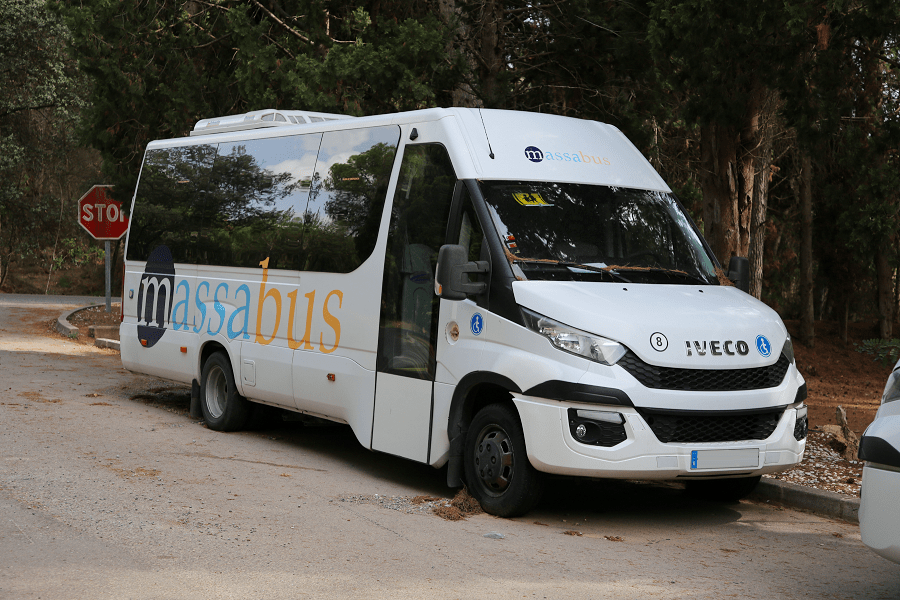
The Iveco Daily is a medium to heavy utility vehicle, born under the Fiat V.I. brand in 1978, and entrusted to Iveco in 1982.
Third generation (2014)
The third generation Daily was introduced in July 2014, replacing the second generation. Compared to the previous model, the vehicle has been completely revised; only the range of engines was retained. The selection of body variants, dimensions, wheelbases and payloads has been significantly expanded. According to the manufacturer, 8,000 variants are now available. The high loading area caused by the ladder frame on the Daily V has now been lowered by 55 mm and the often criticized long overhangs have been reduced. To improve driving comfort, the wheel suspension has been redesigned and the seating position of the driver’s seat has been improved. The vehicle design was also redesigned and adapted to the requirements of aerodynamics. The standard equipment includes Electronic Stability Control; other safety features such as lane departure warning and a reversing camera are available as options. Also optional is a pneumatic rear suspension designed to make loading and unloading easier. This model received the International Van of the Year award in 2015.
Electric version
Available as a panel van, minibus and chassis, the Iveco Daily Electric is a purely electrically powered vehicle. It is optionally equipped with a 60 or 80 kW electric motor. It takes 10 hours to charge the ZEBRA batteries, or 2 hours in the shortened quick charge mode. The low-noise vehicle is advertised in particular for night deliveries in urban areas and has a range of up to 280 kilometers.
Facelift
The Daily received a facelift in April 2019, now including full LED headlights, and various driver assistance systems have been added.
Daily Minibus
The Daily has, since its presentation in 1981, served as a basis for public transport, in the versions of school bus, city minibus and private minibus for hotels and luxury. Marketed successively under the brands Iveco, then Irisbus and now Iveco Bus, it has evolved like the van and retained a loyal customer base.
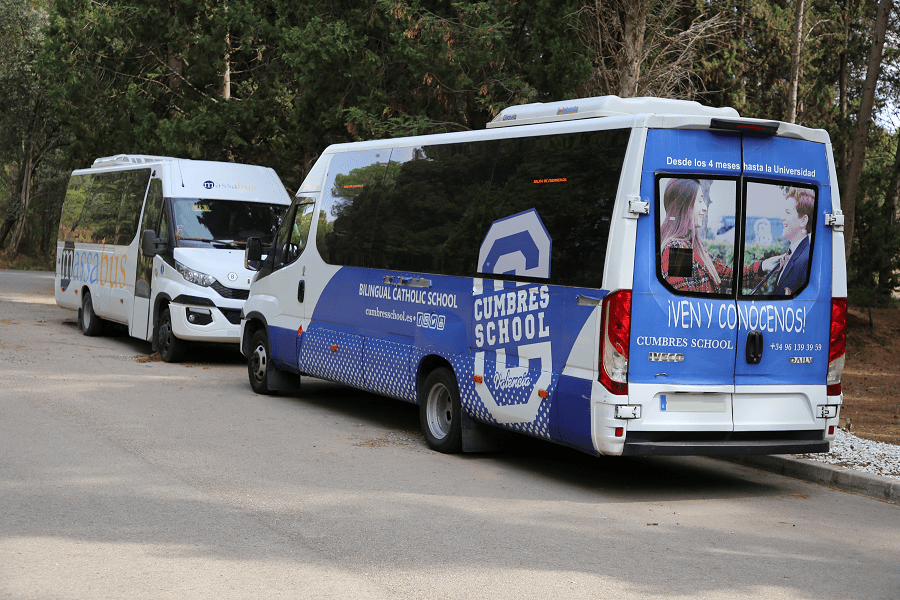
Assembly: Suzzara (Italy), Valladolid (Spain), Nanjing (China), Dandenong South (Australia), Kragujevac (Serbia), Nizhny Novgorod (Russia), Sete Lagoas (Brazil)
Years of production: 2014—
Length: 5040 — 7500 mm
Width: 1998 mm
Height: 2385 — 2940 mm
Engine: 4 cylinders; 2300 cc
Power: 210 HP
Max speed: 155 km/h
Fuel consumption: 14 l/100 km
Weight: 2400 kg
See also Transport blog
See also Cars blog
See also Motorcycles blog
See also Buses blog
See also Shipbuilding blog
See also Motors and Engines blog
See also Trains and railways blog
See also Trucks and Cargo Vehicles blog
See also Tractors and Special Equipment blog
See also Tanks and Armored Vehicles
See also Airplanes blog
See also Helicopters blog
See also Artillery, Missiles and Rockets blog
See also Bicycles blog